Thinking About Metal Roof Installation Within Kansas City Missouri?
APC Roofing works on ribbed sheet and concealed-clip panels alike, on houses, garages, porches and outbuildings.
Call 913-398-5020 and you will hear in plain words what condition the roof is in.
Sorting Out Types: Clues From Below
Screw-down panels, corrugated or ribbed, are fastened with screws through the exposed metal, while standing seam is clipped down beneath upright folds. Steel with a protective coating covers most houses that have metal, with aluminum and copper turning up less often.
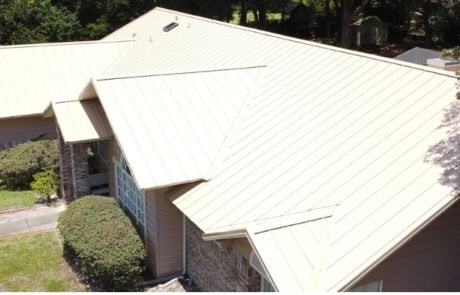
Screw heads marching in rows, easy to spot from below, point to exposed fasteners, and smooth pans between tall ribs with nothing poking through are standing seam. Farm buildings and garages commonly have ribbed or wavy sheet, and dwellings use both.
Profile Options: Old Look, New Look
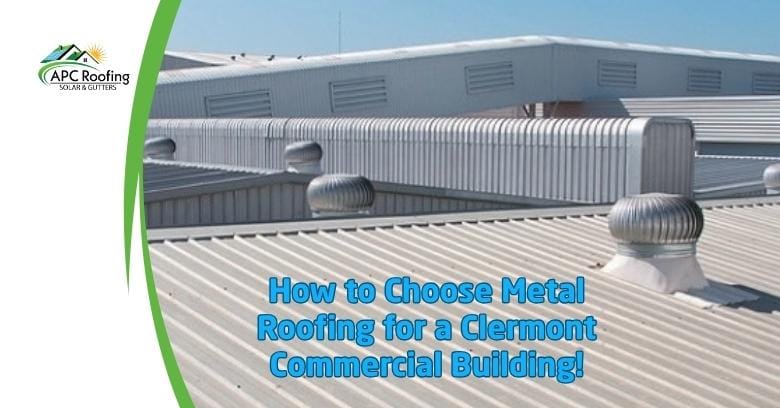
Corrugated material makes a run of soft, even undulations, while ribbed designs show angular ribs and wide flats. Adjacent lengths share a narrow side lap, and screw locations follow a published diagram.
A squared profile resists bending and reaches further between purlins, while corrugated keeps a place on vintage buildings and farmhouse designs. High ribs carry a heavy downpour across an extended slope, whereas a short porch covering gets by with a low pattern.
Hardware in the Weather: Every Detail Counts
A single screw pins the metal firmly to framing below, and a sealing washer beneath each head closes a drilled hole. Synthetic rubber ages in the sun, going hard and then cracking, and the panels can go on for decades more.
A screw set too tight crushes a washer out sideways, and a slack or crooked fastener leaks on one side.
Swapping Out Hardware: Part of Upkeep
Every washer across a ribbed or corrugated field weathers at the same rate, so at some stage all seals get changed. Tired fasteners are pulled one by one, and a slightly fatter screw goes into each hole so a thread bites fresh wood or steel.
A full re-screw with new washers closes leaks at each head and tightens loose sheets, but corrosion, parted laps and bad flashing are left as found. New screws are matched to whatever framing lies beneath, with wood threads for lumber and drill points for steel, and a factory color on every top suits most finishes.
Thermal Movement – Stress at Screw Holes
Steel lengthens on a hot afternoon and shortens on a cold night, and a long run adds up to a measurable distance, and aluminum reaches about double. A tightly fixed panel enlarges fastener holes a little with every cycle, and washers begin to leak.
A tick from warming metal after sunrise is normal, and a properly detailed roof suffers no harm.
Holding Down a Seamed Covering: Hidden Hardware
One short stretch of every long pan is pinned tight, while clips on every other section permit movement. At an unanchored end, trim is bent with clearance, whereas a pan with no play lets go or distorts.
As a pan is laid, clips are driven into the deck along one leg, so no fastener head is left out in the weather.
Joint Styles – Suited to Pitch
Some profiles snap together under hand pressure as each pan goes down, and mechanical versions are finished by a rolling tool. A double-lock grips harder against wind-driven rain, and maker approvals cover shallower slopes.
Widths between ribs and the height of each rib differ by line, and architecture and a buyer's eye decide. Parts made for one system rarely suit a rival brand, so a repair calls for knowing exactly which panel is up there.
Light or Heavy – Worth Confirming
Panel thickness in steel is stated in gauge, and a low figure signals thick metal. Pole buildings frequently carry twenty-nine, while twenty-six and twenty-four are typical choices for houses.
Aluminum uses decimal figures rather than gauge, and across the board thicker goods resist dents and ripple less. Different grades look identical once installed, so a product data sheet is a reliable guide.
Factory Protection: What Lasts
Steel for roofing is hot-dipped in zinc or an aluminum-zinc blend, and a color coat is baked on afterward. Paint scuffed but not broken through is fine, but a sheared edge exposes steel that will corrode.
PVDF finishes hold color for decades, while polyester versions chalk and fade sooner. Wet mortar and fresh concrete attack an aluminum-zinc coating, so a gap or barrier separates panels from new block or stone.
Base Material – Trade-Offs
An aluminum panel is light and immune to red rust, but a soft sheet dents from smaller blows. At the coastal end of our territory, salt spray breaks down galvanized coatings faster, and manufacturers set limits on how near a shoreline a product may go.
Copper turns up chiefly on bay windows, dormers and entry roofs, and with nothing applied, color shifts over the years.
Metals That React: Treated Lumber and Wrong Screws
Rain rinsing off a copper detail wears through coated steel downhill, and a stain shows up before a leak does. Pressure-treated framing corrodes aluminum laid directly on top, and a mismatched fastener rusts quickly.
A new piece of flashing belongs in a metal that matches existing work, or a strip of membrane goes between dissimilar metals.
A Matter of Taste: Choices That Help
Oil canning is a gentle waviness across the flat of a standing seam pan, and a midday sun hides what a low evening sun reveals. A panel that looks uneven sheds rain as well as a perfect sheet, and the roof lasts no less.
Thicker metal, a slimmer width and striations rolled into every pan tame rippling, and an even deck beneath helps as well. Pictures of houses with and without oil canning make comparison easy, and you decide what to order.
Inside the House – Sound and Temperature
Metal spanning open rafters, with air beneath, is what clatters, since one thin layer is all that stands between sky and interior. On a house, a solid deck, underlayment and ceiling insulation sit below the panels, and in a living room few can pick out any change from shingles.
Light tones and cool pigments bounce a large share of sunlight away, so upstairs spaces bake less. A deep hue absorbs heat like any dark surface, and ventilation and insulation underneath matter as much as finish. Panels cool fast at nightfall, and an attic beneath follows suit.
Guards and Placement – Only Where Needed
Across the colder end of our territory, snow does not cling to painted steel, and a whole mass may come down at once on anything under an eave. Retention bars keep a load up top to melt off gradually, and hardware sits over entries, paths and meters.
For standing seam, bolted clamps grip each upright joint, while screw-down sheet takes mounts fastened into framing with sealed screws, and in our warmer markets a house goes without.
Blows From Above: Documented Plainly
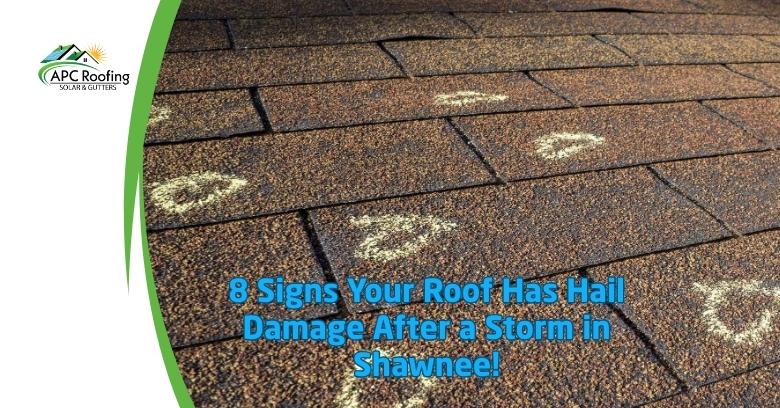
At the colder end of our territory, hail is a regular event, and panels with an impact rating are an option. Where a blow splits paint, bare metal can corrode, and a trim piece pushed out of place can channel rain inside.
Following a storm, our roofer takes pictures and measurements, so the size and position of each dent are known.
Uplift – Rated Assemblies
Gusts tug harder at corners and along a perimeter, and air that gets under a loose edge can peel a sheet back. Each finishing piece is folded back and locked over a full-length cleat, and nothing is left free to flap.
Clips and screws are packed closer in high-load zones near corners, as manufacturer tables call for at each site. Where hurricanes reach, at the coastal end of our territory, the number of fasteners goes up again, and products are chosen with a wind rating to match.
Penetrations: Detail Work
A plumbing pipe gets a flexible boot with a base that bends to a panel profile, and placement is down in a pan rather than on a crest. A bigger penetration is framed with a curb and a small cricket upslope, so no water dams up.
Caulk is a secondary barrier behind formed metal, since the steel outlasts any compound many times over.
Channels Between Roof Planes – Joining Long Runs
Each valley receives a wide flashing before panels arrive, and panels are trimmed on a diagonal to match. Exposed ends are bent back and gripped by cleats, and nothing pierces a channel that carries rain.
A sealed endlap connects consecutive lengths on an extended run, and screws go through both thicknesses at close spacing.
How Low Metal Can Go – Measured, Not Guessed
Corrugated and ribbed sheet usually needs around three inches of rise in every foot, since anything less lets rain back up at overlaps. Standing seam with double-locked joints goes much lower, and a few products go almost to flat.
Many homes have a gentle stretch over a porch or a later addition, and each incline is measured on site, and where metal does not belong, a membrane does.
Under Everything – Out of Sight Once Done
Residential panels are laid on a solid deck, and a high-temperature underlayment sits beneath the panels, because old felt bakes and sticks under hot steel. Farm buildings frequently carry metal over bare purlins, and wider spacing calls for heavier stock.
On a tear-off, soft or rotted boards are cut out and replaced, because screws in decay have nothing to grip.
A Recover Instead of a Strip – Grounds for Refusal
Where code allows, metal can be installed over one layer of shingles, and the mess and hauling of removal are avoided. At well under two pounds per square foot, steel is a light load, so reinforcement is rarely needed. Battens over a fresh membrane go across existing shingles, and screws reach through into solid wood.
A roof that was recovered once before, or a deck with decay underneath, comes off entirely, since dampness sealed beneath panels goes on rotting structural lumber.
Small Parts at Edges: Vented or Solid
Shaped closures fill spaces under every rib at an upper line and a lower line, so blown rain and critters are shut out. A ridge cap can be vented to let warm air escape or left solid, according to how an attic sheds heat and moisture.
A drip edge along an eave and trim on each rake complete a border, so rain does not run down behind fascia.
Working at Height: Slick When Wet
A seamed panel comes off a forming machine cut to the length of a run, so no crosswise joint sits in the path of runoff. A long panel calls for several people spaced along the metal, and a kinked pan is not usable.
Weight should go only into pans over framing, as a seam under a boot can bend open. A damp or dew-covered pan gives a shoe nothing to hold, and nobody without a harness should go up.
What to Watch For – A Look From Below
- Orange halos at fasteners, near the top of a run.
- Screws no longer tight against metal, on a south exposure.
- Trim bent up at a corner, facing prevailing wind.
- A pipe collar tipped to one side, by a bathroom fan.
- Red streaks at a raw end, at the bottom of a run.
- Uneven fading, across one face of the house.
- A ceiling stain in a straight line, in an upstairs bedroom.
- A lock pulled apart, where slopes meet.
How APC Roofing Tackles Metal Roof Installation in Kansas City Missouri: Our Routine
Our starting point is pinning down which system is up there and how the panels are secured, followed by every screw or clip, edge, boot, valley and lap. Notes cover gauge, finish and every kind of hardware, and the attic is searched for water marks.
You receive a report, pictures included, and every item comes with the why. If a covering needs only new screws, we say exactly that, and a finished roof is described without softening.
Metal Roof Installation for Kansas City Missouri Homes – Details Read Closely
Call us at 913-398-5020 and we will pick a time together for a visit.
Deciding on Scope: Guided by Evidence
A single ruined panel can come out and a sound panel go in, though new metal looks brighter than weathered neighbors. Resealing a lap or replacing a boot stops a local leak, while a re-screw takes care of hardened washers.
Rust through sheet after sheet calls for a new covering, and a covering riddled with failed seams is no better off. A partial job on just one side is sometimes a sensible middle course, when harm is local.
Planning Ahead: Watching Details
Coated steel put on properly often gives forty years or better, and every estimate is approximate. A seamed pan roof has fewer parts that age, while ribbed sheet gets new fasteners once washers tire.
Galvanic contact, unfinished cuts and caulk in place of flashing hasten replacement, and an occasional walk-over catches problems promptly. Piles of leaves behind a chimney keep a patch of metal damp for days, and brushing debris off protects paint.
Whenever Metal Roof Installation in Kansas City Missouri comes up, get hold of APC Roofing at 913-398-5020. Someone will climb up and read how the panels are attached, along with every edge and opening, and a write-up leaves every decision in your hands.
Verified

Verified