
You’ve seen the clean vertical lines of a standing seam roof on a neighbor’s house and started wondering whether it makes sense for yours. It costs more than shingles, so you want to know what you’d actually be getting: how it holds up to Kansas City hail, what happens when snow piles on it, and whether the installer you hire knows the difference between doing it right and doing it fast.
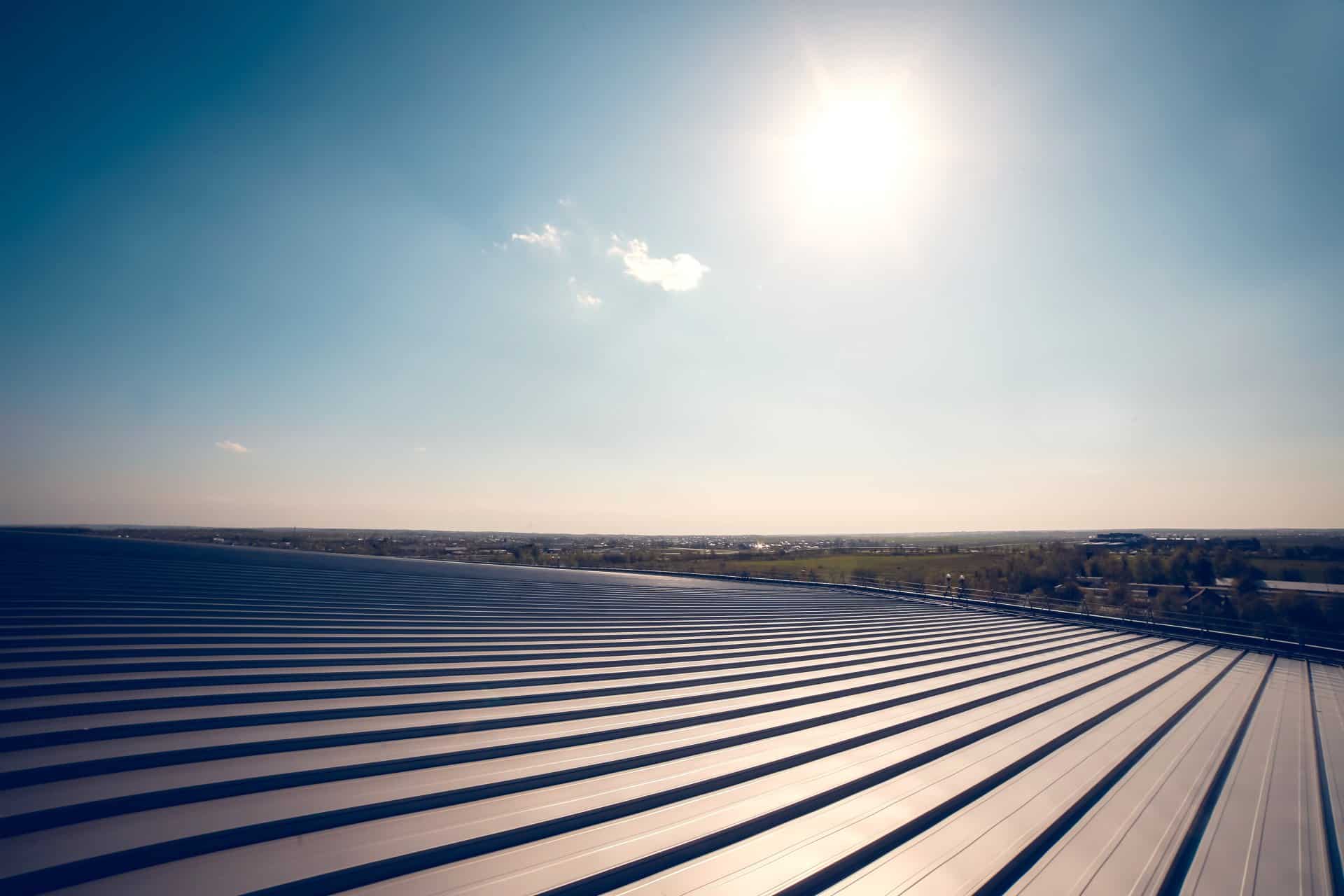
Those are the right questions. Standing seam metal roofing in Kansas City can be a long-term roof, but the details of the panel, the seam and the install decide whether it delivers.
APC Roofing is a GAF Certified roofing contractor, licensed and insured, and we install and repair standing seam roofs on homes and outbuildings. The inspection and estimate are free.
How a standing seam roof works
Each panel runs in one piece from the ridge down to the eave, with a raised rib on each side. Neighboring panels lock together at those ribs, which sit an inch or two above the flat of the roof where water runs.
What sets standing seam apart is how it’s held down. Instead of screws through the face of the panel, hidden clips fasten to the roof deck and grip the seam. No fastener goes through the part of the panel that carries water, so there are no rubber washers drying out in the sun.
Those clips also let the panels move. Steel grows in the summer heat and shrinks on a cold night, and a long panel can move a noticeable amount between July and January. Floating clips let that happen without stressing fasteners or buckling the metal. That matters in a climate that swings as hard as Kansas City’s.
Snap-lock or mechanically seamed?
There are two main ways the ribs lock together.
Snap-lock panels press together by hand. They’re quicker to install and work well on most steep-slope homes.
Mechanically seamed panels get crimped together with a seaming tool, either folded once or twice over. The tighter seam holds up better on low-slope sections, like a porch roof or a gently pitched addition, where water moves slowly and snow can sit.
The manufacturer sets the minimum slope for each panel. On a low pitch, a mechanically seamed panel is often the safer pick.
Standing seam metal roofing in Kansas City’s hail, snow and sun
Hail. Standing seam doesn’t crack or shed granules, and it usually keeps water out after hail. Large hail can still dent the flat of the panel. A heavier gauge of steel and a panel with stiffening ribs in the flat resist dents better. Ask about impact ratings on the product you’re considering, and check how your insurance policy treats cosmetic dents on metal.
Snow and ice. Snow slides off metal more easily than shingles, which reduces ice dams. It can also come off in a sheet onto a walkway or the gutters. Snow guards can be clamped to the seams over entries and decks without drilling through the panel.
Summer sun. Paint finish matters here. Fluoropolymer finishes, often sold under brand names like Kynar 500, hold their color well for many years. Silicone-modified polyester costs less but tends to fade and chalk sooner. Ask which finish is on the panel being quoted.
Wind. With hidden clips at the right spacing and secure trim at the eaves, rakes and ridge, standing seam holds up well in high winds. Edges are where installs most often fall short.
Oil canning and what to expect
Some standing seam roofs show a slight waviness in the flat part of the panel, called oil canning. It’s usually cosmetic and doesn’t affect how the roof performs. Thicker steel, narrower panels and panels with small stiffening ribs reduce it. It’s worth talking about before you choose a panel so the finished roof looks the way you expect.
Standing seam repairs
Because there are no exposed screws, standing seam roofs need less routine fixing. When they do leak, it’s usually at:
- Flashing around chimneys or walls
- Pipe and vent boots
- Trim at the ridge or eaves that has loosened
- A seam that was damaged during an earlier repair or by a heavy impact
Most of those can be fixed without replacing panels. See our metal roof repair page for more.
How it works with APC Roofing
- Book your free inspection. We’ll look at your current roof, its slope and the deck, and talk through panel and finish options.
- Get a clear, honest assessment and estimate. You’ll get a written estimate that names the panel, the seam type, the gauge and the finish, so you can compare apples to apples. Financing is available through Aqua Finance, Fortifi, Hearth and Home Run Finance.
- Your roof gets installed and the site gets cleaned up. The crew handles the install and clears out scraps and fasteners before they leave.
If you’re comparing standing seam with other metal options, our metal roofing in Kansas City page lays them out side by side, and our metal roof installation page covers the switch from shingles.
Standing seam questions
Is standing seam worth the higher price?
It costs more than shingles and exposed-fastener metal. In return you get no exposed screws to maintain, better handling of thermal movement and a clean look. Whether it’s worth it depends on how long you plan to stay and what you want from the roof.
Can standing seam go on a low-slope roof?
Often, yes, if the panel is rated for that slope. Mechanically seamed panels are usually the choice on lower pitches.
Will snow slide off onto my walkway?
It can. Snow guards clamped to the seams over doors and walkways help hold it in place.
Can you install standing seam over my old shingles?
Sometimes, depending on code and the condition of the existing roof. Many installs go over a clean deck with new underlayment. We’ll tell you what makes sense for your house during the inspection.
Talk to us about standing seam
Call 913-398-5020 or request your free estimate online to book your free inspection.
When it’s done right, you get a roof that sheds the next hailstorm and the next heavy snow and still looks sharp from the street.


















