In Need of Corrugated Metal Roofing Throughout Kansas City Missouri?
APC Roofing installs panel coverings and mends worn sheet, on houses, garages, porches and outbuildings.
Dial 913-398-5020 and a visit ends with a straight account of what was found.
Telling Systems Apart – Surface Clues
Exposed-fastener roofing is pinned by screws passing through every panel, while standing seam is clipped down beneath upright folds. Most metal on houses is coated steel, though aluminum and copper have a place too.
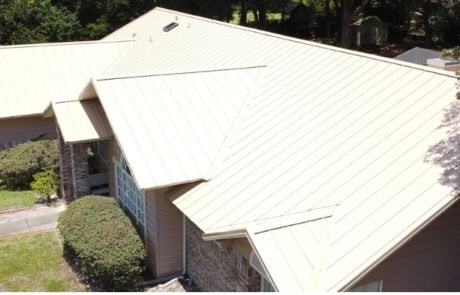
From a driveway, lines of screw heads across the panels mark a through-fastened roof, and smooth pans between tall ribs with nothing poking through are standing seam. Outbuildings and porches lean toward ribbed or corrugated sheet, and houses carry both styles.
Profile Options: Which Suits a Building
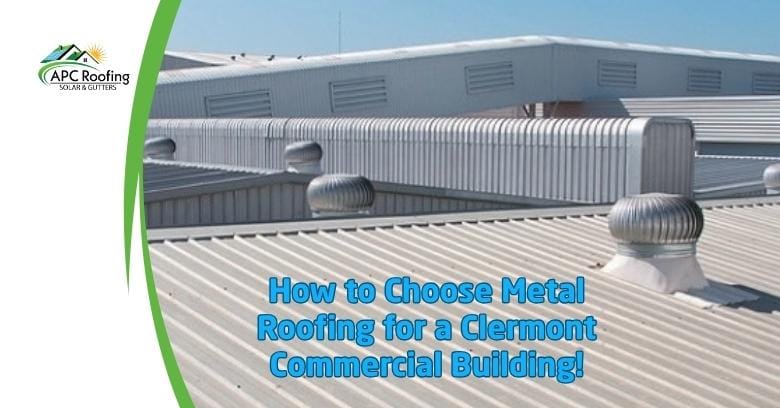
A corrugated sheet curves up and down in regular round waves, while ribbed panels carry squared ribs with wide flats between. One length rides over a neighbor at a side lap, and a maker's pattern says where screws go.
Ribbed stock is stiffer and spans further between supports, and a rounded wave appeals on older or rustic structures. On a big roof plane, taller ribs keep a downpour from spilling over side laps, whereas a short porch covering gets by with a low pattern.
Fastener Hardware – Driven Right or Wrong
A single screw pins the metal firmly to framing below, while a washer at each head keeps rain from following a shank. Sun and temperature swings dry out neoprene over time, and the panels can go on for decades more.
An overdriven screw squashes a washer flat, and a fastener stopped short or angled leaves a gap for rain.
Hardware Swaps: Worth Doing, With Limits
Washers on corrugated or ribbed panels give out as a group, so a complete re-screw comes due at some point. Every existing fastener is removed, and a slightly fatter screw goes into each hole so a thread bites fresh wood or steel.
Re-fastening stops water at every head and holds down sheets that lift, but corrosion, parted laps and bad flashing are left as found. New screws are matched to whatever framing lies beneath, with wood threads for lumber and drill points for steel, and a painted cap keeps new work inconspicuous.
Growth and Shrinkage: Oval Holes and Loose Seals
Steel lengthens on a hot afternoon and shortens on a cold night, and forty feet of panel shifts roughly a quarter inch or more, with aluminum going about twice as far. A panel pinned at both ends slowly slots every screw opening, and seals start to fail.
Popping and clicking on a sunny morning is expansion at work, and a well-built roof takes no harm from some noise.
Attachment Beneath Folded Seams – Laid in Sequence
One short stretch of every long pan is pinned tight, while clips on every other section permit movement. A finishing piece at an opposite end has room built in underneath, and a pan held rigid throughout tears loose or buckles.
A pan is positioned and clips are screwed to the deck beside a long edge, so each new pan conceals all hardware below.
Joint Styles – Suited to Pitch
Some profiles snap together under hand pressure as each pan goes down, and mechanical versions are finished by a rolling tool. A double-lock seam holds far better against strong gusts and standing water, so maker ratings reach lower pitches.
Profiles come in different widths and heights, and a choice depends on the home and a preferred style. Clips, trim and closures are bought to suit one particular panel, so a repair calls for knowing exactly which panel is up there.
Choosing a Weight: Barn or Residence
Steel thickness is given as a gauge, and higher numbers mean thinner sheet. Farm structures often use twenty-nine, while a dwelling generally takes twenty-six or twenty-four.
For aluminum, sheet is sized in thousandths, and in both cases a heftier panel stays straighter and tougher. A view from below reveals nothing about grade, so printed product data gives a firm answer.
Corrosion Defense: What Lasts
At a steel mill, coil gets a metallic layer of zinc or zinc and aluminum, and a baked primer goes on before a color coat. A mark in a topcoat alone keeps steel protected, but a cut that reaches base steel is where corrosion takes hold.
A PVDF finish stands up to sunlight for a long time, and polyester families fade and chalk more quickly. Uncured concrete and mortar harm an aluminum-zinc coating, so metal and new brick are kept apart.
Choosing the Metal: Matching a Location
Aluminum is light and free of red rust, but a soft sheet dents from smaller blows. At the coastal end of our territory, salt spray breaks down galvanized coatings faster, so a marine-rated system often goes up near a beach.
Copper turns up chiefly on bay windows, dormers and entry roofs, and the metal is left bare to weather.
Chemistry on a Rooftop: Treated Lumber and Wrong Screws
Water that has crossed copper wears away any steel coating below, and discoloration arrives well before a panel gives way. Treated wood touching aluminum pits the metal at each contact, and an ordinary screw of an unsuited alloy fails as well.
New flashing or trim has to match the metals already in place, or an isolating layer separates unlike metals.
An Appearance Question – Surface, Not Structure
Oil canning means a slight bow in a wide stretch between seams, and raking light early or late in the day brings out each rise and fall. A panel that looks uneven sheds rain as well as a perfect sheet, and service life is unaffected.
Thicker metal, a slimmer width and striations rolled into every pan tame rippling, and a deck without humps or dips matters too. Pictures of completed homes give a sense of how visible oil canning gets, and you decide what to order.
Comfort Below: What Reaches Living Space
Metal spanning open rafters, with air beneath, is what clatters, since one thin layer is all that stands between sky and interior. A dwelling puts decking, a membrane and insulation between the panels and any bedroom, and occupants notice only a slight change from shingles.
A light-colored panel sheds much of the sun's warmth, and the attic takes in far less. Deep shades absorb as much as dark asphalt, and airflow and insulation lower down count just as much. Thin steel cools off right after dusk, and the attic below catches up before long.
Guard Rows: Position Matters
Across the colder end of our territory, snow does not cling to painted steel, and a slab arriving all at once can injure someone or rip a gutter off. Rows of cleats hold a load back until melting clears the roof, and positions are chosen where anything below could be hit.
Standing seam takes clamp-on brackets that grip each rib without piercing the metal, while exposed-fastener sheet takes mounts screwed into framing, and homes where snow seldom falls go without.
Blows From Above: What a Hit Can Open
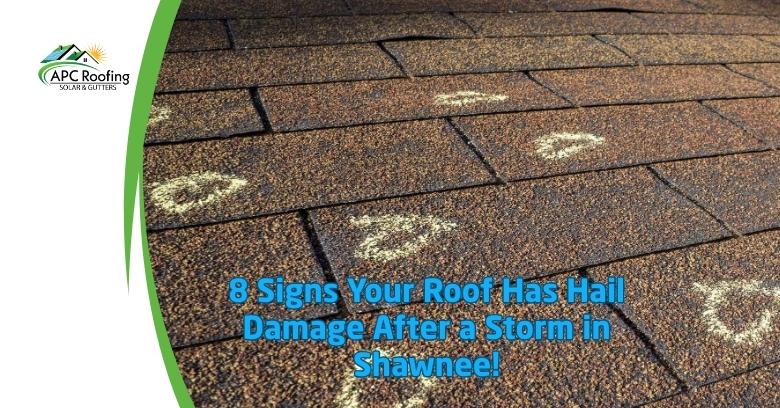
At the colder end of our range, hail arrives most years, and heavier grades with stiffening ribs shrug off more stones. Where a blow splits paint, bare metal can corrode, while a seam or trim edge pushed out of line may open.
Once a storm has passed, a roofer photographs and measures every mark, so the extent of damage is clear.
Staying Put in a Blow: Layout Matters
Suction gathers along rakes and eaves, and an unfastened edge lets pressure build beneath. Finishing trim is hemmed and caught on a cleat for a whole run, and no gap is left to work into.
Screw and clip spacing tightens at corners and around a perimeter, following a maker's layout for a site's exposure. On the hurricane coast at the far end of our territory, fastening counts rise again, and panel and hardware are rated as one assembly.
Penetrations: Keeping Water Out
Each pipe takes a boot made for panel roofs, with a base pressed to follow corrugations, and a level stretch, not a peak, is chosen for a hole. Larger units get a raised curb plus a cricket on an uphill side, and water cannot pool at an upper edge.
Sealant backs up flashing and never stands in for folded metal, since weather hardens and splits any compound long before the panels are done.
Changes of Direction: Built to Drain
A valley pan goes down ahead of any panel, and each sheet is cut to a matching angle. Every raw end is turned under and caught by a cleat, and no screw goes through any path where water flows.
Where a long run needs more than one length, a lap is sealed between layers, and fasteners pass through both thicknesses, with uphill metal on top.
Limits Near Flat: Where Locked Seams Help
Through-fastened sheet generally wants about three inches of rise per foot, and on flatter roofs, water works under side laps. Machine-folded seams go much lower, with some lines cleared almost down to flat.
Many homes have a gentle stretch over a porch or a later addition, and a measurement comes before any panel is named, and an area that metal cannot serve is given a membrane.
A Base Layer: Rot and Spacing
A house takes panels on a solid, continuous deck, and a synthetic barrier made for high heat sits on top, because old felt bakes and sticks under hot steel. An outbuilding may have nothing but purlins under the metal, so support spacing and gauge are matched.
On a tear-off, soft or rotted boards are cut out and replaced, because screws in decay have nothing to grip.
An Overlay: What Has to Be True
Where code allows, metal can be installed over one layer of shingles, and a yard is spared tear-off debris. A steel covering adds only slight dead load, so reinforcement is rarely needed. An underlayment topped with a grid of furring strips goes over existing shingles, and panels are fastened through into sound wood.
Soft spots, old leak stains in the attic or a second layer rule out an overlay, because a problem covered with steel keeps growing out of sight.
Finishing Pieces – Fillers and Trim
Closure strips shaped to a panel profile plug hollows under every rib where a run starts and stops, so wind-blown rain and nesting animals stay out. A ridge cover can include a vent or be solid, according to how an attic sheds heat and moisture.
Rake trim, drip edge and an apron into a gutter close off a roof's outline, so rain does not run down behind fascia.
On the Job – Carrying and Stepping
Standing seam panels are formed at full slope length, and nothing overlaps partway up. An extended panel needs enough hands under the metal to stay straight, and a crimped or creased pan is no longer usable.
A foot goes only in flats directly above supports, since pressure on a rib bends the metal out of shape. A damp or dew-covered pan gives a shoe nothing to hold, and a homeowner is better off staying on the ground.
Clues to Watch – A Look From Below
- Brown rings at fastener heads, on a slope facing afternoon sun.
- Hardware sticking up, on long panels.
- Trim bent up at a corner, facing prevailing wind.
- A boot pulled away from a pipe, over a kitchen.
- A cut end turning red, at a hip.
- Peeling paint, across one face of the house.
- A ceiling stain in a straight line, over a closet.
- A gap along a rib, where slopes meet.
How APC Roofing Takes On Corrugated Metal Roofing in Kansas City Missouri – Our Method
Our starting point is pinning down which system is up there and how the panels are secured, followed by every screw or clip, edge, boot, valley and lap. Thickness, coating and hardware style go into notes, and from inside, the attic shows any old leaks.
You receive a report, pictures included, and a reason sits beside every recommendation. If new fasteners are enough, that is what we suggest, while a worn-out roof is named as such.
Corrugated Metal Roofing for Property Owners in Kansas City Missouri: A Careful Look
Call us at 913-398-5020 and someone will arrange to stop by.
Keeping the Roof: Weighing Choices
A panel torn by a falling limb can be changed individually, though fresh color will not match weathered neighbors. Replacing a cracked boot deals with water at a pipe, while a re-screw takes care of hardened washers.
Perforation across many panels means replacement, and a covering riddled with failed seams is no better off. Sometimes one weathered side is re-covered alone, when damage stays in one place.
The Long View: Watching Details
Coated steel put on properly often gives forty years or better, though climate, care and material all make a difference. Standing seam, with no holes through a pan, gets by on less maintenance, while corrugated and ribbed sheet calls for fresh screws in time.
Copper runoff, bare edges and caulked joints where flashing belongs shorten the life of a roof, and a visit now and then spots trouble early. Wet leaves left sitting on panels stain and dull a colored finish, and brushing debris off protects paint.
Whenever Corrugated Metal Roofing in Kansas City Missouri comes up, dial APC Roofing at 913-398-5020. Every detail, including how the panels are fastened, is read in person, and you get photographs, notes and a recommendation to consider.
Verified

Verified