Looking for Commercial Roofing Installation in Kansas City Missouri?
APC Roofing builds and mends the wide, low coverings above places of work, along with the details at units and drains.
Phone 913-398-5020 and a roofer will climb up and look closely.
Workplaces and Storefronts: Where the Job Differs
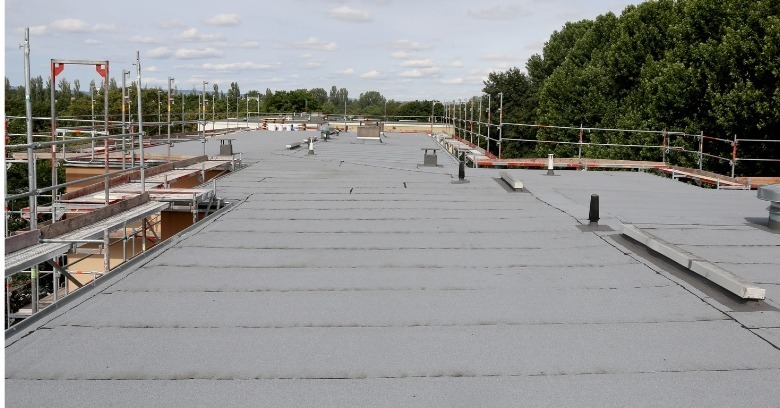
Customers, goods and running machines fill the space beneath the covering, and seepage can empty an aisle or stall a packing station. Wide commercial buildings carry a top surface that is nearly flat, so outlet sizes and wind design come from engineering figures.
Package units, vent stacks and dishes are bolted in place above the ceiling, and each duct, line or support passes through the waterproofing. The work done below decides which assembly suits, because a bakery and a document archive ask for different things.
Membrane Families – Names Decoded
A single-ply job uses one layer of TPO, PVC or EPDM, modified bitumen is asphalt blended with polymer and rolled out, and built-up roofing piles felt and tar ply on ply. Thermoplastic seams are welded with heated air, whereas rubber splices rely on primer and adhesive tape.
Restaurant hoods blow grease out beside the fans, and oily buildup degrades asphalt and EPDM coverings, so PVC is a common pick for the spot. A stone-covered built-up system is weighty and tough, and the aggregate shields the bitumen from sunlight.
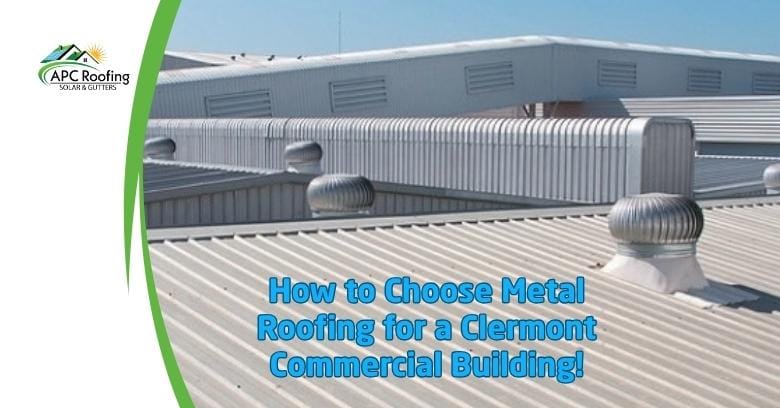
Metal Panels on Business Buildings: Where Trouble Shows
Some profiles are held down by screws driven through the flat of each sheet, and the threads bite into the purlins beneath. Rubber washers under the heads harden and crack in the sun, and daily heating and cooling gradually loosen the fasteners.
A standing-seam roof is held by clips folded into the ribs, and the hardware lets each pan travel. Corrosion sets in at side laps and sawn ends, and a retrofit coating can give sound metal more years of service.
The Supporting Deck – Why the Base Counts
How the system is held down is set by the structure under the insulation, and the framing normally stays through every reroof. Steel with flutes holds screws securely, a poured slab gets adhesive or anchors in bored holes, and wood planking takes ring-shank nails or plates.
Years of dampness can corrode metal decking in patches, and a weak area gets a new panel before anything goes on top. The underside can be viewed from below where no ceiling blocks the view, and small cores from above show the rest.
Securing the Field – Pros and Cons
A fastened install uses plates and screws in the overlaps, glued-down systems rely on adhesive over the entire back, and ballasted sheets stay put under a blanket of stone. Deck type, building height and wind exposure point to the right method, and a heavy design goes ahead only once the framing is confirmed adequate.
Between the plates, a fastened sheet balloons in stiff gusts, whereas a glued sheet holds steady on a clean, dry substrate. A ballasted layout turns inspection into a slow job, because the stone or pavers must be moved aside to expose a seam.
Wind Forces Overhead: What Codes Expect
Corners take the strongest suction, because swirling eddies form where the air crosses the perimeter. Along the sides, a narrower band sees a little less, and the open middle is loaded more gently.
More plates per square foot go in at corners and edges, and published wind tables fix the spacing for each height. Skimping on anchors at the outside angle lets the covering pry loose, and air forced underneath keeps widening the opening.
Foam Insulation: More Than Warmth
Polyiso is set on the deck in one or more courses, and a firm cover board spreads concentrated weight. The layer cuts energy use across the building, and tapered pieces create the fall that sends rain to the outlets.
Wet polyiso loses much of the R-value, and the soggy material sags while rust spreads beneath. Meter readings confirmed by cut cores trace the extent, and any spoiled patch is replaced, never roofed over.
Outlets on a Big Building: Clogs and Standing Water
A domed strainer sits over every interior sump, so debris stays out of the leader below. Silt plastered over the grate cuts the flow to a dribble, and a pond spreads across the field.
An overflow scupper sits a little higher than the main drain, so a gush at the upper spout means the normal path is shut. Standing water loads the frame with weight beyond the design, and a puddle still there two days after a storm indicates a sag or a matted strainer.
Following Water Back to the Entry Point: Why Care Pays
A stained ceiling tile marks only where the drops fell, yet the defect up top may be dozens of feet distant. The valleys in a steel deck steer seepage lengthwise, and joints between foam panels open more paths.
The roofer works uphill of the stain along laps, curbs and outlets, and an electronic scan can pinpoint a hidden leak. Repairs aimed at the spot directly over the drip tend to miss, and the next downpour sends water through again.
Cabinets and Condensate – Practical Notes
Every heavy machine rests on a curb built up from the deck, and the covering turns up the sides beneath metal counterflashing. Inside corners need preformed pieces or patient detailing, and any open seam lets rain get behind.
A replacement condenser frequently arrives on an adapter curb nobody flashes, and the ceiling underneath begins to spot. A trickle from a condensate pipe wears a streak of slime into the membrane, so the stream ought to be carried to a drain.
Smaller Openings: Handled Case by Case
Each round stack wears a prefabricated boot with a clamp, while awkward profiles are boxed in a pitch pocket and packed with filler. Sun and seasons shrink the compound until cracks open, and a top-up is standard upkeep.
Gas lines and conduit are meant to float on movable supports, since a bracket screwed through the covering becomes a leak. Pads cut from spare roofing stock go under each base, so heat and vibration scuff the buffer instead of the membrane.
Hinged Covers Up Top: Common Faults
Acrylic panes yellow and turn fragile after years of sun, and hairline breaks radiate from each fastener. A shrunken gasket or a separated miter lets water through, and the drip is often charged to the covering.
Every trip up the ladder means lifting the hatch cover, and hinges, springs and weatherstrip wear from constant opening. Automatic smoke vents must deploy when heat melts a link, so work nearby leaves every mechanism free.
Masonry Above the Roofline – Getting the Details Right
The membrane turns up the vertical face as base flashing, a termination bar clamps the upper end, and counterflashing hangs down to shield the fastened line. A coping cap spans the crest to push rain aside, yet a single open butt joint sends runoff downward.
Brick and block soak up a long downpour, and the ceiling stain that follows mimics a membrane problem. An inspection covers the coping, the counterflashing and the wall as well as the membrane, and a gap in the mortar is repointed, never just caulked.
Metal Trim Where the Field Ends: What to Inspect
The folded hem of the flange hooks over a cleat on the nailer, and a cover strip ties the sheet to the upper face. Codes want perimeter pieces that pass uplift testing for the site, and an underrated section can let go in a gale.
Gutters along a long eave take a huge volume in a storm, and skimpy hangers or leaders lead to overflow and sagging. Dented or lifting trim counts as a repair item, and fastening down loose runs helps stop the membrane peeling away.
Visitors Who Are Not Roofers – Guarding the Surface
Refrigeration and heating crews climb up to the equipment month after month, so a scuffed trail builds along the usual line. A forgotten screw is stepped straight into the covering, and a toolbox dragged across the top tears the surface.
Thick rubberized pads trace a safe path to each unit, and grinding hits dense material instead of the field. Property managers can ask each contractor to keep off bare membrane, and nobody should leave scraps or screws behind.
Planned Care for a Membrane: Timing and Tasks
A walk-through twice annually suits most commercial coverings, with an added check after any violent storm. Routine care lifts and empties each strainer, a probe is drawn along each lap, and sealant at pockets and terminations is pressed for give.
A walk before the stormy months concentrates on outlets and the perimeter, and a return after rough weather finds what shifted. Little defects go into a log, each tied to a spot on the plan, and trouble shows up long before water comes through.
Paperwork Worth Keeping: What Belongs in the File
A marked-up plan locates every unit, drain and hatch, and the assembly is described from the structure to the membrane. Dated photographs of each repair go in alongside, and cut samples and infrared findings get appended.
Plenty of older buildings arrive with no history at all, and each roofer who climbs up has to investigate afresh. Documentation stays with the building, so a later buyer or manager starts out informed.
Mend, Coat or Start Over: The Main Signals
Isolated defects on an otherwise healthy membrane call for patches, while a tired but dry surface can carry a silicone or acrylic layer. Extensive saturated boards make the job a replacement, and so do seams that crack wherever flexed, while a date on the calendar decides little.
Pressure washing and repairs have to precede the coating, and over damp material the new layer only seals the trouble in. Swapping only the ruined sections is sometimes a sensible middle course, if the rest of the sheet remains in good shape.
Planning a Reroof: What Codes Allow
A recover puts a fresh membrane over the current roof, and a separation board is laid in between. Codes permit an overlay on a single existing covering, and the foam underneath must be dry.
A tear-off removes every component down to the structure, and damaged sections of deck are mended while exposed. Tapered insulation installed at the same time can reduce chronic puddling, and saddles between drains steer water sideways.
Things to Flag – Reasons to Call
- Splashing from the upper overflow opening, which betrays a choked everyday outlet.
- A brown ring overhead that widens with each downpour, which reveals the foam above is getting soaked.
- Dark streaks running down the outside wall below a scupper, which can come from open joints up top.
- Fascia metal that flutters or rattles in a gust, which can hand a gale a lever.
- Standing water in the same place long after a downpour, which may reflect a depression or a sluggish drain.
- A skylight dome gone cloudy or crazed, which may give way under a misstep.
- Rust spots spreading on the underside of a steel deck, which shows a leak traveling inside the assembly.
- Water spilling over the lip of an eave gutter, which can send runoff behind the fascia.
How APC Roofing Approaches Commercial Roofing Installation in Kansas City Missouri – Our Sequence
We begin with every drain, scupper and overflow, and the seams, curbs and edges are next in line. A leak brings a moisture survey of the insulation, because saturation below changes the answer.
What we see is set down in writing, photographs and a drawing included, and each item carries a location note. Our advice names a repair, a restoration or a new system, and each reason is spelled out for the owner.
Commercial Roofing Installation Throughout Kansas City Missouri: Plan the Next Step
Phone 913-398-5020 and we will schedule a time to come out.
Keeping Tenants in Mind – Planning Together
Power fastening through steel echoes through the space beneath, and solvent smells from adhesives can be drawn into the ventilation. The facility manager hears in advance when the noisy stage is coming, and outside-air vents next to the work can be sealed for the day.
Old membrane and foam are lowered by hoist or dropped through a covered chute, and shelving or machinery directly below can be tarped. Solvent adhesives carry a strong smell that water-based products lack, so gentle formulas are often specified above working space.
Sequencing a Big Replacement – Order and Timing
The amount torn off is capped by what can be dried in by nightfall, and the bare deck gets new boards and membrane promptly. A temporary tie-in joins the finished work to the existing covering overnight, and the extra piece is sliced off the next morning.
The forecast sets how much covering comes off, and a front on the way shrinks the stretch. A sudden soaking ruins exposed insulation, and drips can fall on whatever sits underneath.
Seasons and Storms: Planning Locally
Toward the colder end of our territory, hail and heavy snow both figure in, so a resilient top board and stronger framing are called for. Across all the towns we serve, UV and high temperatures age a membrane, and a white reflective surface cuts the warmth absorbed.
The coastal end of our territory demands fastening designed around hurricane gusts, and torrential rain makes backup outlets essential. Glues and primers carry a temperature floor, but heat-welded seams tolerate chilly air as long as the deck is dry.
Staying Safe Aloft: Practical Precautions
A perimeter without a tall parapet leaves an open drop, and anyone close to the edge wears a harness tied to an anchor. A dome breaks through easily under a misplaced step, and fixed screens rule out a plunge into the space below.
Permanent anchors help everyone who services the units, and a self-closing safety gate beside the hatch adds a barrier. Where a screen or warning line is missing, our findings say so, since a fall from even a single story can cause serious injury.
For help with Commercial Roofing Installation in Kansas City Missouri, speak with APC Roofing at 913-398-5020. A roofer will walk the membrane, the drains and the perimeter, and written findings follow, with the choice left to you.
Verified

Verified