Thinking About Metal Roofing Here in Kansas City Metro Area?
APC Roofing works on ribbed sheet and concealed-clip panels alike, for houses as well as workshops and barns.
Call us at 913-398-5020 and someone who knows the trade will come out to take a look.
Telling Systems Apart: Clues From Below
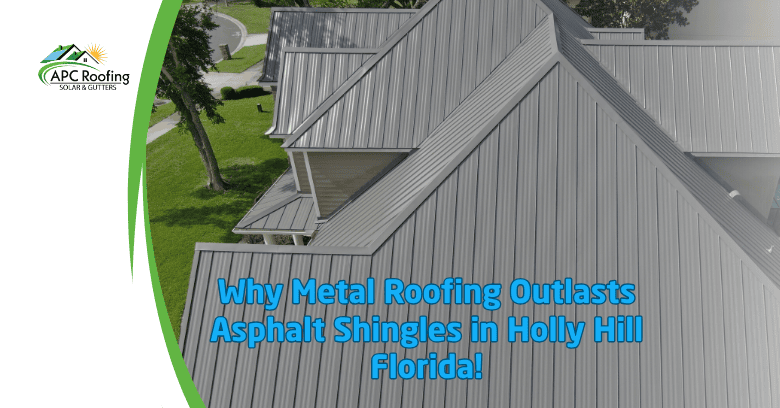
Exposed-fastener roofing is pinned by screws passing through every panel, while standing seam is clipped down beneath upright folds. On homes the metal is usually coated steel, and aluminum or copper appears now and then.
From a driveway, lines of screw heads across the panels mark a through-fastened roof, and uninterrupted pans separated by raised folds mean standing seam. Farm buildings and garages commonly have ribbed or wavy sheet, while residences take either style.
Shapes Rolled Into Steel – Reach Between Supports
A corrugated sheet curves up and down in regular round waves, and a ribbed panel has trapezoid ribs separated by broad pans. Neighboring sheets overlap at a side edge by a single crest, and a printed fastening schedule sets where screws land.
A ribbed profile stands up to flexing and can bridge wider gaps, and corrugated suits older buildings and a farmhouse look. A tall rib keeps heavy rain inside a channel on a broad roof plane, and a shallow pattern is plenty for a small porch or shed.
Exposed Hardware: Every Detail Counts
A single screw pins the metal firmly to framing below, and a sealing washer beneath each head closes a drilled hole. Years of sun and heat stiffen synthetic rubber until cracks form, long before the painted metal gives out.
Too much torque flattens a washer at once, and a slack or crooked fastener leaks on one side.
Fresh Fasteners: Worth Doing, With Limits
Every washer across a ribbed or corrugated field weathers at the same rate, so eventually a full new set of seals is needed. Old fasteners are backed out one at a time, and a wider replacement goes back in where threads can still find purchase.
Re-fastening stops water at every head and holds down sheets that lift, but red rust, gaping laps and cracked flashing need other remedies. Replacements are chosen for whatever framing lies underneath, lumber or steel, and a painted cap keeps new work inconspicuous.
A Covering in Motion – Built to Allow Travel
A steel sheet grows in afternoon heat and shrinks back by dawn, and a forty-foot run can shift a quarter inch or more, while aluminum goes about double. Metal screwed down with no give wears each hole into an oval, and seals start to fail.
Snapping sounds at sunrise come from panels shifting against clips, and a roof built with slack is unharmed.
Attachment Beneath Folded Seams – Laid in Sequence
One short stretch of every long pan is pinned tight, and floating clips everywhere else let the pan glide. Trim at an unanchored end leaves a gap for travel, and rigid fastening over a big pan shears or wrinkles the metal.
As a pan is laid, clips are driven into the deck along one leg, so each new pan conceals all hardware below.
Closing a Seam – Wind and Water
A snap-together rib engages when an installer presses down, and heavier-duty versions are folded over by a motorized tool. A double-lock seam holds far better against strong gusts and standing water, and approvals extend to flatter roofs.
Widths between ribs and the height of each rib differ by line, and a home's design and a buyer's taste guide selection. Accessories such as clips and closures fit a single system, so a repair calls for knowing exactly which panel is up there.
How Much Material Is Up There: Barn or Residence
Steel is described by gauge rather than inches, and higher numbers mean thinner sheet. Outbuildings commonly get twenty-nine, and residential work leans on twenty-six and twenty-four.
Aluminum is specified in thousandths of an inch instead, and in both cases a heftier panel stays straighter and tougher. Different grades look identical once installed, so printed product data gives a firm answer.
Surface Protection: What Lasts
Raw steel is galvanized, or given an aluminum-zinc treatment, before shipping, and a baked primer goes on before a color coat. Paint scuffed but not broken through is fine, but a sheared edge exposes steel that will corrode.
PVDF finishes hold color for decades, but silicone-modified polyester goes dull and powdery earlier. Lime in fresh concrete eats into an aluminum-zinc layer, so metal and new brick are kept apart.
Weighing Options: Near the Water
Aluminum carries less weight and does not redden, but a dropped tool or a falling branch dents a soft sheet sooner. Beside salt water at the coastal end of our range, protective layers wear away faster, and makers restrict certain products near surf.
Copper is usually kept to small accent roofs over a bay or a porch, and with nothing applied, color shifts over the years.
Galvanic Trouble – Matching or Separating
Copper upslope of a steel covering sends corrosive runoff over the panels, and a stain shows up before a leak does. Aluminum on pressure-treated boards turns white and pits, and fasteners of an unsuited metal leave a ring of damage.
Flashing added later should match whatever metal is already installed, or tape and membrane keep dissimilar metals from meeting.
A Matter of Taste – Surface, Not Structure
What the trade calls oil canning is a mild wave in a flat pan, and faint hollows show at sunrise and fade by noon. An irregular-looking finish keeps weather out just as well, and service life is unaffected.
Narrow pans, heavier stock and striated flats hold waves back, and an even deck beneath helps as well. Images of real houses show oil canning from obvious to barely there, and you decide what to order.
Inside the House – Sound and Temperature
A racket many recall comes from sheet over open framing, because a single thin skin vibrates freely. Residential metal goes over plywood and underlayment, with insulation above each ceiling, and indoors most people hear little more than on shingles.
Cool-pigment coatings return the bulk of the sunshine, and the attic takes in far less. Dark metal heats up like any black roof on a clear day, and venting and insulation under the deck do as much for comfort as color. Thin steel cools off right after dusk, and the attic eases off soon afterward.
Holding a Load Up There: Position Matters
In the snowier part of our service area, a metal roof sheds snow fast, and a slab arriving all at once can injure someone or rip a gutter off. Stops attached to the metal let a load leave slowly, and hardware sits over entries, paths and meters.
Brackets on standing seam bite an upright fold, not a flat, whereas on corrugated sheet, mounts go into solid wood with gasketed fasteners, and where snowfall is rare, nothing is added.
Storm Marks: What a Hit Can Open
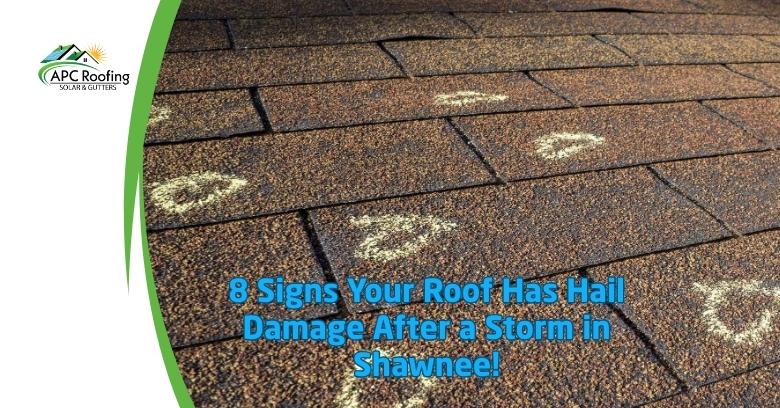
Hail is common across the colder end of our territory, and panels with an impact rating are an option. A sharp blow that chips a color coat leaves metal bare to weather, and a flattened rib or a shifted cap can leak.
After any storm, each affected area is photographed and measured, so the size and position of each dent are known.
Resisting Uplift – Rated Assemblies
Corners and borders see heavy suction, an open field much less, and air that gets under a loose edge can peel a sheet back. Finish trim is hemmed and caught on a cleat, leaving nothing for a storm to seize.
Spacing shrinks where loads climb, at corners and a rim, set by a maker's tested layout for each exposure. At the coastal end of our territory, hurricane country asks for more holding power still, and only systems with a high wind rating qualify.
Penetrations – Flashing Done Right
A flexible boot is formed around every rib and banded tight to a pipe, and a flat location lets a flange bed down evenly. Square penetrations take a curb and a cricket on a high side, and water from higher up is divided and sent past.
A bead of sealant supports a properly formed detail rather than working alone, because a compound shrinks and pulls away with time.
Meeting Planes – No Screws in the Water
Valley metal is laid before a single panel, and panels are trimmed on a diagonal to match. Every raw end is turned under and caught by a cleat, and no screw goes through any path where water flows.
On a run too long for one sheet, an endlap joins pieces with sealant between, and screws pass through both thicknesses, upper over lower.
Limits Near Flat – When a Membrane Wins
Corrugated and ribbed sheet usually needs around three inches of rise in every foot, and on a gentler slope, overlaps start to let water through. Standing seam with double-locked joints goes much lower, and a few products go almost to flat.
Porches, additions and back rooms often carry a barely tilted section, and each incline is measured on site, and a part too low for any panel gets a membrane instead.
Support for the Roof: Checked on a Tear-Off
A home gets metal over a continuous plywood or OSB deck, and a synthetic sheet rated for heat is sandwiched between, because old felt bakes and sticks under hot steel. Pole buildings commonly have metal spanning between purlins with air below, so wider gaps call for thicker steel.
On a tear-off, soft or rotted boards are cut out and replaced, as fasteners driven into mush pull straight out.
When the Old Roof Stays: What Has to Be True
Panels can often go on top of one shingle layer where code permits, so waste is kept out of a landfill. Sheet steel is light, at well under two pounds a square foot, so most framing takes extra weight without reinforcement. Furring strips and a new underlayment go down over existing shingles, and panels are fastened through into sound wood.
Soft spots, old leak stains in the attic or a second layer rule out an overlay, because moisture trapped under new metal keeps doing damage.
Perimeter Details: All Around
Closures matching a panel shape stop up hollows under each rib at both extremes, and rain, insects and birds cannot get under the panels. A ridge piece either breathes or is left solid, as existing ventilation requires.
A drip edge along an eave and trim on each rake complete a border, and water falls clear of fascia instead of running behind.
Care With the Metal: Handling and Footing
A seamed panel comes off a forming machine cut to the length of a run, and nothing overlaps partway up. A long panel calls for several people spaced along the metal, and a kinked pan is not usable.
Feet go in a flat where something solid lies below, since a heel on a rib crushes a fold. Moisture turns a painted panel into a slide, so owners do better keeping off the roof.
What Homeowners Can Spot: Without Climbing Up
- Brown rings at fastener heads, on a slope facing afternoon sun.
- Screws backed out of holes, by a peak.
- Edge metal curled back, after a windstorm.
- A pipe collar tipped to one side, close to a ridge.
- Red streaks at a raw end, in a valley.
- Color gone patchy, on one panel more than on panels nearby.
- Spots on a ceiling in a row, over a closet.
- A lap that has separated, above a gutter.
APC Roofing and Metal Roofing in Kansas City Metro Area: Order of Work
We start by identifying which panel type is installed and how the panels are held, followed by every screw or clip, edge, boot, valley and lap. Panel grade, paint and hardware are recorded, and the attic is searched for water marks.
Every finding goes into a report with images, and a reason sits beside every recommendation. If new fasteners are enough, that is what we suggest, and a roof at the end of service life is named as such.
Metal Roofing Across Kansas City Metro Area – Straight Answers
Call us at 913-398-5020 and we will pick a time together for a visit.
Deciding on Scope: Guided by Evidence
One badly damaged sheet can be swapped alone, though new metal looks brighter than weathered neighbors. A new pipe boot or a resealed lap ends a local drip, while re-fastening cures aged washers.
Widespread perforation puts replacement on the table, and a covering the wind has twisted out of shape is in the same position. Somewhere in between, a single worn plane of the roof can be redone, when harm is local.
Planning Ahead – Exposed Screws Versus Hidden Clips
A carefully installed panel system can pass forty years, but estimates of service are a rough guide only. Standing seam asks for less attention, with no hardware exposed, whereas exposed-fastener sheet needs a re-screw partway through.
Galvanic contact, unfinished cuts and caulk in place of flashing hasten replacement, and a periodic look finds problems while minor. Leaves and twigs that collect against a curb or in a valley hold moisture against coated steel, so clearing debris away helps paint last.
When you are weighing Metal Roofing in Kansas City Metro Area, phone APC Roofing at 913-398-5020. We will inspect all hardware, every edge and each penetration, and a written summary lays out what we saw so you can choose.