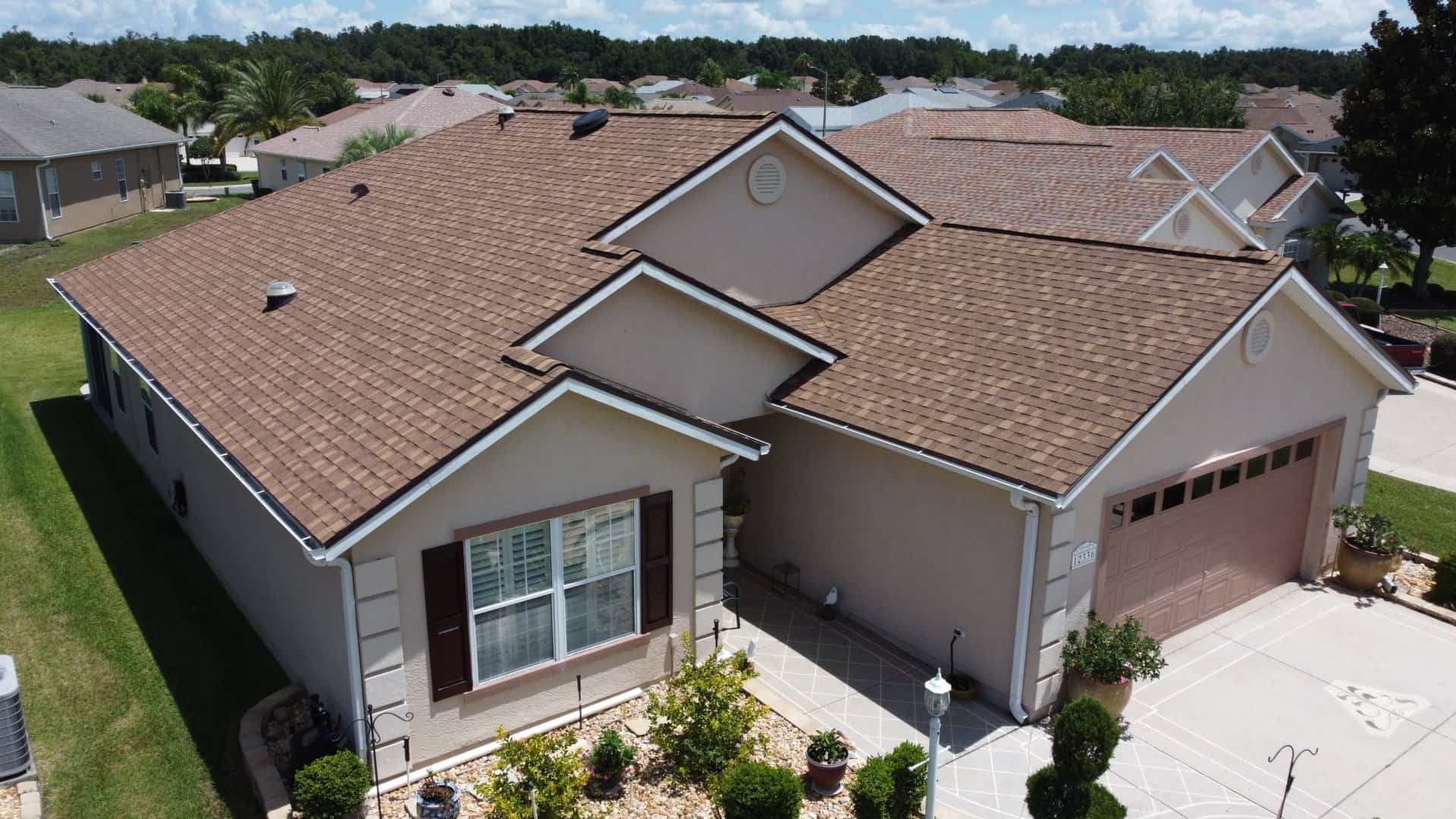
Need Residential Roofing in Holly Hill Florida?

APC Roofing takes on jobs ranging from a basic checkup to a full replacement, on shingle, metal and tile alike.

Reach us at 386-356-2111, and a roofer heads out for a look at the house.


What a Roof Is Made Of: What Holds a House Together

The surface a passerby notices is only the outer layer, and a moisture barrier, sheathing and framing sit underneath. Metal flashing seals the seam at a wall, a pipe or a valley, and a leak at that spot rarely points to failed shingles nearby.

Ventilation in the attic ranks as one more working part of the roof, since trapped summer heat bakes the deck from underneath. Water showing indoors may come from any level of the structure, and a fix aimed only at the outer surface can leave the real source untouched.

What a Roof Does for a House: Quiet but Constant

Gravity and overlap send each shower to the ground, and the nailing keeps gusts from lifting the courses. Beams and boards carry the mass overhead, snow included at the colder end of our territory, and openings low and high let moisture escape the attic.

Water is the covering's job, and wind is the fastening's task, while gravity's pull goes to what is underneath. A weak link puts strain on the parts around the weak spot, and a lasting fix reaches back to where the fault began.

Small Parts of a Roof System: What Falls Behind First

A field of sound shingles can go for decades, but the flexible seal around a stack splits well before the shingles do. A path opens for water to travel down into the house, and paint bubbles on the ceiling below.

Caulk along a wall joint hardens and pulls away in the heat, and aluminum flashing pits at the bends in salt air. Ridge caps split across the crease, as nothing shelters the peak from gusts and glare.

What Appears Early: a Two-Step Read

At a distance, the outline of the roof gives away dips, sags and wavy planes, and the eave boards and downspouts can be sized up as well. Through binoculars, torn collars, lifted tabs and bare patches come into focus, but soft decking can only be felt from up close.

Out on the roof, a roofer presses on every connector and follows each run of flashing, and the surface is checked for cracking, granule shedding and curled edges. Wet shingles and sharp pitches rule out getting up there safely, and the eave line, reached by ladder, becomes the vantage point.

Inside the Attic: a Homeowner's Tour

A stained patch on the plywood shows water that got in before, and a wet surface under the hand means water is still getting in. A pinpoint of sky through the boards marks a gap, and the distance from the ridge and gable gets measured so the spot can be found outside.

Nail points gone orange signal damp air, not a leak, and a darkened patch under the deck tells the same story. Insulation stuffed into the eaves, or a bath fan ducted into the attic instead of outside, gets found only from inside, so a look from the yard alone misses ventilation faults of that kind.

The Paper That Follows: Kept for Reference

A record of the visit takes the form of photographs keyed to spots on the roof, and a line of text says what each image shows. Solid sections are treated in the same plain language as sections that are not, and problem areas are ranked by urgency.

A record saved from an earlier check sets a baseline for the next inspection, and change over time is easier to judge than condition on a single day. A roof checked on a steady yearly cycle seldom surprises the owner, and the signs of a major repair appear well before the job becomes pressing.

Keeping a Shingle Roof in Shape: the Basic List

Worn boots around the stacks get exchanged for new ones, and the joints at each flue get resealed. Needles and leaves get cleared from valleys and from behind chimneys, and the gutters get kept running and secured.

A loose piece fastened back promptly stays a minor task, but delay through a wet season can let water reach the ceiling below. A mat of moss holds water along the lower edges, and the growth gets killed with a treatment and swept off by hand.

A Simple Habit Worth Building: a Homeowner's Part

A roofer should walk the roof once a year, timed for the point when local weather turns roughest. The point is finding small faults before a leak forms, and the homeowner learns roughly how much life the covering has left.

Following a storm, a walk around the house with eyes on the roof is a good habit, and any new mark on an upstairs ceiling is worth noting. A few minutes under the deck with a lamp each season pay off: soft wood, tiny bright spots and soggy insulation surface long before anything reaches the space below.

Reading a Roof's Age: From New to Worn

Freshly laid, a shingle covering is flat and evenly toned, and approaching midlife the sunniest side fades before the rest. Late in a roof's run, tabs cup and granules wash into the downspouts, and repairs stop holding.

An appraisal from the yard supplies a decent guide, but only a hands-on check settles the matter. When shingles are exhausted, the candid conversation turns to replacement, and a straightforward contractor says so directly, instead of selling one more fix.

The Channel at the Bottom: What Homeowners Should Know

The covering carries runoff only to the lower edge, and the gutter line handles the flow after that. A clogged or sagging channel pushes water back behind the fascia, and the material there softens over time.

A give in that spot points more often to a backup than a shingle problem, and a fresh covering does nothing for a fault at the edge. The direction of fall along each gutter gets checked, together with the outlets, and the metal at the drip edge gets looked over for gaps and poor overlap.

A Two-Way Exchange: Why the Details Matter

Cooler air should enter through the soffit and rise out at the ridge, and the draft clears warmth and humidity from under the sheathing. When that gets blocked, the attic overheats in summer and stays muggy through humid months, and the deck and shingles suffer early.

A powered fan with too little inlet area draws cooled air through the ceiling, and one high point pulling toward a nearby high point can choke flow at the soffits. A roof placed over bad ventilation inherits an existing weakness, so a proper replacement addresses the same issue at the same time.

What Gets Chosen and Why: How Choices Differ

Toward the colder end of our territory, frozen gutters and heavy snow set the priorities, and a waterproof membrane covers the bottom few feet of deck. At the coast, uplift decides the fastening pattern, and wind-rated materials and sealed flashing go into the plan.

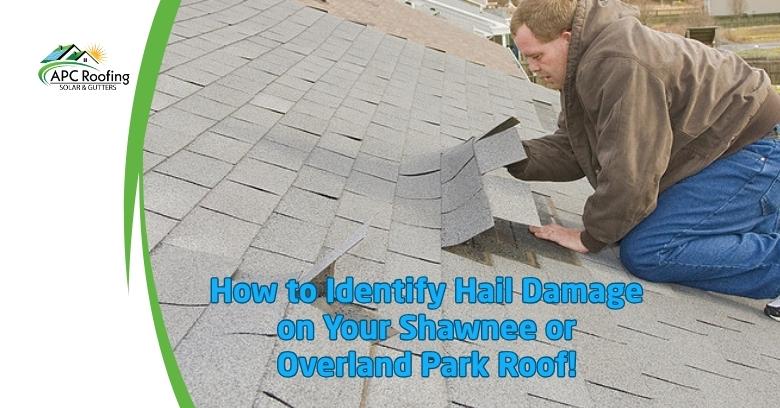
Across the hail belt at the colder end of our territory, impact ratings matter, while intense sun dries out asphalt everywhere we work. What goes on a given roof depends on local conditions, not routine, and not whatever a past project called for.

Residential and Commercial Roofs: Different Structures Entirely

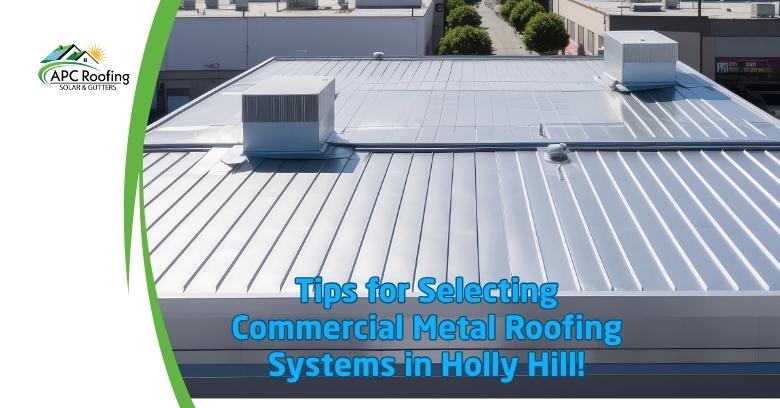
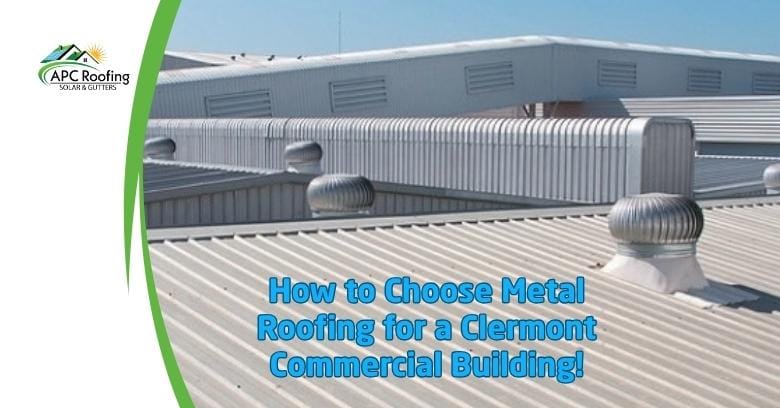
A sloped covering sheds rain by lap, and the material is commonly shingle, tile or metal panels. A business roof relies on one continuous sealed sheet, and internal drains and heating units share space on that roof.

Plenty of residences include a shallow section over an addition, and shingles in that spot often leak because runoff moves too slowly. A spot like that needs a welded or adhered membrane, laced under the pitched covering above, and re-laying shingles there repeats the same fault.

Protecting a Damaged Roof for Now: Done the Right Way

A barrier keeps rain off a hole before repairs begin, but the trouble below stays untouched. A cover done right crosses the ridge and gets screwed down through battens, and the material gets pulled taut so wind cannot get behind the edge.

A sheet cut too small leaves the edges of the opening exposed, because rain travels sideways toward a gap that stops short. Film left in place for months holds heat and humidity against the deck, and the material underneath weakens over time.

Where the Roof Changes Direction: an Explanation

Along a wall, one bent piece of metal goes in under every course, and a cap of counterflashing laps down from above. Every chimney needs an apron at the front and metal carried up across each edge, and a broad stack gets a diverter built into the roof behind.

A smear of mastic over a bad patch opens up within a few seasons, so a rebuilt detail is the only answer that lasts. A failing chimney crown lets moisture into the stack above the roofline, and some leaks like that need a mason as well as a roofer.

Getting the Scope in Writing: What to Look For

A clear plan identifies every material, from the shingle to the metal, by name, and the document states whether the current layer stays or goes. A dated form covers what happens if rotten boards turn up, and the flashing, the exhaust work and the final cleanup all get covered.

Two written proposals can be compared line by line, and any gap between the two versions stands out. A roofer who will not put the plan down leaves the owner guessing, because nobody can confirm later what got said.

How a Re-Roof Unfolds: the Basic Sequence

Anything near the eaves that could get damaged gets protected ahead of time, and the old shingles get pulled off in pieces. The bare deck gets checked plane by plane once the old covering is off, and any spongy spot gets swapped for new stock.

A water-resistant membrane, fresh flashing and ice protection get installed next, and shingles or panels, capped at the ridge, complete the installation. The yard and drive get a magnetic sweep before the crew leaves, and a last look confirms the gutters are clear.

Upkeep on Other Coverings: What Differs by Material

Exposed-fastener metal panels seal at a rubber gasket under every fastener, and a worn spot gets cured with a new screw rather than caulk. Tile in our markets gets set by several methods, including mortar, foam adhesive and mechanical clips, and the real water barrier is the underlayment, not the surface material.

A foot planted wrong breaks off a piece, and a damaged unit gets lifted out and replaced with one of the same profile. Flat sections show trouble as standing water and raised seams, and grit and leaves get cleared from the scuppers.

What Owners Tend to Notice: Caught Early

  • Granules collecting in the gutters, in amounts that keep returning each season.
  • Shingle edges cupping upward, most visible on the sunniest slope.
  • A hardened gasket at a stack, easy to spot with binoculars.
  • Paint blistering overhead after a storm, still visible once dry.
  • Daylight through the attic boards, on a sunny afternoon.
  • Moss on a shaded slope, pushing up the lower edges of the shingles.
  • A bulge that catches the light at dusk, visible against the sky.
  • Sealant pulling away at a wall, easy to spot from the yard.

Residential Roofing Across Holly Hill Florida: What APC Roofing Does

Before any recommendation gets made, a roofer walks the whole covering and checks the attic, and what turns up gets delivered as pictures along with a written explanation. Good sections get the same plain treatment as problem areas, and the next step is left to the homeowner.

Residential Roofing Across Holly Hill Florida: a Close Look at the Roof

Dial 386-356-2111 and set a time for a visit.


Documentation for the Roof: A Short List

Writing down the installation date and the materials used is a smart habit, and each report from a follow-up visit joins the same file. Tallying each repair, the location and the method, keeps things complete, and a decade on, the trend stands out clearly.

A buyer's home inspector almost always asks about the roof's history, and dated records answer all that better than memory ever could. A duplicate set, saved to a phone or a drive, is worth making, since paper can be damaged or destroyed over the years.

Judging the Result: a Homeowner's Guide

The field reads as straight bands, with crisp cuts where each slope ends, and every fastener stays hidden under the shingle above. Around chimneys and dormers, the flashing gets replaced rather than reused, and any sealant appears sparing and neat.

The attic keeps intake and exhaust moving after the job, and the gutter runs finish straight and fastened. The yard gets swept with a magnet before the crew leaves, and a quick hose-down removes the last of the sawdust from a walkway.

Anyone weighing choices for Residential Roofing in Holly Hill Florida is closer to an answer than a listings page ever gives. Contacting APC Roofing at 386-356-2111 gets a date on the calendar. Every stop takes in the whole roof, not just the part in question, with no loose ends left over.


Elaine Lee

Verified

★★★★★
I couldn’t be more pleased with the work done by APC Roofing. From start To finish, They were very professional, reliable, Incredibly efficient. The team Showed up on time, communicated clearly throughout the process, and completed the job exactly as promised. The quality of their work is outstanding. My roof looks great, and I feel confident, knowing it was done by such a skilled and trustworthy crew. They cleaned up everything throughly after the job was done, leaving no mess behind. It’s not often you come across a company that combines craftsmanship, integrity, and top-notch Customer Service, but this roofing company nailed it. I highly recommend them to anyone needing roofing work. They truly went above and beyond I’m grateful and thankful for Mike helping me through this process.

Glenn MacKinnon

Verified

★★★★★
APC Roofing did a great job replacing our roof damaged by Hurricane Helene. Our initial contact was with Anthony Fontan, sales rep/roofing expert who helped us successfully navigate the insurance claim and all actions necessary to have our roof replaced quickly. Anthony coordinated temporary repairs on the day after the hurricane. He always provided timely responses to our questions. Work to replace the roof started on schedule and was finished in two days. Site cleanup was well done and the end result exceeded our expectations. We would not hesitate to recommend APC to replace your roof. Make sure to ask for Anthony Fontan

bill lewin

Verified

★★★★★
Anthony was a great advisor and kept us informed during the process. I recommend APC and Anthony. Great job

Michael May

Verified

★★★★★
APC roofing installed a metal roof on my house. I'm highly pleased with communication, workmanship and crew. A real easy experience. The roof looks perfect and should last a lifetime.. Alan kept me posted through all the phases of process and made many options available. Want a quality roof and caring service ask for Alan.

Katty garcia

Verified

★★★★★
Good job!