Planning Shingle Roof Installation Anywhere in Greater Orlando Metro Area?
APC Roofing lays new courses of strip and laminated products, from a small cottage to a large two-story house.
Reach us at 407-270-1129 and you will hear in plain terms what is needed.
Components and Construction: The Makeup Explained
Each shingle is built on a fiberglass mat for strength, and asphalt spread over the sheet stops water, and a layer of granules on top screens out ultraviolet light.
Seemingly similar products often follow very different recipes, and more heft commonly lets a covering weather more summers. A display board reveals the shade and little else, but the manufacturer's printed sheet gives the test results.
Choosing a Profile: The Practical Contrast
The three-tab type is a single sheet notched twice along the bottom, so the surface shows neat uniform lines. An architectural shingle has an irregular top ply fused to a whole base, and the staggered outline throws shadows that suggest depth.
Thicker double-layer shingles weigh more across a slope, and a higher wind rating typically comes along. A dimensional shingle is nailed through its double-thickness strip, and the maker marks the correct spot on each piece.
Keeping the Traditional Look – A Smaller Selection
Three-tab commonly goes on a shed, a carport or a covered porch, and a patch can match the rest of an older house. Several makers now offer that style in fewer colors than before, and discontinued hues cannot be ordered at all.
Uneven plywood is less noticeable under a dimensional product, while a thin strip follows every undulation. Either style is laid over identical underlayment and metal details, while the shingle alone sets the two apart.
The Granule Surface: New Versus Worn
Shingles fresh from the bundle drop leftover grains in their opening months, and the amount tapers off quickly. On a covering with many years behind it, drifts of granules at the outlets mean real surface wear, and asphalt left bare hardens and fractures in the heat.
Planes aimed south or west receive the harshest sun, so the damage is usually heaviest on them.
The Factory Sealant Band – Wind Resistance
A shingle comes from the plant with a glue stripe already applied, and on a hot day it softens and grips the row laid over it. An adhered course resists gusts that try to pry up its lower edge, and the nails stay just as essential for as many years as the covering lasts.
At the colder end of our territory, shingles laid in late fall may not seal for weeks, so a windy day can fold back tabs that have not taken hold. The manufacturer's sheet calls for hand-applied cement, and each package shows how much to use and where.
Holding Pieces Down – Frequent Errors
Nails are driven within a slim band set out by the manufacturer, so the shank ties in the row beneath too. The basic schedule calls for four fasteners on each shingle, and six are required on steep slopes or in high-wind areas.
A nail set too high misses the row underneath, an overdriven head cuts into the mat, and a crooked shank makes a bump that wears through the shingle above it. The wind resistance stated on the package depends on the specified pattern, while a bad compressor setting repeats itself on every shot.
Under the Underlayment: Types and Condition
Flat sheets of plywood or OSB make up the deck, since shanks need continuous solid material to stay put. Older houses sometimes keep the gapped boards once used under shakes, and full sheathing is added on top before any shingles.
During a tear-off, weak or water-damaged pieces are swapped for sound ones, since a shank in crumbling fibers cannot hold. Adjacent sheets are spaced slightly apart at their edges, because wood swells in humid weather and buckles without room to move.
Underlayment Basics: Felt or Synthetic
The deck gets a water-resistant membrane before shingles are laid, and it goes down in horizontal runs that lap downhill. Asphalt felt is less common now that synthetic sheet has taken hold, as the modern fabric is tougher and does not ripple after rain.
Rain forced past a loose shingle is shed by the membrane below, though sunlight breaks it down if it stays exposed too long.
Guarding Against Ice Dams: Width That Counts
At the colder end of our territory, snow over heated rooms melts even on a sub-zero day, and meltwater goes solid again where the roof extends past the wall. Standing water behind the buildup finds its way beneath the shingles, and standard felt or synthetic sheet does not close around the nails.
A rubberized self-adhering membrane is laid along the eave where ice dams form, and it is carried upslope far enough to clear the heated part of the house. Everywhere in our territory, it is also a regular choice for valleys and around chimneys, because those junctions carry heavy flow.
Finishing the Borders: Sequence Matters
A bent metal drip edge runs along the eaves and up the rakes, and a flange throws runoff away from the fascia. At the bottom of the roof, the flashing goes beneath the underlayment, but on the gable sides the order reverses.
Current codes in many places make edge metal mandatory along every border of a shingled plane, because runoff can cling and curl back toward the wood.
Groundwork at the Eave: A Common Shortcut
Before any exposed shingles, a starter strip is laid along the bottom, and it places sealant right at the drip line. A reversed field piece puts its sticky band too far up, so nothing but nails holds the lowest border down.
Makers often specify a starter product up the gable sides too, because gusts pry at a roof's perimeter.
Drainage Between Planes – Keeping Nails Clear
An open valley leaves a metal trough visible in the middle, while the closed-cut type runs shingles from one side across and trims the other side along a chalk line. Interlacing rows from each plane suits single-layer products, though dimensional shingles rarely take to it because of their bulk.
Fasteners stay out of the center of the channel, and a waterproof underlayment is laid beneath along the full run. A mat of leaves lodged in a valley traps water and grime, so water starts finding a path under the sides.
Masonry Connections: Water Shedding Order
Every course that meets a wall gets its own folded step flashing, and the exterior finish hangs down across the standing half. Where the eave stops against the house, a kickout diverter goes in, since water left alone tracks into the sheathing.
Around a chimney, step pieces line the sides, an apron covers the front and counterflashing is set into the masonry, and a broad stack calls for a saddle upslope.
Roof Penetrations: Timing a Swap
Standard boots join a flat metal or plastic plate to a rubber sleeve, and the sealing ring stiffens and cracks as it weathers. The top portion of the flange goes under the uphill shingles, so the lower edge sheds onto the shingles beneath.
Neoprene collars regularly fail well before the field shingles do, and a tear-off is the natural time to change every boot.
At the Summit – Fastener Length
Cap shingles close the ridge and each hip, and on a laminated covering the manufacturer supplies a thicker matching version. Tabs sliced out of flat strips are far thinner, and at the colder end of our territory a freeze can open splits along the bend.
The caps often conceal a vent along the peak, so longer fasteners go through it to anchor in the decking.
Attic Airflow: Common Problems
Outside air should come in through vents under the eaves, and a ridge exhaust lets it out. Blown fill crowding the corners can cut off movement, so a baffle in each rafter bay keeps the way clear.
A poorly vented attic turns into an oven under the deck, and moisture from the living areas lingers up there. At the colder end of our territory, frost gathers on exposed nail points on a freezing night, and it drips onto the insulation once the day grows mild. A powered fan or gable vents alongside a ridge vent can scramble the pattern, so the lower part of the space goes stagnant.
Across Our Range: Wind, Sun and Winter
Our service area stretches from high plains to subtropical towns, and each setting wears on asphalt differently. At the coastal end of our territory, hurricanes bring spells of fierce wind, and product sheets set out an enhanced nailing method. Relentless sunshine hardens the binder over the years, while streaks spread faster where the air stays sticky.
At the colder end of our territory, water that seeps into a crack freezes and widens it, while snow cover keeps the eaves cold for weeks at a time.
Frozen Pellets: What a Strike Does
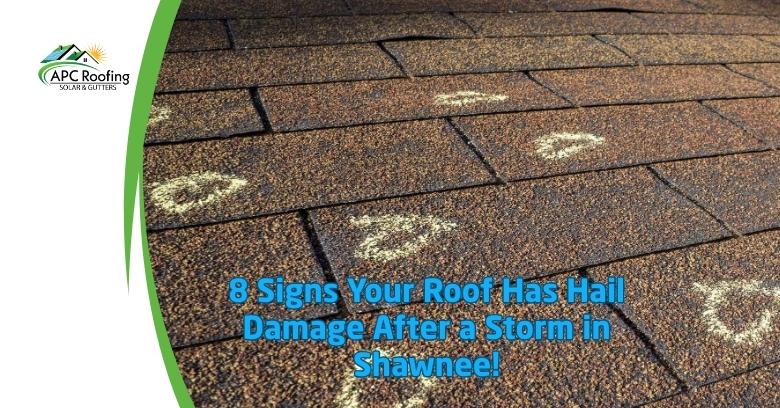
At the colder end of our territory, hail comes through often enough to plan around, and several makers build shingles meant to take the hits. A strike scatters the grit from a small round area, while a sharp jolt can split the mat itself.
Manufacturers earn an impact rating by dropping steel balls onto test panels, and the stronger lines come through in better shape. Certain makers blend a rubbery polymer into the coating, so the surface gives a little under a strike.
Storm Winds: Bare Patches of Sheet
Uplift concentrates at the outer margins and the corners, and a loose shingle rises and slaps back down. A tab flipped over by a gust carries a scar across it afterward, and the break in the mat will not heal. Shingles harmed that way come out and new ones go in, while an unfolded one can be sealed again with roofing cement.
Gaps where tabs tore away expose the membrane to sunlight, and ultraviolet light breaks that layer down quickly.
Growth on the Surface – Copper and Zinc
Algae is what paints the long black marks on many slopes, and it thrives on the limestone mixed into the asphalt. Growth spreads quickest on shady faces at the humid end of our territory, and the stain itself is mostly a cosmetic problem.
Moss behaves differently, soaking up rain like a sponge, and thick cushions push the lower edges up. High-pressure spraying rips the grit away with the growth, while a cleaner applied gently loosens the film. Some lines carry copper in the top layer to resist algae, and a zinc strip near the peak slows regrowth on an older covering.
Shade and Color – Blends and Batches
Deep tones take in more solar warmth and reach higher surface temperatures, while a light gray or tan stays cooler. Some product lines use specially coated granules that turn back more radiation, and the share they return is listed.
The look can drift from one manufacturing lot to the next, and makers advise mixing bundles across a slope. Blended colors, with many tones on each piece, hide those minor differences, while a uniform finish lets them stand out.
Climbing Onto the Courses: Knowing When to Stay Down
On a hot afternoon the coating turns soft, and each tread can leave a mark. At the colder end of our territory, a course stiff with cold can break under weight, while dew that freezes overnight leaves a slippery glaze.
A homeowner is far safer staying on the ground, and a look from across the street tells a great deal.
A Second Layer: Pitfalls
Rules across much of the country accept an overlay over an original roof, though not where two are already down or the sheathing is soft. Leaving the first layer on keeps the decking covered the whole time, so a spongy section just stays put.
Curled edges underneath leave a lumpy look on top, while aging flashing frequently stays put. Stacking one covering on another adds mass that the framing must bear, and the nails have to be long enough to pass through both into the deck.
Signs on the House: A Short List
- Mineral grains build up in the gutter troughs, and the layer thickens with each storm.
- Pieces are missing and bare underlayment peeks through, and wind has pried the adhesive apart.
- Corners turn up like an old leaf, which happens as the oils bake out.
- Cracks run across the tabs, and water can reach the mat through them.
- Shiny black spots stand out against the color around them, and bare asphalt now meets the weather.
- A rubber collar around a vent pipe has split, and rain slips through into the house.
- Metal along a wall has pulled loose, so every storm can find a weak point.
- A damp patch shows up on the ceiling after heavy rain, while the opening outside can be several feet off.
APC Roofing and Shingle Roof Installation in Greater Orlando Metro Area – Plain and Careful
Every slope is walked first during an inspection, taking in the valleys, the vents, the flashings and the edges. From inside, the attic is searched for water stains and pinholes of light, since the underside of the deck keeps the marks of any old leak.
Anything wrong is photographed, with measurements taken of the extent. A written summary lays out what was found, and every recommendation comes with its reasons. Small faults are labeled as small, while a spent covering is named for what it is. The final say rests with the owner, be it a repair, a replacement or no work yet.
Shingle Roof Installation Throughout Greater Orlando Metro Area – Inspected, Photographed and Explained
Phone 407-270-1129 to book a time.
Small Fixes and Full Jobs: Where the Line Falls
Trouble at a boot, a flashing or a few scattered tabs is normally dealt with by a repair, while everything else on the slope remains. Fresh shingles stand out against faded neighbors at first, while the exact style may no longer be made.
Stiff, dried-out shingles split when raised for nailing, so a small job can spread to the pieces next to it. When curling edges and bald spots cover most slopes, replacement makes more sense than more patching.
How Long Shingles Last – Early Endings
A three-tab product commonly gives around fifteen to twenty years, and laminated types frequently see nearly thirty. Ventilation, exposure and fastening decide where a given covering lands, and a severe storm can cut a covering's life short.
Seals around pipes and walls benefit from a periodic check, because small faults caught in time never reach the deck.
When you are weighing Shingle Roof Installation in Greater Orlando Metro Area, reach APC Roofing at 407-270-1129. The covering is inspected from the gutters to the ridge, and the findings reach you in writing so the decision stays yours.