Looking for 3-Tab Shingle Roofing in Greater Orlando Metro Area?
APC Roofing mends torn, curled and lifted pieces and lays complete new coverings, on a bungalow, a split-level or a colonial.
Call us at 407-270-1129 and you will hear in plain terms what is needed.
Components and Construction – a Closer View
A fiberglass mat gives each shingle its strength, and a saturant of asphalt seals out rain, and granules rolled into the surface shade everything beneath from ultraviolet rays.
Bundles that seem identical on the shelf can differ widely inside, and weight per square often tracks with durability. A showroom sample tells nothing beyond appearance, but the manufacturer's printed sheet gives the test results.
Choosing a Profile: Appearance and Build
A three-tab shingle is one thin layer with two slots cut into its lower half, so the overall look is orderly. An architectural product bonds a contoured upper strip to a solid backer, and the covering appears textured and shadowed.
The heavier laminated construction puts more asphalt on the deck, and published wind ratings are commonly higher as a result. On a two-layer shingle, fasteners belong in the band where both plies overlap, and the maker marks the correct spot on each piece.
Strip Products in Use – Narrower Choices
Three-tab commonly goes on a shed, a carport or a covered porch, and new work can blend with existing courses of that kind. Makers have pared back their tabbed lines, and a favorite shade may be gone for good.
Textured shingles mask slight waves in the boards beneath, while single-ply rows show every ripple. Either profile sits on the same underlayment and flashings, and the shingle itself is the only part that changes.
Aging of the Top Coat: Clues at Ground Level
Shingles fresh from the bundle drop leftover grains in their opening months, and that shedding is expected. When an older covering sends piles of grit down the spouts, its mineral shield is wearing thin, and uncovered asphalt dries out and cracks in sunlight.
Faces that point south and west take the strongest sun, and bald spots usually show up there ahead of the rest.
Self-Sealing Designs: Limits in Cold Months
Every shingle arrives with a sticky asphalt stripe, and warm days melt it just enough to anchor the next row. Adhesion keeps air from getting under the exposed edge of each course, and the nails stay just as essential for as many years as the covering lasts.
At the colder end of our territory, shingles laid in late fall may not seal for weeks, so tabs stay at risk from wind for a while. For such work the makers' directions call for asphalt cement under each piece, and a printed diagram marks the spots and their spacing.
Placement on the Shingle – Frequent Errors
Every nail belongs inside a narrow stripe the manufacturer marks, so the shank also grabs the upper margin of the row beneath. The basic schedule calls for four fasteners on each shingle, while a bundle wrapper asks for six on very steep or wind-exposed jobs.
A misplaced high nail leaves the lower course loose, an overdriven head cuts into the mat, and a slanted shank lifts the shingle laid over it. Published wind ratings assume the manufacturer's pattern was followed exactly, and a poorly adjusted pneumatic tool repeats its error across an entire plane.
Under the Underlayment – Older Houses
Flat sheets of plywood or OSB make up the deck, and every fastener needs solid material there to hold. Many older homes still have spaced boards left from a wood-shake era, so sheathing is laid across them before shingles.
Sections that are soft, delaminated or rotted get cut out and replaced during a tear-off, since a nail in punky fibers pulls loose. A small gap is left between neighboring panels, because wood swells in humid weather and buckles without room to move.
Old Paper, New Fabric: Modern Options
Building rules in most places require a water-resistant membrane over the deck, and it goes down in horizontal runs that lap downhill. Felt paper has mostly given way to synthetic underlayment, because the replacement is lighter to carry and harder to rip.
A membrane catches wind-driven rain that slips under the shingles, though sunlight breaks it down if it stays exposed too long.
Ice Dams at the Overhang: Trapped Runoff
At the colder end of our territory, a heated attic thaws rooftop snow, and the meltwater refreezes at the unheated lower margin. Trapped water behind the blockage creeps higher beneath the courses, and regular underlayment offers no seal where nails penetrate.
A self-sealing ice barrier goes down along the bottom of each slope where winters freeze, and it continues until it passes the wall line inside the house. In all of our territory, installers also lay it in valleys and around penetrations, since flow concentrates in such places.
Border Protection – Guarding the Trim Board
Every eave and rake gets a formed strip of metal, and water sheds into the gutter instead of onto wood. At the bottom of the roof, the flashing goes beneath the underlayment, while at the gable side the order flips.
Codes across much of the country list edge metal as required on every perimeter of the covering, as water tends to wrap under an unprotected rim.
Beginning at the Gutter – No Substitutes
A purpose-made starter strip lines the bottom of every slope, and it places sealant right at the drip line. A field piece set backward carries its adhesive uphill, out of reach, and the tabs at the low border are held only by nails.
Makers often specify a starter product up the gable sides too, because gusts pry at a roof's perimeter.
The Low Seams – Methods Compared
Open valleys expose a painted or galvanized liner along the fold, and the closed-cut type carries one side's courses through while the other side is cut back. A woven junction interlaces rows from both planes, which works with three-tab, whereas two-ply shingles do not bend well enough.
No nails are driven near the middle of the crease, and a waterproof underlayment is laid beneath along the full run. Leaves and pine needles that settle in a valley hold moisture against the shingles, and diverted water can work under the neighboring courses.
Roof-to-House Joints – Frequent Leak Points
A separate step flashing is tucked under each course where the covering meets a wall, and siding or counterflashing laps down over its upright leg. An angled kickout sits at the foot of the house face, since water left alone tracks into the sheathing.
Chimney flashing combines a front apron, side steps and counterflashing cut into the brick joints, and a large stack gets a saddle that sheds water both ways.
Roof Penetrations: Wear Over Time
Standard boots join a flat metal or plastic plate to a rubber sleeve, and years of sun leave the seal brittle and split. Shingles uphill cover the top of the flange, so runoff flows across the downhill side instead of under it.
A cracked collar is common on a covering that is otherwise sound, and a tear-off is the natural time to change every boot.
The Topmost Seams – Vents Beneath
A line of cap shingles covers the ridge and the hips, and on a laminated covering the manufacturer supplies a thicker matching version. Improvised pieces from cut tabs are lighter and thinner, and at the colder end of our territory they can crack along the fold in freezing weather.
The caps often conceal a vent along the peak, so the nails must be long enough to pass through it and bite the sheathing.
Circulation Upstairs: Common Problems
Soffit vents are where outdoor air is supposed to enter, while a slot along the ridge lets it rise and exit. Blown fill crowding the corners can cut off movement, and foam or cardboard baffles hold a channel clear.
A poorly vented attic turns into an oven under the deck, while indoor humidity collects there with nowhere to go. At the colder end of our territory, frost can coat every protruding nail, and the water runs down as the day goes on. Mixing a ridge vent with gable louvers or a powered fan can short-circuit the flow, so the lower part of the space goes stagnant.
Regional Demands – Storms and Algae
The area we serve spans cold, dry high country and warm, wet flatlands, and asphalt meets a different set of stresses in each. At the coastal end of our territory, hurricanes bring spells of fierce wind, and product sheets set out an enhanced nailing method. Constant heat pushes the lighter oils out of the asphalt, while muggy weather encourages dark streaks.
At the colder end of our territory, water that seeps into a crack freezes and widens it, and the weight of drifted snow adds its own strain.
Stones Out of a Thunderhead – Reading the Strikes
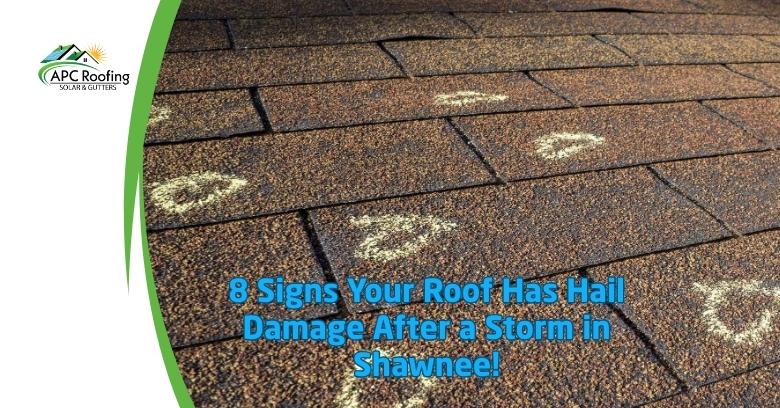
At the colder end of our territory, big hail visits many neighborhoods, and manufacturers offer lines built to resist it. A hailstone knocks granules loose where it lands, while a heavier blow may bruise right through to the mat.
Laboratories rate impact resistance by dropping steel balls from set heights, and a line that passes at the top level holds up better. Modified asphalt with added rubber is used by several makers, and that mix stays flexible in the cold.
Gusty Days: Bare Patches of Sheet
Suction pulls hardest along the eaves, the rakes and the corners of a roof, and a loose shingle rises and slaps back down. A tab bent far back keeps a mark along the fold, and it is liable to tear off later. Pieces left in that condition are taken out and replaced, but a piece that simply came unstuck can be glued down by hand.
Blown-off tabs leave the underlayment uncovered, and daylight starts breaking it down at once.
Stains and Green Growth – Copper and Zinc
Blackish trails are colonies of algae, and the microbes draw on limestone in the coating. At the humid end of our territory, the shady side of a building is where it spreads, though the staining does little harm on its own.
Moss behaves differently, soaking up rain like a sponge, and as it creeps it breaks the tabs' seal. Power washing tears granules loose as it goes, while a cleaner applied gently loosens the film. Many makers offer algae-resistant lines with copper in the coating, and zinc bands near the top release traces that discourage regrowth.
What the Color Changes: Mixing Bundles
Deep tones take in more solar warmth and reach higher surface temperatures, while pale ones stay cooler. Specially coated granules now come in a range of hues, and a tested reflectance figure goes with them.
Stock can vary from one production lot to another, so shingles from several bundles are mixed as the courses go on. Blended colors, with many tones on each piece, hide those minor differences, while a uniform finish lets them stand out.
Going Up Top: Care Underfoot
A sun-baked covering loses its firmness, and every tread grinds granules loose. At the colder end of our territory, a frozen shingle can snap under a knee or a boot, while frost at dawn makes the footing treacherous.
A homeowner is far safer staying on the ground, and a pair of binoculars shows most of what matters.
Re-Covering Without a Tear-Off: Pitfalls
Local regulations commonly accept an overlay over an old roof, but not where two are already stacked or the wood is damp and decayed. Leaving the first layer on keeps the decking covered the whole time, so a spongy section just stays put.
Every ripple below telegraphs to the surface, and step and valley metal commonly remains in service. Stacking one covering on another adds mass that the framing must bear, while the fasteners need more length to bite into the boards.
Things to Watch For: A Short List
- Mineral grains build up in the gutter troughs, and the amount keeps growing year after year.
- Some tabs flap loose or are gone altogether, so wind has broken the bond.
- Courses have started to buckle and warp, since age and heat have stiffened the material.
- Cracks run across the tabs, and the mat underneath takes on water.
- Shiny black spots stand out against the color around them, and bare asphalt now meets the weather.
- A pipe boot has gaps between its collar and the pipe, so moisture can track down inside.
- Counterflashing at a chimney has worked out of its joint, so a downpour can run in underneath.
- A damp patch shows up on the ceiling after heavy rain, while the opening outside can be several feet off.
How APC Roofing Takes On 3-Tab Shingle Roofing in Greater Orlando Metro Area – Plain and Careful
An inspection opens with a walk over every slope, and the details at every valley, vent, flashing and edge are read. The attic is checked from inside for stains and light coming through, since the underside of the deck keeps the marks of any old leak.
Trouble of any kind is photographed, and its size is measured. The results are put in writing in everyday words, with the reasons given for each recommendation. A little problem is never made to sound big, while a spent covering is named for what it is. The final say rests with the owner, be it a repair, a replacement or no work yet.
3-Tab Shingle Roofing in Greater Orlando Metro Area: a Careful Look Before Any Advice
Phone 407-270-1129 to arrange a visit.
Keep or Tear Off – Reading the Signs
A failed vent collar, a lifted flashing or several damaged tabs calls for ordinary repair, and the remaining shingles are untouched. A replacement piece looks brighter than the aged ones around it, and the tone that went on years ago may be out of production.
Old shingles snap when they are bent up to free a fastener, and the damage around the work zone grows. Where the whole field is cupped and losing grit, a new covering is the sensible answer.
Useful Lifetime – Estimates, Not Promises
Three-tab work generally holds up for fifteen to twenty years, and dimensional products often go a decade longer. Ventilation, exposure and fastening decide where a given covering lands, and heavy weather can end the span ahead of schedule.
Boots, flashings and sealed joints are worth checking every few years, since a crack caught in time stays a small job.
When you are weighing 3-Tab Shingle Roofing in Greater Orlando Metro Area, dial APC Roofing at 407-270-1129. Every slope, edge and flashing gets a close look, and the findings reach you in writing so the decision stays yours.