Searching for Emergency Roofing in Greater Orlando Metro Area?
APC Roofing takes care of a routine checkup right up to a complete replacement, on shingle, metal and tile alike.
Reach us at 407-270-1129, and a roofer heads out for a look at the house.
The Roof's Working Parts: the Basics
The visible covering on top is only the outer layer, and a water barrier, plywood and framing sit below the surface. Flashing bridges the crossing wherever a wall, a pipe or a valley breaks the field, and a leak at that spot rarely points to failed shingles nearby.
Airflow through the attic belongs to the roof system as much as any material, since trapped summer heat bakes the deck from underneath. A brown mark on a ceiling can originate at any level of the roof, so patching only what the yard shows can fail to reach the real cause.
What a Roof Does for a House: Quiet but Constant
A sloped covering sheds every storm's water downhill, while nails and seal strips resist the pull of gusts. The framing bears the load above, snow included at the colder end of our territory, and intake and exhaust let the attic breathe.
Shedding water is the covering's task, and resisting wind is the fastening's job, while what is underneath holds the whole thing steady, out of sight. Trouble in one element tends to show up far from the original problem, and the real remedy sits back where the fault started.
The Smaller Details Up Top: Not All Equal
A field of sound shingles can go for decades, but a rubber collar at a vent pipe gives out far sooner. Moisture gets behind the covering and moves toward the room, and a mark spreads across the ceiling beneath.
Caulk along a wall joint hardens and pulls away in the heat, and metal flashing rusts at bends and cut ends. Shingles bent into caps split at the seam, since the peak catches more weather than the rest of the roof.
What Appears Early: Before Anyone Climbs
Seen from the sidewalk, the shape of the roof shows dips, sags and wavy planes, and the gutters and trim can be checked in the same glance. Binoculars pick out torn collars, lifted tabs and bare patches, but soft decking can only be felt from up close.
Moving across the planes, a roofer tests every connector and traces every flashing joint, and the surface is checked for cracking, granule shedding and curled edges. Nobody walks a covering that is wet or too steep, and a ladder at the edge serves as the lookout instead.
The Attic: a Homeowner's Tour
A tide line on a rafter shows where rain has entered, and a wet surface under the hand means water is still getting in. Daylight visible between the boards marks an opening, and the position gets noted by measurement before anyone climbs.
Nail points gone orange signal damp air, not a leak, and a compressed, faded patch nearby points to the same cause. A blocked eave packed with fill, or a bathroom fan venting into the attic, shows up only on an inside look, so a look from the yard alone misses ventilation faults of that kind.
The Follow-Up Paperwork: a Plain Account
The visit produces photographs linked to particular spots on the roof, and a written line explains what each image shows. Parts in fine shape are covered as plainly as parts that are not, and problem areas are ranked by urgency.
A saved report from an earlier stop gives the next check a baseline, and a trend across seasons is clearer than a single day's snapshot. A roof tracked across each year brings few surprises, and a large job gets seen coming well ahead of time.
Seasonal Shingle Maintenance: Small Jobs, Done Often
Worn boots around the stacks get exchanged for new ones, and the joints at each flue get resealed. Needles and leaves get cleared from valleys and from behind chimneys, and the gutter runs along the eaves get straightened.
A lifted tab sealed down early stays a small job, but a season of neglect can end in a ceiling mark. Moss holds shingle edges up and traps water against the courses, and the growth gets treated and brushed off, never pressure-washed.
How Often the Checkup Should Happen: The Payoff
Somebody trained in the trade should go over the roof once a year, scheduled once the harshest stretch of local weather has passed. The goal is seeing deterioration ahead of any drip, and the household gets a fair sense of the remaining service life.
Following a storm, a walk around the house with eyes on the roof is a good habit, and any new mark on an upstairs ceiling is worth noting. Climbing to the attic hatch with a flashlight twice a year is a smart move: dark spots, daylight and matted insulation turn up long before anything travels any further.
How Age Shows on a Roof: From New to Worn
Freshly laid, a shingle covering is flat and evenly toned, and approaching midlife the sunniest side fades before the rest. At the very end, tabs turn brittle and crack, and a repair rarely holds for long at that stage.
What the lawn view suggests is a solid baseline, but the true condition shows only from up top. A worn-out field is past the point where patching helps, and a trustworthy contractor gives a plain answer, rather than selling more mending.
The Trough Behind the Fascia: A Quick Look
The covering's job on water stops at the drip edge, and the gutter line handles the flow after that. A hanger that has given way tips the run toward the wall, and the framing at that spot decays.
A weak patch there usually traces to a stopped-up drain, not the shingles, and new shingles will not cure a fault of that kind. Gutter fall and downspout placement get checked together, and the drip edge gets looked over where the metal meets the fascia line.
Keeping Things Working Underneath: The Basics
Fresh air is meant to come in at the soffits and exit along the ridge, and that path carries heat and moisture out of the attic. With the opening closed, the attic turns hot in summer and clammy in humid months, and the tabs curl and the plywood softens ahead of schedule.
A roof opening installed with no matching intake draws air from the living space below, and a mismatched pairing at the ridge and gables can cut the draft short. Reroofing with poor airflow left alone carries the fault forward, so the fix belongs in the same job as the new covering.
What Gets Chosen and Why: Set by What's Nearby
Toward the colder end of our territory, frozen gutters and heavy snow set the priorities, and a sticky underlayment protects the lowest courses. Closest to the ocean, gusts decide how the covering gets anchored, and storm-rated trim metal and taped seams get called for.
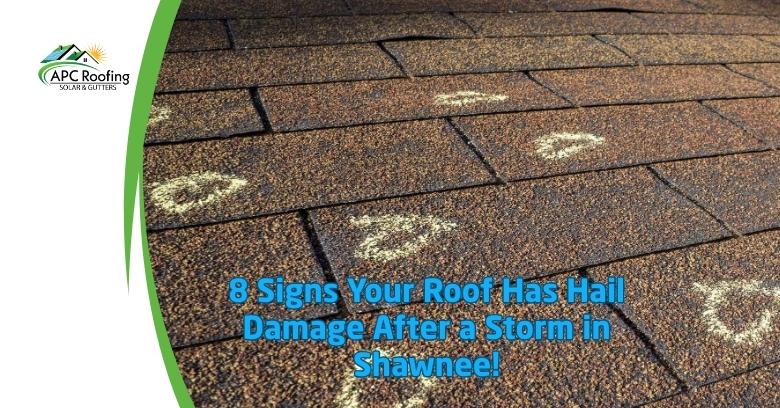
Where big hail is common at the colder end of our region, a harder surface earns consideration, while sun and heat age coverings everywhere we work. Every build answers to conditions at that particular site, not custom or what happened to be on the truck.
Houses and Commercial Buildings: How the Roofs Differ
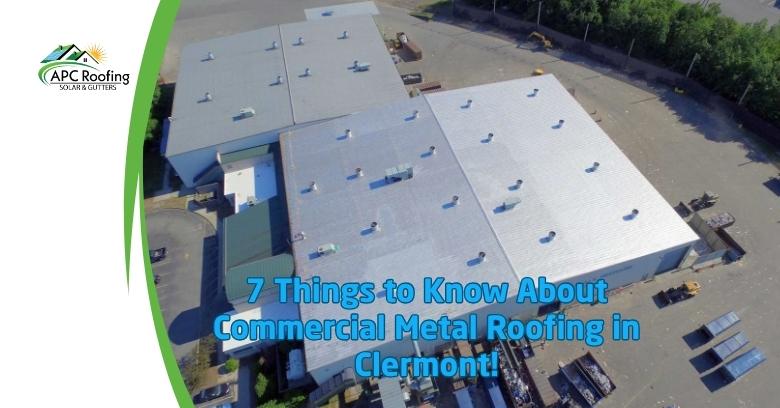
Angle and overlap work together to move water off a pitched covering, finished in asphalt, clay or steel. A business roof relies on one continuous sealed sheet, and drains, scuppers and rooftop units sit built into that surface.
Many houses have a gently rising porch or addition, and shingles over an area such as that leak because standing water finds a way under the laps. A spot like that needs a welded or adhered membrane, laced under the pitched covering above, and re-shingling that spot only repeats the trouble.
Temporary Covers After Damage: What Works and What Fails
A barrier keeps rain off a hole before repairs begin, but the trouble below stays untouched. A good cover goes up and over the peak and gets fastened with wood strips, and the material gets drawn tight enough to hold quiet in a gale.
A tarp needs to extend well beyond the break, since water slips in under any edge that ends too soon. Film left in place for months holds heat and humidity against the deck, and the shingles beneath start to deteriorate.
The Detail Where a Roof Meets Something Upright: the Proper Method
Every course against a wall gets a dedicated step-flashing piece, and trim set higher up sheds water past that metal. A chimney gets an apron across the downhill face and metal tied in up each edge, and any stack wider than a small one calls for a cricket set into the slope uphill.
A smear of mastic over a bad patch opens up within a few seasons, and only a correct rebuild ends things for good. Porous or cracked mortar lets moisture into the masonry higher up, and part of that repair belongs to a mason, not a roofer.
What a Proposal Should Say: Nothing Left Vague
A signed agreement should identify the shingle, the underlayment and the metal by name, and the document states plainly whether the work is a tear-off or a layover. The account spells out in advance how damaged plywood gets counted, and new metal, vents and the cleanup work appear as separate items.
Offers from different contractors can be weighed point for point, and the real differences between the two documents come into view. A firm unwilling to resolve the plan in advance is telling an owner something, since a handshake settles nothing once a dispute starts.
What a Re-Roof Involves: the Basic Sequence
Plants take tarps and hard surfaces take padding before the crew begins, and the old covering gets stripped into a trailer. The bare deck gets checked plane by plane once the old covering is off, and weak areas get cut out and replaced with sound lumber.
A protective membrane, new flashing and full underlayment get installed, and shingles or panels, capped at the ridge, complete the installation. A magnetic sweep covers the yard and the drive at the end of the workday, and a last look confirms the gutters are clear.
Maintenance Beyond Asphalt: Details by Material Type
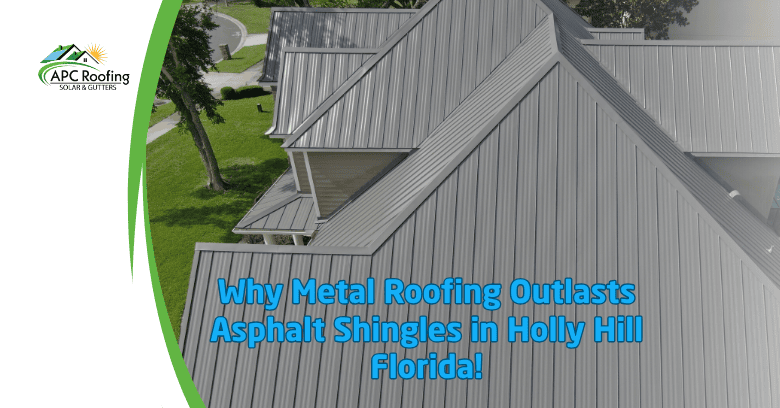
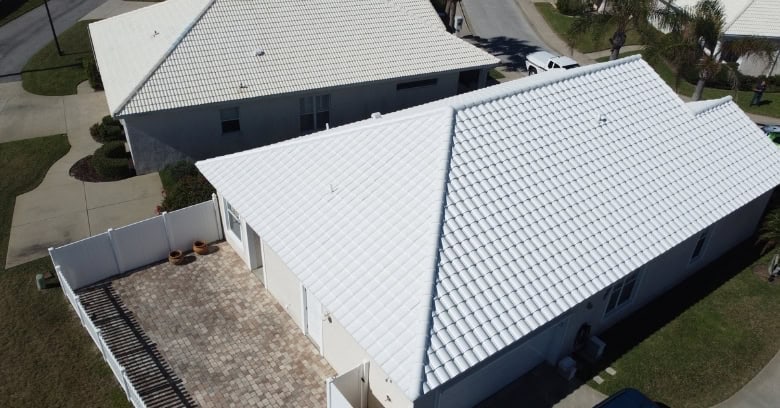
Exposed-fastener metal panels seal at a rubber gasket under every fastener, and a leaking screw gets paired with a fresh washer. Based on the house, tile may be mortar-set, foam-set or clipped directly, and the layer underneath carries the job of shedding water.
Weight placed wrong breaks a piece, and a damaged unit gets swapped for another of matching shape. On a low-slope section, standing water and open seams are the things to watch, and debris gets cleared from drains and scuppers.
Things an Owner Can Spot: Easy to Act On
- Coarse grains washing out after every rain, well beyond what a new roof sheds.
- Corners turned up across a slope, on planes that face the afternoon sun.
- A pipe boot with an open gap, easy to miss without a zoom lens.
- A ceiling mark that spreads with each downpour, soft at the center.
- Daylight through the attic boards, on a sunny afternoon.
- Moss on a shaded slope, holding moisture against the surface.
- A dip between rafters, new since the previous year.
- Gaps opening where flashing meets siding, easy to spot from the yard.
Emergency Roofing Around Greater Orlando Metro Area: How APC Roofing Works
Before a scope gets drawn up, a roofer examines the whole covering and the attic, and the report shows up as photographs and a clear written account. What is holding up gets stated as clearly as what is not, and the choice of what to do next stays with the homeowner.
Emergency Roofing for Greater Orlando Metro Area Homes: Plain Talk, Careful Work
Call 407-270-1129 to arrange a visit on site.
A Roof Timeline: Easy to Maintain
Saving the install date and the product names on the invoice pays off later, and each inspection report deserves a spot in the same folder. Tallying each repair, the location and the method, keeps things complete, and over time the pattern shows which areas keep needing attention.
Selling a property brings questions about what is overhead, and paperwork with dates carries more weight than recollection. A backup copy of the whole file keeps one bad day from erasing the whole thing, because a single set can be destroyed in a flood or a fire.
Judging the Result: Small Things, Handled Properly
The field reads as straight bands, with crisp cuts where each slope ends, and no nail head shows on the finished surface. Metal against any wall or chimney rests flush and secure, and any sealant appears sparing and neat.
The attic keeps intake and exhaust moving after the job, and every gutter ends up hanging correctly. A final sweep with a magnet tidies the yard and drive, and sawdust from a trimmed board is the most common leftover, easy to rinse from a walkway.
Anyone weighing choices for Emergency Roofing in Greater Orlando Metro Area has one straightforward next step. Picking up the phone for APC Roofing at 407-270-1129 moves the scheduling forward. Every visit takes in the whole roof and the attic beneath, and nothing is left to guess at.