Thinking About Steel Roofing Throughout Greater Orlando Metro Area?
APC Roofing lays new panels and brings worn coverings back into shape, across homes as well as sheds and barns.
Call 407-270-1129 and a roofer will come out and describe what the metal shows.
Identifying a System: Clues From Below
Exposed-fastener roofing is pinned by screws passing through every panel, but standing seam is anchored by clips concealed beneath upright folds. Most metal on houses is coated steel, while aluminum and copper account for a minority.
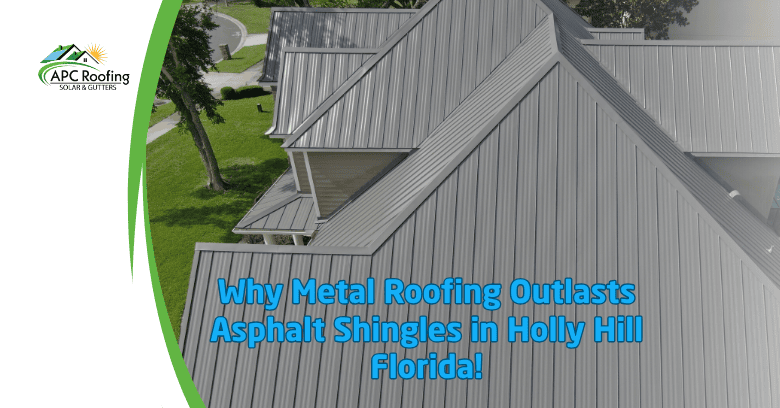
Seen from a sidewalk, dotted lines of screws signal an exposed-fastener system, while plain pans and tall ribs with nothing in sight are standing seam. Pole buildings, sheds and porches frequently get ribbed sheet, and dwellings use both.
Rolled Shapes – Span and Style
Corrugated material makes a run of soft, even undulations, whereas ribbed kinds stand up in squared ribs with flat stretches between. Each sheet laps over a neighbor along a long edge, and screw locations follow a published diagram.
A squared profile resists bending and reaches further between purlins, while corrugated fits a period barn or a farmhouse style. Rib height governs how much water a long slope can move, and a lean-to or porch manages fine with a gentle pattern.
Fastener Hardware: Aging in Sunlight
A single screw pins the metal firmly to framing below, and a gasketed washer under each head does the sealing. Years of sun and heat stiffen synthetic rubber until cracks form, well ahead of the painted steel nearby.
An overdriven screw squashes a washer flat, and a fastener stopped short or angled leaves a gap for rain.
Hardware Swaps: Worth Doing, With Limits
Washers on corrugated or ribbed panels give out as a group, so eventually a full new set of seals is needed. Each original fastener is taken out, and a screw one size larger takes each place so threads grip solid material.
A full re-screw with new washers closes leaks at each head and tightens loose sheets, but rust damage, open laps and failed flashing are untouched. Screw length and thread are chosen for what sits below, wood or a steel purlin, and tops painted in a panel color keep new work from standing out.
Expansion and Contraction – Stress at Screw Holes
Sunshine stretches steel slightly and a chilly night pulls the metal back, and a longer run shifts farther still, while aluminum goes about double. A panel pinned at both ends slowly slots every screw opening, and water gets past a washer.
Popping and clicking on a sunny morning is expansion at work, and a careful installation suffers no damage.
Beneath Raised Seams: Hidden Hardware
A long pan is locked down at a single band, while floating clips elsewhere allow the pan to slide. Flashing at an unanchored end is shaped with space beneath, and metal with no play winds up torn or kinked.
As a pan is laid, clips are driven into the deck along one leg, so nothing that holds the roof down is left exposed.
Seam Styles – Wind and Water
Some profiles snap together under hand pressure as each pan goes down, while machine-rolled designs get folded over by a motorized seamer. A double-locked joint stands up to gales and to water sitting against the metal, and published ratings run down to lower slopes.
Widths between ribs and the height of each rib differ by line, and building shape and personal taste steer a buyer. Closures, clips and flashings match one panel only, so parts are not mixed between makers.
Light or Heavy – Beyond Appearances
Coil for roofing is sold by gauge, and numbers fall as sheet gets thicker. Twenty-nine is a regular sight on sheds and pole barns, while houses often take twenty-six or twenty-four.
Aluminum sheet is measured in decimal inches, and with either metal, a stouter panel holds shape. Different grades look identical once installed, so a label on a bundle shows what was delivered.
Factory Protection: When Damage Matters
At a steel mill, coil gets a metallic layer of zinc or zinc and aluminum, and a color coat is baked on afterward. A scratch that stays within paint does no harm, but an unprotected cut or a gouge to bare steel is where red rust starts.
A PVDF finish stands up to sunlight for a long time, while polyester grades dull faster in strong sun. Uncured concrete and mortar harm an aluminum-zinc coating, so a gap or barrier separates panels from new block or stone.
Base Material: Matching a Location
Aluminum carries less weight and does not redden, though a thicker grade is needed to resist dents. Salt air at the coastal end of our territory attacks zinc-based layers, and manufacturers set limits on how near a shoreline a product may go.
Copper usually goes on small accent roofs over bays and entries, and years outdoors take bare metal to brown and then green.
Chemistry on a Rooftop – Isolation and Compatibility
Water that has crossed copper wears away any steel coating below, and discoloration arrives well before a panel gives way. Treated wood touching aluminum pits the metal at each contact, and a bare steel screw in soft sheet breaks down too.
Flashing added later should match whatever metal is already installed, or tape and membrane keep dissimilar metals from meeting.
An Appearance Question: What Can Be Done
In trade terms, oil canning describes soft ripples across a broad flat between seams, and a sun low in the sky exaggerates every contour. A panel that looks uneven sheds rain as well as a perfect sheet, and the roof lasts no less.
Striations, heavier stock and narrower pans keep rippling in check, and careful handling on a true deck makes a difference. Pictures of completed homes give a sense of how visible oil canning gets, and the final pick is yours.
For People Inside – Day and Night
A racket many recall comes from sheet over open framing, since one thin layer is all that stands between sky and interior. A home has sheathing, a membrane and an insulated ceiling under steel panels, and occupants notice only a slight change from shingles.
A white, tan or light gray panel turns back much glare, and the attic takes in far less. A charcoal or black panel gets hot, and venting and insulation under the deck do as much for comfort as color. Metal loses daytime warmth shortly after the sun sets, so evenings indoors feel better sooner.
Guards and Placement – Clamped or Fastened
Where winters bring real snow in our territory, slick panels shed a snowpack quickly, and an avalanche off an eave can flatten shrubs, gutters or anyone underneath. Guards set along a roof hold a load in place until a thaw, and a doorway, walkway or meter below decides placement.
For standing seam, bolted clamps grip each upright joint, while ribbed or corrugated sheet takes mounts driven into structure with sealing washers, and in milder markets roofs do without.
What Ice Does: When Paint Cracks
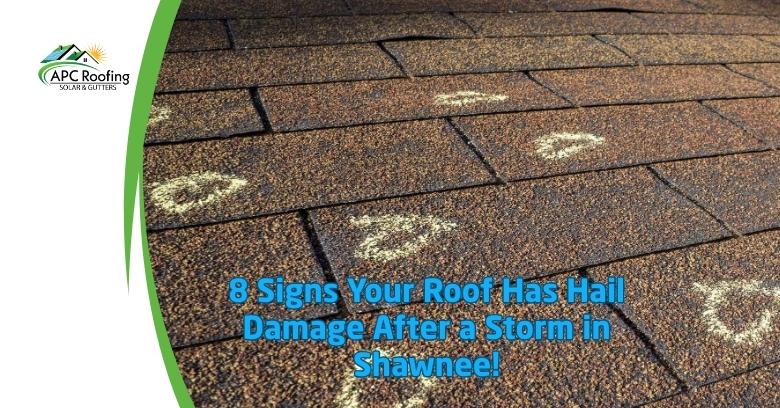
Hail is a fact of life at the colder end of our service area, and a heavier gauge or striated pans resist dents better. Where a blow splits paint, bare metal can corrode, while a seam or trim edge pushed out of line may open.
Once a storm has moved on, affected spots get photographed and measured, so the size and position of each dent are known.
Uplift – A Denser Pattern
Gusts tug harder at corners and along a perimeter, and once air slips under an unsecured edge, pressure can roll the metal up. Finish trim is hemmed and caught on a cleat, so nothing sticks out to be grabbed.
Clips and screws are packed closer in high-load zones near corners, according to a published schedule for how sheltered a site is. Along the coastal end of our service area, hurricane risk raises fastener counts again, and panels carry an uplift rating to suit.
Penetrations: Sealant as Backup
Each pipe takes a boot made for panel roofs, with a base pressed to follow corrugations, and a level stretch, not a peak, is chosen for a hole. Square penetrations take a curb and a cricket on a high side, so runoff is steered aside.
A bead of sealant supports a properly formed detail rather than working alone, because sunlight dries and cracks sealing compounds within a few years.
Where Slopes Meet – Joining Long Runs
A broad flashing lines each valley in advance, and each sheet is cut to a matching angle. Every raw end is turned under and caught by a cleat, and fasteners stay clear of wherever rain concentrates.
A sealed endlap connects consecutive lengths on an extended run, and fasteners pass through both thicknesses, with uphill metal on top.
Near-Flat Areas – Measured, Not Guessed
Most ribbed sheet is specified for about three in twelve or steeper, and on flatter roofs, water works under side laps. A mechanically locked seam can be installed far lower, with some lines cleared almost down to flat.
Many homes have a gentle stretch over a porch or a later addition, and we measure pitch on site, and anything under a panel's limit is finished in a membrane.
A Base Layer – Out of Sight Once Done
A home gets metal over a continuous plywood or OSB deck, and a high-temperature synthetic underlayment goes between, because old felt bakes and sticks under hot steel. An outbuilding may have nothing but purlins under the metal, so support spacing and gauge are matched.
A stripped roof is probed, and weak sections are replaced, since punky fibers offer a screw no bite.
A Recover Instead of a Strip – Battens and Underlayment
Many building codes allow metal over a single layer of asphalt shingles, and a yard is spared tear-off debris. New steel adds well under two pounds per square foot, so rafters rarely need reinforcing. An underlayment topped with a grid of furring strips goes over existing shingles, and screws reach through into solid wood.
Where a roof was already recovered once, or the decking is soft, everything comes off, as a wet base under a new roof only gets worse.
Finishing Pieces: All Around
Closures matching a panel shape stop up hollows under each rib at both extremes, and rain, insects and birds cannot get under the panels. A ridge cover can include a vent or be solid, and attic airflow needs are what decide.
Gutter aprons and rake trim wrap up a roof's outline, and runoff is steered clear of a fascia board.
Care on Site – Carrying and Stepping
A seamed panel comes off a forming machine cut to the length of a run, and nothing overlaps partway up. Big panels need a team so nothing buckles in transit, and a kinked pan is not usable.
Feet go in a flat where something solid lies below, because ribs and seams crush under a boot. Morning dew alone can make metal treacherous, and a homeowner is better off staying on the ground.
Signs Worth a Call: Without Climbing Up
- Rust circles where screws go in, near the top of a run.
- A row of lifted screws, at an eave.
- Edge metal curled back, following a gusty night.
- A pipe collar tipped to one side, over a kitchen.
- Corrosion along a cut, along a rake.
- Peeling paint, on a south exposure.
- A drip that follows a row of screws, over a closet.
- A lock pulled apart, where slopes meet.
How APC Roofing Goes About Steel Roofing in Greater Orlando Metro Area: Our Routine
Everything begins with identifying which panel system is installed and how the panels are fastened, and after that every fastener, trim piece, penetration, valley and lap gets a close look. Panel grade, paint and hardware are recorded, and a trip into the attic catches past leaks.
Findings come to you in a report with pictures, and every piece of advice comes with an explanation. Where a reseal will do, a reseal is what we propose, while replacement comes up only when a roof is truly spent.
Steel Roofing for Property Owners in Greater Orlando Metro Area: Plain Findings
Call 407-270-1129 and someone will arrange to stop by.
Repair or Replacement – Knowing Limits
One badly damaged sheet can be swapped alone, although new paint never quite matches older metal. A properly resealed lap closes a drip, while re-fastening cures aged washers.
Once red rust has eaten through large areas, patching no longer makes sense, and a covering riddled with failed seams is no better off. Somewhere in between, a single worn plane of the roof can be redone, when damage stays in one place.
Aging Gracefully – Upkeep Matters
Properly installed panels regularly reach forty years, and every estimate is approximate. Standing seam, with no holes through a pan, gets by on less maintenance, whereas exposed-fastener sheet needs a re-screw partway through.
Metals of different kinds touching, unhemmed cuts and sealant used in place of flashing shorten a roof's service, and regular inspection turns up faults while minor. Pine needles packed into a valley trap water against coated steel, so getting debris off the panels is worth the effort.
Whenever Steel Roofing in Greater Orlando Metro Area comes up, reach APC Roofing at 407-270-1129. Someone will climb up and read how the panels are attached, along with every edge and opening, and a written summary lays out what we saw so you can choose.