In Need of Standing Seam Metal Roofing Throughout Greater Orlando Metro Area?
APC Roofing works on ribbed sheet and concealed-clip panels alike, across homes as well as sheds and barns.
Call us at 407-270-1129 and someone who knows the trade will come out to take a look.
Sorting Out Types: Clues From Below
Exposed-fastener roofing is pinned by screws passing through every panel, whereas standing seam relies on clips that sit under locked joints. Nearly every residential job uses coated steel, with aluminum and copper turning up less often.
From a driveway, lines of screw heads across the panels mark a through-fastened roof, and clean flats between raised joints, bare of hardware, belong to standing seam. Barns, workshops and porches often wear corrugated or ribbed sheet, and dwellings use both.
Rolled Shapes: Matching a Building
Corrugated goods swell and dip in gentle, repeating arcs, while ribbed designs show angular ribs and wide flats. Each sheet laps over a neighbor along a long edge, and a maker's pattern says where screws go.
A squared profile resists bending and reaches further between purlins, and a rounded wave appeals on older or rustic structures. Taller ribs give runoff more room on a long slope, and a lean-to or porch manages fine with a gentle pattern.
Hardware in the Weather: Small Parts, Big Job
A screw pulls the metal tight against a purlin or the deck, and a washer under each head keeps rain out. Rubber in steady sunlight hardens and cracks with age, well ahead of the painted steel nearby.
Driving a screw past snug crushes a washer and dimples the metal, while too little pressure or a crooked angle leaves an opening.
Hardware Swaps – Benefits and Gaps
Every washer across a ribbed or corrugated field weathers at the same rate, so eventually a full new set of seals is needed. Old fasteners are backed out one at a time, and a bigger diameter is driven in to grip where an old thread stripped.
Re-fastening stops water at every head and holds down sheets that lift, but corrosion, parted laps and bad flashing are left as found. Screw length and thread are chosen for what sits below, wood or a steel purlin, and a painted cap keeps new work inconspicuous.
Thermal Movement: Oval Holes and Loose Seals
Sunshine stretches steel slightly and a chilly night pulls the metal back, and a long run adds up to a measurable distance, and aluminum reaches about double. A panel pinned at both ends slowly slots every screw opening, and seals start to fail.
A tick from warming metal after sunrise is normal, and a properly detailed roof suffers no harm.
Holding Down a Seamed Covering – Out of Sight
One short stretch of every long pan is pinned tight, and floating clips farther along give the metal freedom to shift. Flashing at an unanchored end is shaped with space beneath, and rigid fastening over a big pan shears or wrinkles the metal.
Each pan is set in place, and clips are driven through into the deck along one side, so each new pan conceals all hardware below.
How Seams Close: Which Suits the House
A basic profile engages with a firm push along a full length, and mechanical versions are finished by a rolling tool. A double-lock seam holds far better against strong gusts and standing water, and published ratings run down to lower slopes.
Widths between ribs and the height of each rib differ by line, and a home's design and a buyer's taste guide selection. Closures, clips and flashings match one panel only, and a mismatch shows up as gaps and loose joints.
Light or Heavy – Worth Confirming
Steel thickness is given as a gauge, and numbers fall as sheet gets thicker. A shop or barn frequently has twenty-nine, while twenty-six and twenty-four are typical choices for houses.
Aluminum uses decimal figures rather than gauge, and more material means fewer marks and less waviness. Different grades look identical once installed, so a label on a bundle shows what was delivered.
Surface Protection – Finishes That Hold Up
Steel for roofing is hot-dipped in zinc or an aluminum-zinc blend, and a primer and a colored enamel are baked over the metal. Damage no deeper than paint is cosmetic, while a sheared edge or a deep gouge lets rust begin.
A PVDF finish stands up to sunlight for a long time, and polyester families fade and chalk more quickly. Uncured concrete and mortar harm an aluminum-zinc coating, and a separator goes wherever panels touch new brick.
Choosing the Metal – Coast and Country
Aluminum is light and free of red rust, but a soft sheet dents from smaller blows. Beside salt water at the coastal end of our range, protective layers wear away faster, and makers restrict certain products near surf.
A copper accent over a bay window is a familiar touch, and years outdoors take bare metal to brown and then green.
Chemistry on a Rooftop: Separation Helps
Water that has crossed copper wears away any steel coating below, and a dark streak shows long before any hole. Aluminum laid against treated lumber corrodes at every contact point, and an ordinary screw of an unsuited alloy fails as well.
Any added flashing or trim should be the same metal as what is up there, or an isolating layer separates unlike metals.
An Appearance Question – Surface, Not Structure
Oil canning names shallow dips and bulges across a flat pan, and raking light early or late in the day brings out each rise and fall. An irregular-looking finish keeps weather out just as well, and useful life is unchanged.
Heavier gauge, narrower pans and pencil ribs in each flat all reduce waviness, and a deck without humps or dips matters too. Photos of finished roofs give a fair idea of how much oil canning shows, and the choice of panel is yours.
Everyday Comfort: What Reaches Living Space
A racket many recall comes from sheet over open framing, because a single thin skin vibrates freely. A home has sheathing, a membrane and an insulated ceiling under steel panels, and in a living room few can pick out any change from shingles.
Light tones and cool pigments bounce a large share of sunlight away, so upstairs spaces bake less. A deep hue absorbs heat like any dark surface, and without venting and insulation, color alone does little. Thin steel cools off right after dusk, so upstairs rooms settle sooner at night.
Guard Rows – Only Where Needed
Where winters bring real snow in our territory, slick panels shed a snowpack quickly, and a slab arriving all at once can injure someone or rip a gutter off. Retention bars keep a load up top to melt off gradually, and a doorway, walkway or meter below decides placement.
For standing seam, bolted clamps grip each upright joint, while screw-down sheet takes mounts fastened into framing with sealed screws, and where snowfall is rare, nothing is added.
Storm Marks – A Record of What Happened
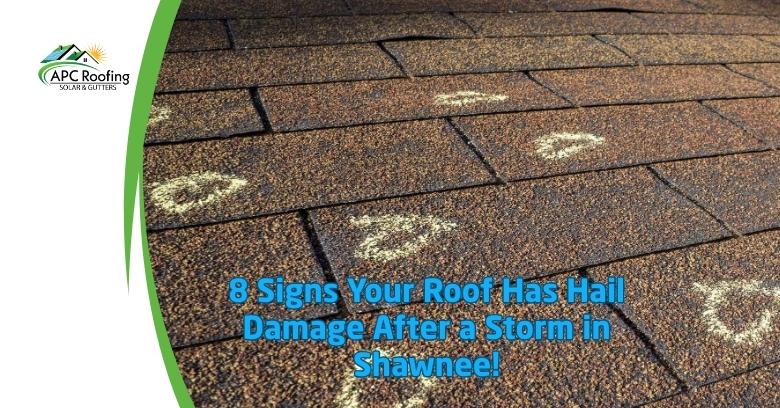
At the colder end of our range, hail arrives most years, and stouter panels with striations hold shape better. A crease that cracks paint exposes bare metal to rust, and a bent seam or a dislodged trim piece can let water in.
Once a storm has passed, a roofer photographs and measures every mark, so the size and position of each dent are known.
Holding On in a Gale – A Denser Pattern
Corners and borders see heavy suction, an open field much less, and a blast under a raised lip can tear a panel away. Finishing trim is hemmed and caught on a cleat for a whole run, so a storm finds nothing to pry at.
Clips and screws are packed closer in high-load zones near corners, according to a published schedule for how sheltered a site is. Where hurricanes reach, at the coastal end of our territory, the number of fasteners goes up again, and panels carry an uplift rating to suit.
Vents and Stacks: Detail Work
A round pipe receives a rubber or silicone boot molded to follow each rib, and a flat location lets a flange bed down evenly. A chimney or skylight is built up on a curb with a cricket above, and water cannot pool at an upper edge.
Sealant backs up flashing and never stands in for folded metal, because sunlight dries and cracks sealing compounds within a few years.
Channels Between Roof Planes: Hooked and Clear
A broad flashing lines each valley in advance, and sheets are cut on a diagonal to suit. Each raw end is hemmed back and hooked onto a cleat, so no fastener sits where water collects.
An endlap on a long run holds sealant between overlapping sheets, and fasteners through both thicknesses keep water from backing up.
How Low Metal Can Go – Measured, Not Guessed
Corrugated and ribbed sheet usually needs around three inches of rise in every foot, since anything less lets rain back up at overlaps. Double-lock standing seam is rated for far shallower roofs, and a few products go almost to flat.
Porches, additions and back rooms often carry a barely tilted section, and a measured angle decides what goes on, and where metal does not belong, a membrane does.
Support for the Roof: Checked on a Tear-Off
Residential panels are laid on a solid deck, and a high-temperature underlayment sits beneath the panels, since felt paper cooks under summer metal. An outbuilding may have nothing but purlins under the metal, and support distance dictates grade.
Once an old covering comes off, spongy sheathing is found and swapped, as fasteners driven into mush pull straight out.
An Overlay – Grounds for Refusal
Where code allows, metal can be installed over one layer of shingles, and the mess and hauling of removal are avoided. At well under two pounds per square foot, steel is a light load, and typical framing carries a little extra easily. Furring strips and a new underlayment go down over existing shingles, and panels are fastened through into sound wood.
Soft spots, old leak stains in the attic or a second layer rule out an overlay, since dampness sealed beneath panels goes on rotting structural lumber.
Finishing Pieces: All Around
Closure strips shaped to a panel profile plug hollows under every rib where a run starts and stops, and driving rain and wasps are blocked. A ridge piece either breathes or is left solid, as existing ventilation requires.
A drip edge along an eave and trim on each rake complete a border, so rain does not run down behind fascia.
Working at Height – Sheet by Sheet
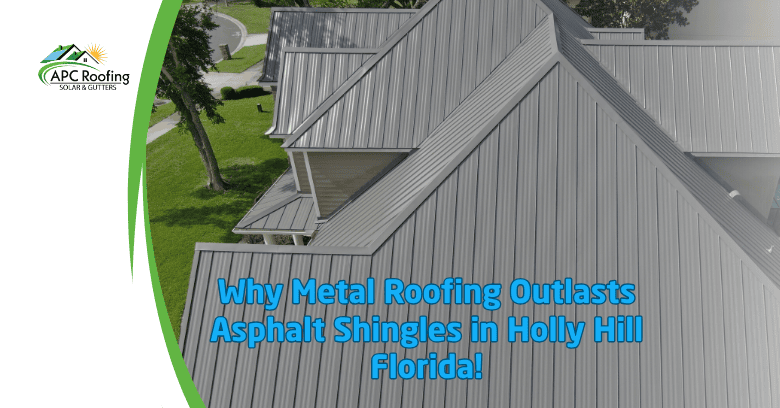
Standing seam panels are usually roll-formed to the full length of each slope, and one pan spans eave to ridge with no joint across. Big panels need a team so nothing buckles in transit, and a damaged pan is replaced, not flattened out.
Feet go in a flat where something solid lies below, since a heel on a rib crushes a fold. Dew or rain makes coated steel as slick as glass, so climbing up for a look is unwise.
Warning Signs – A Look From Below
- Orange halos at fasteners, partway down a pitch.
- Hardware sticking up, on a south exposure.
- Flashing flapping in a breeze, after a windstorm.
- A pipe collar tipped to one side, over a kitchen.
- Corrosion along a cut, along a rake.
- Peeling paint, on a sunny slope.
- A leak tracking one line of fasteners, down a hallway.
- A joint gaping open, near a valley.
How APC Roofing Tackles Standing Seam Metal Roofing in Greater Orlando Metro Area: Our Routine
Our starting point is pinning down which system is up there and how the panels are secured, followed by every screw or clip, edge, boot, valley and lap. Panel grade, paint and hardware are recorded, while the underside of the deck is inspected from the attic.
You receive a report, pictures included, and each repair is explained. If new fasteners are enough, that is what we suggest, and a finished roof is described without softening.
Standing Seam Metal Roofing for Property Owners in Greater Orlando Metro Area – Details Read Closely
Reach us at 407-270-1129 and we will book a day that suits you.
Keeping the Roof – Knowing Limits
A panel torn by a falling limb can be changed individually, but brand-new paint stands out against faded neighbors. A properly resealed lap closes a drip, and a full set of screws fixes tired rubber.
When corrosion has gone through across a whole field, a tear-off is due, and metal torn loose over entire slopes is no better off. Somewhere in between, a single worn plane of the roof can be redone, when harm is local.
Planning Ahead: What Cuts Life Short
Properly installed panels regularly reach forty years, but estimates of service are a rough guide only. A seamed pan roof has fewer parts that age, while ribbed sheet gets new fasteners once washers tire.
Copper runoff, bare edges and caulked joints where flashing belongs shorten the life of a roof, and an occasional walk-over catches problems promptly. Pine needles packed into a valley trap water against coated steel, so removal pays off in longer-lasting paint.
Before deciding on Standing Seam Metal Roofing in Greater Orlando Metro Area, call APC Roofing at 407-270-1129. Someone will go over every panel, fastener and piece of trim, and you get photographs, notes and a recommendation to consider.