In Need of Metal Roof Repair Throughout Greater Orlando Metro Area?
APC Roofing puts up and mends screw-down sheet and clip-held panels, on houses, garages, porches and outbuildings.
Reach us at 407-270-1129 and someone who knows the trade will come out to take a look.
Identifying a System: Visible Clues
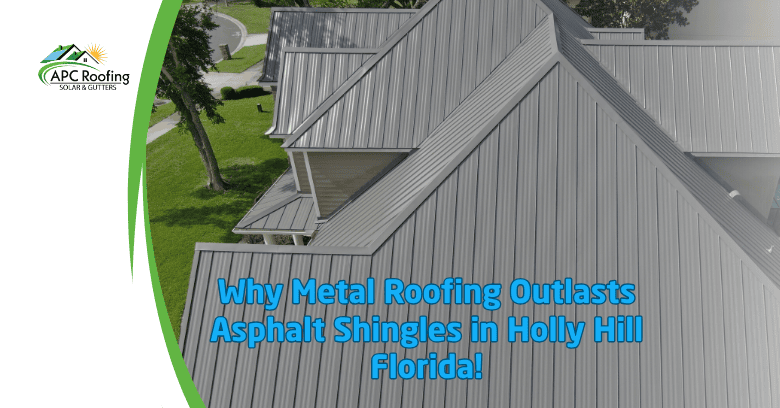
Ribbed and corrugated panels take screws through a flat or a crest, while standing seam is attached with clips tucked inside raised joints. Coated steel is what the great majority of metal-roofed homes carry, though aluminum and copper have a place too.
From a driveway, lines of screw heads across the panels mark a through-fastened roof, and smooth pans between tall ribs with nothing poking through are standing seam. Corrugated sheet is a regular choice on barns, shops and porches, and dwellings use both.
Profile Options: Matching a Building
Corrugated material makes a run of soft, even undulations, while ribbed designs show angular ribs and wide flats. Adjacent lengths share a narrow side lap, and screw locations follow a published diagram.
With deep ribs, a ribbed panel bridges wider spacing, while corrugated keeps a place on vintage buildings and farmhouse designs. On a big roof plane, taller ribs keep a downpour from spilling over side laps, and a lean-to or porch manages fine with a gentle pattern.
Fastener Hardware – Why Installation Matters
Each screw clamps a panel down onto wood or steel framing, and a sealing washer beneath each head closes a drilled hole. Rubber in steady sunlight hardens and cracks with age, and the panels usually last a great deal longer.
Driving a screw past snug crushes a washer and dimples the metal, while too little pressure or a crooked angle leaves an opening.
Fresh Fasteners: Worth Doing, With Limits
Rubber rings across a ribbed or corrugated field wear out together, and a full re-screw is an ordinary step somewhere along the way. Worn hardware is taken out in turn, and a wider replacement goes back in where threads can still find purchase.
A re-screw ends drips and steadies sheets that rattle in wind, yet rusted panels, opened laps and poor flashing still need separate repairs. Screw style depends on what lies beneath, with coarse threads for wood and self-drilling tips for steel, and tops come painted to suit a colored finish.
Growth and Shrinkage – Built to Allow Travel
A steel panel stretches in sunshine and draws in after dark, and a long run adds up to a measurable distance, and aluminum changes nearly twice as much. A tightly fixed panel enlarges fastener holes a little with every cycle, and washers begin to leak.
Popping and clicking on a sunny morning is expansion at work, and nothing is damaged where every detail allows for slack.
Holding Down a Seamed Covering: Tucked Away
A long pan is locked down at a single band, while clips on every other section permit movement. Trim at an unanchored end leaves a gap for travel, and a pan held rigid throughout tears loose or buckles.
A pan is positioned and clips are screwed to the deck beside a long edge, so no fastener head is left out in the weather.
Joint Styles: Which Suits the House
One kind of rib clicks shut under a firm push, and mechanical versions are turned over with a powered seamer. A double-lock seam holds far better against strong gusts and standing water, and maker approvals cover shallower slopes.
Manufacturers offer a range of pan widths and rib heights, and a home's design and a buyer's taste guide selection. Clips, trim and closures are bought to suit one particular panel, and a substitute from elsewhere leaves gaps.
Heavier and Lighter Stock: Barn or Residence
Steel thickness is given as a gauge, and a smaller number means a thicker sheet. A shop or barn frequently has twenty-nine, while houses often take twenty-six or twenty-four.
Aluminum is called out in decimal inches, and with either metal, a stouter panel holds shape. A light grade and a heavy grade are indistinguishable from a driveway, so printed product data gives a firm answer.
Protection Built In: What Lasts
Coil stock is dipped in molten zinc or an aluminum-zinc alloy, and an oven-cured primer and color coat are applied on top. Damage no deeper than paint is cosmetic, but a sheared edge exposes steel that will corrode.
A PVDF finish stands up to sunlight for a long time, and polyester families fade and chalk more quickly. An aluminum-zinc surface is damaged by contact with fresh mortar, so metal and new brick are kept apart.
Which Metal Suits – Coast and Country
An aluminum panel is light and immune to red rust, but a dropped tool or a falling branch dents a soft sheet sooner. Close to salt water, at the coastal end of our range, metallic coatings break down faster, and some makers limit steel products by distance from a shoreline.
A copper accent over a bay window is a familiar touch, and with nothing applied, color shifts over the years.
Incompatible Neighbors – Isolation and Compatibility
A copper pipe or flashing above steel sends corrosive drainage down over the panels, and a dark streak shows long before any hole. Treated wood touching aluminum pits the metal at each contact, and an ordinary screw of an unsuited alloy fails as well.
A new piece of flashing belongs in a metal that matches existing work, or a strip of membrane goes between dissimilar metals.
A Matter of Taste: Choices That Help
Oil canning is a gentle waviness across the flat of a standing seam pan, and faint hollows show at sunrise and fade by noon. A warped look in the metal lets no rain through, and the roof ages no faster.
Striations, heavier stock and narrower pans keep rippling in check, and a deck without humps or dips matters too. Pictures of completed homes give a sense of how visible oil canning gets, and the final pick is yours.
Inside the House: What Reaches Living Space
A shed with bare purlins under the panels rings like a drum, because a single thin skin vibrates freely. A dwelling puts decking, a membrane and insulation between the panels and any bedroom, and in a living room few can pick out any change from shingles.
A white, tan or light gray panel turns back much glare, so the space under the roof runs cooler. Deep shades absorb as much as dark asphalt, and vents and insulation weigh as heavily as the choice of color. Within an hour of sundown, a metal covering is cool, so evenings indoors feel better sooner.
Retention Hardware: Above Entries and Paths
At the colder end of our territory, snow slides readily off smooth coated steel, and a slab arriving all at once can injure someone or rip a gutter off. Guards set along a roof hold a load in place until a thaw, and hardware sits over entries, paths and meters.
A standing seam roof gets brackets that squeeze an upright joint rather than pierce a pan, whereas corrugated panels get mounts anchored through to purlins, and at the warm end of our range snow gear is unnecessary.
What Ice Does: Documented Plainly
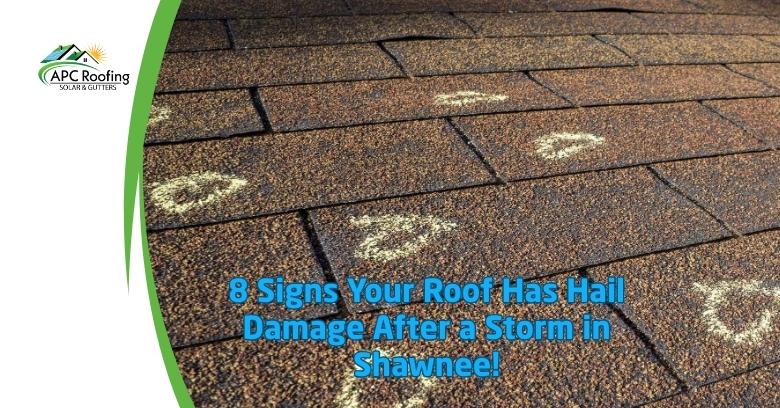
At the colder end of our range, hail arrives most years, and panels with an impact rating are an option. A strike sharp enough to break a finish lets rust start, while a buckled seam can part enough to admit water.
Once a storm has moved on, affected spots get photographed and measured, and the depth of each dent is gauged.
Resisting Uplift: Built to a Pattern
Gusts tug harder at corners and along a perimeter, and air that gets under a loose edge can peel a sheet back. Finish trim is hemmed and caught on a cleat, so a storm finds nothing to pry at.
An attachment pattern grows denser toward every corner, according to a published schedule for how sheltered a site is. At the coastal end of our territory, hurricane country asks for more holding power still, and a whole assembly has to carry a matching rating.
Where Something Pokes Through: Detail Work
A plumbing pipe gets a flexible boot with a base that bends to a panel profile, and a flat location lets a flange bed down evenly. A chimney or skylight is built up on a curb with a cricket above, and runoff is parted to either flank.
Sealant backs up flashing and never stands in for folded metal, because a compound shrinks and pulls away with time.
Inside Corners – Joining Long Runs
Each valley gets a separate pan in advance of the panels, and sheets are cut on a diagonal to suit. Raw ends are folded under and locked to a cleat, so no fastener sits where water collects.
An endlap on a long run holds sealant between overlapping sheets, and screws pass through both thicknesses, upper over lower.
Shallow Sections: Where Membrane Takes Over
Most ribbed sheet is specified for about three in twelve or steeper, and at anything less, rain creeps sideways across laps toward screws. Double-lock standing seam is rated for far shallower roofs, with some lines cleared almost down to flat.
Many homes have a gentle stretch over a porch or a later addition, and each incline is measured on site, and an area that metal cannot serve is given a membrane.
Substrate: Wood or Open Framing
Metal on a dwelling is installed over full sheathing, and a heat-rated synthetic membrane goes in between, since ordinary felt dries out under sun-heated steel. Pole buildings commonly have metal spanning between purlins with air below, and wider spacing calls for heavier stock.
On a tear-off, soft or rotted boards are cut out and replaced, as fasteners driven into mush pull straight out.
Going Over the Existing Roof: What Has to Be True
Local codes commonly accept metal set over a lone shingle layer, and noise and a dumpster are avoided. Steel panels weigh well under two pounds per square foot, and ordinary framing copes without trouble. Battens over a fresh membrane go across existing shingles, and every fastener is sized to reach solid wood.
Where a roof was already recovered once, or the decking is soft, everything comes off, since dampness sealed beneath panels goes on rotting structural lumber.
Finishing Off – Tight Against Weather
Strips cut to match a profile close off space under each rib at high and low points, so blown rain and critters are shut out. A ridge cover can include a vent or be solid, according to how an attic sheds heat and moisture.
Rake trim, drip edge and an apron into a gutter close off a roof's outline, and water falls clear of fascia instead of running behind.
Care on Site: Where to Step
Standing seam is produced to fit each run from bottom to top, and nothing overlaps partway up. A long panel calls for several people spaced along the metal, and a damaged pan is replaced, not flattened out.
A foot goes only in flats directly above supports, because a raised joint dents and deforms under load. A damp or dew-covered pan gives a shoe nothing to hold, so climbing up for a look is unwise.
What to Watch For: Easy to Notice
- Rust rings around screw heads, on a slope facing afternoon sun.
- Hardware sticking up, on a south exposure.
- Edge metal curled back, following a gusty night.
- A pipe collar tipped to one side, over a kitchen.
- Red streaks at a raw end, at a hip.
- Color gone patchy, across one face of the house.
- Water marks lined up on drywall, in an upstairs bedroom.
- A gap along a rib, near a valley.
How APC Roofing Takes On Metal Roof Repair in Greater Orlando Metro Area – Our Method
The first thing we do is identify which panel system is on the house and what holds the panels down, before each fastener, edge, boot, valley and lap is read in sequence. Thickness, coating and hardware style go into notes, and the attic is searched for water marks.
Every finding goes into a report with images, and every piece of advice comes with an explanation. When a small fix works, nobody pushes a bigger job, and a finished roof is described without softening.
Metal Roof Repair Across Greater Orlando Metro Area – Straight Answers
Reach us at 407-270-1129 and a visit gets put on the calendar.
Keeping the Roof: Piece by Piece
A panel torn by a falling limb can be changed individually, but brand-new paint stands out against faded neighbors. A new pipe boot or a resealed lap ends a local drip, and a full set of screws fixes tired rubber.
Once red rust has eaten through large areas, patching no longer makes sense, and a covering riddled with failed seams is no better off. Somewhere in between, a single worn plane of the roof can be redone, when damage stays in one place.
Planning Ahead: Upkeep Over Time
A carefully installed panel system can pass forty years, but estimates of service are a rough guide only. Standing seam asks for less upkeep, since nothing pierces a pan, whereas screw-down sheet has washers changed out at some point.
Metals of different kinds touching, unhemmed cuts and sealant used in place of flashing shorten a roof's service, and an occasional walk-over catches problems promptly. Leaves and needles piled in a valley or behind a chimney keep the metal wet, so getting debris off the panels is worth the effort.
Whenever Metal Roof Repair in Greater Orlando Metro Area comes up, phone APC Roofing at 407-270-1129. Someone will climb up and read how the panels are attached, along with every edge and opening, and you get photographs, notes and a recommendation to consider.