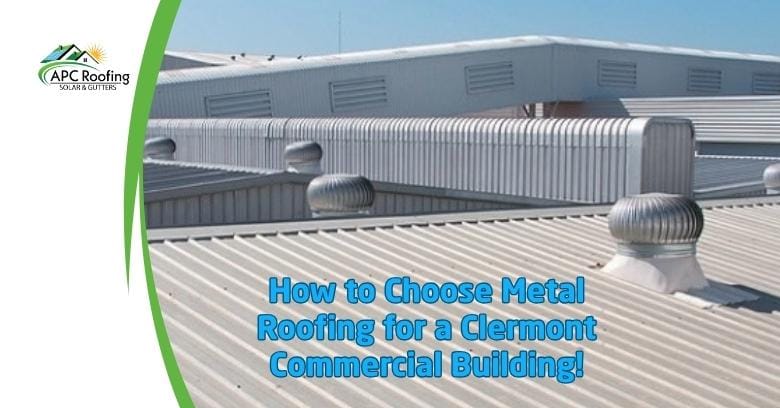
Your flat roof has started to let you down. Maybe it’s a porch or addition with a stain spreading across the ceiling, or a small commercial building where the old membrane has gone brittle and patched-over. Someone suggested TPO roofing, and now you’re trying to work out if it’s the right call or just the material that contractor happens to sell.
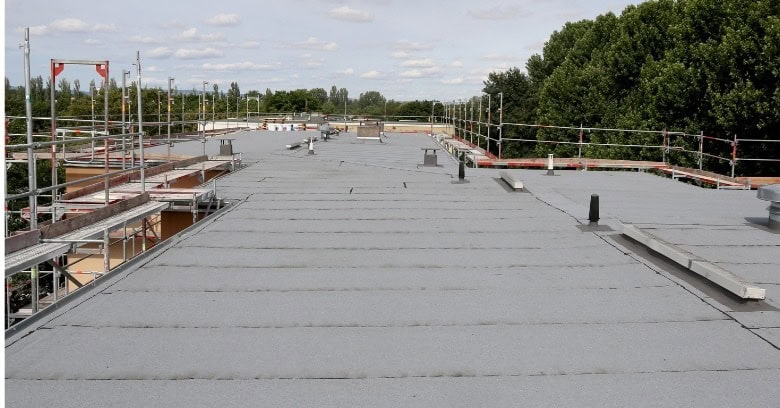
That’s a fair thing to want answered before you spend money. TPO is a strong choice for a lot of low-slope roofs, and a poor one for a few. This page explains how it works, what separates a good TPO roof from a bad one, and how to tell which you’re being offered.
APC Roofing has been installing and repairing roofs since 2017. We’re GAF Certified, licensed and insured, and your inspection is free. Call 866-995-0704 to have your flat roof looked at.
What TPO roofing is
TPO stands for thermoplastic polyolefin. It’s a single-ply membrane that comes in wide rolls, usually white, and covers a flat or low-slope roof in one continuous sheet. Inside the sheet is a woven fabric layer called a scrim, which gives it strength. Above and below the scrim is the plastic that faces the weather.
The big difference between TPO and older flat roofs is at the seams. On TPO, the seams aren’t glued. They’re welded with hot air, which melts the two overlapping sheets and fuses them into one piece of plastic. A good weld is as strong as the membrane on either side of it. Compare that to two sheets held together by adhesive that has to keep holding through years of sun and rain.
The weld is where a TPO roof succeeds or fails
That strength only exists if the weld is done right. Heat, travel speed, outdoor temperature and how clean the sheet is all change what the welder has to do. A weld that didn’t take looks almost exactly like one that did.
That’s why careful crews test instead of assuming. A common practice is to run a test weld at the start of the day and whenever the weather shifts, then peel it apart by hand. A good weld tears the membrane before the seam lets go. Finished seams get checked with a probe along their whole length.
When you’re comparing bids, ask each contractor how they check their seams. A clear, specific answer tells you a lot about the roof you’re about to buy.
Thickness matters more than the brand name
TPO is sold in thicknesses measured in mils (thousandths of an inch), most often 45, 60 and 80. The extra thickness is plastic sitting above the scrim, and that’s the layer that takes the sun, foot traffic and the occasional dropped tool.
Punctures are one of the most common problems on an otherwise healthy membrane. If your roof gets regular foot traffic from AC service techs, or you’re in an area that sees hail, a thicker sheet and walkway pads around rooftop equipment are worth asking about. Make sure the thickness is written on your estimate, not just “TPO.”
Heat, storms and the roof edge
A white TPO surface reflects much of the sun’s heat instead of soaking it up, so the roof stays a lot cooler than a dark one on the same afternoon. In Central Florida and the Daytona Beach area, that can mean less heat pushed into the rooms underneath. It isn’t a replacement for insulation, though. What sits under the membrane does most of the work on your energy bill, so the two should be planned together.
Wind is the other big factor. It pulls hardest at the edges and corners of a roof, so the edge metal and the fastening pattern there matter more than anywhere else. TPO can be mechanically fastened, fully adhered or attached with induction-welded plates, and the right method depends on your deck, the building’s height and how exposed it is. In the Kansas City area and around Springfield, hail adds another concern: a hard hit can crack a thin membrane over rigid insulation from the underside, where nobody sees it until a ceiling stain shows up.
When TPO isn’t the right answer
TPO is a poor fit if the roof will be exposed to grease or solvents without protection, like near some restaurant vents. It also may not make sense on a building that’s coming down in a few years, or on a roof where the membrane is sound and only the details around drains, curbs or edges need work. Sometimes a targeted flat roof repair is the smarter spend, and if that’s what your roof needs, that’s what we’ll tell you.
If you’re weighing your options for a whole building, our flat roofing page compares the main low-slope systems, including the ones used on larger commercial buildings.
Living with a TPO roof
Care is simple. Keep drains and scuppers clear, keep tools and grease off the surface, and have the seams and edges looked at on a regular basis instead of waiting for a leak. The surface will collect dirt, which is mostly cosmetic.
TPO has one long-term advantage that’s easy to miss. Because it’s a thermoplastic, it stays weldable. A new curb, a patch or an added rooftop unit years from now can be fused right into the existing roof instead of worked around.
How it works with APC Roofing
- Book your free inspection. Call 866-995-0704 or request a free online estimate.
- Get a clear, honest assessment and estimate. We look at the membrane, seams, edges, drains and what’s underneath, then walk you through photos and a written estimate. If a repair will do, you’ll hear that.
- Get the roof done and the site cleaned up. The crew installs your new TPO roof and leaves your property clean.
If you’d like to spread out the cost, financing is available through Aqua Finance, Fortifi, Hearth and Home Run Finance.
TPO roofing questions
Is TPO a good choice for a house, or just commercial buildings?
Both. It’s common on commercial roofs, and it also works well on the flat sections of a house: porches, garages, additions and Florida rooms that don’t have enough pitch for shingles.
Can TPO go over my existing flat roof?
Sometimes, if the old roof is dry and in decent shape and local code allows it. If moisture is trapped in the insulation or decking, it needs to come off first, or the new roof will hide a problem that keeps getting worse.
Is TPO the same as EPDM?
No. EPDM is a rubber membrane, usually black, with seams that are taped or glued. TPO is a white thermoplastic with heat-welded seams. Both have their place, and the inspection is where you find out which suits your roof.
Does APC work on TPO roofs in my area?
APC works across Central Florida, the Daytona Beach area, the greater Kansas City area and Springfield, Missouri. For local details, see TPO roofing in Greater Orlando or TPO roofing in the Kansas City area.
Get a straight answer on your flat roof
A small opening in a flat roof seam can let water soak into the insulation over a single rainy season. Once that happens, the job usually gets bigger.
Have it looked at while the simpler options are still on the table. You’ll come away knowing exactly what your roof needs and what it doesn’t, and the next storm becomes just another storm. Call 866-995-0704 to book your free inspection, or start your estimate online.