Asking about TPO Roofing in Kansas City Metro Area?
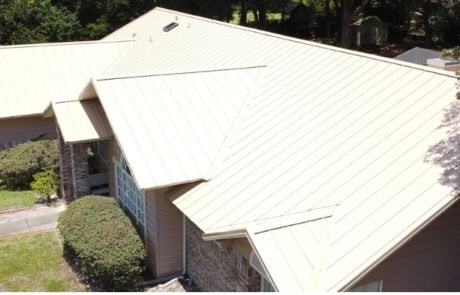
APC Roofing replaces and patches the coverings on shallow slopes, and on a residence the sheet usually covers a porch or a later addition.
Call 913-398-5020 and a roofer will inspect every detail and explain the findings.
Runoff by Design: Geometry at Work
What people call a flat roof is built to fall slightly toward an outlet, and the building code floor for membranes is about a quarter inch per foot. Carpenters can set the change in height into the rafters, or stepped insulation panels can put in the difference instead.
A steep main roof clears a heavy shower within seconds, while a shallow porch roof keeps a film of rain for a good while, so a pinhole in the membrane meets far more exposure. Behind a chimney or skylight curb, a cricket splits the flow, and puddles never get a pocket to settle in.
Past the Point for Shingles: a Rule of the Trade
An asphalt roof is allowed by code only at two in twelve and up, and clay and concrete tile need steeper planes yet. Below the minimum, wind forces water up under every lap, and the plywood soaks up moisture and softens.
A house can carry shingles up high and a membrane on the low garage, since each covering is chosen for the plane beneath. Sheet roofing forms one unbroken barrier once the joins are closed, which lets rain rest on the surface without finding a gap.
Low-Slope Choices: Names Decoded
TPO and EPDM arrive as wide single-ply rolls, while modified bitumen is asphalt blended with polymers in narrower strips, and built-up roofing stacks felt and hot tar beneath gravel. Light membranes spare the framing over porches and garages, and every join can be tested before the crew leaves.
TPO is a plastic membrane usually made in white, while EPDM is a dark synthetic rubber. The deck, the drainage and any rooftop equipment point to the right product, and we explain our recommendation, and the homeowner makes the decision.
How the Joins Are Made – Matched to the Material
The open field of a membrane rarely leaks, but the places where widths overlap are where faults appear. A TPO seam is melted together with a stream of hot air, and a roofer runs a probe down the joint to catch any gap.
An EPDM lap relies on primer and tape, so a dusty or damp surface at installation undermines the grip. Weathered rubber joins commonly peel back at a corner, and a cover strip across the opening keeps water out once more.
Picking a Shade: Felt Indoors
A reflective TPO sheet sends a large share of solar heat back up, so the space below needs less cooling. A dark EPDM sheet collects radiant energy, and the deck beneath warms by evening. Reflectance is valuable in the hotter markets we serve, and the gain narrows at the colder end of our territory.
Grades Compared – Where the Difference Shows
A mil, one thousandth of an inch, is the unit for membranes, and 45 and 60 appear on a great many homes, with heavier rolls available for tougher duty. A fuller build resists punctures from a falling tool, and the added body weathers longer under ultraviolet light. From the lawn, every gauge looks much the same, so the written scope lists the mil rating.
What Sits Underneath: Foam and Structure
The membrane usually rests on a thin cover board, and rigid insulation fills the next level down, and plywood, steel or concrete forms the deck at the bottom. Polyiso slows heat passing into or out of the rooms, and more thickness means a higher R-value. Drenched insulation quits performing and gets heavy, and dampness below a sealed membrane stays put for years. Meter readings, infrared images and a small core show the size of the affected area, since the surface can look perfectly normal.
The Tie-In: Layering Done Right
Where a porch butts a steeper roof, the membrane climbs beneath the courses, so water coming down ends up on the membrane. The top edge of the sheet stays tucked out of the weather, and nothing depends on a line of sealant.
If the membrane sits on the last course, rain runs in behind, and a hard storm drives moisture into the framing. Wet drywall where the porch ceiling meets the house often leads back to a reversed junction, and the cure is to rebuild the detail with the shingles on the outside.
Edge Metal – Held Tight
Wind crossing a low roof pulls upward at corners and along the perimeter, and an opening can let the membrane peel back across a wide area. A formed metal strip pins the sheet along the outside, and the drip leg guides water down into the gutter.
A termination bar anchors the membrane at the wall line, and a bead of sealant along the upper side keeps water from running behind, and tucked-in counterflashing protects the joint. Lifted edge trim or popped fasteners need attention, because a firm perimeter keeps gusts from prying underneath.
Low Walls Around the Deck: Dressed and Capped
Base flashing brings the membrane up the inboard face, and counterflashing set higher overlaps the turned-up edge. The parapet is topped with a coping, with a tilt toward the roof so rain stays off the exterior.
Gaps between crest sections let water travel down inside the wall, and the moisture then shows up far below. Brick needs repointing wherever mortar has cracked, and framed construction under stucco needs sealed corners and a tight top.
Getting Rain Away – Plumbing on Top
Runoff departs a low roof through an inside outlet, a wall scupper or an edge gutter, and a clog at any opening backs water up. An interior drain sits in a shallow sump under a domed strainer, and the pipe descends through the house to the yard or a storm sewer.
A backup scupper sits above the main outlet, and a roof enclosed by parapets needs a second way out under the code. Strainers and gutter throats are cleared of leaves and grit on a service visit, and a dome that has moved is fastened back down.
Pools That Linger: Slow Harm
Rain found on a membrane two full days after a storm is a defect in a roofer's eyes, and a sag in the deck or a clogged outlet lies behind the problem. A membrane under a lasting pool ages faster, and sediment and algae settle on the wet surface. Rain a few inches deep weighs enough to bow the framing slightly, and a deeper sag catches more rain in the next storm.
Swapping the membrane leaves the contours of the deck untouched, so tapered insulation, a cricket or an added drain has to do the correcting. The joists and the path for new pipe steer the choice of remedy, and a level laid across the low area confirms the plan.
Punctures and Cuts – Small but Serious
Sharp objects can breach a single-ply membrane at any age, and a fallen screw or a dragged toolbox can do the damage. Hail at the colder end of our territory can fracture a brittle membrane, and broken limbs can slash a surface wherever trees overhang.
A small hole found early needs only a patch, but the same gap left through a rainy season soaks the insulation underneath. Pinholes show up only on a slow, close walk of the field, and a look from the ladder top misses tiny punctures.
Protecting the Route – a Sacrificial Layer
A membrane is a watertight skin and was never meant as flooring, and each technician's trip to the air conditioner on the roof roughens the surface slightly. Sturdy pads are adhered or welded down on the way to the units, and the strips carry the abrasion in place of the membrane. Where mechanical gear sits up top, the scope includes traffic protection, and heating and cooling crews are asked to keep to the marked lane.
Decking Up Top: Access for Repairs
Pedestals under the pavers hold tables and chairs above the membrane, and rain slips underneath to the outlets. Big planters need the framing checked for the added mass, since soaked earth gets much heavier after rain.
Each paver can be lifted off by hand, so the membrane below can be reached without tearing anything out.
Openings for Equipment – Detail Work
A vent pipe takes a molded boot of matching membrane, and a clamp draws the collar snug around the stack. A skylight or a unit sits on a curb raised above the deck, and the membrane turns up all four faces beneath metal. Brackets or bundled cables of odd shape go into a pitch pocket, which is a shallow dam holding sealant.
With age the fill shrinks away and cracks, and adding more is routine maintenance.
Fixing Versus Replacing – the Honest Verdict
Membrane leaks tend to trace to one small spot, and a matching piece sealed around the damage restores the surface. On TPO, the overlay is welded and then probed, while on EPDM the cover is primed, taped and rounded at the corners.
A new roof is the sensible choice when joins fail all over, or the membrane has hardened and split, or large stretches of insulation are soaked. We tell you directly which course is sound, and photographs and readings support the verdict.
Overlay or Strip – When Each Makes Sense
A new sheet can be laid over the current roof on a separator board, and codes allow the method only where a single covering is present. Laying a sheet over the top needs dry insulation, since moisture shut in keeps working on the framing.
Removal down to the deck is what a tear-off means, and damaged boards can be patched and pitched correctly, and a roof with two coverings must be stripped by code. The route follows the meter readings and how many layers are there, and the owner gets the findings in writing before choosing.
Aging Up Top – Stretching the Useful Span
Ultraviolet light, daily heat swings and pooled rain break down a membrane gradually, and repeated service visits scrape tracks over the field. Annual strainer cleaning and pocket top-ups add seasons, and quick patches over small cuts spare the insulation.
Clues Worth Heeding – Noticed Around the House
- A tea-colored stain on the ceiling below the low section, meaning moisture has worked past the insulation.
- Runoff shooting from the backup scupper during a downpour, a hint that the main outlet is blocked.
- Edge metal bent or lifted after high wind, where the membrane can begin to peel.
- Green growth along the roof edge, a hint that rain stays put too long.
- A roofline with a noticeable dip from the driveway, which may mean the deck is carrying ponded weight.
- Bubbles in the membrane noticed from a second-floor window, from moisture caught beneath or a broken bond.
- Streaked stucco below a parapet, often linked to cracked coping joints.
- A wet stripe on the porch ceiling next to the house, usually a clue the tie-in has opened.
How APC Roofing Tackles TPO Roofing in Kansas City Metro Area: Order and Method
The drainage gets our attention before anything else, outlet by outlet, and the laps follow, probed along the full run. Edge metal, parapets, curbs and pitch pockets get examined afterward, and where a leak is present, a meter and a core cut test the insulation.
Everything we find goes into a written report with photographs, and every part is rated in plain words. If a repair is enough, we say so, and a membrane beyond saving is named honestly.
TPO Roofing Around Kansas City Metro Area: Roofers Who Know Membranes
Call us at 913-398-5020 and we will put an inspection on the calendar.
Roof Coatings: Honest Limits
Rolled or sprayed fluid can go over an existing membrane, and the liquid cures without a single seam. Applied to a sound roof, a coat adds service and reflects the sun, but over wet insulation or open laps the layer only covers up trouble.
Silicone tolerates standing water, whereas acrylic fails under puddles. Cleaning, priming and patching account for the bulk of the labor, because anything applied over dirt or chalky residue peels. We tell you directly when a coating is a sensible choice, and when the sheet below calls for real work instead.
Timing a Membrane Job: Setting the Dates
On EPDM, primer and tape require a dry surface, and a chilly spell slows how fast the adhesive grabs. TPO welds form well on a brisk morning, but rainfall halts membrane installation of every type.
A small patch fits a brief dry spell, whereas a full replacement needs several settled days. Work areas are closed watertight before the crew leaves each evening, so no rain reaches the house after hours.
For work on TPO Roofing in Kansas City Metro Area, speak with APC Roofing at 913-398-5020. A roofer inspects the membrane, the outlets and the trim, and the findings arrive in writing with the decision left to you.