Every time it rains, you check the same spot. Maybe it’s the flat roof over the porch, the garage or the addition, or maybe it’s the whole roof of your building. Water sits up there for days, the seams are opening, and the patches aren’t holding anymore. A new flat roof installation is the fix, but you’ve heard enough stories about flat roofs that leak right after they’re replaced to be wary of who does it.
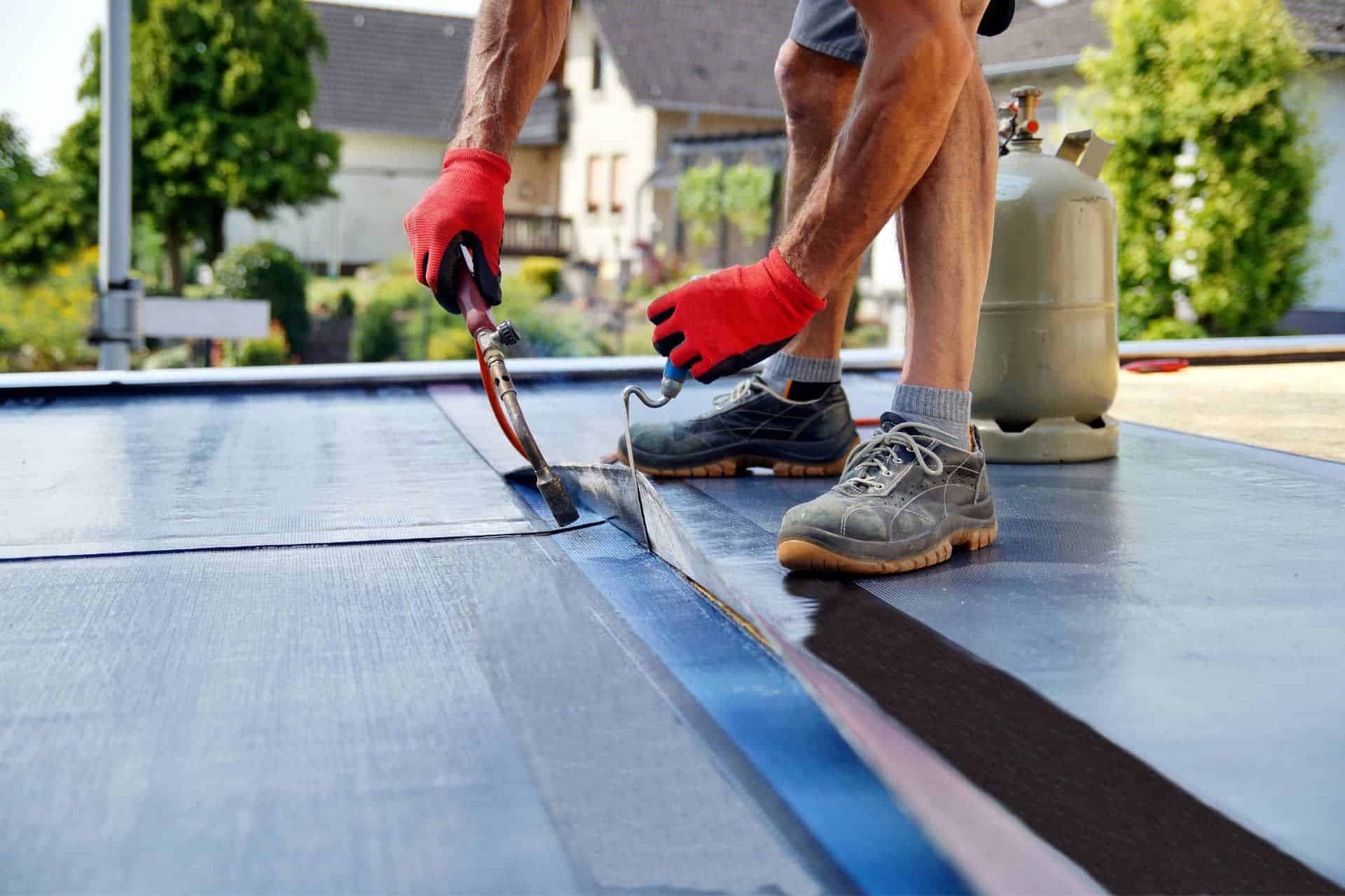
That caution makes sense. Flat roofs are less forgiving than pitched ones, and most of what makes one last happens before the membrane ever goes down.
APC Roofing installs flat and low-slope roofs for homes and light commercial buildings in Central Florida, the Daytona Beach area, the Kansas City metro and Springfield, Missouri. We’re GAF Certified, licensed and insured, and your estimate is free.
Why drainage comes first
An inch of standing water weighs a little over five pounds on every square foot it covers. Spread that over a thousand square feet of roof and the puddle nobody worried about is more than two and a half tons sitting on the framing. Water that stays put also works into every seam and small opening, and on a Missouri or Kansas roof it freezes and expands in them all winter.
So a flat roof installation is really a drainage job with a waterproof surface on top. Get the water moving and the membrane has an easy life. Leave it ponding and even a brand-new roof struggles.
What a good flat roof installation includes
A sound deck
Soft sheathing, rusted steel, loose fasteners and old wet insulation have to be found and fixed before any new roofing goes on. Fasteners need something solid to grip. If the deck moves, the new roof loosens in the first strong wind, no matter how good the membrane is. On a re-roof, this is also where you decide whether to cover the old roof or tear it off. Tear-off costs more on day one, and it’s often the only version of the job worth paying for.
Slope that wasn’t there before
“Flat” roofs aren’t supposed to be perfectly flat. Manufacturers and codes generally design low-slope roofs around a quarter inch of fall per foot. Many existing roofs don’t have it, so it gets built in with tapered insulation, panels cut at a slight pitch and laid out to walk water toward the drains. Small crickets go behind chimneys, curbs and anything else wide enough to dam the flow. Done right, the roof is dry a day or two after a storm instead of holding ponds until the sun burns them off.
Drains and overflow sized for real storms
Drains, scuppers and gutters should be sized for the rain your area actually gets. A Florida afternoon storm or a Kansas City thunderstorm can dump more water in twenty minutes than an all-day drizzle, and an undersized drain doesn’t care how new the roof above it is. Where a parapet wall keeps water from running off the edge, there should be a backup path, like an overflow scupper, so a clogged drain shows up as water spilling down the wall instead of hidden weight on the structure.
Edges, curbs and transitions
The open middle of the roof is the easy part. Pipe boots, equipment curbs, wall terminations and the spot where a flat section meets a pitched roof are where skill shows and where most leaks start. Wind lifts a roof at its edges and corners first, which matters during Florida’s hurricane season and in Midwest straight-line wind, so edge metal and perimeter fastening get extra attention.
Choosing your flat roof material
The main options for a flat roof installation are:
- TPO, a white single-ply membrane with heat-welded seams. It reflects sunlight, which helps in Florida heat. See TPO roofing for more.
- EPDM, a black rubber membrane that stays flexible in cold weather and is common in the Midwest.
- Built-up roofing (BUR), layers of asphalt and felt, often topped with gravel, found on many older commercial buildings.
The right choice depends on your climate, how the roof drains, how much foot traffic it gets and what’s on the building now. We’ll walk you through the trade-offs for your roof.
Flat roofs on houses
Flat roofs over porches, garages, dormers and room additions cause more trouble than their size suggests, usually right where they tuck under siding or meet the main roof. They deserve a real membrane and a properly flashed connection to the pitched roof, not roll roofing and a tube of sealant. Built and tied in correctly, they stop being the part of the house you worry about every time it rains.
How it works
- Book your free inspection. Call 866-995-0704 or request a free estimate online.
- Get a clear, honest assessment and estimate. We check the deck, drainage and edges, then give you photos and a written estimate with your material options.
- Your new roof goes on and the site gets cleaned up. The crew opens only what they can close and seal the same day, then cleans up before leaving.
Flat roof installation near you
See the details for your area: flat roofing in Orlando and flat roofing in Kansas City. If your current roof might only need a fix, start with flat roof repair.
Flat roof installation questions
Which flat roof material is best?
There isn’t one best material for every roof. TPO is a strong choice where sun and heat are the main concern, and EPDM handles cold well. We’ll recommend one for your roof and explain why.
Can you fix the ponding on my existing flat roof?
Often, yes, during a replacement. Tapered insulation and better-placed drains can build slope into a roof that never had enough.
Can the new roof go over the old one?
Sometimes. Codes generally allow one recover over an existing roof, but not over a wet or damaged one, and not if there are already two roofs on the building. A look at what’s under the surface settles it.
How long does a flat roof installation take?
A porch or garage roof is often a short job. Larger roofs and commercial buildings take longer. You’ll get a realistic timeline with your estimate.
A flat roof you don’t have to think about
Patching a failing flat roof one more time usually buys a season, and every season of ponding water soaks more insulation and softens more deck.
Call 866-995-0704 to book your free inspection. You’ll end up with a roof that drains, a dry building under it and a bill that matches the estimate.