Need Emergency Roofing in Daytona Beach Florida?
APC Roofing handles everything from a simple checkup to a full replacement, across asphalt, metal and tile alike.
Get in touch at 386-356-2111, and a roofer sets a time to come look at the house.
The Roof's Working Parts: a Plain Guide
The surface a passerby notices is only the outer layer, and underlayment, decking and structural framing sit out of view. Metal flashing seals the seam at a wall, a pipe or a valley, and trouble nearby seldom means a failure in the surrounding shingles.
The air under the rafters counts as part of the roof, the same as any material, since heat and humidity held there wear down the wood and covering overhead. A drip inside a bedroom can come from any level of the roof, so a repair aimed only at the surface can miss the real cause.
A Roof at Work: More Than Meets the Eye
A sloped covering sheds every storm's water downhill, while nails and seal strips resist the pull of gusts. The rafters and the deck carry the weight overhead, snow included at the colder end of our territory, while airflow through the attic moves damp air out.
The covering handles water, and the fastening handles wind, and holding the whole thing up falls to what is underneath. A failure in one part puts pressure on neighboring parts, so the trail gets followed back before anything gets mended.
Minor Roof Components: What Falls Behind First
Most of the slope is designed to hold up for decades, but the rubber boot at a drain stack wears through much earlier. Rain finds a way down past the weak point, and a brown patch forms on the ceiling underneath.
Caulk along a wall joint hardens and pulls away in the heat, and aluminum flashing pits at the bends in salt air. Cap shingles break along the seam, since the crest takes more weather than the planes below.
A Walk Around the Property Beforehand: Before Anyone Climbs
At a distance, the outline of the roof gives away dips, sags and wavy planes, and the fascia and gutter runs are visible at the same time. Binoculars pick out torn collars, lifted tabs and bare patches, though failing sealant can stay hidden from the ground.
On the slope, a roofer works over every pipe connector and traces each flashing run, and the covering is checked for brittleness, granule shedding and curling. Nobody walks a covering that is wet or too steep, and a ladder at the edge serves as the lookout instead.
Inside the Attic: Clues From Below
Discolored wood around a fastener points to water that beat the covering, and a clammy touch means the problem is ongoing. A pinpoint of sky through the boards marks a gap, and the distance from the ridge and gable gets measured so the spot can be found outside.
Nail points gone orange signal damp air, not a leak, and a darkened patch under the deck tells the same story. A blocked eave packed with fill, or a bathroom fan venting into the attic, shows up only on an inside look, so a look from the yard alone misses ventilation faults of that kind.
The Follow-Up Paperwork: the Basics
A record of the visit takes the form of photographs keyed to spots on the roof, and a note explains what each picture shows. Good sections get the same plain treatment as sections that do not, and faults are ranked by how soon repair is needed.
Keeping an older report gives the next check something to compare against, and a pattern over time tells more than a single day ever could. Regular yearly checks keep an owner from being caught off guard, and the signs of a major repair appear well before the job becomes pressing.
Maintenance Tasks: a Short Rundown
Worn boots around the stacks get exchanged for new ones, and aging caulk at skylights gets cut out and redone. Anything the trees drop gets brushed out of the channels, and downspouts get flushed so water moves through.
A lifted tab sealed down early stays a small job, but delay through a wet season can let water reach the ceiling below. Moss on a shaded slope traps moisture under the courses, and the growth gets killed with a treatment and swept off by hand.
A Regular Routine: What to Expect
A roofer's walk-through belongs on the calendar every year, timed for the point when local weather turns roughest. The purpose is catching wear before a leak develops, and nobody is left guessing about the roof's condition.
Between checks, a glance from the lawn after a storm is useful, and top-floor rooms are worth checking for fresh stains. A flashlight trip into the attic twice a year pays off: damp wood, daylight and wet insulation are easy to see long before anything reaches the space below.
Reading a Roof's Age: From New to Worn
A shingle surface in the first seasons looks crisp and even, and around the midpoint the sun-facing plane grows paler sooner than the rest. Late in a roof's run, tabs cup and granules wash into the downspouts, and a repair rarely holds for long at that stage.
An impression formed from outside has real value, but a ladder and a closer look tell the fuller story. Once shingles are spent, patching stops making sense, and a good contractor gives that answer plainly, rather than selling another repair.
A Blocked Channel: the Basics
The covering carries runoff only to the lower edge, and the gutter picks up the flow at the edge. A run choked with leaves sends overflow behind the trim board, and the rafter tails nearby rot over seasons.
A soft spot along that edge points more often to drainage trouble than to worn shingles, and reroofing alone will not solve a fault at that spot. Gutter fall and downspout placement get checked together, and the flashing along the eave gets looked over for bent or missing pieces.
Why the Area Above Needs to Work Right: Why the Details Matter
Fresh air is meant to come in at the soffits and exit along the ridge, and that movement removes heat and moisture from under the deck. Once that gets shut off, the attic bakes in summer and stays soggy in humid weather, and the whole build's service life shortens.
A fan starved of intake draws air from the rooms below, not from outdoors, and one high point pulling toward a nearby high point can choke flow at the soffits. A roof placed over bad ventilation inherits an existing weakness, so the underlying cause gets addressed in the plan for the new roof.
What Gets Chosen and Why: An Overview
Toward the colder end of our territory, frozen gutters and heavy snow set the priorities, and a waterproof membrane covers the bottom few feet of deck. Near the coast, wind pressure sets how every panel gets nailed, and reinforced edge metal and sealed seams get specified.
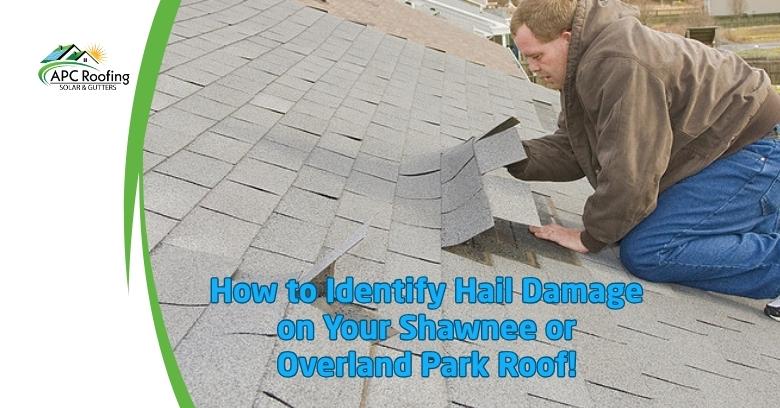
Across the hail belt at the colder end of our territory, impact ratings matter, while heat takes a toll on roofs everywhere we work. The details get set by conditions at that specific location, not routine or whatever was used on the last job.
Residential and Commercial Roofs: Different Demands
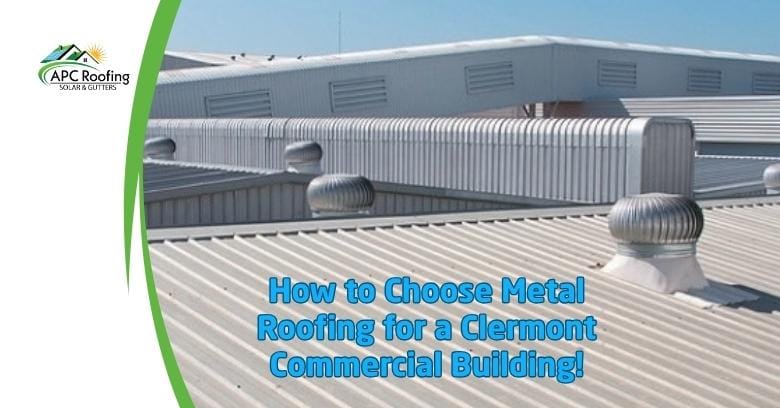
Angle and overlap work together to move water off a pitched covering, finished in asphalt, clay or steel. A commercial building usually has a nearly flat, sealed membrane, and drains, scuppers and rooftop units sit built into that surface.
A fair number of homes have a shallow strip over a porch, and shingles over an area such as that leak because standing water finds a way under the laps. A spot shaped that way calls for a sheet membrane, tucked under the steeper roof above, and another layer of shingles there brings back the same problem.
Protecting a Damaged Roof for Now: Done the Right Way
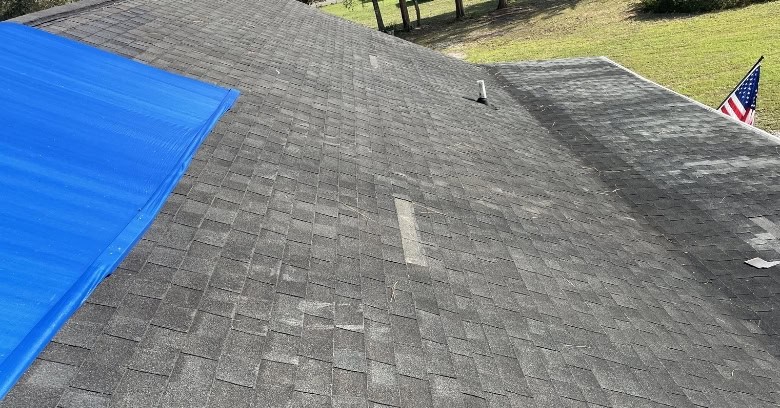
A secured sheet keeps rain out while repairs get scheduled, but nothing gets solved underneath. A sound cover sits over the ridge and gets held down by wood battens screwed through the material, and the material gets pulled taut so wind cannot get behind the edge.
Extra reach past the opening matters on any temporary cover, since water slips in under any edge that ends too soon. A membrane left up too long traps moisture against the covering, and the covering underneath ages faster than expected.
Doing the Vertical Joints Properly: Getting the Work Right
Every course against a wall gets a dedicated step-flashing piece, and counterflashing tucked into the masonry covers that metal from above. On a brick chimney, an apron handles the lower edge and metal runs up each edge, and a wide stack gets a cricket built into the slope nearby.
Sealant slathered on a weak spot lets go as the metal expands and contracts, and only a correct rebuild ends things for good. Eroded mortar joints let water into the brick above the flashing line, and part of that repair belongs to a mason, not a roofer.
Putting Requirements on Paper: Nothing Left Vague
A detailed listing names each material going on the roof, and the document says whether the existing roof gets stripped to the deck. The account spells out in advance how damaged plywood gets counted, and the flashing, the exhaust work and the final cleanup all get covered.
Bids laid out in full are easy to check against each other, and the real differences between the two documents come into view. A roofer who waves off the specifics gives no genuine protection, because nobody can confirm later what got said.
A Tear-Off and Rebuild: What Happens
Anything near the eaves that could get damaged gets protected ahead of time, and the worn material gets pulled loose and hauled away. At that stage, the wood underneath gets inspected, and any spongy spot gets swapped for new stock.
Underlayment, new metal and ice-and-water membrane go on across the open deck, and the main covering, the ridge line and the vents finish the work. The property gets swept with a magnet once the crew wraps up, and no debris gets left in the gutters.
Non-Shingle Roofing Care: What Owners Should Watch
Exposed-fastener metal panels seal at a rubber gasket under every fastener, and a brittle washer gets replaced whole, never smeared with anything extra. Concrete and clay tile get installed by mortar, by foam or by mechanical attachment, and the underlayment handles the water, not the surface material.
A heavy step on an unsupported piece causes a crack, and a matching replacement goes in wherever one gives way. On the shallow parts of a roof, lingering water and loose seams are worth watching, and the drain openings get kept free of debris.
Things an Owner Can Spot: a Checklist
- Granules collecting in the gutters, well after the roof was new.
- Tabs curling at the corners, spread across more than one row.
- A vent seal that has pulled loose, easy to spot with binoculars.
- Paint blistering overhead after a storm, soft at the center.
- Light leaking in near a valley or a pipe, on a sunny afternoon.
- Clumps of moss under overhanging trees, pushing up the lower edges of the shingles.
- A bulge that catches the light at dusk, seen best from across the street.
- Dried beads separating at a skylight, often after a hot summer.
Emergency Roofing Around Daytona Beach Florida: How the Visit Works
Before a scope gets drawn up, a roofer examines the whole covering and the attic, and the report shows up as photographs and a clear written account. What is holding up gets stated as clearly as what is not, and the homeowner sets the order of any work.
Emergency Roofing Around Daytona Beach Florida: a Close Look at the Roof
Phone 386-356-2111 to schedule a visit to the property.
Documentation for the Roof: Useful at Resale
Saving the install date and the product names on the invoice pays off later, and adding every inspection report to that folder grows the file. Marking down every repair, with the location and the work done, leaves useful detail, and after several years the weak spots become obvious.
When a house goes up for sale, a buyer's inspector asks about the roof, and dated receipts make the answers easy to give. A copy kept at a second location protects the earlier notes, in case the paper sheets go missing in a move.
Signs of a Job Done Right: a Homeowner's Guide
The lines run true from eave to ridge, with rake cuts trimmed sharp, and nails stay covered by the layer above. Around chimneys and dormers, the flashing gets replaced rather than reused, and no gob of roofing cement stands in for a missing piece.
Air can move from the eaves to the peak without obstruction, and the gutter runs finish straight and fastened. A final sweep with a magnet tidies the yard and drive, and sawdust near a cut line is the most common leftover once the work wraps up.
Anyone weighing choices for Emergency Roofing in Daytona Beach Florida is closer to an answer than a listings page ever gives. Reaching out to APC Roofing at 386-356-2111 gets a date on the calendar. Every visit looks at the roof as a whole, not one spot alone, and nothing is left to guess at.