The storm has passed, and now there’s a water spot on the bedroom ceiling and a few shingles in the side yard. You’re wondering whether to call your insurance company, whether the damage is even big enough to bother, and how to avoid the crews already knocking on doors up and down the street. Insurance roof claims in Daytona Beach can feel like a maze when you’ve never filed one.
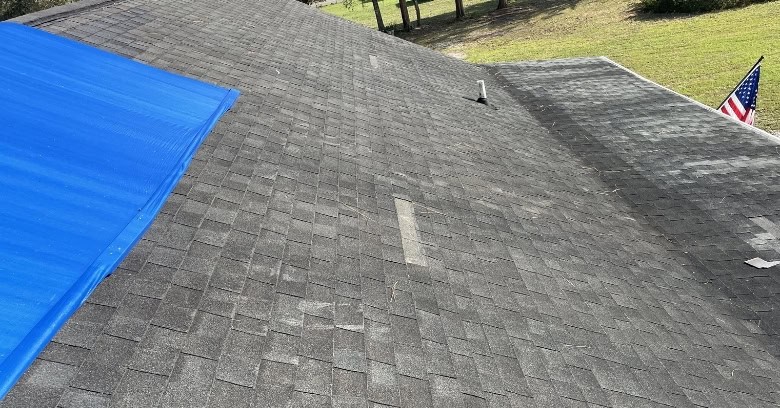
That uncertainty is normal. Most homeowners only go through a roof claim once or twice, and the stakes feel high. You don’t want to file for something that isn’t covered, and you don’t want to miss damage that is.
APC Roofing is GAF Certified, licensed in Florida (CCC1337030) and insured. We inspect the roof for free, document what we find with photos and give you a written estimate. You stay in charge of your claim. Call 386-259-8425 to get started.
Who does what on a roof insurance claim
It helps to know the roles before you start.
You own the policy, so you file the claim with your insurance company and you pay your deductible. You decide whether to file at all.
Your insurance company sends an adjuster to look at the damage, decides what the policy covers and issues payment based on that.
APC Roofing inspects the roof, documents the storm damage, writes the estimate for the repair or replacement and works with your adjuster so the damage on your roof is clearly accounted for. Then, if you hire us, we do the work.
Steps to take after storm damage
- Stay safe and stay off the roof. Wet shingles and tile are slippery, and storm damage can hide weak spots.
- Take your own photos. Shoot the roof from the ground, anything that blew into the yard, and any stains or drips inside. Note the date of the storm.
- Limit the damage inside. Move furniture and belongings away from leaks, put down buckets and towels, and keep receipts for anything you spend to protect the house. Your policy likely expects you to take reasonable steps to prevent further damage.
- Get a roof inspection. A roofer can spot creased shingles, lifted tiles, bent flashing and other damage you can’t see from the ground. Our page on roof inspection in Daytona Beach explains what we look at.
- Read your policy and report the claim. Check your deductible and any deadline your policy sets for reporting damage, then contact your insurer.
- Meet the adjuster. Share your photos and the roofer’s documentation. We work with your adjuster on the roof’s condition and the scope of the repair.
Insurance roof claims in Daytona Beach and coastal policies
Homes near the ocean often have insurance set up differently than homes inland. Many Florida policies carry a separate hurricane deductible, often figured as a percentage of the home’s insured value rather than a flat dollar amount. Some coastal homeowners have wind coverage on a separate policy altogether. Before a storm season starts, it’s worth pulling out your declarations page so you know what applies.
Your agent or insurer is the right source for questions about coverage. What we can tell you is what’s wrong with the roof and what it will take to fix it.
When filing makes sense, and when it might not
Not every roof problem is a covered claim. Insurance is generally meant for sudden damage, like wind tearing shingles off or a limb punching through the deck. A roof that has simply worn out from years of sun and age usually isn’t covered.
Sometimes the damage is real but small. If the repair estimate comes in below your deductible, filing may not get you anything. With a written estimate in hand, you can compare the two numbers and make the call yourself. If the roof needs work that insurance won’t cover, financing is available through Aqua Finance, Fortifi, Hearth and Home Run Finance.
Be careful who you hire after a storm
After a hurricane or tropical storm moves through Volusia County, out-of-town crews tend to show up fast. Some are fine. Others disappear once the check clears. A few habits protect you:
- Check the contractor’s Florida license yourself on the state’s license lookup at myfloridalicense.com.
- Be wary of anyone who offers to waive or cover your deductible.
- Don’t sign anything you haven’t read, and ask questions about anything that gives a contractor rights to your claim.
- Look for a local office and reviews from real customers in the area.
Trust matters, especially when you’re dealing with your home and your insurance at the same time.
How it works
- Book your free inspection. Call 386-259-8425 or request a free estimate online.
- Get a clear, honest assessment and estimate. You’ll get photos of the damage and a written estimate you can share with your insurer.
- Get your roof done and the site cleaned up. Once your claim is settled and you’re ready to go ahead, we do the repair or replacement and clean up afterward.
Waiting too long on storm damage can cost you twice. A small opening lets in water with every afternoon storm, and some policies have deadlines for reporting damage. A prompt inspection keeps your options open.
For more on what storms do to roofs here, see storm damage roofing in Daytona Beach.
Roof insurance claim questions from Daytona Beach homeowners
Should I call my insurance company or a roofer first?
Many homeowners get a roof inspection first so they know what they’re dealing with before they report it. Either order works. Just don’t wait long, and check your policy’s reporting deadline.
Will you deal with my insurance company for me?
You file the claim and talk with your insurer about coverage. We document the damage, provide the estimate and work with your adjuster on the roof’s condition and the repair scope.
Do I have to use the roofer my insurance company recommends?
Generally, you choose your own licensed contractor. If you’re unsure, ask your insurer what your policy says.
What if my claim is denied?
Ask your insurer for the reason in writing. If the roof still needs work, we’ll go over repair options and financing with you.
Get your roof back to sound
Call 386-259-8425 or start your free estimate online. You’ll know what happened to your roof, what it will take to fix it, and you’ll make the next decision with real information in hand. Then you can get back to a dry house and a roof you don’t have to think about.