A storm came through, and you’re fairly sure the roof took a hit. Maybe a roofer has already knocked on your door, or your insurance company has asked for an estimate. You need storm damage roofing in Clermont, FL done properly, and you’d like to understand what “properly” means before anyone climbs a ladder.
It’s hard to judge a roof repair you can’t see. You’re worried about paying for work you don’t need, missing damage that leaks later, or ending up with a patch that sticks out on the front of the house. You deserve a clear picture of what’s damaged and what it’ll take to fix.
APC Roofing has worked on Central Florida roofs since 2017. We’re GAF Certified, licensed in Florida (CCC1337030) and insured, and your storm damage inspection is free. Call 407-270-1129.
What a storm damage inspection should cover
A good inspection looks at the whole roof, not only the spot you noticed. Storms damage roofs unevenly, and the side that faced the wind usually took the worst of it.
On the roof, that means every slope, the edges and ridges, flashing at walls and chimneys, pipe boots, and the gutters, which collect granules and dents that hint at hail. Inside, it means the attic when it’s reachable, looking for wet decking, stained rafters and damp insulation. You should get dated photos of everything that was found, damaged or not, so you have a record.
Storm damage by roof type
Shingle roofs
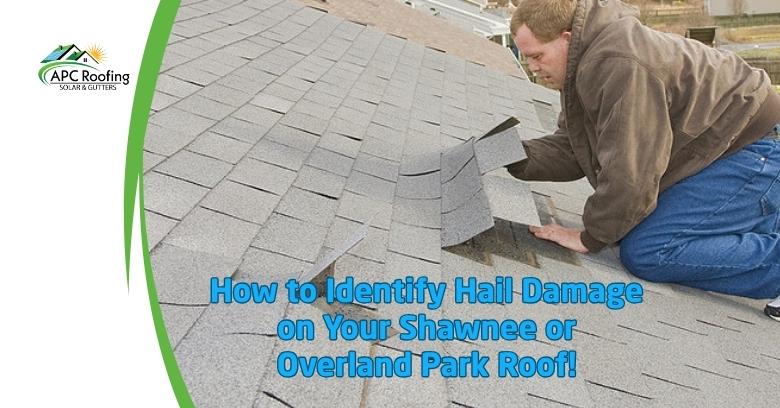
Look for missing, creased or lifted shingles, especially along edges and ridges. Hail leaves soft, dark bruises where granules were knocked off. Shingles that lost their seal but stayed put are easy to miss, and they’re often the next ones to blow off.
Tile roofs
Cracked, slipped or broken tiles are the visible signs. The bigger question on a tile roof is the underlayment underneath, since that layer does the waterproofing. Wind-driven rain past a displaced tile can soak it.
Metal roofs
Check for loose fasteners, lifted panel edges and bent trim. Hail can dent metal; whether a dent affects the roof’s performance depends on where it is and how deep it goes.
Flat and low-slope roofs
Look for membrane lifted at the edges, torn seams, punctures from debris and water pooling where it didn’t before.
Finding water that already got in
After a storm, many homeowners worry less about the shingles than about what’s underneath: did rain already get inside? It’s a fair worry, because wet insulation and decking don’t always show up right away.
The attic is where to start. Dark streaks on the underside of the decking, wet or matted insulation, rusty nail tips and stained rafters all point to water. Indoors, look for new ceiling stains, bubbling paint near the top of walls, and musty smells in closets on the top floor. If any of that turns up, the wet materials need to dry out or be replaced before the roof over them is closed back up. Decking that’s gone soft gets new wood.
Storm damage roofing in Clermont, FL: repair or replace?
Most storm-damaged roofs end up with one of three fixes.
A repair fits when damage is limited to a few spots and the rest of the roof is sound. Replacing a slope or section can make sense when one side of the house took most of the hit. A full roof replacement is the better call when damage is spread across the roof, or the roof was already near the end of its life.
Matching matters too. Older shingles fade, and some colors and lines are no longer made. If a close match isn’t possible, talk with your adjuster about how your policy handles it. You’ll know about any matching issue before the work begins.
How claims work with us
You file the claim with your insurance company and you pay your deductible. We document the damage with photos, provide a written estimate and work with your adjuster. Your insurance company decides what’s covered. If the damage is minor or below your deductible, you’ll hear that honestly. Be wary of anyone who offers to waive or cover your deductible.
For more on the claim process, see our insurance roof claims page for Clermont. If you’re still sorting out what to do right after a storm, start with our Clermont storm damage page.
How it works
- Book your free inspection. Call 407-270-1129 or request a free online estimate.
- Get a clear, honest assessment and estimate. You’ll get dated photos and a written estimate covering the repair or replacement, ready to share with your adjuster.
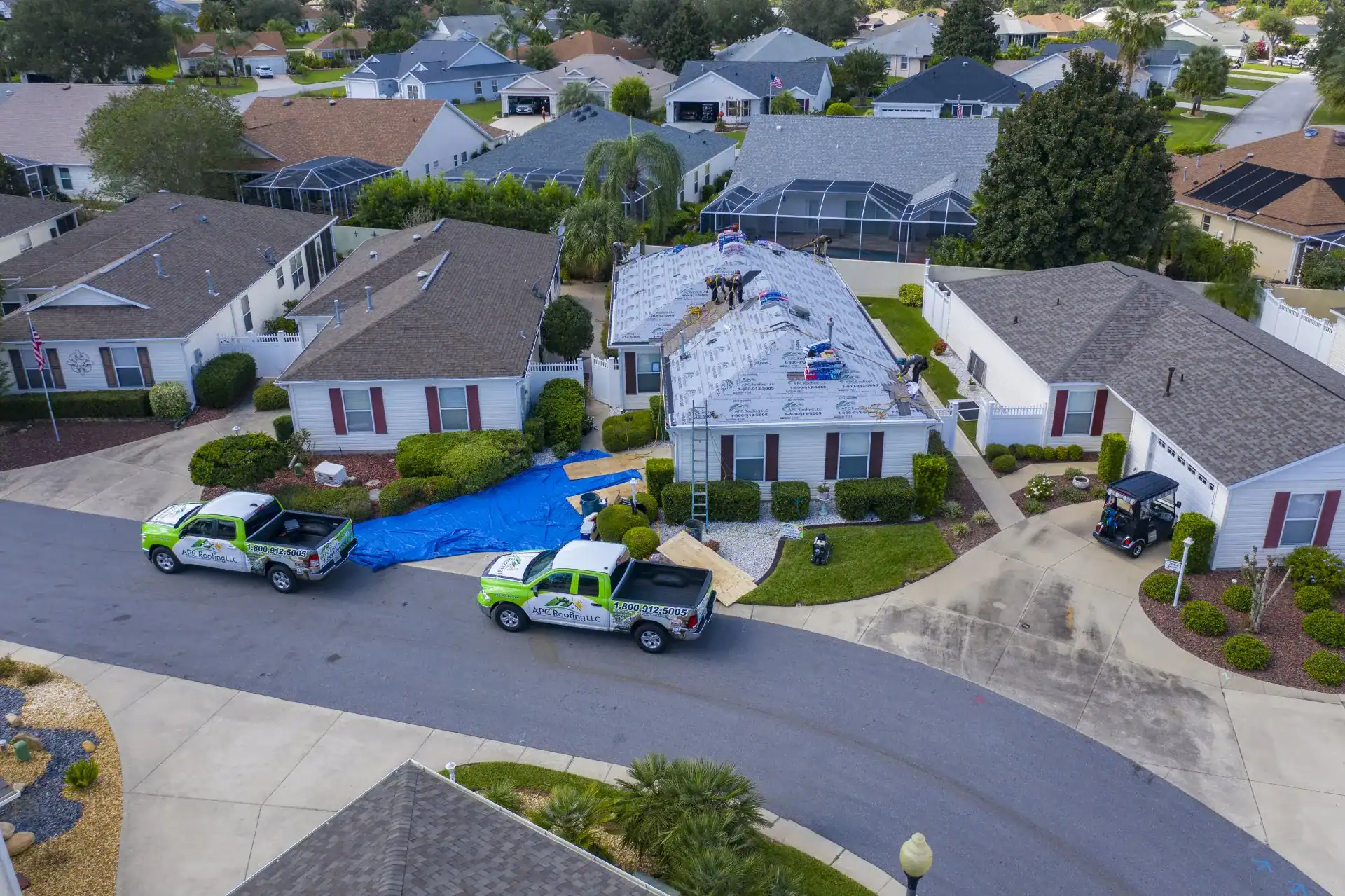
- Your roof gets fixed and the site gets cleaned up. Many residential projects are finished in a single day.
Financing is available through Aqua Finance, Fortifi, Hearth and Home Run Finance for anything insurance doesn’t cover.
A storm-damaged roof that’s left alone takes on a little more water each time it rains. Over a Central Florida summer, that can turn a shingle repair into new decking and drywall.
Storm damage roofing questions from Clermont homeowners
What’s a water intrusion inspection?
It’s a check for water that has already gotten inside, in the attic, insulation, decking and ceilings. After a storm it’s part of a full roof inspection, because wet materials need attention before the roof is closed back up.
Can my storm-damaged roof be repaired, or does it need replacing?
It depends on how widespread the damage is and the roof’s condition before the storm. Limited damage on a sound roof usually means a repair. You’ll get photos and an honest recommendation.
The insurance adjuster already came out. Do I still need a roofer’s inspection?
It helps. A roofer’s inspection and written estimate give you your own record of the damage and the cost to fix it, which you can share with your adjuster.
What if my shingles aren’t made anymore?
A close match is often possible. If it isn’t, talk with your adjuster about how your policy handles it, and you’ll know where things stand before work begins.
Get your storm-damaged roof inspected
Call 407-270-1129 or book online. The goal is a roof that’s whole again, a dry attic, a record you can count on for your claim and no surprise bill.