Looking for Storm Damage Roofing Near Blue Springs Missouri?
APC Roofing goes over the shingles once the sky has cleared, measuring every mark before anything is touched.
Phone 913-398-5020 and describe what you are seeing from indoors.
How Air Travels Over Shingles: Not Spread Out Evenly
The eaves, the rakes and the ridge carry the heaviest load of any gust, and a wide open middle takes far less punishment. Air that gets under a raised lip pries at the shingle set above the lip, and a single fastener ends up holding that shingle down alone.
At a house corner, wind rounding two exterior faces collides, so a tighter attachment pattern goes into that area during installation. A row nearest a projecting edge takes on more force than a row set well off to the side, so extra fasteners there exist for exactly that reason.
An Invisible Step in Every Install: Left to the Weather
Every shingle carries a strip of sealant that fastens down to the course beneath, and nothing else secures a shingle's lower edge. Uplift can loosen a bond over a wide stretch, and the shingle shows no gap at all.
A course carrying a broken seal only reveals trouble when the wind stirs again, and rain then reaches nail heads left bare for the first time. A single shingle adrift on a wide slope is a small matter alone, but a whole run of parted shingles is an opening for the weather.
A Rating Printed on a Wrapper – Often Misread
A sample piece is built new, with every tab sealed before any force is applied, before a controlled gust is brought to bear on the assembly. A roof that has carried several seasons of weather no longer acts like unweathered shingles straight off a supplier's truck, so an early rating speaks to day one, never to a roof much later.
A nail set too far up misses the layer a shingle relies on for a full hold, and the wind needed to lift a shingle turns out lower than expected. Long exposure to sun leaves asphalt beneath the granules stiffer than new, which is why an early rating belongs to day one alone.
Hail and What a Strike Leaves – What the Eye Misses
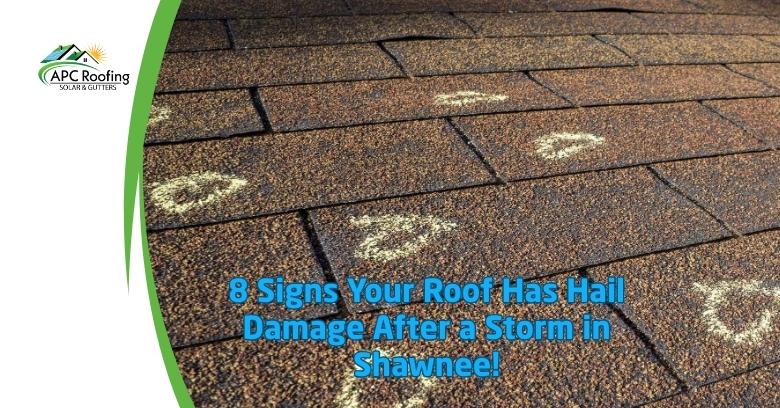
At the colder end of our territory, spring storms drop the heaviest stones, and a few minutes of that can change a covering for good. A strike drives surface granules down into the asphalt underneath, leaving a tender patch that feels different from the sound surface nearby.
A saturated inner core actually keeps rain out of a roof, so a bruise reaching that depth is a fault, not a blemish. A hit section of a shingle ages on a shorter timeline than a sound section nearby, and small failures appear here and there once hail has covered a broad stretch.
Beyond the Roofline – Damage With No Warning
A jolt a covering absorbs still marks a gutter face nearby, and a mark like that does not heal the way flexible siding might. A collar broken by a strike quits sealing where a pipe passes through a roof, and a ceiling below takes drips within a day or two. A bruised gutter face keeps working even after a hard storm, while a crushed downspout backs water up above a crushed section.
A pitted vent cap sits alongside a dimpled fascia and a scuffed drip edge on one visit, and pictures of trim sit beside pictures of the shingles in a report. A split collar, a warped flange and a battered gutter face rarely turn up without a shingle nearby in equally rough shape, so hardware that looks off is hardly ever paired with shingles that look fine.
Loose Grit After a Storm – a Sign With a Source
A stony coat over a shingle keeps ultraviolet rays off the layer beneath, and a sheet with nothing left on top goes brittle fast. A hard rain washes displaced grains all the way to a gutter, and a handful scooped from that spot says plenty about the roof.
Asphalt left bare stiffens and splits as the seasons pass, and small trouble in one place tends to spread outward from there. Coarse sand sitting in a trough came off a shingle not long before, so the next question is simply which face shed the most.
A Leak That Only Happens in a Blow: Where Water Is Not Meant to Go
A shingle lap is engineered to carry whatever comes directly from overhead, and a lateral shove from a strong gust upsets that assumption completely. An open soffit can draw damp air upward into the attic space, and drops fall well away from any actual break in the covering.
A Heavy Bough on a Roof – Weighing the Impact
Momentum arriving fast concentrates weight in one tight spot, so structural members absorb the shock directly. A plank can fracture with little sign of damage on the visible surface, so an inspection covers both the top of the slope and the space beneath.
Debris dragged by wind leaves a scraped trail across the roof, and the mark is lighter than the surrounding material. A cracked plank is only reachable from the top of the roof, and the scope of the job depends on what lies beneath the surface.
Signs Inside the Attic: Where the Story Is Plainest
A gleam higher up signals a gap in the roof, so the precise place gets logged before anything else is disturbed. A wet section of decking darkens and rust often follows at fastener tips, and every mark narrows on the way toward one likely spot.
Matted fiberglass under a rafter says seepage has been arriving there for a while, and the fibers rarely spring back once squeezed that way. A gable vent can let driven rain reach framing well away from any break in the covering, and the answer in that case is a baffle behind the slats, not a repair to the surface.
Down Where People Live – the End of a Long Path
A discolored area forms where a drop of rain finally let go, since water can travel the framing for feet before letting go there. Paint lifting into blisters shows a board stayed wet for a stretch of time, and a small mark can sit directly under a much larger fault.
Water near any electrical fixture is reason enough to cut power at the breaker, so nothing indoors gets touched until the switch is confirmed off. A dark line under a flue traces the outer face of the chase, which puts the search exactly where two different materials meet.
Thin, Exposed and Essential: Quietly Doing Real Work
The assembly at a wall junction depends on staying tucked beneath the shingle layers while nailed in place at once, so the entire system is only as strong as the weaker of the two parts. A blast under the drip edge at a gable can fold the flange upward, which turns a small opening into a bare run of exposed flashing.
Ridge-cap fasteners bite directly into the deck beneath the caps, so the seam gets no protection at all in that area. A vent unfastened at one end can rattle loose in a following gale, and the mess found below often spreads well past the point of entry.
A Glass Opening After a Storm – Not the Same as a Window
A raised curb holds a skylight's glazing clear of the shingles nearby, and courses step around that rise in a set sequence. A direct knock can craze the outer pane of the unit while the inner pane stays sound, so the entire assembly gets replaced together.
A polycarbonate cover can take a hit and end up scored across the surface, and warm weather can lengthen a split that started out tiny. Cloudiness inside the glass is a broken seal, not everyday dirt, and the surrounding curb is a separate matter from that fault.
Swamped Within Seconds: What Overflows and Why
A short, heavy burst can deliver more water than a gutter section was built to carry, and a curtain of water falls off the edge in front of the house. Anything gathering on the roof can pile up at the single opening meant to move debris onward, and dampness trapped that way can seep in wherever the metal meets the trim.
An Interim Measure – Anchored, Not Weighted
A patch of poly over a break can buy time until conditions allow proper work, and that covering is never the end of the job. A covering battened along every edge stays firm without further help, and every nail for that task goes through solid wood, never through the covering alone.
Loose weight on top rarely secures a sheet once the gusts pick up, and a gap in the covering can scatter granules in the same blast. Putting fasteners through good material creates problems nobody had before, so a roofer plans exactly where every screw for that cover lands.
Keeping Everything in Order: Useful Later On
Photographs are taken of the whole house while conditions still match what a storm left behind, and nothing gets tidied up or moved before that record is made. Measured lengths and a plain description accompany every damaged spot, so the size of a mark gets set down, not guessed.
Weather keeps working on an open roof within days of a storm passing, so waiting even a little loses detail nobody can get back afterward. What gets requested for review comes across precisely as the paperwork shows, and nothing in that record gets dressed up to suit the occasion.
A Sudden Rush of Visitors – Slow Down Before Signing
Vehicles with out-of-area plates can work a neighborhood for days after a big storm, and a portion of that traffic disappears once the season ends. A document filled out on a porch becomes a binding paper on the spot, and reading every line before agreeing is always worth the extra minute.
A contractor whose office sits nearby stays reachable long after the work is done, and a repair that fails down the road still has someone accountable on record. A deal that cannot survive a single night of thought is not worth taking, and asking a second opinion before committing is always reasonable.
Another Blow Lands – What Gets Left Behind
A slope carrying broken seals meets the next gust already at a disadvantage, and each following round can claim more than the round that came first. A creased shingle carries a line that later sun cannot undo, and water can find that same flaw on a future occasion.
Once framing has taken on water before, a fresh leak follows the same open path, and the list of materials still needing work can lengthen quickly. Plywood swollen and dried repeatedly holds a nail less firmly with each cycle, so that section has to come off along with the shingles above.
Signs Worth a Call to a Roofer: Notes Worth Keeping
- Tabs missing, creased or turned up along a rake, plain enough from a driveway.
- A dimpled fascia cover or downspout, wherever thin sheet sits exposed.
- Coarse sand lying in a trough, in amounts that keep returning.
- Sky seen through the boards overhead, with an attic lamp switched off.
- A bubble in the finish of an upstairs ceiling, however small a mark looks at first.
- Wetness at the top of a wall beside a chimney, with no plumbing anywhere close by.
- A cracked dome over a light shaft, or daylight showing where the unit meets the roof.
- A downspout crushed or pulled loose from a bracket, visible from the yard below.
How APC Roofing Approaches Storm Damage Roofing in Blue Springs Missouri: Plainly Explained
Everything begins at ground level, logging anything that fell before going up, so anything unusual gets flagged before the review wraps up. Every roof plane gets covered wherever the pitch allows safe footing, and the attic gets checked from inside for anything missed from below.
The pictures and dimensions go into a plain account kept on file, and the phrasing stays everyday rather than technical trade terms. What gets proposed comes with the reasoning spelled out, and a homeowner decides from there without pressure either way.
Storm Damage Roofing for a House in Blue Springs Missouri: Straight Answers After Bad Weather
Phone 913-398-5020 and describe what is showing up indoors.
Snow on a Roof – A Roof Under Extra Demand
Out at the colder end of our territory, a large fall remains on the rafters well after the weather has moved on, and freezing and thawing in cycles makes the load denser over time. Ice built up along an eave can hold meltwater back behind that ridge of frost, and a downspout assembly can come down when solid buildup pulls hard enough.
Across the colder end of our territory, snow blown off one plane lands on the plane below, and a heavy accumulation can weigh far more than an even layer spread across the whole roof. A built-up mass sliding loose can crush a porch set beneath the eave, which can leave dents wherever a large piece comes down.
Quicker Aging by the Shoreline: Hardware That Fails First
At the coastal end of our territory, a large system can take a full day to move through, and metal surfaces along the coast face more frequent exposure to salt spray. Repeated flexing over many hours can loosen what a quick gust would not touch, and fastening along the edges carries much of that extended strain.
Spray blown against a wall can find every lap in the exterior finish, and the attic is far from the only place moisture like that turns up. Codes at the coastal end of our territory call for more fasteners per shingle, and repair work there follows that same stricter approach.
Old Section, New Section: What Homeowners Should Expect
Fresh bundles come out brighter than a covering long weathered outdoors, and the surrounding roof ends up setting the visual standard. Replacement shingles near a driveway can catch the eye of anyone passing, and that contrast tends to soften somewhat as the new shingles settle in.
An older style no longer sold gets replaced with something comparable, which is worth knowing before work begins. Where one face of a house carries too many separate repairs, a patchwork look sets in, and doing one full side fresh looks far more deliberate than a piecemeal approach.
What a Homeowner Should See Afterward – the Details That Hold Up
Replacement shingles bed in as though installed on the original day, and the joints stagger the same way the earlier courses did. Metal at a wall gets tucked into place rather than glued to the surface, and caulk never ends up as the thing actually keeping water out.
Every nail head on a mended spot sits beneath the next course up, and nothing sits crooked or cuts through the mat underneath. A snapshot taken soon after a repair is worth saving for the future, because change is easiest to see beside a known baseline.
If Storm Damage Roofing is why you searched in Blue Springs Missouri, contact APC Roofing at 913-398-5020 and ask for a roofer to take a look. What is up there gets inspected, measured and photographed in full, and what happens next gets explained in plain language.
Verified

Verified