Searching for Storm Damage Near Blue Springs Missouri?
APC Roofing walks a slope after a hard night outdoors, measuring every mark before anything is touched.
Reach us at 913-398-5020 and set a time for a roofer to stop by.
What Fast Air Does to a Roof – an Uneven Push
Pressure concentrates at the eaves, the rakes and the ridge, while an open middle section stays comparatively calm. Air that gets under a raised lip pries at the shingle set above the lip, and one fastener beneath a course answers for the whole pull from there on.
A house corner throws wind into small eddies, and hardware spacing shrinks at that point on a well-built roof. A course close to a projecting edge takes more punishment than a course near the ridge, and a closer-set fastener arrangement there is a direct answer to that pressure.
An Invisible Step in Every Install: Left to the Weather
Asphalt shingles carry a line of sealant that fuses down to the row set beneath, and nothing else secures a shingle's lower edge. A sharp gust can tear a bond apart across a length of roof, and a parted shingle rests unmoved for the moment, nothing showing on the surface.
A course carrying a broken seal only reveals trouble when the wind stirs again, and a fastener gets wet as soon as that joint fails. A single shingle adrift on a wide slope is a small matter alone, but a whole run of parted shingles is an opening for the weather.
A Rating Printed on a Wrapper: Read With Care
A test rig holds freshly made stock to a deck with every bond formed on purpose, and moving air is then driven across the surface at a measured speed. Years of sun and cold change how a shingle performs compared with the shingle's very first months in place, and a bench rating stops matching a roof once real weather sets in for good.
Fastening outside the marked zone leaves a shingle with a weaker hold, and a section can then give way at a wind speed below the figure on the wrapper. A shingle ages from the moment installation finishes, and stiffness follows, and a laboratory rating fits new construction, never an older roof.
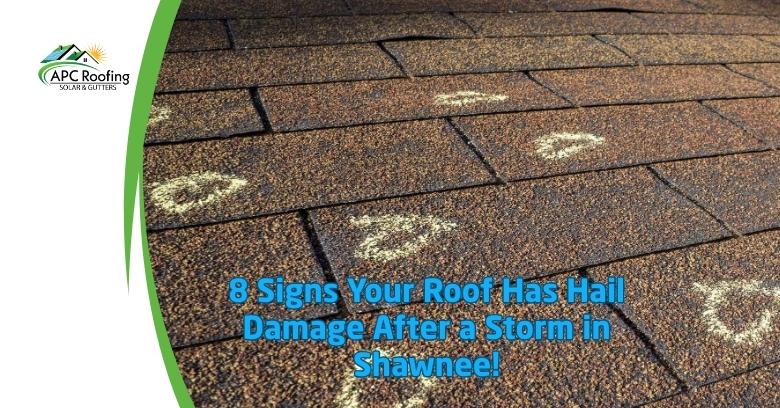
What a Hailstone Does to a Roof: More Than a Dimple
At the colder end of our territory, spring storms drop the heaviest stones, while milder weather reaches every other market too. A hit presses the mineral coat into the mat sitting beneath, and the struck spot goes soft under a thumb.
A shingle blocks water through an inner core, not the shingle's own face, and a dent at that depth reaches the material that matters most. A damaged section of a shingle breaks down ahead of the surface nearby, which shortens the years a covering has left.
The Overlooked Fixtures: Where a Blow Registers
A jolt a covering absorbs still marks a gutter face nearby, and nothing pushes a bent surface back into shape once calm returns. A collar broken by a strike quits sealing where a pipe passes through a roof, so a stain indoors turns up close under the opening. Dents along a gutter's face seldom stop a gutter from doing a full job, but a flattened downspout holds a run's water behind a flattened point.
Lighter items up on a roof get checked the same way as the shingles, and every mark gets photographed along with the shingle damage. Trouble in the metal fixtures seldom arrives without a shingle nearby in equally poor shape, so hardware that looks off is hardly ever paired with shingles that look fine.
Loose Grit After a Storm: Worth a Second Glance
Crushed rock on a shingle's surface stands between sunlight and the asphalt below, and exposure without that finish shortens a shingle's working life. Heavy rain sweeps freed grains down toward a downspout outlet, so a drift of sand at that point tells a roofer something worth knowing.
A section exposed like that shortens the years a covering has left, and small trouble in one place tends to spread outward from there. A heap at an outlet is a rough measure of what washed down, and the quantity found says something about how hard a storm hit.
A Leak That Only Happens in a Blow – Joints That Rarely Get Tested
A lapped run of shingles handles whatever comes from directly above, and a strong gust uncovers a route that ordinary wet weather never finds. Off-ridge vents let spray past open baffles once wind picks up, which reads indoors like a fault in the shingles that is not really there.
A Branch Across a Slope: Worth Opening Up
Momentum arriving fast concentrates weight in one tight spot, so structural members absorb the shock directly. A plank can fracture with little sign of damage on the visible surface, so an inspection covers both the top of the slope and the space beneath.
Debris dragged by wind leaves a scraped trail across the roof, and the outline follows exactly where that motion carried. Getting to a split panel calls for removing the covering above the crack first, and the work grows once the true extent becomes clear.
What the Attic Shows: Simple to Follow
Brightness passing through the framing tells where the covering gave way, so a person can pin down the location before ever climbing outside. Moisture leaves rust at nail tips and a darkened trail through the wood, and the darkest mark generally sits closest to the actual opening.
Insulation flattened in one place shows where runoff has settled again and again, and a room beneath that area can lose heat as a result. Rain entering at an end wall can land nowhere near an actual hole above, and the fix there is a baffle rather than a shingle.
What a Bubbling Ceiling Says: Signs Worth Tracing
A blotch overhead turns up where a trickle gave out, not where the leak began farther up, since water can travel the framing for feet before letting go there. A seam that has opened shows the panel swelled and then dried out, and a small mark can sit directly under a much larger fault.
A drip at a fan or a light is reason to cut the breaker without delay, and only after that switch is confirmed off does the cleanup begin. Wetness along a wall below a chimney tends to follow the masonry closely, and the reglet sawn into the brick is examined as part of the same check.
Metal at the Joints – What Pulls Free
The assembly at a wall junction depends on staying tucked beneath the shingle layers while nailed in place at once, and a failure at either point alone can let rain through. Air sliding under a gable edge can roll that length of metal upward, which turns a small opening into a bare run of exposed flashing.
Caps at the top of a roof face turbulence from both directions at once, and the seam remains without any seal for the full distance when that happens. A vent unfastened at one end can rattle loose in a following gale, and the mess found below often spreads well past the point of entry.
What Lets Daylight In: Worth a Separate Look
The frame under a skylight stands above deck level on purpose, because water must never arrive at that base head-on. A direct knock can craze the outer pane of the unit while the inner pane stays sound, and the assembly comes out complete rather than in pieces.
Debris striking a plastic dome can leave a pattern that spreads with heat, and a fracture from one storm can keep growing after that storm passes. Moisture trapped between the panes of a sealed glass unit means the edge seal has failed, so the affected section is exchanged for a sound one.
When the Rate Climbs Too High: Reading the Signs
A short, heavy burst can deliver more water than a gutter section was built to carry, and the surplus pours over the front lip instead of down a downspout. Buildup at a drop point can turn an entire drain line into a stagnant pool, and a blocked length can sag out of line over time.
An Interim Measure: Made to Stay Put
A tarp over an opening can hold the line for a few days at most, and that covering is never the end of the job. A covering laid over the high side and anchored on both slopes stays effective, so a support strip backed by lumber spreads the load across a wider stretch.
A sheet left loose at the corners can turn into a sail in a stiff wind, and a house can end up exposed again for anyone to see. Nailing a cover to a clean slope adds unnecessary work down the line, and nothing gets fastened through material that was already solid.
Keeping Everything in Order: What a Roofer Writes Down
Close-up shots are captured from several angles while marks are still clear, and the record shows the roof exactly as things stood after the storm. Measured lengths and a plain description accompany every damaged spot, because a mark's true size is hard to judge without a reference point.
Conditions keep changing what a later look would actually find, so a fresh look afterward can turn up something different entirely. What gets requested for review comes across precisely as the paperwork shows, and nothing in that record gets dressed up to suit the occasion.
Strange Faces at the Curb: Worth a Second Thought
Unfamiliar trucks can move street by street once skies have cleared, but not every outfit working the area is a problem. A deal reached at a front door carries the same weight as one signed indoors, and reading every line before agreeing is always worth the extra minute.
A contractor whose office sits nearby stays reachable long after the work is done, and follow-up down the road stays possible with that kind of outfit. Pressure to sign a contract before anyone has been on the roof is worth resisting, so there is no harm in declining to agree to anything on the spot.
Weakness That Compounds: How the Setbacks Multiply
Shingles that have already let go once are more likely to go again, and less force is required with each fresh round of damage. A shingle folded once in a strong wind carries a crease from that event onward, so a shingle in that condition becomes a solid candidate for replacement.
A second wave of runoff can travel past a roof deck and straight indoors, and the list of materials still needing work can lengthen quickly. Repeated soaking softens the wood fibers surrounding every fastener, and covering over material in that condition wastes the new stock used.
What a Storm Leaves Behind – a List for a Homeowner
- Bare patches where a shingle used to sit, plain enough from a driveway.
- A pitted cover on a stack or a vent, still evident long after weather has passed.
- Coarse sand lying in a trough, in amounts that keep returning.
- Pinpricks of light in the sheathing, best looked for at midday.
- A bubble in the finish of an upstairs ceiling, usually right under a roof plane.
- Peeling near the top of a wall, following the line of the masonry.
- Water standing on the inside of a skylight frame, once a storm has cleared.
- A length of gutter holding trapped water, after a heavy limb came down.
APC Roofing and Storm Damage in Blue Springs Missouri – Our Method
A visit opens at ground level, crossing the yard and the driveway for anything that came down, and stray pieces scattered nearby offer the first clue about what gave way overhead. Up top, each accessible plane gets covered end to end, and the attic gets checked from inside for anything missed from below.
Findings come back in writing, with photographs attached to every item, and every finding stays tied to a specific spot on the roof. Every suggestion carries the thinking behind that call, and the choice of what to do next belongs entirely to the homeowner.
Storm Damage for Homes in Blue Springs Missouri – Help From People Who Know Shingles
Call us at 913-398-5020 to arrange a visit.
Snow Banked on a Slope – A Roof Under Extra Demand
In the colder end of our territory, a deep white blanket bears down on the framing beneath, which strains the wood beneath more than fresh powder would. An ice dam can form where a warmer deck meets a cold overhang, and water held back that way can find a path up under the lowest courses.
Across the colder end of our territory, snow blown off one plane lands on the plane below, and pressure in that spot concentrates well beyond the surrounding area. A built-up mass sliding loose can crush a porch set beneath the eave, which is why guards get installed in some exposed spots.
Quicker Aging by the Shoreline: Hardware That Fails First
Storms at the coastal end of our territory can keep blowing through long stretches of the day, and metal surfaces along the coast face more frequent exposure to salt spray. A drawn-out shove can flex every shingle tab thousands of times over a day, and fastening along the edges carries much of that extended strain.
Spray blown against a wall can find every lap in the exterior finish, and interior cavities can stain as readily as ceilings do when that happens. Construction near the coast uses stronger edge details as standard practice, and repair work there follows that same stricter approach.
A Patch on an Established Surface – What Stands Out Up Close
A newly made batch rarely lines up in shade with an aged covering nearby, so a perfect match is never really on offer. A mended area on a visible elevation can show up as a distinct patch, though a season or two eases some of that mismatch.
When a specific line has been dropped, a similar design takes over that spot, and a close substitute still shows a little on close inspection. A slope covered in individual patches tends to read as pieced-together rather than one continuous surface, and redoing the whole side is a suggestion worth considering, not a requirement.
What a Homeowner Should See Afterward: Judging the Job
A mended section sits down without any visible ridges, and the courses carry straight across the seam between old and new. New flashing gets woven into the shingles rather than smeared over the surface, so sealant only backs up the main barrier, not the whole defense.
Nail heads stay out of sight beneath the next course laid over that spot, which is what a wind rating assumes will happen. A photo of new work, dated, becomes useful the next time a question comes up, since a later inspection can see exactly what section was replaced and when.
If Storm Damage is on your mind after a hard blow in Blue Springs Missouri, reach APC Roofing at 913-398-5020 to have a roofer come out to the house. What is up there gets inspected, measured and photographed in full, and the options get laid out along with the reasons for every option.
Verified

Verified