In Need of Metal Roofing Here in Spring Lake Pointe Neighborhood Florida?
APC Roofing lays new panels and brings worn coverings back into shape, for houses as well as workshops and barns.
Call us at 407-270-1129 and a roofer will look closely and explain plainly what is up there.
Telling Systems Apart – A Glance Up
A corrugated or ribbed covering is secured with screws set through the metal, while standing seam is attached with clips tucked inside raised joints. On homes the metal is usually coated steel, though aluminum and copper have a place too.
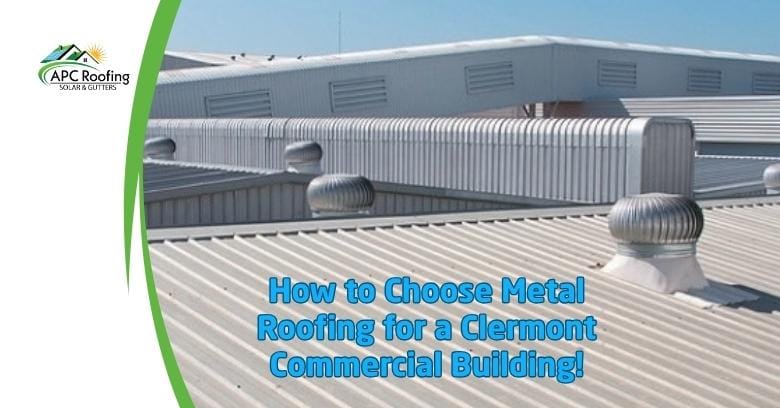
From a driveway, lines of screw heads across the panels mark a through-fastened roof, and uninterrupted pans separated by raised folds mean standing seam. Pole buildings, sheds and porches frequently get ribbed sheet, while residences take either style.
Shapes Rolled Into Steel: Matching a Building
Corrugated sheet rises and falls in rounded, evenly spaced waves, while ribbed designs show angular ribs and wide flats. Each sheet laps over a neighbor along a long edge, and screw locations follow a published diagram.
With deep ribs, a ribbed panel bridges wider spacing, and a rounded wave appeals on older or rustic structures. Rib height governs how much water a long slope can move, while a low pattern handles short runs like a porch or lean-to.
Exposed Hardware – Driven Right or Wrong
Every screw draws a panel down onto a support, and a washer under each head keeps rain out. Years of sun and heat stiffen synthetic rubber until cracks form, and the panels usually last a great deal longer.
Overdriving tears a washer and dishes the metal, while too little pressure or a crooked angle leaves an opening.
Hardware Swaps: Worth Doing, With Limits
Rubber rings across a ribbed or corrugated field wear out together, and a whole-roof re-screw is routine over the years. Old fasteners are backed out one at a time, and a wider replacement goes back in where threads can still find purchase.
A re-screw stops drips around screw heads and draws lifting sheets back down, but rust damage, open laps and failed flashing are untouched. Screw length and thread are chosen for what sits below, wood or a steel purlin, and a painted cap keeps new work inconspicuous.
Thermal Movement: Oval Holes and Loose Seals
Sunshine stretches steel slightly and a chilly night pulls the metal back, and forty feet of panel shifts roughly a quarter inch or more, and aluminum changes nearly twice as much. Metal screwed down with no give wears each hole into an oval, and washers then stop sealing.
Ticking heard as morning sun lands on steel is ordinary expansion, and a properly detailed roof suffers no harm.
Anchoring Standing Seam – Laid in Sequence
Each long pan is fixed solid in one short zone, and floating clips farther along give the metal freedom to shift. Trim at an end that travels is bent with clearance underneath, and a pan held rigid throughout tears loose or buckles.
A pan is positioned and clips are screwed to the deck beside a long edge, and an adjacent pan then covers every anchor point.
Closing a Seam – Wind and Water
Snap-together panels latch by hand, while other designs are crimped over by a machine. A double-lock seam rides out storms and sheds pooled water, and maker approvals cover shallower slopes.
Manufacturers offer a range of pan widths and rib heights, and architecture and a buyer's eye decide. Parts made for one system rarely suit a rival brand, so parts are not mixed between makers.
Stock Weight – Worth Confirming
A steel panel is rated by gauge, and numbers fall as sheet gets thicker. Pole buildings frequently carry twenty-nine, while houses often take twenty-six or twenty-four.
For aluminum, sheet is sized in thousandths, and more material means fewer marks and less waviness. Standing in a yard, nobody can judge weight by eye, so a product data sheet is a reliable guide.
Corrosion Defense – Finishes That Hold Up
At a steel mill, coil gets a metallic layer of zinc or zinc and aluminum, and a baked primer goes on before a color coat. A scratch that stays within paint does no harm, but an unprotected cut or a gouge to bare steel is where red rust starts.
Fluoropolymer finishes remain true to color for many years, but silicone-modified polyester goes dull and powdery earlier. Lime in fresh concrete eats into an aluminum-zinc layer, so panels are kept away from a new chimney or stone wall.
Picking an Alloy – Trade-Offs
Aluminum has less mass than steel and cannot turn red with rust, though a thicker grade is needed to resist dents. Beside salt water at the coastal end of our range, protective layers wear away faster, and manufacturers set limits on how near a shoreline a product may go.
Copper is usually kept to small accent roofs over a bay or a porch, and years outdoors take bare metal to brown and then green.
Mixing Metals – Isolation and Compatibility
Water that has crossed copper wears away any steel coating below, and a dark streak shows long before any hole. Aluminum on pressure-treated boards turns white and pits, and a bare steel screw in soft sheet breaks down too.
Replacement flashing should come from a metal already present, or tape and membrane keep dissimilar metals from meeting.
A Frequent Complaint – Why Installation Counts
Oil canning is a gentle waviness across the flat of a standing seam pan, and faint hollows show at sunrise and fade by noon. A warped look in the metal lets no rain through, and the roof ages no faster.
Narrow pans, heavier stock and striated flats hold waves back, and careful handling on a true deck makes a difference. Pictures of houses with and without oil canning make comparison easy, and you make the call on profile.
For People Inside: Rattle and Warmth
Panels laid straight over bare purlins ring out in a downpour, since a single skin is the only barrier. Metal on a home rests on a deck and underlayment, over an insulated ceiling, and indoors most people hear little more than on shingles.
Light tones and cool pigments bounce a large share of sunlight away, so the attic runs noticeably cooler. A deep hue absorbs heat like any dark surface, and vents and insulation weigh as heavily as the choice of color. After sunset, metal sheds stored warmth quickly, and the attic below catches up before long.
Guard Rows – Clamped or Fastened
At the colder end of our territory, snow slides readily off smooth coated steel, and a whole mass may come down at once on anything under an eave. Retention bars keep a load up top to melt off gradually, and positions are chosen where anything below could be hit.
Brackets on standing seam bite an upright fold, not a flat, whereas corrugated panels get mounts anchored through to purlins, and homes where snow seldom falls go without.
What Ice Does: When Paint Cracks
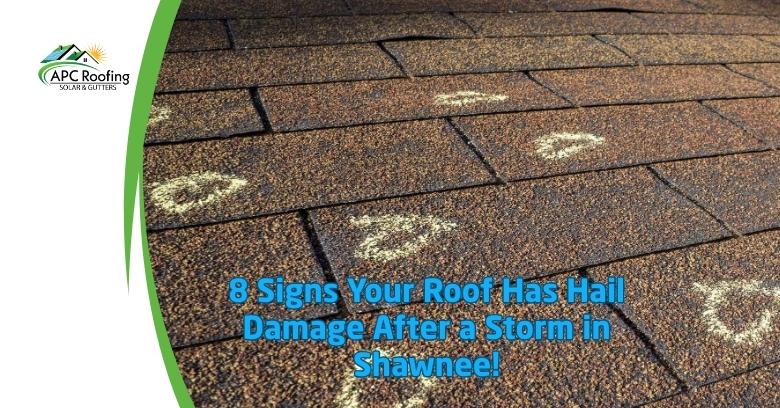
At the colder end of our range, hail arrives most years, and stouter panels with striations hold shape better. Paint knocked off at a crease leaves base metal exposed to corrosion, while a seam or trim edge pushed out of line may open.
After any storm, each affected area is photographed and measured, so the size and position of each dent are known.
Uplift: Layout Matters
Perimeter bands of a roof take a heavier pull than a central field, and a loose flange gives moving air a handle. Each finishing piece is folded back and locked over a full-length cleat, so nothing sticks out to be grabbed.
An attachment pattern grows denser toward every corner, following a maker's layout for a site's exposure. Where hurricanes reach, at the coastal end of our territory, the number of fasteners goes up again, and a whole assembly has to carry a matching rating.
Penetrations: Detail Work
A pliable-based collar is shaped to fit a panel and clamped onto a pipe, and a hole is cut in a flat, not through a seam. Larger units get a raised curb plus a cricket on an uphill side, and water cannot pool at an upper edge.
Caulk plays a supporting role to folded metal, since weather hardens and splits any compound long before the panels are done.
Changes of Direction – Joining Long Runs
A valley pan goes down ahead of any panel, and each sheet is cut to a matching angle. Each raw end is hemmed back and hooked onto a cleat, and nothing pierces a channel that carries rain.
Where a long run needs more than one length, a lap is sealed between layers, and uphill metal always goes on top, screwed through.
Near-Flat Areas: Gentle Spots on a House
Through-fastened sheet generally wants about three inches of rise per foot, because on less, runoff lingers long enough to wick past laps. A mechanically locked seam can be installed far lower, and product literature states an exact minimum.
Nearly level spots over sunrooms and porches turn up on plenty of houses, and a measured angle decides what goes on, and a part too low for any panel gets a membrane instead.
What Lies Underneath – Purlins on Outbuildings
On a house, the panels go over solid sheathing, and a synthetic sheet rated for heat is sandwiched between, since ordinary felt dries out under sun-heated steel. Pole buildings commonly have metal spanning between purlins with air below, and support distance dictates grade.
Once an old covering comes off, spongy sheathing is found and swapped, since a clip in decayed wood holds nothing.
Leaving the Old Roof in Place: What Has to Be True
Panels can often go on top of one shingle layer where code permits, so waste is kept out of a landfill. Sheet steel is light, at well under two pounds a square foot, so reinforcement is rarely needed. Battens over a fresh membrane go across existing shingles, and fasteners are long enough to bite solid boards below.
A roof that was recovered once before, or a deck with decay underneath, comes off entirely, since trapped dampness under metal has no way to dry.
Small Parts at Edges: Done Properly
Strips cut to match a profile close off space under each rib at high and low points, so wind-blown rain and nesting animals stay out. A ridge cover can include a vent or be solid, as existing ventilation requires.
Gutter aprons and rake trim wrap up a roof's outline, and fascia boards stay dry.
Working at Height – Sheet by Sheet
Each seamed pan is rolled out to reach a whole slope, and no cross joint interrupts runoff. A long panel calls for several people spaced along the metal, and a crimped or creased pan is no longer usable.
On panels, a step belongs in a flat above a purlin or deck, because ribs and seams crush under a boot. Moisture turns a painted panel into a slide, and nobody without a harness should go up.
Warning Signs – A Look From Below
- Brown rings at fastener heads, on a slope facing afternoon sun.
- Screws backed out of holes, at an eave.
- Flashing flapping in a breeze, facing prevailing wind.
- A collar gapping around a stack, close to a ridge.
- Red streaks at a raw end, at a hip.
- Faded paint, on one panel more than on panels nearby.
- A drip that follows a row of screws, down a hallway.
- A lock pulled apart, at the low end of a panel.
How APC Roofing Takes On Metal Roofing in Spring Lake Pointe Neighborhood Florida: Our Routine
Our starting point is pinning down which system is up there and how the panels are secured, and after that every fastener, trim piece, penetration, valley and lap gets a close look. Panel grade, paint and hardware are recorded, and the attic is searched for stains and soft decking.
Every finding goes into a report with images, and a reason sits beside every recommendation. Where a reseal will do, a reseal is what we propose, and a roof past saving is described plainly.
Metal Roofing Across Spring Lake Pointe Neighborhood Florida – Careful Assessments
Dial 407-270-1129 and we will pick a time together for a visit.
Saving What Is There: Guided by Evidence
A single ruined panel can come out and a sound panel go in, though fresh color will not match weathered neighbors. A properly resealed lap closes a drip, and a full set of screws fixes tired rubber.
Once red rust has eaten through large areas, patching no longer makes sense, and a covering the wind has twisted out of shape is in the same position. Sometimes one weathered side is re-covered alone, if everything else is sound.
The Long View: Upkeep Over Time
A carefully installed panel system can pass forty years, and an estimate varies from house to house. Standing seam asks for less attention, with no hardware exposed, while through-fastened sheet needs a re-screw somewhere along the way.
Mixed metals, raw cut edges and caulk doing the job of flashing all shorten a roof's service, and a periodic look finds problems while minor. Leaves and needles piled in a valley or behind a chimney keep the metal wet, and sweeping debris clear helps a finish.
When you are weighing Metal Roofing in Spring Lake Pointe Neighborhood Florida, dial APC Roofing at 407-270-1129. Someone will go over every panel, fastener and piece of trim, and a written report puts options in front of you.