The roof over your back porch is leaking at the screws again, or the shed roof has started to rust along the bottom edge. Maybe you’re building a carport or a workshop and want a roof that’s tough, quick to put up and doesn’t cost what a whole-house metal roof does. Corrugated metal roofing in Altamonte Springs can be exactly that, as long as it’s put on with Florida sun and storms in mind.
The catch is that corrugated roofs look simple, so a lot of them get installed carelessly. You end up paying twice: once for the roof and again for the leaks.
APC Roofing installs and repairs corrugated and ribbed metal roofs on homes, porches, carports and outbuildings across Central Florida. We’re GAF Certified, licensed in Florida (CCC1337030) and insured, and the inspection and estimate are free. Call 407-270-1129 to have someone come out.
What corrugated metal roofing is
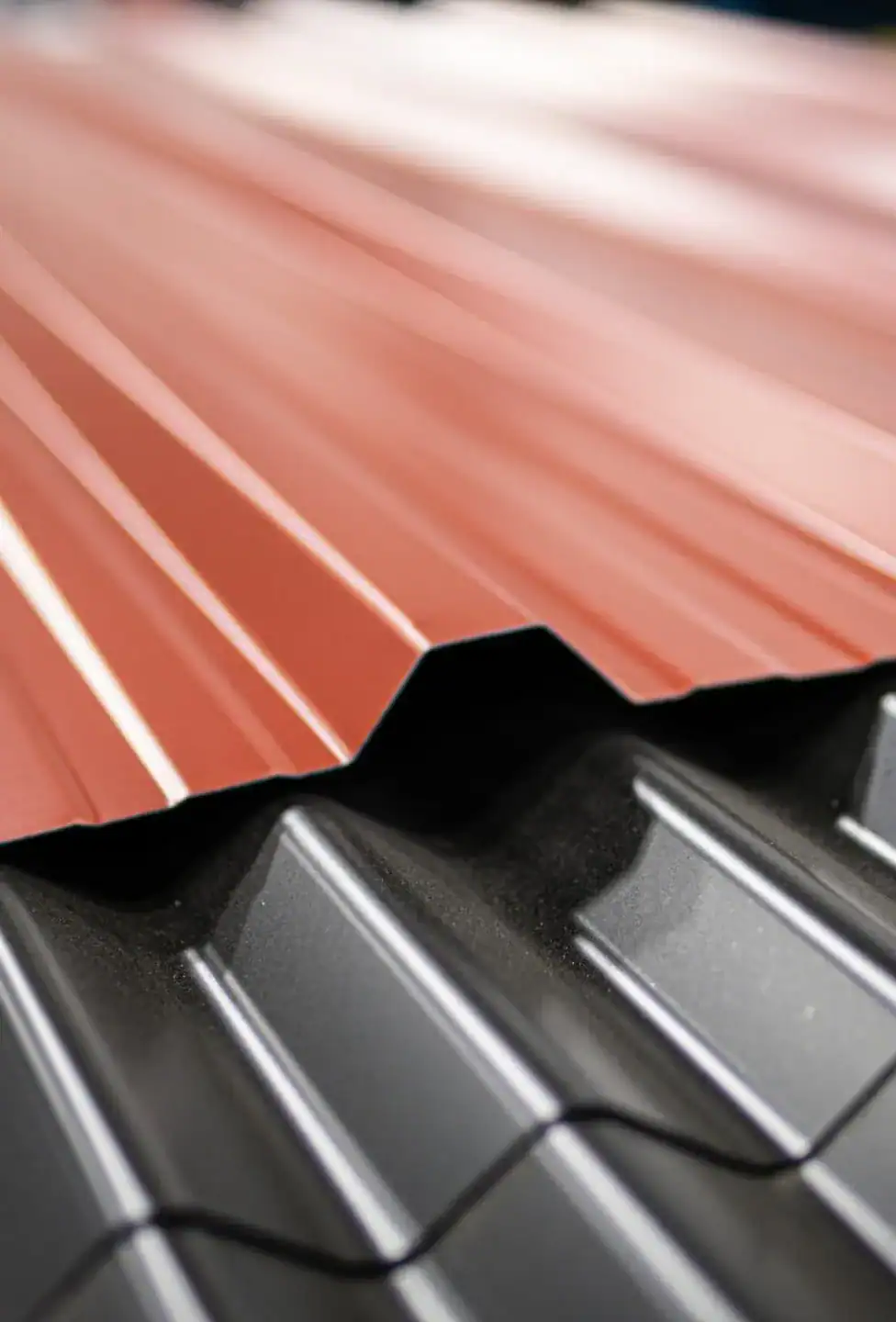
Corrugated metal is the wavy-profile sheet most people picture when they think of a tin roof. Ribbed panels are its close cousin, with squared-off ribs instead of soft waves. Florida has its own classic, too: the 5V crimp panel, with five V-shaped ribs per sheet, which you’ll see on older Cracker-style homes and plenty of newer ones built to look like them.
What these panels have in common is how they’re held down. Screws go straight through the face of the panel into the wood below, and each screw has a rubber washer that seals the hole. That’s the big difference from standing seam, where clips hide under the seams and no screws go through the panel. Exposed fasteners make corrugated faster to install and usually less costly. They also mean more upkeep down the road.
Where corrugated metal roofing in Altamonte Springs makes sense
Porches and patio covers. A corrugated roof over a back porch or screened patio is light, sheds rain fast and handles the afternoon storms. It works best on a porch roof with enough pitch; very flat porch roofs are a different story.
Carports, sheds and workshops. For outbuildings, corrugated is often the most practical choice. It goes up quickly and covers wide spans well.
Whole homes. Some homeowners want the farmhouse or old-Florida look on the main house. It can work well. Just go in knowing the screws will need attention over the years, and make sure the panels go over solid decking with underlayment, not straight onto open framing.
If you’re roofing the main house and want the lowest upkeep, standing seam metal roofing is usually the better fit. You’ll get both options priced if you’d like to compare.
What Central Florida does to an exposed-fastener roof
The sun works on the washers. Years of strong UV dry out and crack the rubber under each screw head, and once it cracks, rain gets in around the screw. On a corrugated roof, a slow drip at the screws is the most common leak by far.
Heat moves the metal. A steel panel grows a little on a hot afternoon and shrinks again overnight. Over hundreds of cycles, a panel that was screwed down too tight slowly works its screw holes larger, and the washers stop sealing. Screws driven at the wrong angle, or driven too hard, crush the washer from day one.
Storms test the edges. Hurricane-season wind pulls hardest at the corners and along the eaves and rakes, so those areas need tighter screw spacing. Panels have to overlap the right way, away from the wind and toward the drainage, or wind-driven rain gets pushed up under the lap.
Humidity finds the bare metal. Coated steel holds up well until the coating is broken, so cut edges, scratches and screw holes are where rust starts. Wrong-metal screws, or panels resting on treated lumber, speed that up.
Getting the details right
A corrugated roof that lasts comes down to a handful of details.
- Screws placed where the panel maker specifies, at the spacing the wind exposure calls for, snugged down just enough to seat the washer
- Closure strips at the eave and ridge so wind-driven rain, wasps and lizards can’t get under the waves
- Flashing where the roof meets a wall, tucked under the stucco or siding instead of smeared with caulk
- Underlayment on solid decking for living spaces, which also keeps rain noise down
Weak spots usually show up at those same points: the porch-to-wall connection, the ridge and the screws.
Repair or replace a corrugated roof?
A lot of corrugated roofs that leak don’t need replacing. If the panels are solid and the leaks are at the screws, a full re-screw is often the fix: every old screw comes out and a slightly larger screw with a fresh washer goes into each hole. Leaks at a wall or around a pipe usually mean new flashing.
Replacement makes sense when panels have rusted through, the deck or framing underneath has gone soft, or the roof was installed so badly that patching would only chase leaks. You’ll see photos of what we find and hear which way we’d go and why.
How it works with APC Roofing
- Book your free inspection. Call 407-270-1129 or request a free online estimate.
- Get a clear, honest assessment and estimate. We check the panels, the screws, the laps, the flashing and what’s under the metal, then give you a written estimate. Financing is available through Aqua Finance, Fortifi, Hearth and Home Run Finance.
- Your roof gets done and the site gets cleaned up. You’ll get a realistic timeline with your estimate, and the crew cleans up before leaving.
Corrugated metal roofing questions from Altamonte Springs homeowners
Is corrugated metal loud in the rain?
On a shed with nothing under the panels, yes. On a house or an enclosed porch with decking and underlayment below, it’s much quieter.
How often do the screws need replacing?
It varies with sun exposure and how well the screws were installed. Check them every few years and after big storms. Any screw that’s backed out or has a cracked washer is a likely leak.
Can corrugated metal go on a flat porch roof?
Only if the pitch is enough for the panel. Corrugated panels need slope to drain past the laps. Very flat roofs usually need a membrane instead.
Is a 5V crimp roof the same as corrugated?
They’re cousins. Both are exposed-fastener panels, but 5V crimp has five V-shaped ribs instead of rounded waves. It’s a traditional Florida look and is cared for the same way.
A roof that stays dry under the next storm
When the work is done right, the next afternoon storm just drums on the roof and moves on. Your porch stays dry, your tools stay dry and you stop checking the ceiling for drips. Call 407-270-1129 or book your free inspection online. You can also read more about metal roofing in Altamonte Springs.