Planning Roof Replacement in Greater Daytona Beach Metro Area?
APC Roofing removes coverings past their service life and fits new membrane, metal and vents at every edge and opening.
Call 386-356-2111 to have every slope measured.
Leaving the Old Covering On: What Stays Buried
Building codes in many towns allow one extra layer over the existing one, and that route avoids stripping anything. Stacking a covering on the old one shuts the deck and valleys from view, so the faults of the earlier roof remain.
Shingles laid onto shingles follow every curl underneath, so the adhesive strips bond to an uneven base. A true tear-off removes the old layers right down to the deck, since fasteners need solid wood to grip.
The Boards Beneath: What Gets Replaced
When the shingles are gone, the whole surface can be inspected sheet by sheet. Spongy areas come out and fresh wood goes in, and edges lifting at the seams are secured again.
Some decks from earlier decades are spaced planks with open gaps, which calls for sheets fastened across the openings. Soft sheathing lets go of whatever is driven into it, and the courses above it work free before their time.
The Sheet Under the Shingles: Why Felt Gave Way
Engineered polymer goes across the field in long runs, and it sheds water on its own where a piece goes missing. Traditional asphalt paper ripped and puckered in humid weather, and the current product stays smooth under a crew's boots.
Every row of the synthetic sheet laps over the row beneath, and the spacing of the capped nails matches the label. What the covering rests on is worth asking about, since similar roofs seen from the curb may hide very different layers.
The Sticky Membrane: Wind-Driven Water Stopped
A sheet with an adhesive back is pressed onto the bare plywood, and it gives with the deck rather than cracking. The material closes tight around each fastener driven through it, which stops a wind-driven drip from tracking down into the attic.
At the colder end of our territory, the protected zone is made much wider near the bottom, since snowmelt held back by ice creeps up under the laps. Certain houses get the whole deck covered in the adhesive sheet, which shields the interior if wind blows shingles off.
Finishing the Perimeter: Which Piece Laps Which
A bent strip of aluminum or steel runs along the bottom and up the slanted borders of each plane, which throws rain out past the trim. On the eave, the metal sits under the underlayment, whereas the rakes take the opposite order.
Many roofs of a certain age never had edge protection, and the fascia behind the gutter has often rotted as a result. Fresh metal goes on around the whole outline, and any lumber that has given way is swapped for sound stock.
Holding the Bottom Row Down: Where Shortcuts Show
A purpose-made piece with an adhesive band is fastened along the eave, and its outer border overhangs the drip metal slightly. A homemade version made from reversed stock puts the sticky line out of position, and a hard blow can then unzip the lowest row.
Manufacturers print a target band for the nails on each shingle, since that is where the pieces overlap and double up. An overdriven or crooked shank tears into the asphalt, and the shingle around it can then rip loose in a storm.
Moving Air Through the Attic – When the Intake Is Blocked
A draft ought to come in under the overhang and leave at the peak, and the openings at each end are kept in proportion. Lower vents buried under insulation or paint starve the attic, so conditioned air is drawn up through ceiling gaps.
Proper ventilation cools the underside of the plywood, which slows how fast the asphalt wears. At the colder end of our territory, a chilled attic lets the snowpack remain frozen, so dams of ice are much less likely.
Fan Duct Runs: Fixed While the Wood Is Open
A lot of houses have shower vents that discharge beneath the roof instead of beyond it, so each steamy wash sends vapor up against the plywood. Rusty nail points and darkened panels give the problem away, and eventually the sheets fail.
With the sheathing exposed, the pipes from the fans are easy to trace, so each one can be run out to its own hooded cap. A disconnected vent hose gets reconnected and clamped, and an insulated sleeve keeps condensation from dripping down.
Sidewalls and Headwalls: Replaced, Not Reused
Against a gable or dormer face, an L-shaped plate is tucked under every row, and the upright leg sits behind the exterior finish. The previous flashing has rusted edges and holes from past nailing, and every scrap is swapped for fresh stock.
At the base of a sidewall, a small angled deflector steers water toward the eave, and lacking one, the siding takes the stream. A great many older homes went up with no such piece, so decay appears just under the roofline.
Around the Chimney – and the Cricket Behind
An apron lines the lower face of the flue and stepped pieces run up its sides, while counterflashing let into sawn joints covers their tops. A wide chimney calls for a cricket on the uphill end, which parts the flow to left and right.
The carpentry for a missing diverter is simple during a re-roof, since the plywood there is off or exposed. Spalling brick or a split crown is a mason's job, as counterflashing let into weak material soon comes free.
Openings for Daylight: What Changes With the Roof
The frame gets the matching package of pieces its manufacturer sells, which lets the courses on every side lap over or under correctly. A fogged or leaking skylight is changed out along with the covering, because doing it later means cutting into shingles that have only just stuck down.
Owners who dislike a light well can have it taken away, and the hole is framed, decked and shingled over. Droplets in the shaft after a cool night tend to be condensation, which is a question of room humidity rather than flashing.
Valley Construction: the Layers Underneath
Where neighboring planes join, their runoff gathers into a single channel, and the whole thing is torn out and redone during a replacement. An adhesive membrane covers the entire run, and on that goes an exposed liner or a shingled finish.
The open method leaves a band of bare steel visible down the middle, whereas a closed-cut job sweeps tabs over from one side and trims the second side neatly. The decision rests on the product line and the local conditions, and neither is weaker when laid properly.
Pipes and Vents: What Comes Off for Good
Every drain riser takes a fresh flashing unit, while each exhaust outlet is swapped. Unused vent stacks and satellite brackets are removed, and the gaps they leave are sheathed over.
Sealant at the boot is an extra, not the main barrier, as the shingles lapped over the flange do the sealing. Lead or silicone pipe flashings outlast the standard neoprene kind in strong sun, so they pair well with a covering that will be there for decades.
The Flatter Parts: Membrane, Not Shingles
Many a sunroom, carport or rear room is topped almost horizontally, and asphalt was often nailed across it regardless. A lapped covering needs water to leave in a hurry, and at a low angle it pools and wicks back beneath the edges.
The section can convert to a single-ply or modified bitumen membrane when the roof is redone, and its upper end is sealed under the shingles above. A transition piece joins the flat part to the shingles, as water hesitates where the grade eases.
The Surface Material: Suited to the Building
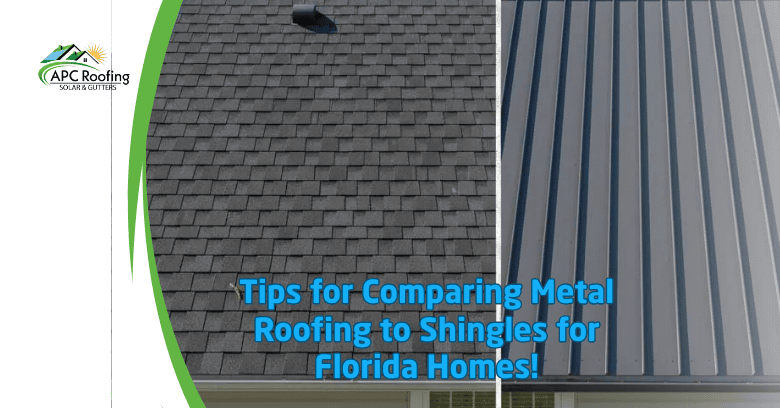
The pitch rules certain products out, since every lapped system states the least rise it accepts. Dimensional asphalt shingles are right for most homes, steel panels ride out strong gusts, and clay or concrete tile calls for a structure designed for it.
How the roof looks from the street matters too, while a light finish absorbs less of the sun's heat. We tell you what we would install and explain it, and the final say is yours.
Built for the Local Weather – Strikes and Uplift
At the colder end of our territory, big hail is the threat that matters, and impact-resistant products are common there. The highest grade means a sample survived steel balls dropped from set heights, so it compares toughness without promising an outcome.
At the coastal end of our territory, wind is the force the roof is built against, so products are picked for their uplift performance. More nails go into each piece, placed by the maker's pattern, while the rakes and eaves are sealed down with cement.
Where the Planes Meet Up High – and the Vent at the Crest
The apex and the corners receive shingles designed to wrap over them, since ordinary field stock cracks at the crease. A continuous slot is sawn through the deck along an exhausting ridge, and a vent unit sits over the gap under the caps.
A plug is set into each end of the run, and driven rain stays outside. The gap in the deck matches the maker's stated width, since a narrow cut chokes the airflow and a wide one admits weather.
The Yard and Driveway – Where the Old Roof Lands
Shrubs, flowers and patio furniture near the walls are worth covering, and the air conditioner and low windows need boards in front. A dumpster set right below the edge lets the old layers slide straight in, with mats beneath its wheels to save the pavement.
Granules and scraps from the old roof collect in the gutters, so the next downpour overflows the edge. Nails left in the yard catch tires, mowers and paws, so a careful sweep pays off once the roof is done.
How the Job Runs: the Ridge at the End
The old covering is removed a portion at a time, which keeps a surprise downpour off most of the deck. Damaged plywood is swapped before the adhesive membrane and underlayment are rolled out, with the rake edges and starter strip nailed in next.
New courses go on working uphill, and the vent and caps come at the end. The tar strips grip the shingle beneath once they heat up, so the covering holds better after a few sunny days.
Staying Put While the Crew Works: Getting the Family Ready
Every blow on the deck travels down through the studs, so wall hangings upstairs may rattle free. The attic catches whatever sifts through the sheathing seams, so possessions kept there deserve a sheet over them.
Cars should sit away from the drive and out of the garage, as a roll-off container takes their usual spot. A skittish dog copes more easily with a sitter across town, while kids keep out from under the edges during the tear-off.
Paperwork With the Town: Part of Doing Things Right
The majority of jurisdictions want a replacement registered with them, and an official looks the roof over when the job is finished. Pulling the permit is normally up to the roofer, because that document ties the work to the business doing it.
A bid that calls approval unnecessary is avoiding scrutiny, so a second opinion is sensible. A closed record with the city answers a buyer's question about the roof, which appraisers and agents often request.
The Life of a Replacement – Why Neighbors Differ
Dimensional asphalt is built to work for decades, and metal or tile extends beyond that where the structure suits it. The outcome rests on careful detail work, plus the conditions outside.
Next-door houses with identical coverings often reach the end at very different ages, because air flows under one and the other cooks. An annual look once the heavy weather passes finds trouble early, so the roof is more likely to see out its rated life.
Signs a Roof Is Near the End – Grit, Sagging and Daylight
- Cupped, buckled tabs across whole slopes.
- Coating washed off in patches, with gravel-like grains at every downspout.
- Drips that return after every fix – closer together each season.
- A sagging ridge line, seen against the sky.
- Sunshine peeking into the attic – across the field, not at a vent.
- Brittle shingles that snap instead of bending – which makes repairs hard.
- Lichen spread over a shaded face – on a surface already worn.
- Two layers stacked up there, with the upper one now curling.
The Way APC Roofing Carries Out Roof Replacement in Greater Daytona Beach Metro Area: the Whole Way Through
Our inspection opens with a walk over every slope, and then the attic is checked from inside. Everything we see is turned into a proposal you can read, with each layer, the metal and the ventilation listed.
The camera records the deck repairs and details ahead of covering, so the hidden work is kept on file.
Roof Replacement in Greater Daytona Beach Metro Area: More Than New Shingles
Phone 386-356-2111 and a roofer will come out to take measurements.
Eave Gutters – Rehung Where Needed
Every storm's worth of rain leaves the shingles and lands in the troughs, while the drip metal aims it into them. Sagging runs, open seams and loose hangers all get recorded, because standing water there rots the wood behind.
Any trough that comes off is remounted sloping toward the downspout, with fresh fasteners driven into solid wood. At the colder end of our territory, a plugged gutter lets ice creep over the edge, so guards can reduce the problem.
Work Outside the Roof – Warmth and Wiring
Rafters that have split or a ridge that dips need a structural fix, and the repair is done prior to the shingles. A thin blanket of attic insulation stays thin under a fresh roof, and chilly bedrooms upstairs are not cured.
Loose or scorched wiring in the attic is work for an electrician, which we say plainly. Before anything is torn off, you know what the project addresses, as well as what is beyond it.
When you are ready for Roof Replacement in Greater Daytona Beach Metro Area, speak with APC Roofing at 386-356-2111. We take measurements and set the work down on paper, and the reasons behind every option are set out.