
You like the look of a ribbed metal roof. Maybe it’s for a farmhouse-style home, a porch, or a barn or workshop on a few acres outside Clermont. Or you already have corrugated panels overhead, and the screws are rusting and a drip has started in the corner. Corrugated metal roofing in Orlando can be a smart, tough choice, but only on the right building and only if it’s installed with Florida wind in mind.
It’s normal to feel unsure. You’ve probably heard that metal roofs last forever and also that the bargain ones leak. Both can be true, and you shouldn’t have to sort that out alone.
APC Roofing is GAF Certified, licensed in Florida (CCC1337030) and insured, and we work on metal roofs of every type across the Orlando area. Your inspection is free. Call 407-270-1129.
What corrugated metal roofing is
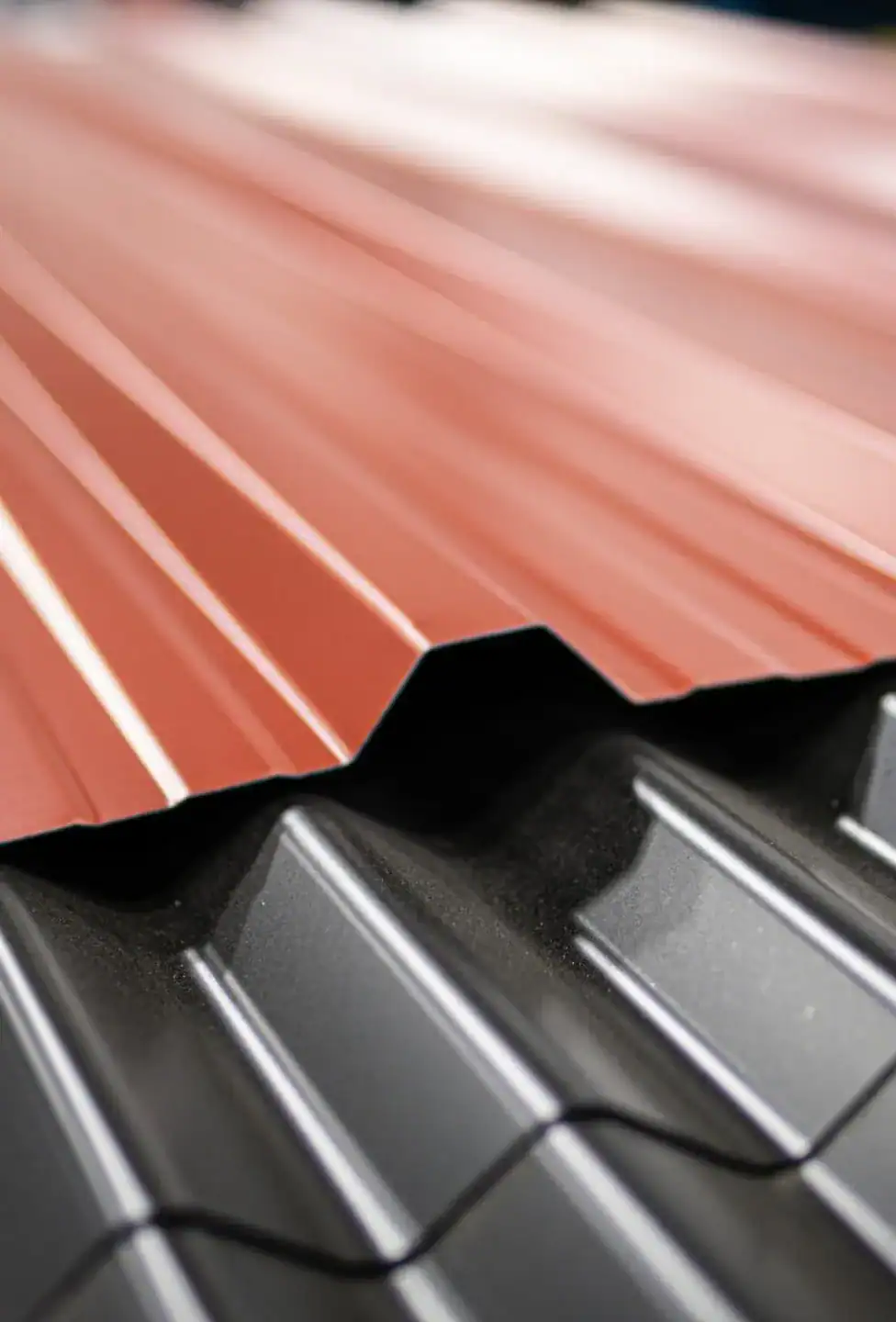
Corrugated metal is a panel with a repeating wave or rib pressed into it. The shape gives a thin sheet of steel or aluminum its stiffness. The classic version has soft, rounded waves. Many newer panels have squared-off ribs instead, which some people still call corrugated.
What sets these panels apart is how they’re attached. Screws go straight through the face of the panel into the deck or framing, and each screw has a rubber washer that seals the hole. That’s called an exposed-fastener roof. A standing seam roof works differently: the fasteners are hidden under raised seams, so nothing pierces the surface you see.
Corrugated or standing seam for an Orlando home?
Both are real metal roofs, and both shed Central Florida rain well. They differ in a few ways that matter over the life of the roof.
Upfront cost. Exposed-fastener panels usually cost less to buy and install than standing seam. That’s a big reason they’re popular on barns, sheds and porches.
Upkeep. Every screw on a corrugated roof is a sealed hole, and those rubber washers sit in full Florida sun. Over the years they harden and crack, and screws can back out a bit as the metal heats and cools each day. A corrugated roof needs its fasteners checked now and then. Standing seam needs far less of that.
Looks. Corrugated has a rustic, agricultural feel that suits some homes and not others. Standing seam reads cleaner and more modern.
If you want a metal home roof you hardly ever think about, standing seam metal roofing is often the better fit. If you want metal on an outbuilding, a porch or a home with a farmhouse look, corrugated makes a lot of sense.
Where corrugated metal roofing in Orlando makes sense
Corrugated panels are a natural fit for:
- Barns, workshops, sheds and equipment covers
- Carports and covered porches
- Homes with a farmhouse or cottage style
- Additions that need to match an existing corrugated roof
They’re less suited to very low slopes. Exposed-fastener panels rely on the pitch to move water off quickly, and on a nearly flat roof, water sits around every screw. For low-slope sections, a standing seam panel or a flat roof membrane is usually the safer choice.
Built to stay put in hurricane wind
In a big Central Florida storm, wind tries to peel a roof off from the edges and corners. On a corrugated roof, how well it holds comes down to the panel, the deck or framing under it and the screw pattern.
Screws go closer together near the eaves, rakes, ridge and corners, where uplift is strongest. Panel thickness matters too. Thicker steel resists denting and bending, and the right gauge for your roof depends on the span between supports and the building’s wind design. The permit and inspection process checks that the fastening matches what your building needs. This is where a careful installer earns their keep, and where a cut-rate job usually falls short.
Heat, rain noise and rust
Heat. A light-colored or reflective metal finish bounces back a good share of the afternoon sun, which helps keep the space underneath cooler. On a home, that can take some load off the air conditioner.
Noise. Rain on bare panels over open framing, like a barn, is loud. On a home, panels go over a solid deck and underlayment, and most people find the sound muted.
Rust. Modern panels come with factory coatings that protect the steel, but Florida humidity finds every weak spot. Scratches, cut edges, the wrong screws and contact with other metals or pressure-treated lumber can all start rust early. Matching the fasteners and flashing to the panel material is part of doing the job right.
Caring for the corrugated roof you already have
If your corrugated roof is leaking, the cause is often small. Worn washers, loose screws, a lifted panel lap or tired flashing at a wall can usually be fixed without replacing the roof. Replacing aging screws with new, properly sealed ones can buy a sound roof many more years.
When panels have rusted through in spots, or the roof has been patched over and over, replacement starts to make more sense. Our metal roof repair page covers the common fixes, and you can see every metal option we offer on our Greater Orlando metal roofing page.
How it works with APC Roofing
- Book your free inspection. Call 407-270-1129 or request a free estimate online.
- Get a clear, honest assessment and estimate. You’ll see photos of the panels, fasteners and flashing, hear whether a repair or a new roof makes sense, and get a written estimate.
- Your roof gets done and the site gets cleaned up. You get a realistic timeline with your estimate, and the crew cleans up before leaving.
Financing is available through Aqua Finance, Fortifi, Hearth and Home Run Finance.
Corrugated metal roofing questions
Is corrugated metal good for a house in Orlando?
It can be, especially on homes with a farmhouse look or on porches and additions. Plan for occasional fastener checks. If you want the lowest-upkeep metal roof for a home, standing seam is usually the better pick.
Can corrugated metal go over my old shingles?
No. We always tear the old shingles off down to the deck first. Soft, damaged or wet spots get fixed before the corrugated metal goes on.
Is a corrugated metal roof loud in the rain?
On a barn with open framing, yes. On a home, with a solid deck and underlayment beneath the panels, it’s much quieter than most people expect.
Will a corrugated roof rust in Florida’s humidity?
Coated panels hold up well when they’re installed with matching fasteners and trim and kept away from metals and treated wood that react with them. Scratches and cut edges are where rust usually starts.
A metal roof you can count on
Leaky screws and tired panels don’t fix themselves, and water that gets in around a fastener can quietly rot the wood underneath. With the right panel for your building, installed for Central Florida wind, you get a roof that sheds every summer storm and lets you stop looking up at the ceiling. Call 407-270-1129 to book your free inspection.


















