Thinking About Roof Replacement in Kissimmee Florida?
APC Roofing replaces coverings that have worn out, with the edge metal, boots and caps all done fresh.
Reach us at 407-270-1129 and a roofer will come and measure the house.
One Roof on Top of Another – the Case for Bare Sheathing
Code in plenty of places lets a new layer be nailed over the current one, so nothing has to be hauled away. Stacking a covering on the old one shuts the deck and valleys from view, so soft wood and rust stay put.
A doubled layer telegraphs every lifted edge up through it, and the added mass holds heat against the mat. A complete replacement goes down to clean decking, which puts any rot where a carpenter can cut it out.
What the Wood Shows – Rot and Open Gaps
Once the tear-off is done, the condition of every panel is clear. Rotted sections are cut out and replaced with stock of matching thickness, and edges lifting at the seams are secured again.
Houses built with plank decks can have wide gaps between the boards, and that kind of deck gets plywood laid over it. Roofing nails cannot bite into rotten material, which is how a new roof starts shedding tabs.
Synthetic Underlayment: Why Felt Gave Way
A roll of plastic-based fabric is fastened across the plane, which protects the sheathing if the top course is ever damaged. The felt that used to be standard tore under foot traffic, and the product that took its place stays smooth and strong.
Courses of the synthetic are lapped so water crosses each seam downhill, and fastener spacing follows the maker's printed guide. The hidden layer is worth asking about by name, because identical-looking roofs can part ways under the shingles.
The Sticky Membrane: How Far Up the Slope
A rubber-and-asphalt layer sticks directly to the sheathing, and it stretches as the panels shift. The gummy compound closes up around every nail hole, which stops a wind-driven drip from tracking down into the attic.
At the colder end of our territory, the protection is taken higher up the plane, since snowmelt held back by ice creeps up under the laps. A sealed deck, with tape over each joint, is sometimes specified, and that keeps water out after high winds take tabs off.
Where Each Slope Stops: Laid Before or After
A bent strip of aluminum or steel runs along the bottom and up the slanted borders of each plane, so the runoff falls away from the siding. Across the eave, the underlayment covers the metal's upper leg, whereas the rakes take the opposite order.
A lot of older homes went up with shingles simply hanging over the wood, so rot in the fascia is a common find. Fresh metal goes on around the whole outline, and damaged lumber beneath it is repaired.
What Keeps the Edge Row On: When Wind Gets Under
The eave receives a manufactured piece whose adhesive sits right at the lip, and it extends a little beyond the drip metal. Using leftovers turned backward misplaces the tacky strip, so the bottom row is free to flap in a storm.
Manufacturers print a target band for the nails on each shingle, and anything driven above it misses the overlap beneath. A slanting or deep-set head slices the mat, so a strong wind lifts the shingle off.
Moving Air Through the Attic – Keeping the Space Cool
A draft ought to come in under the overhang and leave at the peak, and the openings at each end are kept in proportion. Lower vents buried under insulation or paint starve the attic, and the exhaust openings then drag air from the house instead.
Steady circulation under the deck keeps the sheathing from overheating, so the asphalt above does not cook from below. At the colder end of our territory, a cold attic means snow melts only in sunshine, and the gutters stay clearer of ice.
Fan Duct Runs: Routed Outdoors
Plenty of bathroom vents simply stop short in the insulation, and the steam they carry condenses on cold plywood. Mildew spots and damp fasteners show what is happening, so the material eventually weakens from the attic side.
With the sheathing exposed, the pipes from the fans are easy to trace, and a flashed cap can be installed for each. Any connection that has pulled loose is fastened back in place, with insulated wrap added to keep water from collecting inside.
Where Siding Meets Shingles: No Salvaged Pieces
Where a slope ends at a raised face, one bent plate is laid with every row, and its upright part is covered by the exterior skin. The previous flashing has rusted edges and holes from past nailing, so everything is thrown out and replaced.
A kickout diverter at the foot of a wall turns runoff into the gutter, and lacking one, the siding takes the stream. Plenty of older homes were built with none, so decay appears just under the roofline.
Where a Chimney Rises: Where Roofer and Mason Meet
A masonry flue takes an apron across its downhill face and stepped pieces up both sides, while counterflashing let into sawn joints covers their tops. Wide chimneys get a cricket on the uphill end, so rain divides and flows past instead of pooling.
A stack lacking a peaked diverter gets one while the roof is apart, because nothing covers the wood in that area. Brick that flakes or mortar that crumbles up top is masonry work, since the counterflashing holds only as well as what surrounds it.
Skylights in the Slope – Swap or Keep
Every curb receives the step and head pieces its maker designed, and the parts overlap the adjoining courses like shingles. A skylight with fogged panes or rot around it is worth replacing during the job, since pulling it next year means tearing into sound work.
An unwanted glazed opening overhead can be removed for good, after which the gap is framed and sheathed. Water trickling down the inside of the glass on cold days is frequently condensation, and that calls for ventilation work, not reflashing.
Valley Construction: the Layers Underneath
The crease between adjoining planes takes the drainage of both, so it is reconstructed with the rest of the job. The low line receives a length of sticky membrane end to end, and then either sheet metal or shingles are laid over it.
The open method leaves a band of bare steel visible down the middle, while closed-cut work tucks tabs from one side over the center, trimmed straight on the other. Picking between them comes down to the covering and the climate, and each works when the details are sound.
Roof Penetrations – Old Brackets Removed
Every plumbing riser gets a fresh flashing unit, and the covers over the fans are changed out. Mounts and stacks that no longer serve, from dish brackets to disused pipes, are removed, and the openings are decked over with plywood.
Sealant at the boot is an extra, not the main barrier, while the flange lapped under the upper courses keeps the rain out. Flashing units in lead or silicone stand up to sun far better than standard neoprene, and they belong on a covering built for a long service life.
Nearly Level Areas: Membrane, Not Shingles
A carport or sunroom on many homes sits under a top with little rise, and asphalt was often nailed across it regardless. A lapped covering needs water to leave in a hurry, so on a gentle grade moisture lingers and creeps underneath.
A replacement can switch that section to modified bitumen or a single-ply membrane, and its upper end is sealed under the shingles above. A transition piece joins the flat part to the shingles, because slowed water looks for any gap.
Picking a Material – What the House Can Carry
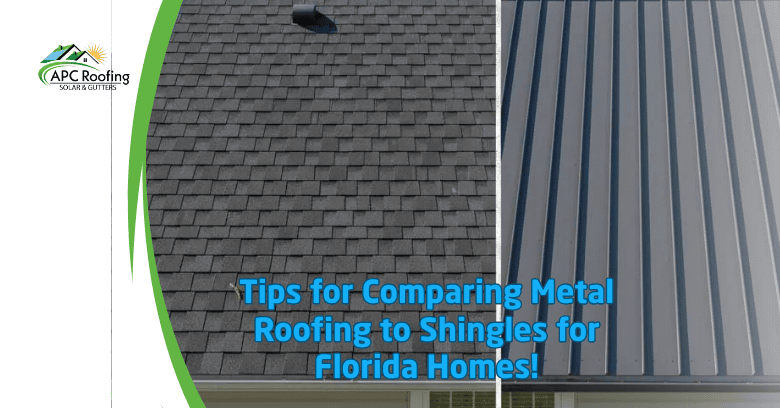
The grade of the roof takes some options off the list, because each system names a minimum slope. Laminated shingles work on most houses, steel panels ride out strong gusts, and tile belongs on a structure engineered to support it.
The color and profile matter to the look of the whole property, and paler shades keep the attic a little cooler. We tell you what we would install and explain it, and it is your call.
Built for the Local Weather: Fasteners and Toughness
At the colder end of our territory, hail is what bruises coverings, and shingles rated for impact resist cracking. A sample earns its grade by surviving steel balls dropped in a lab, so it tells you about toughness, not about what any storm will do.
At the coastal end of our territory, the design answers to gale-force wind, so the product must carry a strong uplift rating. The nailing pattern adds fasteners to every piece, and cement is dabbed under the tabs along the edges.
Finishing the Peak: Plugged at the Ends
Specially made folding shingles cover the apex and the corners, because everyday tabs split when doubled over. A continuous slot is sawn through the deck along an exhausting ridge, and the vent goes on over it with caps nailed through.
Plugs close each open end at the gables, and driven rain stays outside. The gap in the deck matches the maker's stated width, because too wide invites leaks and too narrow chokes the airflow.
The Ground Around the House: Gutters and Grass
Bushes, planters and outdoor chairs by the walls are best draped, while the condenser and ground-floor glass want plywood propped against them. A debris trailer by the eaves lets old material drop right into it, and boards under its wheels protect the drive.
Grit and shingle scraps end up in the troughs, and a full run spills over in the next heavy rain. A nail hidden in the turf can catch a mower blade or a paw, so the ground is worth going over afterward.
The Sequence: the Ridge at the End
Removal moves across the roof in stretches, so rain that arrives early finds little open decking. Carpentry is finished before the underlayment and membrane are laid, with the rake metal and starter set once the sheets are down.
Row after row, the shingles rise toward the top, and the ridge and hips are capped at the end. The sealant strips on each shingle bond once the sun warms them, so the tabs hold tighter after hot weather.
Home During the Work: Pets, Attic Boxes and Cars
The pounding overhead echoes through every room, and anything hung high on a wall can come down. The attic catches whatever sifts through the sheathing seams, and stored items are safer draped.
Parking on the street keeps cars clear of the work area, since a dumpster and deliveries need the space. A skittish dog copes more easily with a sitter across town, while children are kept back from the eaves as shingles fall.
Paperwork With the Town: Records for Resale
Local authorities usually require sign-off for a complete tear-off, and an official looks the roof over when the job is finished. The contractor is normally the one who files for the permit, since the application names the firm doing the work.
Anyone who offers to skip the approval step wants nobody checking, and that alone is a reason to talk to others. The municipal file proves the re-roof was inspected, and it keeps a sale from stalling over paperwork.
What Decides Longevity: More Than the Label
Dimensional asphalt is built to work for decades, while standing seam and tile can exceed that on the right house. What moves the real lifespan is the care taken at the flashing and edges, plus the weather each season brings.
Roofs on neighboring houses with matching shingles may need replacing a decade apart, since one breathes and the other bakes. An annual look once the heavy weather passes finds trouble early, and quick repairs keep the covering in service longer.
Signs a Roof Is Near the End – Worth a Closer Look
- Tabs that have curled at the corners – on the sides that face the sun.
- The black mat showing through – and granules at the downspouts.
- Repairs that do not hold at a different point each time.
- A wavy look to the surface – a clue about the deck or framing.
- Bright specks overhead in the attic – not just at a pipe.
- Brittle shingles that snap instead of bending, so patching damages more than it mends.
- A carpet of growth on the north side, on top of age-worn material.
- An old layover now wearing thin, meaning a strip to the deck next time.
APC Roofing and Roof Replacement in Kissimmee Florida – Our Method
We begin by walking every slope, and the attic is looked at from below after that. Our notes turn into a written proposal, naming every layer, the metal and the vents.
Photos capture the wood repairs and the details before shingles hide them, which shows what sits under the covering.
Roof Replacement on Homes in Kissimmee Florida: From the Wood Up
Reach us at 407-270-1129 to have a roofer come and measure.
The Gutter Line – Pitch and Fasteners
Rain coming off the shingles drops into the troughs, and the drip metal decides where it falls. Any length that sags, seeps or has pulled loose is recorded, since escaping water soaks the trim along the eave.
Any trough that comes off is remounted sloping toward the downspout, with new fasteners set in firm wood. At the colder end of our territory, a stopped-up gutter freezes hard and backs water up, and leaf guards or bigger leaders are worth a look.
Where Roofing Stops: Rooms That Stay Drafty
Cracked rafters and a dropping ridge are structural problems, and that happens before shingling. A thin blanket of attic insulation stays thin under a fresh roof, so the discomfort below persists.
Damaged wiring in the attic needs an electrician rather than a roofer, and it is flagged for the right trade. Everyone agrees up front on what the job will cure, and what it leaves alone.
To plan Roof Replacement in Kissimmee Florida, reach APC Roofing at 407-270-1129. We measure the roof and write the scope, and each recommendation comes with its reasons.
Verified

Verified
Verified
Verified
Verified