Living a few miles from the Atlantic means your roof works harder than most. Salt-laden air, relentless sun, sideways rain during tropical systems, and the kind of humidity that never really lets up all take a toll on asphalt shingles faster than they would thirty miles inland. APC Roofing installs and repairs shingle roofing throughout Palm Coast, from the coastal streets near Flagler Beach's border down through the neighborhoods off Palm Coast Parkway, with those exact conditions in mind. We choose materials and methods for this stretch of Flagler County, not a generic checklist pulled from somewhere else.
Why shingle roofing works in Palm Coast's climate
Asphalt shingles remain one of the most practical roofing choices for coastal Florida homes, but only when they're specified and installed correctly for the environment. A shingle roof near the Intracoastal faces different stress than one thirty miles inland, and the installation has to account for that difference from the first nail.
- Salt-air exposure accelerates corrosion on fasteners, flashing, and metal components, so we prioritize corrosion-resistant hardware throughout the system.
- Wind performance matters more here than in most parts of the state, so every install follows hurricane-rated fastening patterns designed to keep shingles locked down in sustained gusts off the coast.
- Constant UV exposure breaks down lower-grade shingles within a few years, which is why granule quality and heat reflection matter as much as color choice.
- High humidity encourages moisture retention in the roof deck and attic space, so proper ventilation is treated as a requirement, not an afterthought.
Shingle roofing done right in this area isn't just about covering the house. It's about building a system that sheds water, breathes properly, and stays anchored when storms roll through.
The shingle roofing process we follow
Every project starts with an honest look at what's actually happening on the roof, not just a quick glance from the ground. Our process stays consistent whether we're replacing an aging roof in one of Palm Coast's older sections off Old Kings Road or repairing storm damage on a newer build closer to the water:
- Inspection and damage assessment. We check the deck, flashing, vents, and existing shingles for soft spots, granule loss, and signs of past leaks before recommending anything.
- Deck preparation and underlayment. Any compromised decking gets replaced, and we install a synthetic or self-adhering underlayment suited to Florida's rain patterns and humidity.
- Shingle selection and installation. Shingles go down using nailing patterns and starter courses built for high-wind zones, not the minimum required elsewhere.
- Flashing and ventilation work. Valleys, chimneys, skylights, and roof-to-wall transitions get properly flashed, and intake and exhaust ventilation are balanced to keep the attic dry.
- Final inspection and cleanup. We walk the completed roof, check every detail against our own standards, and clear the property of debris and nails before we consider the job done.
That structure doesn't change based on the size of the job. A full shingle roof replacement in Palm Coast gets the same discipline as a smaller repair, because shortcuts on any one step tend to show up as a leak later.
Materials built for Palm Coast conditions
Not all shingles perform the same way once salt air and hurricane winds enter the equation. Homeowners in this area generally choose between two main options:
- Three-tab shingles, which cost less upfront but offer thinner construction and lower wind ratings, making them a tougher sell for coastal properties.
- Architectural shingles, which use a heavier, laminated design that holds up better against wind uplift and typically carries stronger manufacturer warranties for coastal exposure.
For most homes near the coast, architectural shingles are the more sensible long-term investment. We also look at:
- Impact-resistant ratings, which can improve a roof's resilience against wind-driven debris during tropical storms and may qualify homeowners for insurance discounts.
- Reflective or algae-resistant coatings, which help manage heat buildup and slow the streaking that shows up on shaded, humid roofs.
- Balanced attic ventilation, since even the best shingles fail early if trapped moisture is cooking the underside of the deck.
The right combination depends on the home's orientation, roof pitch, and how exposed it is to prevailing coastal winds, which is part of why we walk every property before recommending materials.
Before and after: a coastal shingle roof restoration
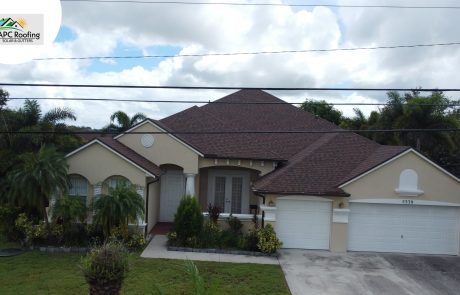
One recent project on a home near Palm Coast's canal-front section involved a roof with visible granule loss, curling shingle edges, and soft decking near a poorly flashed chimney, all fairly typical signs of a shingle roof nearing the end of its service life in a salt-air environment. After a full tear-off, deck repair, and installation of architectural shingles with upgraded flashing and ventilation, the homeowner ended up with a roof rated for higher wind resistance and a noticeably drier attic space within the first season. That kind of transformation is common when the underlying issues, not just the surface shingles, get addressed.
Local considerations for Palm Coast roofs
Roofing in this part of Florida comes with a few realities that don't apply everywhere. Hurricane season means every roof should go into summer and fall in solid condition, with loose shingles, exposed nail heads, and worn flashing addressed before a storm rather than after. Post-storm inspections matter too, since wind and water damage isn't always visible from the ground, especially after the kind of tropical system that tracks up the coast past Flagler County most years.
Salt spray off the Atlantic is a slower but constant threat. Homes closer to the water, particularly along the canal and waterway sections that make up so much of Palm Coast's layout, tend to need more frequent inspections of metal flashing, vents, and fasteners, since corrosion can quietly compromise a roof's weak points long before shingles show obvious wear. Regular rinsing and inspection intervals help extend the life of the system.
Flagler County's building codes also shape how roofs get built here, with wind-rating and fastening requirements generally stricter than in inland Florida communities, reflecting Palm Coast's location within the high-velocity hurricane exposure zone along this coastline. We build every shingle roof to meet or exceed those standards and pull the required permits before work begins. Palm Coast's flat terrain adds one more variable: drainage has to be planned deliberately, since roofs here don't get the same natural runoff advantage that steeper, hillier areas do.
APC Roofing's track record in Palm Coast
APC Roofing has spent years working on homes throughout Palm Coast and nearby communities including Daytona Beach, Deltona, and Holly Hill, giving us a close, practical understanding of how coastal weather actually affects shingle roofs in this part of Florida. We're licensed and insured, and every project comes with clear warranty coverage on both materials and workmanship so homeowners know exactly what's protected and for how long.
One Palm Coast homeowner told us after a recent replacement that what stood out most wasn't just the finished roof, it was that our crew showed up when they said they would and walked her through every step before touching a shingle. That's the kind of feedback we hear often in this area: straightforward communication, a crew that shows up prepared, and a finished roof that holds up through the first real storm season. That reputation matters more here than in drier, calmer climates, because a coastal roof either performs when it's tested or it doesn't.
Common roofing concerns in this area
Homeowners across Palm Coast tend to raise similar questions and issues, including:
- Premature wear from salt exposure, which often shows up as granule loss or corroded flashing years before a shingle roof would normally need attention elsewhere.
- Storm damage assessment, particularly after tropical systems, along with support navigating insurance claims when wind or water damage is involved.
- Maintenance scheduling, since coastal roofs generally benefit from more frequent inspections than the once-every-few-years approach that works inland.
- Lifespan expectations, since a shingle roof rated for twenty-five or thirty years nationally may perform closer to the lower end of that range near the coast without proper materials and upkeep.
Being upfront about these realities is part of doing this work honestly. A roof sold with unrealistic promises about longevity doesn't do the homeowner any favors once hurricane season arrives.
Ready to talk about your roof?
If your roof is showing granule loss, curling edges, soft spots, or storm damage, waiting rarely makes the repair smaller or cheaper, and in a market like Palm Coast where salt air and summer storms work against you year-round, a small deferred repair tends to become a bigger one fast. APC Roofing serves Palm Coast along with Daytona Beach, Deltona, Holly Hill, and other nearby Florida communities, and we're ready to inspect your roof, walk you through exactly what we find, and lay out honest options for repair or shingle roofing replacement. The next practical step is simple: reach out through the APC Roofing website or call to schedule an inspection before the next storm system tests your roof for you, rather than waiting until a leak forces the issue. Acting now, while there's time to plan the work properly and secure permits ahead of hurricane season, generally costs less and causes far less disruption than an emergency repair after water has already reached your ceiling. Your roof is one of the few parts of your home doing constant work against the coastal elements, and it deserves an honest assessment from a crew that has actually spent years watching how Palm Coast weather wears these systems down.
Verified

Verified
Verified
Verified