Looking for Architectural Shingle Roofing Throughout Palm Coast Florida?
APC Roofing re-covers slopes with laminated or flat strip products on houses, garages and sheds.
Call 386-356-2111 and a trained eye will check the details and report back.
Inside the Product – Raw Ingredients
Each shingle is built on a fiberglass mat for strength, while asphalt soaked through the sheet turns rain away, and granules rolled into the surface shade everything beneath from ultraviolet rays.
Lines stacked side by side at a supplier are not always equal, and weight per square often tracks with durability. A swatch offers the look and nothing more, while a technical sheet sets out performance figures.
Traditional and Textured: Appearance and Build
A three-tab product is a single-layer piece with twin cutouts at the exposed edge, and courses laid this way form tidy straight bands. An architectural shingle glues a shaped overlay onto a full-width base, and the offset design reads as depth from the street.
The double-ply build adds material and weight, and a higher wind rating typically comes along. Nails on a dimensional shingle go through the zone where the plies meet, and the manufacturer's markings set the target.
Keeping the Traditional Look – A Smaller Selection
Little outbuildings and back porches are typical spots for three-tab, and new work can blend with existing courses of that kind. Selection has shrunk, since many brands have trimmed that style, and a favorite shade may be gone for good.
A dimensional surface disguises minor unevenness in the sheathing, while single-ply rows show every ripple. The two styles share the same underlayment and edge metal, and the shingle itself is the only part that changes.
Loose Grit: Sun-Facing Slopes
Some surplus grains rinse off a recently installed covering, which is harmless. Heavy grit at the downspouts of an older covering means the protective coat is thinning, and the unprotected asphalt soon cracks and curls.
Faces that point south and west take the strongest sun, so the damage is usually heaviest on them.
Sealant Lines: Limits in Cold Months
Every shingle arrives with a sticky asphalt stripe, and warm days melt it just enough to anchor the next row. Adhered courses keep their bottom edges down in a gust, while the nails keep doing their share for decades.
On a chilly job at the colder end of our territory, sealant may sit inactive until spring, and wind can peel back the tabs before then. Dabs of asphalt cement applied by the installer are what makers specify in that case, and each bundle label marks the right locations.
How Courses Are Attached: Tools and Technique
Nails land in a slim target stripe laid out by the manufacturer, where the shank also catches the headlap of the row below. A standard shingle gets four fasteners, while a bundle wrapper asks for six on very steep or wind-exposed jobs.
Nails placed high skip the course below, a head sunk too deep tears the fiberglass, and a slanted shank lifts the shingle laid over it. A listed wind class is valid only for the pattern the manufacturer specifies, while one misadjusted compressor can spoil every drive on a job.
The Wood Below – Replacing Weak Sections
The deck under asphalt shingles is usually plywood or OSB, since shanks need continuous solid material to stay put. Homes that once wore wood shakes may still have spaced slats up top, so sheathing is laid across them before shingles.
A tear-off exposes spongy or rotten areas, which are removed and replaced, since decayed material lets go of whatever is driven into it. A small gap is left between neighboring panels, as boards butted tightly lift into ridges when they absorb moisture.
Old Paper, New Fabric – Types in Use
Building rules in most places require a water-resistant membrane over the deck, and its seams are lapped so rain crosses them without entering. Felt paper has mostly given way to synthetic underlayment, as the modern fabric is tougher and does not ripple after rain.
Water blown under a lifted tab runs down the membrane to the gutter, yet the maker limits how long it may be left uncovered.
Self-Adhered Eave Membrane: Width That Counts
At the colder end of our territory, a heated attic thaws rooftop snow, and meltwater hardens again once it reaches the cold rim. Standing water behind the buildup finds its way beneath the shingles, and standard felt or synthetic sheet does not close around the nails.
A self-sealing ice barrier goes down along the bottom of each slope where winters freeze, and it is carried upslope far enough to clear the heated part of the house. Across every part of our service area, valleys and skylight curbs frequently get it too, as water collects and lingers there.
Border Protection: Sequence Matters
Prefinished drip edge follows each eave and each rake, so rain falls free beyond the woodwork. Down low, the flashing is installed before the underlayment, whereas up the gable the sequence runs backward.
A modern code commonly calls for edge metal along every border, because runoff can cling and curl back toward the wood.
The Launch Point of Each Plane: Uplift Concerns
Before any exposed shingles, a starter strip is laid along the bottom, so sealant lands exactly where the covering stops. A reversed field piece puts its sticky band too far up, and the tabs at the low border are held only by nails.
The sloped gable edges frequently get starter strips too, because suction acts along the outer rims.
Drainage Between Planes: Construction Methods
An open valley shows a strip of metal running down the crease, while the closed-cut version clips one side's courses along a snapped line. Interlacing rows from each plane suits single-layer products, but most laminated shingles are too stiff for that.
No nails are driven near the middle of the crease, and an adhered membrane lies underneath the whole length. Debris packed into a valley stays damp long after rain ends, and heavy rain can then spill sideways under the edges.
Vertical Surfaces: Water Shedding Order
An individual step flashing, one to a course, climbs beside a wall, and siding or counterflashing laps down over its upright leg. At the low corner by the house, a kickout piece bends outward, so water is thrown clear into the gutter.
Around a chimney, step pieces line the sides, an apron covers the front and counterflashing is set into the masonry, and a broad stack calls for a saddle upslope.
Plumbing Protrusions – Upkeep Notes
A pipe boot is built from a flat base plate and a stretchy neoprene collar, and sun eventually opens cracks where the seal wraps the stack. The flange slips under the courses higher up, and the exposed foot lets water pass over rather than behind.
Collars often crack while the surrounding field still has years of wear left, so new boots come with every new covering.
Where Slopes Crest: Cold and Cracking
A line of cap shingles covers the ridge and the hips, and architectural work uses a factory-made accessory. Tabs sliced out of flat strips are far thinner, and in winter at the colder end of our territory the fold is prone to cracking.
The caps often conceal a vent along the peak, so longer fasteners go through it to anchor in the decking.
Attic Airflow – Mixed Systems
Intake openings in the soffits let cool air in near the bottom, and the ridge releases it. Loose-fill insulation piled into the corners can smother the flow, so a baffle in each rafter bay keeps the way clear.
An attic holding in heat warms the deck from underneath, and moisture from the living areas lingers up there. At the colder end of our territory, frost can form on the nail tips poking through overhead, and it drips onto the insulation once the day grows mild. Mixing a ridge vent with gable louvers or a powered fan can short-circuit the flow, since the draft takes the quickest route rather than sweeping the whole space.
Regional Demands – Humidity and Wind
The metros we serve run from freezing uplands to steamy lowlands, so a shingle ages in its own way depending on the setting. At the coastal end of our territory, hurricanes bring hours of sustained wind, so a high-wind pattern with more nails is specified. Strong sun, season after season, makes the coating brittle, while muggy weather encourages dark streaks.
At the colder end of our territory, freeze and thaw cycles pry at every small crack, and the weight of drifted snow adds its own strain.
Stones Out of a Thunderhead – Reading the Strikes
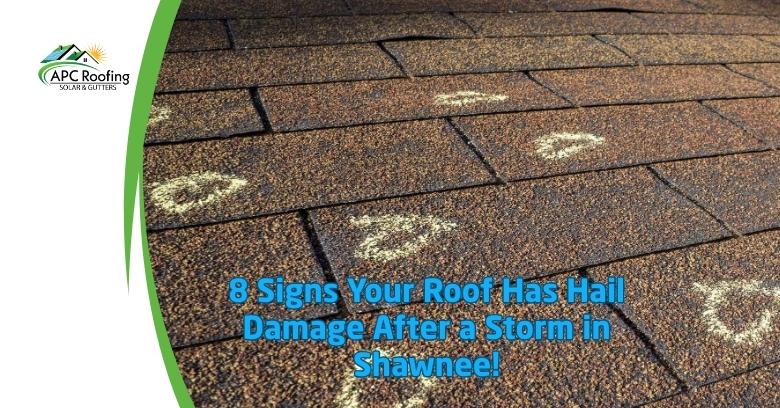
At the colder end of our territory, big hail visits many neighborhoods, so shingles designed to resist impact are widely sold. A hailstone knocks granules loose where it lands, and a heavy blow may fracture the fiberglass below.
Impact ratings come from a laboratory test that drops steel balls on the shingle, and a line that passes at the top level holds up better. Certain makers blend a rubbery polymer into the coating, which lets the shingle flex instead of shattering.
Storm Winds: Folded Tabs
Suction pulls hardest along the eaves, the rakes and the corners of a roof, and a shingle whose seal has let go starts to flap. A tab flipped over by a gust carries a scar across it afterward, and it is liable to tear off later. A shingle hurt like that is replaced with a new one, but a piece that simply came unstuck can be glued down by hand.
Gaps where tabs tore away expose the membrane to sunlight, and ultraviolet light breaks that layer down quickly.
Stains and Green Growth – Cleaning Without Harm
Blackish discoloration in long vertical bands is algae, which survives by feeding on limestone filler. At the humid end of our territory, shaded north-facing roof planes grow it fastest, and the film alone rarely shortens the life of the covering.
Moss matters more, since it keeps the courses damp, and as it creeps it breaks the tabs' seal. High-pressure spraying rips the grit away with the growth, so a mild product rinsed on softly is the better choice. Some lines carry copper in the top layer to resist algae, and zinc bands near the top release traces that discourage regrowth.
Picking a Hue: Mixing Bundles
Dark shingles soak up more sunlight and run hotter, while pale ones stay cooler. Some brands coat their granules to bounce back more heat, and a measured reflectance number comes with them.
A pallet from one batch can look a touch off from another, so maker directions say to draw from more than one bundle at a time. Blends that combine many colors mask small mismatches, while a solid, even finish reveals them more readily.
Climbing Onto the Courses: A Safer View
A sun-baked covering loses its firmness, so treads rub the stone off in patches. At the colder end of our territory, a course stiff with cold can break under weight, while frost at dawn makes the footing treacherous.
Staying down below is wiser for a homeowner, and a good pair of field glasses picks up loose or missing pieces.
Shingles Over Shingles: The Deck Question
A re-roof over a prior roof is legal in many towns, but never over two, or over boards that are wet or rotten. A layover keeps the worn shingles sitting on top, so any weakened patch gets buried under the added courses.
Curled edges underneath leave a lumpy look on top, and weathered flashings are often reused rather than replaced. A second layer's load sits on framing chosen decades ago, while the fasteners need more length to bite into the boards.
Clues to Notice: Outside and In
- Mineral grains build up in the gutter troughs, and the layer thickens with each storm.
- Some tabs flap loose or are gone altogether, which means the seal has let go.
- The lower margins cup into a shallow dish, since age and heat have stiffened the material.
- Fractures cross the exposed face, and rain then finds a path to the mat.
- Some spots look dull and flat, because the granules there are gone.
- The gasket at a vent has shrunk away from the stack, and rain slips through into the house.
- Flashing at a chimney has lifted off the brick, and gusts can push weather in behind it.
- A water mark appears near a light fixture or a closet, while the opening outside can be several feet off.
How APC Roofing Goes About Architectural Shingle Roofing in Palm Coast Florida: Findings You Can Use
An inspection starts by walking each slope in turn, and each valley, vent, flashing and edge is looked at closely. Inside the house, the attic is searched for stains and daylight, and darkened boards on the underside show past leaks.
Any problem is photographed, and the extent is measured. Everything found is set down in writing, and each suggestion is explained. A little problem is never made to sound big, and a worn-out covering is identified as such. What happens next is the owner's decision, and waiting is one of the options.
Architectural Shingle Roofing for Homes in Palm Coast Florida: Findings in Plain Words
Call 386-356-2111 and describe what you are seeing.
Fix or Replace: Where the Line Falls
A split collar, a gap at a wall or some torn tabs makes a routine repair, while everything else on the slope remains. New pieces will not match weathered ones exactly, and that earlier shade may simply not exist anymore.
Old shingles snap when they are bent up to free a fastener, so the pieces beside the work may need to come out too. If hard, curled courses run from eave to ridge, a new covering is the sensible answer.
Useful Lifetime: Care Along the Way
On three-tab, fifteen to twenty years is normal, while dimensional ones often manage a decade more. The ranges shift with attic ventilation, climate and installation care, and a severe storm can cut a covering's life short.
A look at the vent collars and metal details every so often makes sense, since spotting a fault quickly keeps the damage small.
If you are planning Architectural Shingle Roofing in Palm Coast Florida, get hold of APC Roofing at 386-356-2111. Each slope is walked and every detail checked, and a written report leaves the choice with you.
Verified

Verified
Verified
Verified