
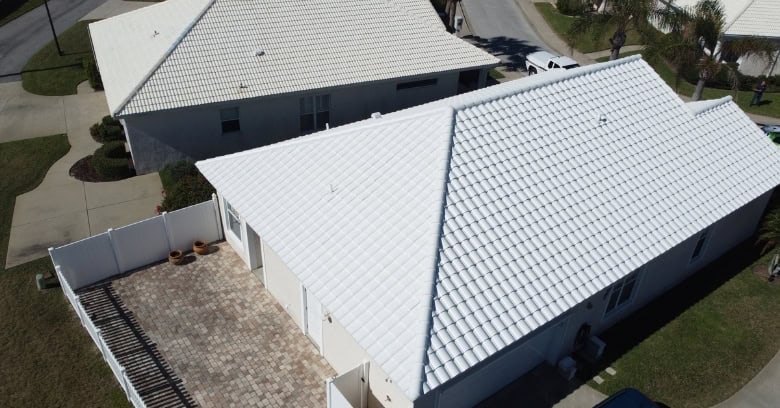
Looking for Roofing Contractors in Mineola Florida?
APC Roofing takes on anything from a checkup to a full replacement, on asphalt, steel and clay coverings alike.
Get in touch at 407-270-1129, and a roofer sets a time to come look at the house.
The Roof's Inner Build-Up: the Working Structure
What shows from the curb is just the outer layer, and underlayment, decking and rafters sit beneath the surface. Metal flashing seals the seam at a wall, a pipe or a valley, and trouble nearby seldom means a failure in the surrounding shingles.
Ventilation in the attic ranks as one more working part of the roof, as heat trapped under the boards shortens the life of the shingles above. A drip inside a bedroom can come from any level of the roof, so attention paid only to the outside can miss where the water entered.
What a Roof Does for a House: Behind the Shingles
A pitched covering sends rain down toward the gutters, and the fastening pattern resists wind uplift. What lies below carries the weight of everything on top, snow included at the colder end of our territory, and openings low and high let moisture escape the attic.
The covering handles water, and the fastening handles wind, and holding the whole thing up falls to what is underneath. A problem in one material reads as damage on a different part of the roof, so the cause gets traced instead of the symptom being patched.
The Smaller Details Up Top: What Falls Behind First
An asphalt surface is expected to serve for decades, but the flexible seal around a stack splits well before the shingles do. Rain finds a way down past the weak point, and a brown patch forms on the ceiling underneath.
A line of caulk at a chimney shrinks with every hot season, and galvanized flashing corrodes at folds and nail holes. Ridge caps split across the crease, since the crest takes more weather than the planes below.
A Walk Around the Property Beforehand: Before Anyone Climbs
At a distance, the outline of the roof gives away dips, sags and wavy planes, and the gutters and trim can be checked in the same glance. A zoom lens singles out torn collars, lifted tabs and bare patches, though some faults cannot be judged without climbing onto the roof.
Once on the roof, a roofer checks every connector closely and follows the flashing at each wall, and every course is checked for edges that have come loose. Wet shingles and sharp pitches rule out getting up there safely, and the check is made instead from a ladder at the eave.
Above the Ceiling: What Owners Can Find
A stained patch on the plywood shows water that got in before, and a wet surface under the hand means water is still getting in. A pinpoint of sky through the boards marks a gap, and the spot gets pinned down by distance from the ridge, ready for the outside check.
Nail points gone orange signal damp air, not a leak, and a matted, gray patch backs up the same story. Insulation crammed against the eave, or an exhaust fan dumping into the attic, comes to light only from inside, so ventilation trouble of that kind escapes a yard-only check.
The Follow-Up Paperwork: Kept for Reference
Each finding is recorded with a photograph tied to a place on the roof, and a short note describes what each image covers. Good sections get the same plain treatment as sections that do not, and problem areas are ranked by urgency.
Keeping an older report gives the next check something to compare against, and movement across seasons reads more directly than one day's condition. A roof followed on a consistent schedule rarely springs a surprise, and a big repair signals trouble long before the work is urgent.
Keeping a Shingle Roof in Shape: a Short Rundown
Worn pipe gaskets get swapped out before failure, and aging caulk at skylights gets cut out and redone. Pine straw and twigs get picked out of the valleys, and every outlet gets checked for an open path.
A raised corner glued down in time stays a simple repair, but putting off that step through storms can end in a drywall stain. Moss holds shingle edges up and traps water against the courses, and a biocide treatment clears the growth, with no pressure washer involved.
A Regular Routine: What to Expect
Somebody trained in the trade should go over the roof once a year, timed for the point when local weather turns roughest. The aim is spotting aging before rain gets through, and nobody is left guessing about the roof's condition.
Following a storm, a walk around the house with eyes on the roof is a good habit, and top-floor rooms are worth checking for fresh stains. A few minutes under the deck with a lamp each season pay off: dark spots, daylight and matted insulation turn up long before anything travels any further.
The Age of a Roof Seen From the Ground: From New to Worn
Freshly laid, a shingle covering is flat and evenly toned, and by mid-life the sun-facing side fades ahead of the shaded side. Close to the finish, corners lift and bald patches spread, and mending one area seems to open another.
An appraisal from the yard supplies a decent guide, but a walk on the roof is what confirms the condition. A covering that has reached the end of a normal service life raises a replacement question, and a trustworthy contractor gives a plain answer, rather than selling more mending.
A Channel That Has Given Up: What to Watch For
A roof moves water only as far as the drip edge, and a gutter takes the water the rest of the way. A run choked with leaves sends overflow behind the trim board, and the wood close by swells and softens.
A soft spot along that edge points more often to drainage trouble than to worn shingles, and replacing the roof leaves the real cause untouched. The slope of every gutter and where each downspout empties get checked, and the drip edge gets looked over where the metal meets the fascia line.
A Two-Way Exchange: What Homeowners Should Know
Outside air should enter under the eaves and leave near the peak, and that path carries heat and moisture out of the attic. Once that gets shut off, the attic bakes in summer and stays soggy in humid weather, and the whole build's service life shortens.
Exhaust hardware installed with no matching intake draws conditioned air up from the rooms below, and competing setups on one roof can leave the lower attic stagnant. Fresh shingles laid over stale, trapped heat age nearly as fast as the old ones did, so the fix belongs in the same job as the new covering.
Roofing That Fits Where You Live: An Overview
At the colder end of the markets we serve, snow load and ice at the edge drive the design, so peel-and-stick material gets laid along the overhang. Closest to the ocean, gusts decide how the covering gets anchored, and hurricane-rated edges and sealed flashing get specified.
Where hail falls hard at the colder end of our territory, an impact-rated covering is worth considering, while strong sun bakes asphalt across every market we serve. The details get set by conditions at that specific location, not habit or a standard default.
Residential and Commercial Roofs: Split by Structure Type
Angle and overlap work together to move water off a pitched covering, and the material is commonly shingle, tile or metal panels. Most commercial buildings use a single-ply or built-up membrane, and rooftop units and drains get set directly into the surface.
A good number of homes have a shallow section over a porch or a sunroom, and shingles there tend to leak because water lingers before running off. A spot shaped that way calls for a sheet membrane, tucked under the steeper roof above, and re-shingling that spot only repeats the trouble.
Protecting a Damaged Roof for Now: What Holds Up
A barrier keeps rain off a hole before repairs begin, but nothing gets solved underneath. A properly installed cover wraps the ridge and gets pinned under wood strips, and the fabric gets stretched so no loose fold can catch the wind.
Extra reach past the opening matters on any temporary cover, since water slips in under any edge that ends too soon. A membrane left up too long traps moisture against the covering, and the material underneath weakens over time.
Where the Roof Changes Direction: Getting the Work Right
Where shingles climb beside a wall, L-shaped pieces alternate with the courses, and an overlapping strip above keeps runoff off that metal. A chimney gets an apron across the downhill face and metal tied in up each edge, and a broad stack gets a diverter built into the roof behind.
Roof cement spread across an opening hardens and pulls away, so a rebuilt detail is the only answer that lasts. Eroded mortar joints let water into the brick above the flashing line, and that kind of trouble calls for a mason alongside a roofer.
What a Proposal Should Say: a Careful Look Before the Ink Dries
A signed agreement should identify the shingle, the underlayment and the metal by name, and the document says whether the existing roof gets stripped to the deck. A firm outline settles ahead of time how bad wood gets handled, and the metal, the ventilation and the yard cleanup are each called out.
Thorough scopes from rival bidders can be checked point by point, and the true difference between the two shows plainly. A firm unwilling to resolve the plan in advance is telling an owner something, since a handshake settles nothing once a dispute starts.
Redoing an Aging Roof: What Changes at the House
Plants take tarps and hard surfaces take padding before the crew begins, and the old covering gets stripped into a trailer. Once exposed, the sheathing gets a careful look for rot and breaks, and rotten sections get rebuilt before anything gets put back down.
A protective membrane, new flashing and full underlayment get installed, and shingles or panels, capped at the ridge, complete the installation. A magnet gets run over the lawn and the driveway when the work is done, and a last look confirms the gutters are clear.
Beyond the Shingle Roof: Notes by Covering Type
Metal sheets held by visible fasteners stay dry because of the gasket under each fastener, and a worn spot gets cured with a new screw rather than caulk. Across our markets, tile sets by mortar, by foam or by clips, based on the property, and the underlayment does the actual waterproofing.
A careless step snaps a piece easily, and a matching replacement goes in wherever one gives way. Where part of a roof runs nearly flat, ponding and split seams are the warning signs, and the drain openings get kept free of debris.
What Owners Tend to Notice: Caught Early
- Grit gathering at the downspout outlets, long after the covering was installed.
- Curled or lifting edges on the courses, in patches that widen every year.
- A vent seal that has pulled loose, with a stain trail on the covering below.
- A ceiling ring in a top-floor room, soft at the center.
- Light leaking in near a valley or a pipe, beside a vent stack.
- Moss on a shaded slope, in spots that stay damp longest.
- A wave running across a plane, widening a little each season.
- Sealant pulling away at a wall, easy to spot from the yard.
Roofing Contractors in Mineola Florida: APC Roofing, Step by Step
Before any advice gets given, a roofer goes over the whole covering and the attic, and what turns up gets delivered as pictures along with a written explanation. What is holding up gets stated as clearly as what is not, and the homeowner sets the order of any work.
Roofing Contractors for Mineola Florida Homes: a Roofer Who Reads the Whole Roof
Phone 407-270-1129 and get a date on the calendar.
A Roof Timeline: Easy to Maintain
Writing down the installation date and the materials used is a smart habit, and each report from a follow-up visit joins the same file. Listing every fix, the place and the scope, takes only a minute, and over time the pattern shows which areas keep needing attention.
When a house goes up for sale, a buyer's inspector asks about the roof, and dated receipts make the answers easy to give. A backup copy of the whole file keeps one bad day from erasing the whole thing, in case the paper sheets go missing in a move.
Judging the Result: Points to Look For
The lines run true from eave to ridge, with rake cuts trimmed sharp, and every fastener stays hidden under the shingle above. Flashing at walls is new and set in properly, and caulk, where used at all, forms a thin, careful line.
The soffit vents breathe freely and the ridge vent stays clear, and the downspouts remain connected and unclogged. The lawn and driveway get a magnetic pass at the end of the job, and a quick hose-down removes the last of the sawdust from a walkway.
Anyone who came here searching for Roofing Contractors in Mineola Florida is closer to an answer than a listings page ever gives. A call to APC Roofing at 407-270-1129 moves the scheduling forward. Every visit takes in the whole roof and the attic beneath, with nothing left unclear.
Verified

Verified
Verified
Verified
Verified


















