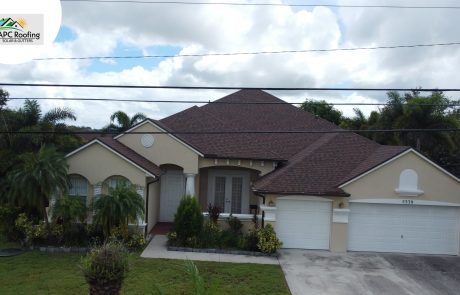
Trying to Find Roofing Contractors in Palm Coast Florida?
APC Roofing handles everything from a simple checkup to a full replacement, across asphalt, metal and tile alike.
Reach us at 386-356-2111, and a roofer arranges a visit to the house.
The Roof's Inner Build-Up: What's Tucked Away
The surface a passerby notices is only the outer layer, and underlayment, decking and structural framing sit out of view. Strips of flashing cover the gap at a chimney, a pipe or a valley, and a drip there rarely points to worn shingles on the slope.
The space under the sheathing works as a component of the roof, too, as heat trapped under the boards shortens the life of the shingles above. A drip inside a bedroom can come from any level of the roof, so a repair aimed only at the surface can miss the real cause.
The Jobs a Roof Performs: More Than Meets the Eye
Laps and pitch steer rainfall toward the gutters, and the nailing keeps gusts from lifting the courses. The trusses and sheathing support the load above, snow included at the colder end of our territory, while airflow through the attic moves damp air out.
Water is the covering's job, and wind is the fastening's task, while what is underneath answers for holding the roof up, unnoticed. A weak link puts strain on the parts around the weak spot, and a lasting fix reaches back to where the fault began.
Minor Roof Components: What Falls Behind First
The shingled field is built to last for decades, but a rubber collar at a vent pipe gives out far sooner. Moisture gets behind the covering and moves toward the room, and a ring shows up on the drywall beneath.
The bead where two materials meet cracks after enough hot seasons, and galvanized flashing corrodes at folds and nail holes. Cap shingles break along the seam, as nothing shelters the peak from gusts and glare.
A Walk Around the Property Beforehand: Standing Back and Then Closer
From the yard, the shape of the roof reveals dips, sags and wavy planes, and the gutters and painted trim show up in the same look. A zoom lens singles out torn collars, lifted tabs and bare patches, though failing sealant can stay hidden from the ground.
Moving across the planes, a roofer tests every connector and traces every flashing joint, and every course is checked for edges that have come loose. Wet shingles and sharp pitches rule out getting up there safely, and the eave, reached by ladder, provides the vantage point instead.
Behind the Ceiling: What Owners Can Find
Discolored wood around a fastener points to water that beat the covering, and a clammy touch means the problem is ongoing. Daylight visible between the boards marks an opening, and the distance from the ridge and gable gets measured so the spot can be found outside.
Rusted nail tips point to condensation, not a leak, and a flattened, discolored patch nearby carries the same message. A soffit choked with insulation, or a bath fan venting into the attic space, is spotted only from inside, so ventilation trouble of that kind escapes a yard-only check.
The Follow-Up Paperwork: What Gets Handed Over
Findings arrive as photographs tied to specific places on the roof, and a caption states what each picture reveals. What is holding up gets named as clearly as what is not, and faults are ranked by how soon repair is needed.
A report kept on file lets the next check be measured against a known starting point, and movement across seasons reads more directly than one day's condition. A roof checked on a steady yearly cycle seldom surprises the owner, and a serious repair shows warning signs long before the work turns urgent.
Keeping a Shingle Roof in Shape: the Basic List
Vent collars get replaced before splitting, and aging caulk at skylights gets cut out and redone. Pine straw and twigs get picked out of the valleys, and sagging gutter hangers get tightened.
A loose piece fastened back promptly stays a minor task, but putting off that step through storms can end in a drywall stain. A mat of moss holds water along the lower edges, and a gentle wash clears the growth, since a pressure washer strips granules.
How Often the Checkup Should Happen: The Payoff
A trade professional should cover the roof on a yearly basis, set for just after the roughest local weather each season. The purpose is catching wear before a leak develops, and the homeowner learns roughly how much life the covering has left.
Between checks, a glance from the lawn after a storm is useful, and ceilings on the top floor are worth a look for new rings. A flashlight trip into the attic twice a year pays off: rust on nail tips, daylight and wet fill appear long before anything reaches the living space.
Reading a Roof's Age: Clues at Each Stage
Newer asphalt lies smooth and uniform in tone, and around the midpoint the sun-facing plane grows paler sooner than the rest. Close to the finish, corners lift and bald patches spread, and mending one area seems to open another.
An appraisal from the yard supplies a decent guide, but the true condition shows only from up top. A roof near the finish line is better replaced than patched again, and a trustworthy contractor gives a plain answer, rather than selling more mending.
The Trough Behind the Fascia: the Basics
The covering's job on water stops at the drip edge, and the gutter line handles the flow after that. Blocked outlets send overflow over the back lip of the channel, and the wood underneath begins to rot.
Trouble along that edge usually comes from standing water, not the covering, and reroofing alone will not solve a fault at that spot. Gutter fall and downspout placement get checked together, and the drip edge gets looked over where the metal meets the fascia line.
A Two-Way Exchange: Why the Details Matter
Fresh air is meant to come in at the soffits and exit along the ridge, and that path carries heat and moisture out of the attic. With the opening closed, the attic turns hot in summer and clammy in humid months, and the whole build's service life shortens.
A fan starved of intake draws air from the rooms below, not from outdoors, and competing setups on one roof can leave the lower attic stagnant. Reroofing with poor airflow left alone carries the fault forward, so the fix belongs in the same job as the new covering.
Specifications That Follow the Weather: What Shifts From Place to Place
At the colder end of our range, ice and drifting snow set the build, and a sticky underlayment protects the lowest courses. Nearest the coast, uplift resistance governs the fastening choices, and storm-rated trim metal and taped seams get called for.
In towns at the colder end of our territory, where hailstones run large, a harder product makes sense, while intense sun dries out asphalt everywhere we work. Specifications follow the weather at the house, not routine, and not whatever a past project called for.
Houses and Commercial Buildings: Different Demands
A sloped covering sheds rain by lap, and the surface is usually shingle, tile or metal. A store or warehouse shelters under a nearly flat, sealed membrane, and rooftop units and drains get set directly into the surface.
A good number of homes have a shallow section over a porch or a sunroom, and shingles over an area such as that leak because standing water finds a way under the laps. A spot shaped that way calls for a sheet membrane, tucked under the steeper roof above, and re-laying shingles there repeats the same fault.
Covering an Open Roof: Done the Right Way
A barrier over a torn area keeps water out in the meantime, but the broken parts stay broken all the same. A sound cover sits over the ridge and gets held down by wood battens screwed through the material, and the material gets pulled taut so wind cannot get behind the edge.
A tarp needs to extend well beyond the break, because rain travels sideways toward a gap that stops short. A cover left up through a whole season holds heat against the surface, and the material underneath weakens over time.
Where the Roof Changes Direction: Where Leaks Start
Every course against a wall gets a dedicated step-flashing piece, and a cap of counterflashing laps down from above. A brick chimney gets an apron downhill and metal set in up each edge, and a wide stack gets a cricket that divides the flow around back.
A smear of mastic over a bad patch opens up within a few seasons, so a rebuilt detail is the only answer that lasts. Eroded mortar joints let water into the brick above the flashing line, and a mason may need to handle the stonework while a roofer handles the metal.
The Written Scope: Comparing Bids
A clear plan identifies every material, from the shingle to the metal, by name, and a plain line covers tearing off versus covering over. A solid outline sets a rule for any soft sheathing found mid-job, and flashing, ventilation and cleanup each appear as a separate line.
Thorough scopes from rival bidders can be checked point by point, and what one write-up covers and another skips becomes obvious. A roofer who waves off the specifics gives no genuine protection, and a spoken assurance proves nothing after the fact.
Redoing an Aging Roof: What Changes at the House
Landscaping and paving get shielded before any tearing begins, and the old covering gets stripped into a trailer. At that stage, the wood underneath gets inspected, and rotten sections get rebuilt before anything gets put back down.
Membrane at the eaves, underlayment across the field and new flashing all go down, and shingles or panels, capped at the ridge, complete the installation. A magnetic sweep covers the yard and the drive at the end of the workday, and the gutters get a final check for leftover material.
Upkeep on Other Coverings: Notes by Covering Type
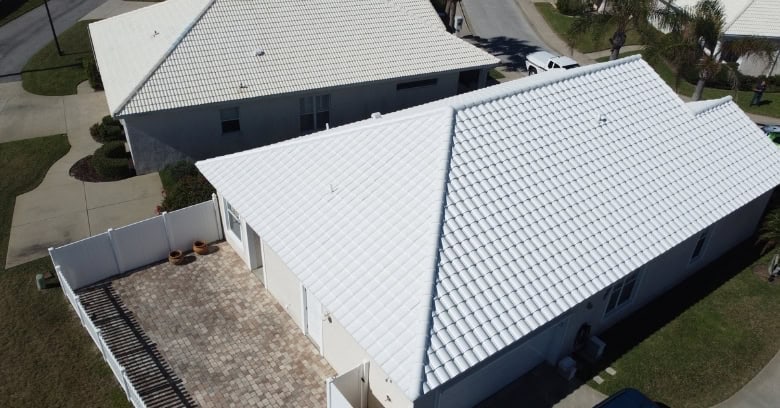
Metal sheets held by visible fasteners stay dry because of the gasket under each fastener, and a hardened washer gets swapped out along with a new screw. Tile in our markets gets set by several methods, including mortar, foam adhesive and mechanical clips, and the real water barrier is the underlayment, not the surface material.
A heavy step on an unsupported piece causes a crack, and a damaged unit gets swapped for another of matching shape. On a low-slope section, standing water and open seams are the things to watch, and leaves get removed from the outlets regularly.
What Owners Tend to Notice: From the Yard or the Attic
- Grit gathering at the downspout outlets, well beyond what a new roof sheds.
- Tab ends that curl instead of lying flat, in patches that widen every year.
- A hardened gasket at a stack, easy to spot with binoculars.
- A brown patch on upstairs drywall, new since the previous season.
- Pinholes of light in the sheathing, beside a vent stack.
- Moss packed into the laps, holding moisture against the surface.
- A sag along the ridge line, widening a little each season.
- Caulk cracked along a chimney, easy to spot from the yard.
Roofing Contractors Around Palm Coast Florida: APC Roofing's Approach
Before any recommendation gets made, a roofer walks the whole covering and checks the attic, and what turns up gets delivered as pictures along with a written explanation. What is holding up gets stated as clearly as what is not, and the decision belongs to the homeowner, not the crew.
Roofing Contractors Around Palm Coast Florida: a Close Look at the Roof
Call 386-356-2111 to arrange a visit on site.
An Archive for the Roof: Easy to Maintain
Writing down the installation date and the materials used is a smart habit, and adding every inspection report to that folder grows the file. Marking down every repair, with the location and the work done, leaves useful detail, and over time the pattern shows which areas keep needing attention.
Selling a property brings questions about what is overhead, and dated receipts make the answers easy to give. A backup copy of the whole file keeps one bad day from erasing the whole thing, since paper can be damaged or destroyed over the years.
Signs of a Job Done Right: Quality You Can See
Courses run straight and the cuts along the rakes come out clean, and nails stay covered by the layer above. Flashing at walls is new and set in properly, and caulk, where used at all, forms a thin, careful line.
Air can move from the eaves to the peak without obstruction, and the gutters return to position, clean and fastened. A final sweep with a magnet tidies the yard and drive, and wood shavings from a trimmed edge are the most common leftover from the work.
Anyone who arrived looking into Roofing Contractors in Palm Coast Florida does not have to keep guessing about next steps. A call to APC Roofing at 386-356-2111 gets a date on the calendar. Every visit takes in the whole roof and the attic beneath, with nothing left to chance.
Verified

Verified
Verified
Verified