When it comes to protecting your home or commercial building in Florida, few decisions are as critical as your choice of roofing material. Florida’s climate, characterized by high humidity, intense sun, heavy rains, and hurricane threats, demands a roof that can handle not just the heat and wind but also the unexpected. For homeowners and businesses in Clermont Florida and surrounding areas like Kissimmee, choosing between metal roofing and traditional shingles is a common and crucial dilemma.
Metal roofing has surged in popularity over the past decade, especially in regions prone to harsh weather. It is not just about aesthetics, although contemporary metal roofs can indeed make a striking impression. It is about long-term resilience and value. On the other hand, asphalt shingles remain the most widely used roofing material in America, favored for their affordability, ease of installation, and range of styles. But are they really the best choice for Florida’s unique climate?
Roofing companies in Clermont and Kissimmee Florida often field questions from property owners trying to balance cost, durability, appearance, and even environmental impact. The truth is, both roofing options bring distinct advantages and limitations, and what works for one home or business may not suit another.
Let’s clear up the confusion. This comprehensive guide breaks down the eight key differences between metal roofing and shingles in Florida, with special attention to what homeowners and roofing companies in Clermont and Kissimmee need to know. We will cover everything from weather performance and longevity to installation, maintenance, cost, and eco-friendliness. By the end, you will be equipped with the insights you need to make the right choice, not just for today, but for the future of your property.
Whether you are building your forever home in Clermont Florida, managing commercial properties in Kissimmee, or simply researching your next roof replacement, understanding these differences will save you time, money, and a lot of headaches down the road. Let’s begin!
1. Climate Performance and Weather Resistance
Metal Roofing: Built for Florida’s Extremes
Metal roofing is outstanding when it comes to weathering Florida’s severe conditions. They are built to withstand hurricane-force winds as many are rated for winds of up to 140 mph or higher and their smooth surfaces shed heavy rain quickly, minimizing water intrusion. Metal also reflects a significant amount of solar radiation, helping reduce attic temperatures and in turn, your cooling costs, an especially valuable feature in the hot, humid summers of Clermont and Kissimmee.
Asphalt Shingles: Vulnerable in Storms
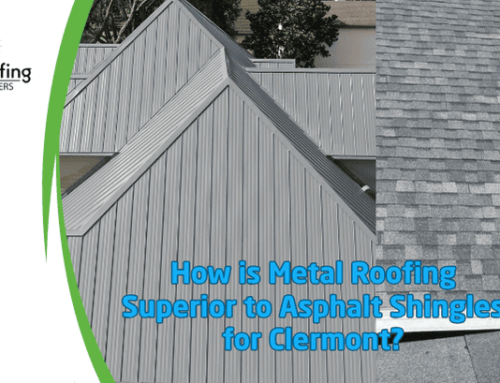
While high-quality asphalt shingles can offer decent protection, they are more susceptible to damage from high winds and flying debris. High winds common in Florida can lift, loosen, or even rip asphalt shingles from rooftops, exposing your home to water damage and expensive repairs. Leading roofing companies often recommend metal roofs in hurricane-prone areas because they can withstand wind gusts of up to 140 mph or more. Also, Florida’s relentless humidity is no friend to shingle roofs. Asphalt shingles can absorb moisture, leading to mold, mildew, and algae growth. Conversely, metal roofing when installed by expert roofing companies features a sleek, nonporous surface that sheds rainwater easily and inhibits the growth of organic intruders.
2. Longevity and Durability
Metal Roofing: Decades of Peace of Mind
A professionally installed metal roof can last 40 to 70 years or more with minimal maintenance. Metal resists cracking, shrinking, and most importantly for Florida, rust when properly coated. Many manufacturers offer lengthy warranties. For property owners in places like Clermont Florida, investing in metal roofing means fewer replacements and less frequent repairs over the life of the home.
Asphalt Shingles: More Frequent Replacement
Traditional asphalt shingles usually last 15 to 30 years, depending on quality and climate. In Florida where UV rays and humidity are relentless, shingles may degrade even faster. While initial costs are lower, more frequent replacement can add up over decades, something roofing companies are quick to point out to prospective clients. The difference in serviceable life not only impacts how often you will need to schedule roof work but also affects the overall cost of ownership. With metal roofing, you are highly likely to install the roof once and enjoy decades of protection, whereas shingle roofs may require two or more replacements in the same timeframe.
3. Energy Efficiency
Metal Roofing: Cooler Homes, Lower Bills
Florida’s subtropical climate means summers can be brutally hot, driving up cooling costs. Metal roofing shines in this aspect, both literally and figuratively. Modern metal roofs are engineered with reflective coatings that repel UV rays, preventing rooftops from absorbing excess heat. In regions like Clermont and Kissimmee Florida, this translates to cooler indoor temperatures and less reliance on air conditioning, a big factor in lowering monthly utility bills.
Asphalt Shingles: Absorbing the Heat
Asphalt shingles absorb heat and transfer it to your attic space, which can strain cooling systems. Some newer shingles have been designed to reflect more sunlight, but they still generally lag behind metal when it comes to energy efficiency. If cutting energy costs is high on your priority list, discussing metal roofing options with reliable roofing companies may be the best route.
4. Installation Process
Metal Roofing: Skilled Labor Required
Installing metal roofing is more complex than installing shingles, requiring specialized training and tools. The process involves custom-fitting panels, securing them carefully, and sealing seams to prevent leaks. Roofing companies in Clermont and Kissimmee typically employ trained crews for metal installations to deliver quality and compliance with local building codes.
Asphalt Shingles: Faster and Simpler
Shingle roofs are easier to install and do not require as much specialized knowledge. This means quicker turnaround times, sometimes just a day or two for a full replacement. Most roofing companies have crews experienced with shingles, making them widely accessible and logistically straightforward for urgent projects.
5. Maintenance Needs
Metal Roofing: Low Upkeep
Maintenance is a key consideration for Florida homeowners who value low-stress living. Metal roofing systems require far less upkeep than shingle roofs. Their interlocking panels and smooth surfaces make it difficult for debris, leaves, and pine needles to accumulate, and routine inspections are usually sufficient to keep them in prime shape.
Asphalt Shingles: Ongoing Attention
Asphalt shingles are prone to issues such as cracking, curling, or granule loss, often exacerbated by Florida’s climate. After major storms, shingle roofs often need repairs or even large-scale replacements, leading to higher ongoing maintenance costs. Additionally, shingles can harbor algae and mold, requiring professional cleaning services from roofing companies in Kissimmee and Clermont.
6. Cost: Upfront vs Lifetime Value
Metal Roofing: Higher Initial Investment
Upfront cost is a crucial factor influencing most roofing decisions. Metal roofing typically comes with a higher initial price tag compared to traditional shingles. Installation costs can range from $9 to $15 per square foot, depending on the metal type and project complexity. In contrast, asphalt shingles are more budget-friendly, with costs between $3 and $7 per square foot.
Savvy homeowners and roofing companies in Florida often point out that the total cost of ownership should be your deciding metric, not just the upfront expense. Metal roofs require far less maintenance, fewer repairs, and rarely need replacing within a homeowner’s lifetime. When you factor in potential savings on energy bills thanks to metal’s reflectivity and lower insurance premiums, metal roofing often proves more economical over the extended future.
Asphalt Shingles: Budget-Friendly Initial Cost
Asphalt shingles are far more affordable from the outset. This makes them popular with first-time buyers and those on tighter budgets; however, the frequent need to replace and dispose of asphalt shingles can add hidden costs over time, not just in money but in inconvenience.
7. Environmental Impact
Metal Roofing: Sustainable and Recyclable
Metal roofing is a green option. Sustainable building practices are increasingly important to homeowners in Florida, especially as communities strive to minimize environmental footprints. It is widely recognized for its eco-friendly benefits because most metal roofing materials contain 25 to 95% recycled content and are themselves 100% recyclable at the end of their serviceable life. Roofing companies often recycle removed panels, reducing landfill waste.
Asphalt Shingles: Greater Environmental Cost
In stark contrast to metal roofing, asphalt shingles are petroleum-based, making them less friendly to the environment. After their usable life of typically 15 to 25 years, shingles usually end up in landfills, contributing to waste. Some advances have been made in shingle recycling, but the process is not as established or efficient as with metals. For environmentally conscious property owners in Clermont, Kissimmee, or anywhere in Florida, a metal roofing system represents a solid step toward sustainable living.
8. Curb Appeal and Home Value
Metal Roofing: Modern Style, Added Value
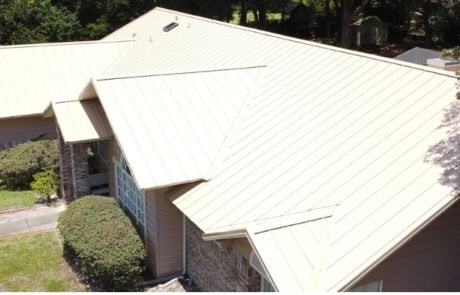
Modern metal roofing comes in a range of profiles, finishes, and colors, many designed to mimic shingles, tiles, or even slate. Upgrading to metal can boost your property’s value and enhance curb appeal, which is appealing to future buyers or renters. Many roofing companies in Clermont Florida note that homes with metal roofs often sell faster and at higher prices.
Asphalt Shingles: Wide Range of Looks
Shingles remain popular because they come in a vast array of colors and styles, suited to every architectural taste. While traditional in appearance, new designer shingles offer upscale looks at a fraction of the cost of premium roofing materials. Of course, they may not command the same increase in home value as metal. While suitable for a wide variety of homes, shingles do not quite achieve the modern flair or customization potential of metal roofs.
Conclusion
Florida’s demanding environment means that roofing is never a one-size-fits-all choice. Metal roofing and asphalt shingles each have distinct strengths and drawbacks, shaped by weather, budget, style, and long-term goals. In cities like Clermont and Kissimmee where climate challenges are part of daily life, it is essential to consider not just the upfront price but how your roof will perform and what it will cost over decades.
If you are seeking maximum durability, energy savings, and a sense of reassurance, metal roofing is tough to beat. Its resilience against Florida’s storms and sun combined with its longevity and eco-friendliness makes it a wise investment. On the other hand, if your priority is fast, cost-effective installation with plenty of style options, quality asphalt shingles remain a solid choice.
Do not just take the advice of a single article; reach out to trusted roofing companies serving Clermont and Kissimmee Florida for estimates and consultations. Professionals can assess your specific needs, your property’s architecture, and the local climate to help you make the perfect choice for your home or business.
Your roof is your property’s first line of defense, so choose wisely and it will protect you for years to come!
Key Takeaways
- Weather Resilience is Critical in Florida: Metal roofing outperforms shingles in resisting hurricane-force winds, heavy rain, and intense sunshine, making it especially appealing for homes in Clermont and Kissimmee.
- Longevity Favors Metal: While initial investment is higher, metal roofs can last 40 to 70 years, compared to shingles’ 15 to 30 years, reducing replacement cycles and long-term inconvenience.
- Energy Efficiency is a Major Bonus: Metal roofs reflect solar energy, helping keep homes cooler and reducing utility bills, a welcome relief during Florida’s sweltering summers.
- Installation and Skill Matter: Metal roofing requires specialized installation, so always hire experienced roofing companies familiar with Florida building codes for best results.
- Maintenance Requirements Differ Drastically: Metal roofing typically needs less upkeep, translating to fewer repairs and lower ongoing costs, whereas shingles need frequent checks and fixes after storms.
- Cost Analysis Should Be Holistic: While shingles are cheaper upfront, metal roofing’s durability, minimal maintenance, and energy savings often make it a better value over the property’s lifetime.
- Environmental Impact is Greater with Metal: Metal roofs are highly recyclable and eco-friendly, helping reduce landfill waste and energy consumption, fitting well with sustainability goals in Florida communities.
- Curb Appeal Has a Business Case: Upgrading to metal roofing can enhance property value and marketability, appealing to buyers seeking longevity, modern style, and peace of mind.
- Climate-Specific Solutions are a Must: Florida homes require materials that stand up to humidity, heat, and high winds, be sure to factor the local climate into every roofing decision.
- Consult Local Experts: Informed decisions start with expert advice. Trusted roofing companies in Clermont and Kissimmee can help you weigh options, estimate costs, and provide a roof built to last.
FAQs
1. Is metal roofing a good choice for Florida’s hurricane-prone climate?
Absolutely. Metal roofing offers superior wind resistance of often up to 140 mph or more)and properly installed systems rarely blow off during hurricanes. This makes it a preferred option for areas like Clermont and Kissimmee that are often affected by storms.
2. How do metal roofs compare to shingles in terms of energy efficiency?
Metal roofing reflects more solar heat than shingles, keeping homes cooler and reducing air conditioning costs. This is particularly advantageous in Florida, where energy savings add up during long, hot summers.
3. Do metal roofs rust in Florida’s humid environment?
Modern metal roofs are coated with protective finishes that resist rust and corrosion, even in coastal or humid areas like Kissimmee. Proper installation and periodic inspections further minimize any risk.
4. Are asphalt shingles still a viable option in Florida?
Yes, quality asphalt shingles are still widely used by roofing companies in Clermont and throughout Florida. They are affordable and versatile but may need more frequent replacement or repair in harsh weather environments.
5. What is the cost difference between metal roofing and shingles?
Metal roofing typically costs 2 to 3 times more upfront than asphalt shingles. Yet after considering energy savings and reduced replacements, many homeowners find metal to be a better long-term investment, especially in Florida.
6. How long does it take to install a new metal roof versus shingles?
Shingle installations usually take 1 to 3 days, depending on roof size. Metal roofs require more precision and may take several days longer. Working with local roofing companies sees to it that timelines fit your schedule.
7. Is metal roofing noisy during rainstorms?
Not if installed with proper underlayment and insulation. Most metal roofs in Clermont and Kissimmee are as quiet or quieter than asphalt shingles during heavy rainfall.
8. Can I install solar panels on a metal roof?
Yes! Metal roofs provide an ideal base for solar panels and can outlast the serviceable life of most solar PV systems. This makes them an excellent choice for eco-minded property owners.
9. Are there color or style options for metal roofing to match my home?
Definitely. Today’s metal roofing comes in a wide range of colors, finishes, and profiles, many designed to mimic traditional shingles or tiles to suit the architecture of any Florida home.
10. Should I work with roofing companies familiar with Florida building codes?
Always. Choose licensed roofing companies in Clermont, Kissimmee, or your specific area. Local experts see to it that your roof meets regional requirements and stands up to Florida’s climate challenges.