Metal roofing has quickly become one of the most popular choices for homeowners and businesses alike, especially in regions with unpredictable weather, such as Daytona Beach Florida and bustling urban areas like Orlando Florida. With their durability, energy efficiency, and sleek modern look, metal roofs offer compelling advantages over traditional roofing materials; however, as more property owners switch to metal roofing, a common question arises: “Is it safe to walk on my metal roof?” The answer might surprise you and it is one that all homeowners and building managers should understand before venturing onto their roofs.
The thought of climbing onto your metal roof to clean gutters, inspect for damage, or hang holiday lights can seem harmless. After all, are metal roofs not designed to withstand the elements? While these roofs can resist hurricane-force winds, pelting rain, and relentless UV rays, they are not necessarily built to support the dynamic load of a walking person, especially if it is not done professionally. Beyond the obvious risks of slips and falls, walking on a metal roof can cause unintended damage, compromising both its functionality and lifespan.
In Daytona Beach,a region prone to harsh storms and intense sun and Orlando with its own blend of severe weather and urban challenges, the stakes are even higher. A seemingly simple act, like a casual walk across your roof, could accelerate wear and tear, undermine the materials, or even void your warranty. The unique construction of metal roofing systems featuring panels, fasteners, and overlapping seams means that each step must be carefully placed, if at all.
For many homeowners, a do-it-yourself mentality leads to costly mistakes. Meanwhile, experienced metal roofers possess the knowledge, tools, and safety precautions to conduct roof inspections and repairs properly. Knowing when to call a professional in Daytona Beach, Orlando, or a similar climate can be the difference between a resilient roofing investment and one plagued by ongoing issues.
This article explores why walking on a metal roof is not always advisable, the risks involved, what a qualified metal roofer does differently, and how location-specific factors in Central Florida play a significant role. Whether you are new to metal roofing or have years of experience with these durable installations, read on to discover essential insights that will help protect your property and your safety for years to come.
The Science Behind Metal Roofing: More Than Meets the Eye
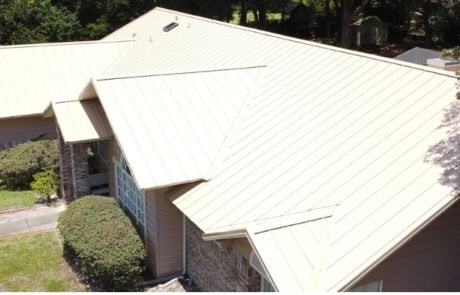
Metal roofing is renowned for its resilience, yet its design and engineering demand a nuanced understanding of weight distribution and material integrity. Each metal roof is a carefully crafted system, typically composed of panels, underlayment, fasteners, and flashing. Unlike asphalt shingles, which distribute weight relatively evenly, metal panels often have unique profiles such as standing seam, ribbed, or corrugated designs which can impact how pressure is absorbed and transmitted across the roof.
In areas like Daytona Beach where intense winds and precipitation test every seam and screw, the installation process itself is crucial. Professional metal roofers use specialized techniques so that panels are fastened securely but with enough flexibility to accommodate thermal expansion and contraction, a key factor in Florida's temperature extremes.
Yet the very characteristics that make metal roofing resilient against the forces of nature can create challenges when a person steps onto it. The stresses from foot traffic often concentrate on very small points. If these are not supported or walked on correctly, it can lead to panel denting, seam displacement, or damage to the protective coatings that guard against rust and corrosion.
Those living in Orlando with its bustling cityscape and urban wildlife face additional hazards. The expansion and contraction cycles, exacerbated by dark roof colors that absorb solar heat, can make panels more susceptible to deforming or "oil canning" if walked on carelessly. This aesthetic rippling does not typically affect structural integrity, but it can be unsightly and often voids appearance-related warranties.
Why Walking on Your Metal Roof Can Be Risky
1. Structural Damage
Unlike other roofing materials, metal roofs are prone to denting and deformation when subjected to uneven loads. Panels, especially those with thin gauges or spaced supports, can flex under a person's weight. Over time, this may loosen fasteners, warp panels, or cause subtle misalignments that impact the roof's watertight seal.
2. Void Warranties and Insurance Concerns
Many metal roofing manufacturers and installers in Daytona Beach and Orlando specify that unauthorized foot traffic may void material and installation warranties. Insurance companies often reference similar exclusions; if damage is traced back to improper roof access, claims can be denied. Protecting your investment means respecting these stipulations.
3. Increased Slip-and-Fall Hazards
Metal roofs, especially when wet from rain or morning dew which is typical of Florida's climate become extremely slippery. Even experienced roofers use specialized footwear, safety harnesses, and non-slip pads to mitigate these risks. For untrained homeowners, the risk of a dangerous fall is significant.
4. Damage to Roof Coatings
The protective coatings on metal roofs such as paint, galvanization, or specialized membranes are vital for resisting Florida's relentless sun, wind-driven rain, and airborne salt from the Atlantic. Foot traffic can scratch or wear down these finishes, leaving the roof vulnerable to premature corrosion and fading.
5. Energy Efficiency and Insulation Issues
If the roof panels shift or become damaged, gaps can form in the insulation or radiant barrier layers beneath. This undermines one of the primary benefits of metal roofing: superior energy efficiency. Air gaps or displaced insulation can cause temperature fluctuations in your home leading to higher cooling costs, a significant concern in Orlando and Daytona Beach.
The Smart Way: Professional Roofers Make a Difference
With so much at stake, the role of a qualified metal roofer cannot be overstated. Professionals possess both the experience and tools to inspect and service metal roofs safely. In Daytona Beach and Orlando, where seasonal storms and hurricanes are the norm, local roofers are intimately familiar with the unique challenges posed by regional weather.
What Do Professional Metal Roofers Do Differently?
- Strategic Weight Distribution: Professionals know to step only where there is support beneath the panel, usually at the seams, trusses, or purlins. They use boards or foam pads to distribute their weight further, minimizing the risk of denting or structural damage.
- Safety Protocols: Certified roofers use harnesses, anchors, and safety lines to protect themselves from falls, in compliance with OSHA regulations and industry best practices. For local professionals in Daytona Beach and Orlando, these protocols are second nature.
- Inspections and Repairs Without Damage: Metal roofers use specialized tools to lift panels, tighten fasteners, and reseal seams with minimal disruption to the roof's integrity.
- Expertise in Weatherproofing: Understanding the unique climate pressures in Central Florida, roofers use advanced sealants, corrosion inhibitors, and energy-efficient coatings tailored to withstand high humidity, salt spray, and UV exposure.
Maintaining your metal roof's performance is a matter of expertise and in most cases, worth the investment in professional service.
Location Matters: Daytona Beach and Orlando, Florida
Florida's Atlantic coast sees some of the most severe weather in the country, with Daytona Beach often in the path of tropical storms, hurricanes, and salt-laden air currents. In contrast, Orlando's urban sprawl and inland location mean more frequent temperature fluctuations but less saltwater corrosion. These distinctive conditions influence how metal roofing systems perform and what precautions must be taken.
Daytona Beach Florida
- Salt air accelerates corrosion, emphasizing the importance of intact coatings and fasteners.
- Storm-driven debris can cause undetected micro-damage, making inspections critical but particularly hazardous for amateurs.
Orlando Florida
- High heat and humidity demand roofs with efficient insulation and reflective coatings.
- Urban wildlife such as birds and& squirrels frequently disrupt roofing components. Routine inspections are necessary, but must be conducted safely.
In both locations, the core takeaway is this: Walking on a metal roof is not just a matter of personal risk. It is about preserving the roof's integrity amid challenging local conditions.
When You Might Need To Walk On Your Metal Roof
While it is generally advised to avoid walking on your metal roof, there are exceptions when access may be unavoidable such as emergency repairs or post-storm inspections. In those rare cases:
- Always use appropriate footwear such as rubber-soled, non-scuff.
- Step only on supported areas including seams and areas closest to trusses.
- Never go alone as having a spotter can be lifesaving.
- Consider using roof boards to distribute your weight.
- If in doubt, call a trusted metal roof specialist in Daytona Beach or Orlando.
Conclusion
Metal roofing stands apart for its longevity, resilience, and energy efficiency, making it especially suitable for weather-prone areas like Daytona Beach and Orlando Florida. Yet these benefits come with a crucial caveat - your metal roof is not designed to support casual foot traffic. Beyond the immediate safety hazards, walking on a metal roof can cause irreversible damage, void warranties, and compromise the roof's lifespan.
The smart approach is to leave inspections and repairs to the professionals, those with the experience and equipment to safeguard both your roof and your investment. By understanding the science behind your metal roofing, recognizing the risks, and entrusting it to qualified metal roofers, you can preserve your property's value and enjoy peace of mind, rain or shine.
Ready to protect your metal roof? If you are in Daytona Beach, Orlando, or the surrounding areas, contact a licensed, local metal roofer for inspections, maintenance, or expert advice. Safeguard your investment and enjoy the enduring benefits of a properly maintained metal roofing system!
Key Takeaways
- Walk With Caution or Not at All:Metal roofing is durable but not designed for casual foot traffic. Stepping on unsupported panels can dent, warp, or otherwise damage your roof, especially in climates like those in Daytona Beach and Orlando Florida.
- Warranty and Insurance Implications: Many manufacturers and insurers exclude damage caused by unauthorized walking on metal roofs. Know your warranty terms and always seek clarification from your provider.
- Safety First: Wet, sloped metal roofs are extremely slippery and pose a significant risk of falls. Only professionals with the right safety gear should attempt to walk on them.
- Use Professionals for Best Results: Certified metal roofers have the expertise, tools, and safety training to inspect and repair roofs properly, protecting your investment and personal safety.
- Protective Coatings Matter: The finish on your metal roof protects against corrosion, UV damage, and weathering. Even minor scuffs from shoes can compromise this critical barrier, especially in salty air on Daytona Beach.
- Structural Vulnerability: Where you step on your metal roof matters. Without knowledge of the underlying supports, you risk causing invisible but significant damage.
- Location-Specific Challenges: Daytona Beach faces salt-induced corrosion, while Orlando experiences more urban wildlife and heat stress. Each area requires tailored roofing maintenance and inspection protocols.
- Costly DIY Mistakes: Attempting maintenance or inspections without professional help often results in accidental, costly damage. Sometimes, even small missteps can require major repairs.
- Limited Situations for Roof Access: Access your metal roof only when absolutely necessary, and always use proper equipment. When in doubt, call a local roofer.
- Long-Term Savings: Investing in regular professional inspection and maintenance saves money over the lifetime of your roof by preventing costly errors and extending its serviceable years.
FAQs
1. Is it ever safe for homeowners to walk on a metal roof?
It is generally not recommended for homeowners to walk on a metal roof. If it becomes necessary, follow safety protocols and step only on supported seams or trusses. Ideally, call a metal roofer in Daytona Beach or Orlando to minimize risks.
2. What type of footwear is best when walking on a metal roof?
If you absolutely must walk on a metal roof, use soft-soled, non-marking shoes with excellent grip to reduce the risk of slipping and prevent damage to the roof coating.
3. Can walking on my metal roof void the warranty?
Yes, most metal roofing warranties in Daytona Beach, Orlando, and elsewhere exclude damage caused by unauthorized foot traffic. Always check your warranty documentation before accessing your roof.
4. What damage can result from walking on a metal roof?
Walking on a metal roof can cause dents, dislodged fasteners, coating scratches, and even leaks, shortening its serviceable life.
5. Do I need special equipment to inspect a metal roof?
Professional metal roofers use safety harnesses, foam boards, and non-abrasive tools for inspections and repairs. DIY inspections without proper gear are risky.
6. How do local weather conditions affect metal roofs in Daytona Beach and Orlando?
Salt air in Daytona Beach accelerates corrosion, while Orlando's heat causes thermal expansion cycles. Both conditions amplify the risks of roof damage from foot traffic.
7. Is it expensive to hire a professional metal roofer for inspections?
While there is a cost, professional inspections prevent costly repairs down the road and help ensure your roof remains in warranty, offering long-term savings.
8. Can regular foot traffic damage energy efficiency?
Yes, panels or insulation shifted by walking can create air gaps and reduce the roof's energy efficiency, leading to higher utility bills, especially in the hot Florida climate.
9. What should I do after a storm if I suspect roof damage?
Contact a qualified metal roofer in Daytona Beach or Orlando for a professional inspection. Avoid walking on the roof yourself, as hidden damage can make it hazardous.
10. Are there any alternatives to walking on my metal roof for maintenance tasks?
Many tasks like gutter cleaning or visual inspections can be done from ladders or with drones. Leave direct roof access to experienced metal roofers for the best results and peace of mind.