You’ve got two or three bids for a new tile roof, and the prices are far apart. They all promise the same tile in the same color, so it’s hard to tell what you’d actually be paying for. Tile roof installation is mostly judged on details that disappear the moment the last tile goes down, and that makes comparing bids tough.
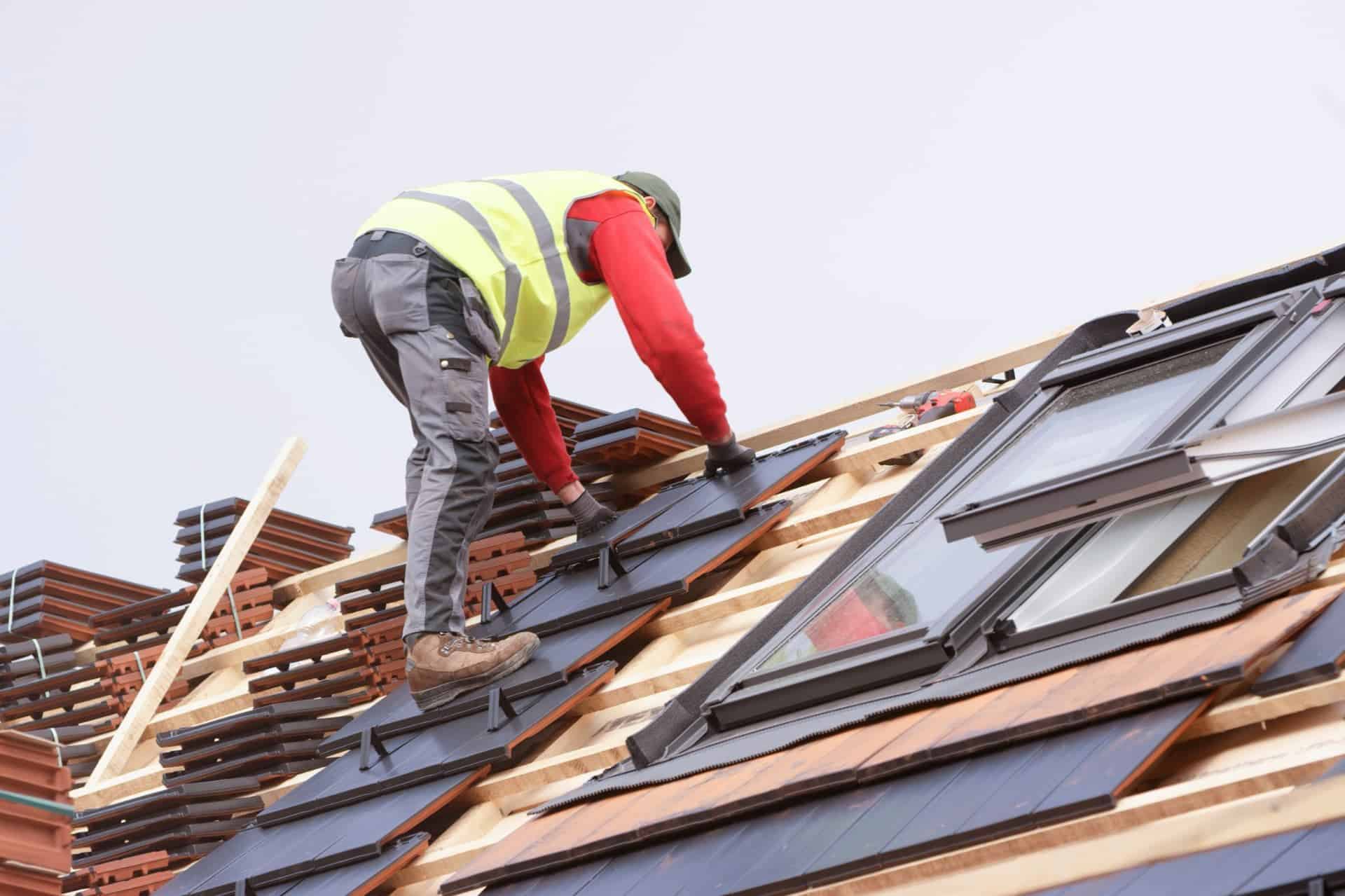
You don’t want to overpay, and you really don’t want the lowest bid to cut corners where it counts. A good installer should be able to walk you through every hidden layer and explain why it’s there.
APC Roofing has installed tile roofs since 2017 across Central Florida, the Daytona Beach area, the Kansas City metro and Springfield, Missouri. We’re GAF Certified, licensed and insured, and your estimate is free. Call 866-995-0704 to get started.
Two questions that sort out tile bids
Ask every bidder the same two things. Which underlayment are you installing? And how are the tiles being fastened? The answers usually explain most of the price difference. The rest of this page goes through the installation in the order it happens, so you know what to look for.
Step 1: Make sure the house can carry it
A finished tile roof weighs many times more than a shingle roof, and that weight travels down through the rafters, walls and foundation. On a house built for tile, the job starts by confirming the framing is still sound. On a switch from shingles or metal to tile, the added load has to be checked properly. If the framing needs reinforcing, that belongs in the estimate, not as a surprise halfway through.
Be cautious about any bid for a tile conversion that never mentions the structure.
Step 2: The deck and the underlayment
With the old roof off, damaged decking gets replaced and the waterproof underlayment goes down. On a tile roof, this layer is what keeps rain out. The tiles shed most of the water, but rain that blows under them, or runs down a hip in a heavy storm, lands on the underlayment and gets carried to the edge.
The underlayment is also the layer that wears out first, often while the tiles are still in good shape. A heavier self-adhered underlayment costs more up front and adds years before the roof has to be lifted and relaid. The lowest tile bid often saved its money right here, where you can’t see it.
Step 3: Battens, when they’re used
Depending on the tile shape, the roof pitch and local code, tiles are either set right on the deck or hung on wood strips called battens. Flat battens laid across a slope can trap water that reaches the underlayment. Raised batten systems, lifted off the deck or notched for drainage, let that water keep running down. On a long slope in a wet climate, that detail matters.
Step 4: Fastening for wind
Each tile is secured with nails, screws or an approved adhesive, to the wind standard the building code sets for your location. The edges, rakes, hips and ridges take the most force, because wind pulls hardest at corners and perimeters. In hurricane country, the specific tile and attachment method have to be approved for use, so it’s fair to ask which approval or code report a bid relies on.
In Central Florida and the Daytona Beach area, this step decides how well your roof does in hurricane season.
Step 5: The right tile for your climate
Roof tile is made to published standards. Concrete tile is made to ASTM C1492, and clay tile is graded under ASTM C1167. If you live in the Kansas City metro or around Springfield, frost resistance matters most. Water absorbed into a tile expands about 9 percent when it freezes, and tile that isn’t rated for it can crack apart from the inside. Get the frost grade written into the order. Our clay tile roofing and concrete tile roofing pages explain the two materials.
Step 6: Flashing, valleys and finish work
Most tile roof leaks start at the details, not in the open field of tile:
- Valley metal should be wide enough, with edges that keep debris from damming water.
- Flashing at walls and chimneys should be shaped to the tile profile, not forced flat.
- Eave closures keep wind-driven rain, birds and nesting material out from under the first row.
- Hips and ridges need to be sealed against weather and vented where the design calls for it.
- Cut tiles at valleys and edges should be trimmed cleanly and secured, since small pieces are the most likely to slide loose in a storm.
Permits, inspection and spare tiles
A tile roof replacement normally needs a permit and a final inspection from your local building department. Ask who pulls the permit before work starts.
Also order a small stack of spare tiles with the roof. Tile shapes and colors go out of production, and having matching spares stored dry in the garage turns a future repair into a quick job instead of a search through salvage yards.
How it works with APC Roofing
- Book your free inspection. Call 866-995-0704 or request a free online estimate.
- Get a clear, honest assessment and estimate. Your estimate names the underlayment, the fastening method and the tile, so you can compare it line by line with any other bid.
- Your roof gets installed and the site gets cleaned up. Tile roofs take longer than shingle roofs, and you’ll get a realistic timeline up front.
Financing is available through Aqua Finance, Fortifi, Hearth and Home Run Finance. For an overview of tile options, visit our tile roofing page.
Tile roof installation questions
How long does a tile roof installation take?
Longer than a shingle roof. The size of the roof, the tile profile and the amount of detail work all affect it, and weather can add days. You’ll get a realistic timeline with your estimate.
Can I put tile on a house that has shingles now?
Often, but only after the framing has been checked for the extra weight. Some homes need reinforcement first.
Can I reuse my existing tiles on a new underlayment?
If the tiles are in good shape, yes. That’s called a relay: the tiles come off, new underlayment goes down and the same tiles go back on, with new ones replacing broken pieces.
Why do tile roof bids vary so much?
Usually because of what’s under the tile: underlayment quality, fastening method, structural work and the finish details at valleys and edges. Ask each bidder to name them.
A tile roof built to last
Choosing on price alone is how a tile roof ends up being lifted and relaid years early. A few questions now can save you that cost later.
You want a tile roof that looks great, stays dry through every storm season and doesn’t need to come apart early. Call 866-995-0704 to book your free estimate.