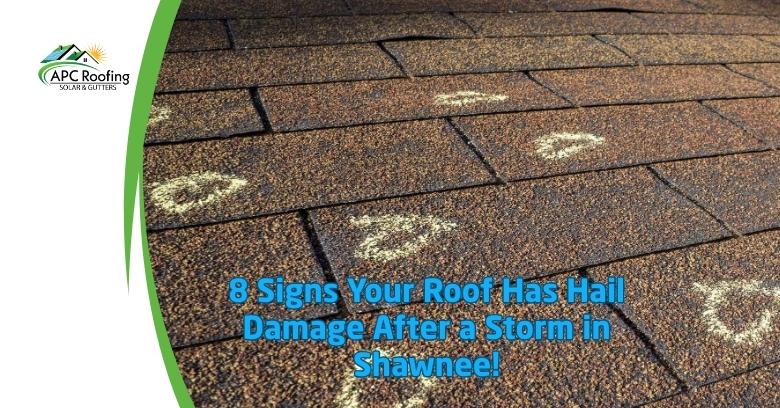
In Need of Hail Damage Roof Repair on a Family Home in Sanford Florida?
APC Roofing climbs onto the shingles once bad weather has passed through, reading the flashings and the vents along the way.
Phone 407-270-1129 and set a time for a roofer to stop by.
What Fast Air Does to a Roof: a Detail Worth Knowing
The eaves, the rakes and the ridge carry the heaviest load of any gust, and a broad open middle carries far less of that duty. Air slipping beneath a raised lip pushes upward on the shingle set over the lip, so a lone nail beneath a shingle bears a following blast unaided.
At a house corner, wind rounding two exterior faces collides, so a tighter attachment pattern goes into that area during installation. A course near a structure's outside edge absorbs more force than a course out in the open field, so extra fasteners there exist for exactly that reason.
A Last Step the Sun Finishes – Made by Warm Weather
A band of adhesive along a shingle's underside catches the row sitting below, so every shingle is anchored top and bottom. A sharp gust can tear a bond apart across a length of roof, yet a parted shingle looks the same for now.
A broken seal stays quiet for the next windy spell, and a fastener gets wet as soon as that joint fails. Left alone, a single unsealed shingle is a minor thing, but a whole run of parted shingles is an opening for the weather.
The Number on a Package: Worth a Second Look
A test rig holds freshly made stock to a deck with every bond formed on purpose, and a known airspeed is pushed across the surface. A covering installed for years responds differently on a rough day than unweathered material would, so a rating drawn from the original goods does not describe an aged roof.
A nail set too far up misses the layer a shingle relies on for a full hold, and a course can fail at a wind nobody would call extreme. Heat and cold cycles work a shingle's mat until stiffness sets in, so a laboratory finding means less with every passing season.
Hail Against a Shingle – What the Eye Misses
Stones grow largest in storms that cross the colder end of our territory, and a few minutes of that can change a covering for good. A hit presses the mineral coat into the mat sitting beneath, so a hollow forms where the surface gave way.
A shingle blocks water through an inner core, not the shingle's own face, so a bruise reaching that depth is a fault, not a blemish. A damaged section of a shingle breaks down ahead of the surface nearby, so a covering with widespread hail damage develops trouble in scattered places.
Hardware That Also Suffers: Easy to Walk Past
A jolt a covering absorbs still marks a gutter face nearby, so a mark from a storm remains long after the weather clears. A collar broken by a strike quits sealing where a pipe passes through a roof, and a wet patch shows near an interior wall soon after. A bruised gutter face keeps working even after a hard storm, while a crimped downspout carries water over the leading lip without help.
A pitted vent cap sits alongside a dimpled fascia and a scuffed drip edge on one visit, and pictures of trim sit beside pictures of the shingles in a report. Trouble in the metal fixtures seldom arrives without a shingle nearby in equally poor shape, and the state of that hardware often hints at how hard the shingles were struck.
What Ends Up in a Downspout: More Than Dirt
A mineral coat baked onto a shingle screens the asphalt from direct sun, and a bare patch left exposed hardens and splits within a season. Wind and rain together push stray silt toward a downspout, and the amount collected hints at the extent of a storm's toll.
A section exposed like that shortens the years a covering has left, and small trouble in one place tends to spread outward from there. Sand in a gutter run is material the roof no longer carries, so a look at that spot after a storm is worth the effort.
A Leak That Only Happens in a Blow – Up, Under and In
A shingle lap is engineered to carry whatever comes directly from overhead, which is why angled weather overwhelms defenses built only for a plumb, downward arrival. Off-ridge vents let spray past open baffles once wind picks up, so the deck nearby can darken with no tear anywhere on the slope.
A Branch Across a Slope – Small Mark, Real Harm
Momentum arriving fast concentrates weight in one tight spot, and the framing bears force the finish alone never reveals. A plank can fracture with little sign of damage on the visible surface, so an inspection covers both the top of the slope and the space beneath.
Limbs raking a roof leave sweeping lines of exposed asphalt along the way, and the outline stands out clearly once the pattern is known. Getting to a split panel calls for removing the covering above the crack first, which is why a small hit can turn into a larger job.
What a Flashlight Finds Overhead: Seen From Below
Brightness passing through the framing tells where the covering gave way, and the location is clear well before anyone climbs onto the roof. Damp sheathing stains in a pattern that follows the path water traveled, and following that mark upward usually leads to where water first got in.
Matted fiberglass under a rafter says seepage has been arriving there for a while, and the fibers rarely spring back once squeezed that way. Wind forcing air through an opening can carry moisture well past the covering, which spares a sound roof plane from being opened for no reason.
Evidence Inside the House – the End of a Long Path
A brown ring on the drywall lands downhill of where rain first entered, because water can travel the length of a rafter before any hint develops. A seam that has opened shows the panel swelled and then dried out, and a small mark can sit directly under a much larger fault.
Water near any electrical fixture is reason enough to cut power at the breaker, and live wiring beside water is left to an electrician. Staining on both sides of a chase usually points at the metal overhead, so counterflashing set into the mortar gets a close look in a case like that.
Where Surfaces Come Together: What a Gale Finds
The assembly at a wall junction depends on staying tucked beneath the shingle layers while nailed in place at once, and a failure at either point alone can let rain through. A blast under the drip edge at a gable can fold the flange upward, and the damage travels along that whole run once the break starts.
Ridge-cap fasteners bite directly into the deck beneath the caps, so a flaw at the crown means the seam stays unsealed for the full distance. A section that lifts leaves an unbroken slot running the same length, and the volume getting in through a gap like that is large, not a trickle.
A Glass Opening After a Storm – Where Leaks Start
A curb under a skylight is built above deck level for a reason, and every face of that structure gets a flashing cut just for that face. A blow can shatter the outer glass of the unit and spare the inner one, so the entire assembly gets replaced together.
A dome struck by hail can splinter into a web of fine lines, and a fracture from one storm can keep growing after that storm passes. Cloudiness inside the glass is a broken seal, not everyday dirt, and the surrounding curb is a separate matter from that fault.
A Rate Nothing Can Match: What Overflows and Why
A sudden downpour can pass along more volume at once than a trough can handle, and a curtain of water falls off the edge in front of the house. Anything gathering on the roof can pile up at the single opening meant to move debris onward, and moisture sitting in a clogged length can work beneath the trim over time.
An Interim Measure: What Stays On
Plastic pulled across a break can stop rain from reaching rooms below, and that covering is never the end of the job. A covering battened along every edge stays firm without further help, which curbs a sudden surge from ripping the covering free.
A sheet left loose at the corners can turn into a sail in a stiff wind, and a gap in the covering can scatter granules in the same blast. Fasteners set into an undamaged course create holes that need sealing afterward, and nothing gets fastened through material that was already solid.
Sizing Up the Aftermath: Useful Later On
Every affected area gets photographed before anything is disturbed, which matters more than most homeowners expect going in. Measured lengths and a plain description accompany every damaged spot, since scale is difficult to judge without a fixed reference.
The next rain shower can change what is visible on a damaged slope, and marks seen now may look different again next week. Anyone reviewing the file sees the same pictures and notes a homeowner already has, and none of that material gets altered for anybody's benefit.
When Everyone Arrives Together: a Few Plain Questions
Out-of-town vans can tour a neighborhood once a storm has passed, though picking the sound ones out from the rest can be difficult. A deal reached at a front door carries the same weight as one signed indoors, and there is always time to think before committing to anything.
A business rooted in the area tends to stay put once a season passes, and follow-up down the road stays possible with that kind of outfit. Being rushed toward a decision before an inspection happens is a warning sign, so there is no harm in declining to agree to anything on the spot.
Another Blow Lands – What Gets Left Behind
Shingles that have already let go once are more likely to go again, and a lighter storm can then do what a harder one did before. A creased shingle carries a line that later sun cannot undo, and warm weather afterward does nothing to erase that kind of damage.
A path opened by one storm lets the next storm's water travel further, which is how a small fault can grow into a much more sizable one. Delamination can begin wherever dampness settles between the layers underneath, and that is exactly where leaving early damage unaddressed shows up later.
Signs Worth a Call to a Roofer: Notes Worth Keeping
- A course lifted clear of the row beneath, on any elevation of a house.
- Soft metal marked where a stone or a branch made contact, still evident long after weather has passed.
- Sandy drifts along a gutter run, noticeable at cleaning time.
- Sky seen through the boards overhead, anywhere along a ridge line.
- A bubble in the finish of an upstairs ceiling, usually right under a roof plane.
- A soft spot in the wallboard near a corner, drying out between storms.
- A star-shaped crack in a plastic cover, after a violent night of weather.
- A length of gutter holding trapped water, after a heavy limb came down.
APC Roofing and Hail Damage Roof Repair in Sanford Florida – A Closer Look
The first steps happen at ground level, watching the yard for debris before a ladder comes out, so anything unusual gets flagged before the review wraps up. Every accessible section of the roof gets covered in person, and the attic gets checked from inside for anything missed from below.
Everything found gets photographed, measured and put into a written report, and nothing in that summary gets dressed up beyond what a roofer actually saw. Every suggestion carries the thinking behind that call, and a homeowner decides from there without pressure either way.
Hail Damage Roof Repair Throughout Sanford Florida: Getting a House Sound Again
Phone 407-270-1129 to have a roofer come out.
Snow Banked on a Slope: Built to Take More
In the colder end of our territory, a deep white blanket bears down on the framing beneath, so the load stays in place long after the clouds clear. An ice dam can form where a warmer deck meets a cold overhang, and a downspout assembly can come down when solid buildup pulls hard enough.
At the colder end of our territory, valleys and the sides of a dormer fill well past the general depth, and pressure in that spot concentrates well beyond the surrounding area. A slab breaking loose can take a gutter down in one motion, and anything positioned underneath can take a hard hit once the buildup gives way.
A Harder Environment Near the Shoreline: Checked More Often Out Here
Storms at the coastal end of our territory can keep blowing through long stretches of the day, and exposed metal there can rust sooner than metal set inland. Sustained force can tire sealant strips and nail holes alike, and failures can multiply the more that sort of weather lingers.
Spray blown against a wall can find every lap in the exterior finish, which is why the whole house gets checked after a storm like that, not just the roof. Codes at the coastal end of our territory call for more fasteners per shingle, so nothing gets put back with less holding power than the original had.
New Work Beside Old: Close, Not Exact
Granules fade with age, so freshly made stock looks noticeably brighter, which holds true across every manufacturer's lineup. A patch on a slope facing the street can read as a paler rectangle, while work on the back of a house draws far less attention.
An older style no longer sold gets replaced with something comparable, so a gap in tone or texture remains even with careful selection. A slope covered in individual patches tends to read as pieced-together rather than one continuous surface, and redoing that whole slope from eave to ridge is sometimes the tidier outcome.
What a Homeowner Should See Afterward: What to Notice
New shingles settle smoothly into place once installation finishes, and the reveal of each course matches the courses nearby. Each flashing piece laps the piece set lower on the slope, so sealant only backs up the main barrier, not the whole defense.
Nails land at the spot the next row of shingles covers completely, and nothing sits crooked or cuts through the mat underneath. A photo of new work, dated, becomes useful the next time a question comes up, because that record marks where a fresh section of roof began.
If Hail Damage Roof Repair is on your mind after a hard blow in Sanford Florida, contact APC Roofing at 407-270-1129 to arrange for a roofer to come out. Every mark gets checked, measured and photographed on the visit, and a homeowner gets walked through exactly what was found.
Verified

Verified
Verified
Verified
Verified