Trying to Find Roof Leak Repair for a House in Sanford Florida?
APC Roofing puts a stop to wet patches in the attic, from the metal at a chimney to the collar at a vent pipe.
Call us at 407-270-1129 and describe what you are seeing inside.
Finding the Way In – the Details That Matter
The plain middle of a sloped roof is seldom where rain gets in, because the laps all face downhill. Openings form where the covering is interrupted, at the pipes, the chimney, the valleys and the walls.
The mark on the drywall usually lies well downhill of the source, since a run of wood can guide the flow several feet. Measuring from inside without following the track leads a repair astray, and the leak outlasts the effort.
Roof-to-Wall Junctions: What Goes Wrong
Small L-shaped flashing pieces are interleaved with the courses; an upper strip is turned down over the full length. If the sealant at the head dries and cracks, the leak shows up inside at the wall line.
The lasting repair is new flashing, laced back in properly, and the roofing beside the junction is opened up to reach the damage. A coat of mastic on top is not the same thing, since expansion and contraction tear a surface seal open.
Pipe Boot Leaks – Wear and the Fix
Every plumbing stack through the deck is sealed by a flexible collar on a flat base, and sunshine slowly stiffens the material. In time a split opens where the pipe comes through, letting runoff trickle down into the house.
The cure is a replacement sleeve set beneath the lifted courses overhead, with a corroded base taken out too. A boot in lead or high-grade silicone is an option worth considering, and suits a newer covering.
Valleys – Linings and Laps
The low crease between adjoining planes carries the water shed by both planes, and in a downpour the water runs deep and fast. Whatever covers the valley erodes faster than the surrounding roofing, and if no metal or membrane lies underneath, worn spots leak.
Leaves and pine needles pile up along the channel, and runoff backs up under the edges of the courses. The repair for a worn-out valley is a full rebuild, liner and all, since nothing brushed on stands up to a torrent of rain.
Nails That Work Loose – a Pinhole Leak
Sheathing grows and shrinks through the year, and every swing pushes the steel up a hair. A nail that has backed out leaves a bump in the covering, which can leave a pinhole for the next storm.
Tapping a lifted fastener back into place is a short-lived fix, because the enlarged spot has nothing left to bite. A sound repair removes the nail, fills the hole and nails again into firm decking, with the damaged tab replaced as well.
Metal Sheets on a House: Where Water Gets Through
A lot of barn-style steel is held by screws through the top, and a sealing washer beneath the head closes each opening. Sun exposure turns each ring brittle and cracked, and a crooked install never sat square at all.
Every tired fastener is backed out and a replacement with a fresh gasket goes in, and a stripped opening takes a thicker shank. The trim at the ridge and the edges is inspected on the same pass, as the whole batch has had the same sun.
Shingles After a Gale: Checking the Damage
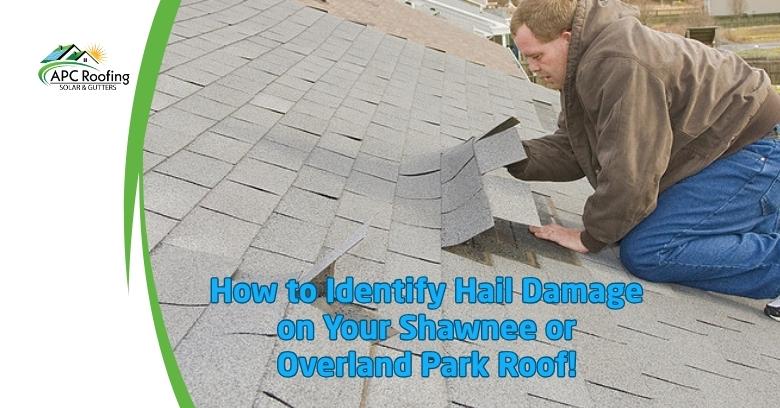
A course is nailed and then glued to the row below by a heat-activated strip, but heavy weather can tear the bond free. Any tab flipped past upright ends up creased, and the next blustery rain drives water inside.
If only the bond failed and the piece is intact, a few spots of cement hold the course down again, but a ripped tab is exchanged for new. Where a whole tab is gone, the fasteners below sit open to the sky, and the next shower comes through.
Ridge Caps: What Wind Does
At the apex, every finishing shingle is folded down both sides, and age brings cracks across the top. A vented ridge has a slot sawn through the deck along the full ridge, and nothing but the housing protects the attic.
Lost end plugs let squalls push spray under the unit, and the clue is moisture along the highest board. The repair along the peak takes in the caps, the vent and the fastening at once, because a single overlooked detail brings the leak back.
Ice at the Eaves – Why the Attic Matters
In the colder markets we serve, a roof in good shape can still take in water, as heat lost upward thaws the lower face of the snow. Down at the eave, beyond the rooms below, the trickle sets hard, and a ridge of ice grows along the gutter line.
Trapped behind the obstruction, the thaw backs up, and the still water creeps up under the laps. The real fix is a cold deck, which means a sealed, well-vented attic, though a waterproof underlayment at the eave protects the house in the meantime.
Covered Porch Roofs: A Better Choice
Lots of houses include a stretch that barely tilts, and the main material is often carried onto the flat portion regardless. Lapped courses depend on water draining off quickly, and idle water finds a way under.
A sound fix swaps in a roll membrane designed for near-level roofs, joined to the steeper part with a proper transition.
What the Attic Shows – Finding the Spot Outside
Water running along the framing leaves a dark streak on the boards, and the discoloration remains long after everything dries. The top of the mark lies just below where the leak gets in, and distances to the ridge and the gable find the same spot up top.
A nail knocked up through the deck gives the crew a visible flag, unless a finished ceiling blocks the way, in which case the search happens outdoors. Compressed, discolored insulation sits under the drip, and saturated layers are normally thrown out rather than reused.
Sweating Decks – Airflow and Exhaust Fans
Even dampness across the whole underside of the sheathing usually has nothing to do with rain, because showers, cooking and breathing all put vapor into the air that settles there. At the snowy end of our range, frost coating each nail point forms the same way, and melting brings a patter of drops.
Nothing done to the covering dries a sweating deck, since the remedy is ventilation plus exhaust fans that vent to the open air. You hear from us whether rain or household vapor wet the wood, which spares a homeowner the wrong repair.
The Chimney Detail – Why Some Need a Mason
The downhill face gets a wide apron, and stepped pieces climb both flanks; counterflashing, sawn into the joints, is folded down over the lot. A good-sized chimney calls for a cricket upslope, which turns the flow aside around the stack.
Where nothing was built to shed rainwater, leaves and water gather on the uphill face, so the joints at the top corners open up. Worn mortar pulls rain into the masonry higher up, so the fix sometimes needs a mason as well as a roofer.
Skylights and Skylight Wells: the High Side
Sealed double panes rarely admit rain; the surrounding metal is where water gets past. The top edge bears the flow from the whole slope above, and leaves lodge in a heap.
Reflashing keeps the existing unit in place, unless the curb has rotted. Condensation on the inside of the glazing can run down the shaft and pass for a leak, and the remedy lies in ventilation.
The Eave Line: Overflow and Backup
Dampness at the top of an exterior wall frequently traces back to drainage, because a full trough forces water under the bottom course. A roof finished without edge flashing lets rain cling and roll under, which leaves the fascia and sheathing rotting.
A gutter problem may need only a cleanout and a re-pitch toward the downspout, and screwed hangers hold far longer than the old spikes. A drip edge left out entirely is a roofer's oversight, and the correction means metal along the full bottom of the roof.
Satellite Dish Brackets: What Removal Leaves Behind
Most rooftop hardware, from receivers to lights, is anchored with lag bolts into the deck, and caulk squeezed around each fastener is usually the only protection. Exposed sealant dries, shrinks and pulls loose within a few seasons, and each attachment becomes an entry for water.
A dish unbolted and hauled away does not take the bolt holes along, and gaps that small are easy to overlook afterward. Every penetration is sealed and patched with fresh shingles, and anything staying up goes back on a flashed pad.
A Spongy Deck: Felt Underfoot
Months of seepage saturate the plywood beneath the roofing, so the glue lines let go and the plies peel apart. From above, the bad area feels spongy when stepped on, while from inside the boards bow downward.
Weakened plywood is cut out until only solid wood remains around the opening, and properly nailed replacements fill the gap. The area is then papered and reshingled, so the original leak is stopped too.
Emergency Covers: Done Properly
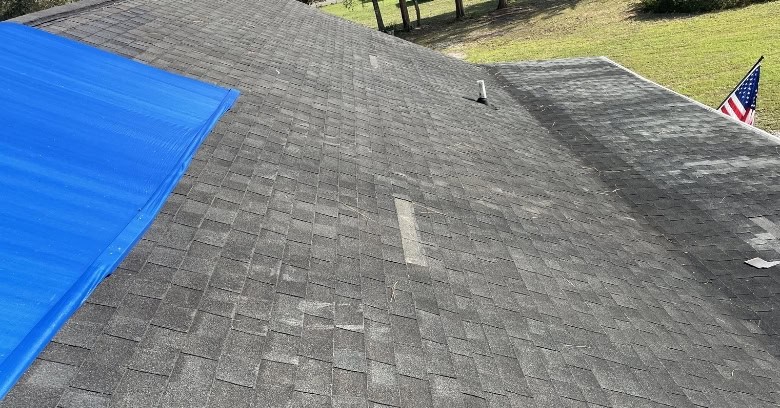
A heavy tarp keeps the interior dry, and nothing underneath has been mended. A poly sheet that rides out gusts is draped over the peak and pinned with battens, and a few bricks end up in the yard.
Each nail passes through the temporary layer and the shingles below, and every hole is sealed during the permanent repair. Poly still in place months later seals in heat and humidity, so the proper work should not wait that long.
What You Are Given: For Your Files
After the replacement goes on, whatever gave way is gone from view, and the flaw behind a leak is often a crack the width of a coin. Our photographs catch the opening and the worn seal before anything changes, with a second set taken at the end.
The images are yours to keep, and the record serves a buyer, an inspector or another roofer down the line. A written note names what failed and why, with the fix described in the same terms.
When a New Roof Is the Answer: What Tips the Balance
One bad detail on a healthy surface gets a local mend, since a rubber or metal component seldom lasts as long as the tabs. The question changes when the entire covering is cracking and bald, or when one opening follows another all over.
A repair on tired shingles can still hold off the weather for a while, although nothing about the remaining shingles improves. We give our view and the reasons behind the view, and the decision stays with you.
The Seam Between Old and New: What Is Still Made
Replacement tabs stand out against the neighboring courses, because years outdoors have bleached the granules on the rest. Shape, size and the best available color are matched, and the gap closes as the new material weathers.
When a manufacturer retires a design, an identical replacement is gone, so either a near substitute goes in or the work runs to a natural break. Samples laid next to the weathered tabs show the real difference, since catalog pictures seldom print the tones true.
Warning Signs – Around the House
- A water ring overhead that darkens with every downpour, in any room right under the attic.
- A mildew smell in a linen closet, which no cleaning removes.
- Daylight through the boards, seen from the attic.
- Stained, darkened wood along a rafter, or nails furred with rust.
- Rubber at a pipe gone hard and broken, sometimes in plain sight from the street.
- Mineral grit at the bottom of a downspout, more than a new covering sheds.
- A shingle corner flipped up, near a ridge or a rake.
- Flashing bent away at the edge, at a skylight or a dormer.
How APC Roofing Approaches Roof Leak Repair in Sanford Florida: What to Expect
We look in the attic before anyone gets on a ladder, and the top of any wet track there is measured to a place on the shingles. The part that failed is mended with the material that belongs there, with the same weak points across the house checked too.
Every stage is photographed, from the problem to the finish, along with notes in plain words. Where replacement is the honest answer, we tell you, and what happens next is your decision.
Roof Leak Repair Near Sanford Florida: Straight Answers and Sound Work
Dial 407-270-1129 to have someone come out.
Weather and Access – Safety on Steep Slopes
Emergency plastic can be secured in a drizzle, but a lasting repair waits for dry wood. Roofing cement and factory seal strips need warmth to grip, so a job in the cold includes sealing by hand.
Height and pitch decide how much rigging goes up, because a tumble off the roof is serious. A roof baking in the afternoon sun bruises under traffic, and granules knocked loose there do not grow back.
An Aging Covering: What a Repair Can Still Do
With enough years, the mat goes stiff and dry, so a shingle breaks as soon as pried up. Whatever gets damaged along the way has to be swapped out too, and the patch can end up larger than the leak.
We flag a covering too delicate to pry before any work starts, and the images show why. A small repair on a worn roof is still worth doing to stop the leak, as long as the purpose is understood.
For help with Roof Leak Repair in Sanford Florida, contact APC Roofing at 407-270-1129. The fault is located and repaired the lasting way, and the images of each stage come to you.