Your home’s roof is the one part of the house you can’t easily see, and you only think about it when something goes wrong. A brown spot on the ceiling, a few shingles in the yard after a storm, or an inspector’s note during a sale, and suddenly you need a residential roofing contractor you can trust with a big decision.
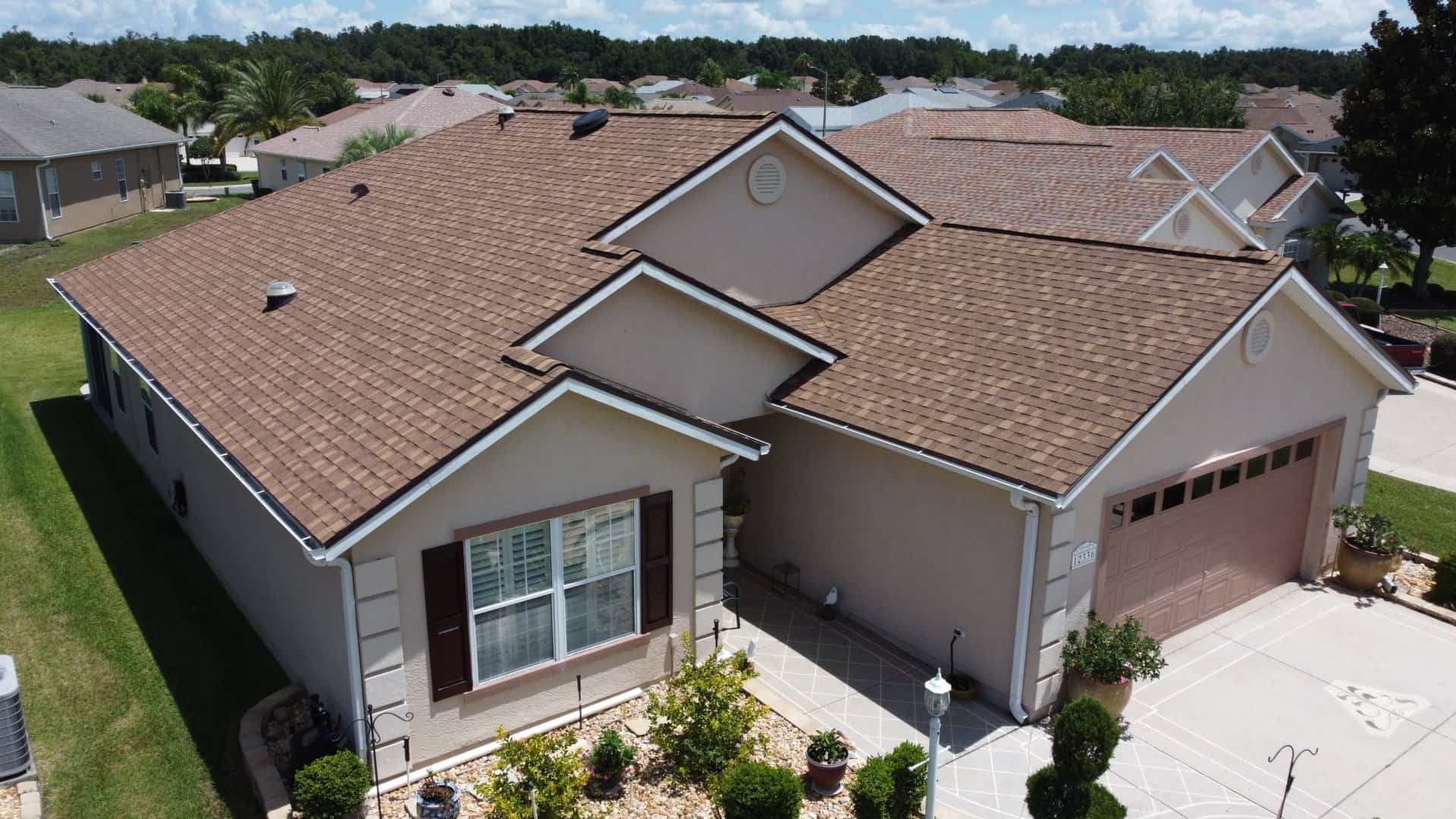
That’s a lot to sort out, especially when you’ve heard stories about storm chasers and surprise bills. You deserve someone who will show you what’s really going on and give you options without pressure.
APC Roofing has worked on homes since 2017 across Central Florida, the Daytona Beach area, the Kansas City metro and Springfield, Missouri. We’re GAF Certified, licensed and insured, and your inspection and estimate are free. Call 866-995-0704 to book yours.
What residential roofing covers
Homes are where most of our work happens. For homeowners, that usually means one of three things.
Repairs. A leak, a few missing shingles, a cracked tile or a worn pipe boot. When the rest of the roof is sound, a repair is often the right answer. Our roof repair page covers what that involves.
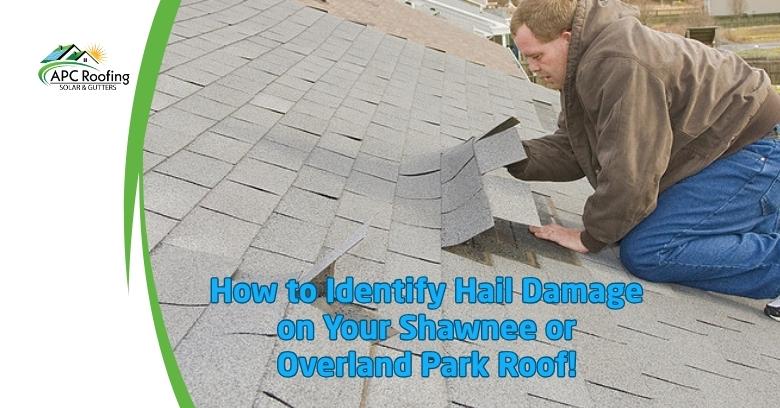
Storm damage. Wind, hail and hurricane damage, documented with photos and repaired, with help working alongside your insurance adjuster if you file a claim.
Replacement. When damage is widespread or the roof is worn out across the board, a new roof is usually the better use of your money. Many residential projects are finished in a single day.
The roof types we work on
Every house is different, and the right material depends on your home, your budget and your weather.
Shingle roofs
Asphalt shingles are the most common home roof in all of our markets. Architectural shingles are thicker and more wind- and impact-resistant than older 3-tab styles. See shingle roofing for the options.
Metal roofs
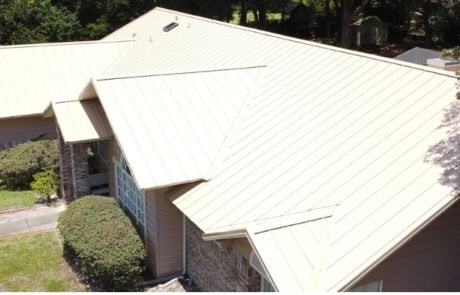
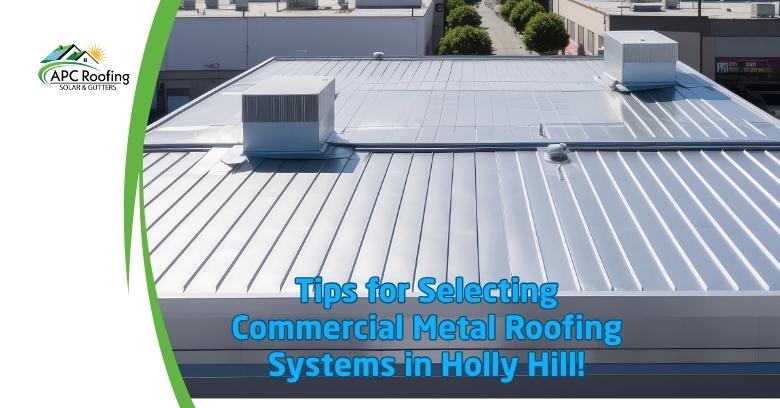
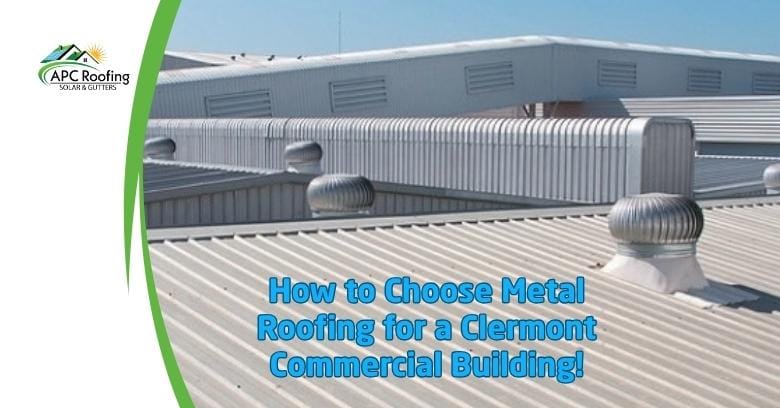
Standing seam, corrugated, metal shingles and stone-coated steel. Metal costs more up front and holds up well against wind and hail. Our metal roofing page explains the differences.
Tile roofs
Clay and concrete tile are common in Florida. The tiles themselves last a long time, but the underlayment beneath them wears out first, so a leaking tile roof often needs new underlayment more than new tile. Learn more on our tile roofing page.
Flat and low-slope sections
Many homes have a flat roof over a porch, carport, addition or Florida room. Those need a different system than the main roof, and they tend to leak at seams and edges.
We also install gutters, siding, fascia and soffits, and offer residential solar in Florida through a licensed partner, so you can handle more than one project with the same team.
Matching your roof to your weather
In Central Florida and around Daytona Beach, your roof deals with strong sun most of the year, heavy summer storms and hurricane season. Sun dries out shingles and sealants, and wind lifts roofing at the edges first. Wind-rated products and careful fastening at the edges matter most here. Humidity also brings algae streaks on shingle roofs.
In the Kansas City metro and Springfield, hail is often the biggest threat, followed by freeze-thaw cycles and winter ice. Impact-rated shingles can be worth it, and so is a good ice barrier along the eaves.
Why old flashing causes new leaks
The roofing you see is only the top layer. Underneath are the deck, the underlayment and metal flashing at every wall, chimney and pipe. Flashing often wears out sooner than people expect, and putting a new roof over tired flashing is one of the most common reasons a nearly new roof leaks. When you compare estimates, ask which flashings are being replaced and which are being reused, and get the answer in writing.
Living in your home during the work
A roof replacement is loud, and you’ll feel vibration inside. Take fragile things off the walls in the rooms below. Plan for pets and small kids to be somewhere calm during tear-off. Your driveway should stay usable, and landscaping and outdoor equipment should be protected. When the job’s done, the site gets cleaned up.
Storm damage and insurance
If a storm damaged your roof, you file your own claim with your insurance company and pay your own deductible. We document the damage, provide a written estimate and work with your adjuster. Be wary of anyone who offers to waive or cover your deductible.
How it works with APC Roofing
- Book your free inspection. Call 866-995-0704 or request a free online estimate.
- Get a clear, honest assessment and estimate. You’ll see photos of your roof, hear whether it needs a repair or a replacement, and get a written estimate.
- Get your roof done and the site cleaned up. Many residential roofs are installed in a single day, and the crew cleans up before leaving.
Financing is available through Aqua Finance, Fortifi, Hearth and Home Run Finance.
Residential roofing questions
Should I repair or replace my roof?
If the damage is limited and the rest of the roof is in good shape, a repair usually makes sense. If problems show up across several slopes, or the same leak keeps coming back, replacement is often the better value. We’ll show you photos so you can decide.
Is the inspection really free?
Yes. The inspection and estimate are free, with no obligation.
How long does a home roof replacement take?
Many residential projects are finished in a single day. Larger or more complex roofs, and tile or metal roofs, take longer. Your estimate will include a timeline.
Do you work on both shingle and tile roofs?
Yes, along with metal and flat roofs. We’ll recommend what fits your home and budget.
A home that stays dry, and a decision you feel good about
Putting off a roof problem rarely saves money. A slow leak can soak insulation and damage the deck for months before it shows on your ceiling.
Call 866-995-0704 to book your free inspection, or start your estimate online. You’ll get a sound roof, a dry house, no surprise bill and the confidence that you made the right call. Your satisfaction is our reputation.