Searching for Steel Roofing Across Republic Missouri?
APC Roofing builds and maintains coverings made of coated sheet and aluminum, on houses, garages, porches and outbuildings.
Reach us at 913-398-5020 and you will hear in plain words what condition the roof is in.
Telling Systems Apart: Hints in Plain Sight
Corrugated and ribbed sheet is held down by screws driven straight through the metal, while standing seam is attached with clips tucked inside raised joints. Most metal on houses is coated steel, with aluminum and copper turning up less often.
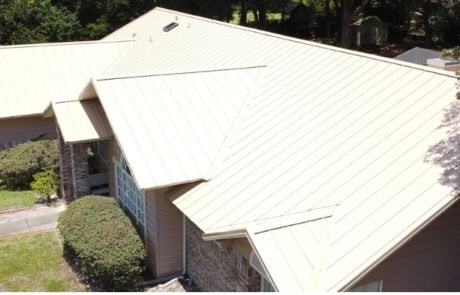
Seen from a sidewalk, dotted lines of screws signal an exposed-fastener system, and uninterrupted pans separated by raised folds mean standing seam. Pole buildings, sheds and porches frequently get ribbed sheet, and homes turn up with both.
Profile Options – Span and Style
A corrugated sheet curves up and down in regular round waves, while ribbed designs show angular ribs and wide flats. Adjacent lengths share a narrow side lap, and fastener placement follows a published pattern.
A squared profile resists bending and reaches further between purlins, while corrugated keeps a place on vintage buildings and farmhouse designs. Taller ribs give runoff more room on a long slope, while modest runs need little depth.
Fasteners in the Open: Small Parts, Big Job
Each screw clamps a panel down onto wood or steel framing, and a washer under each head stops water getting in. Synthetic rubber ages in the sun, going hard and then cracking, though the coated metal nearby stays sound far longer.
Driving a screw past snug crushes a washer and dimples the metal, and a slack or crooked fastener leaks on one side.
Refreshing Hardware – Where Help Stops
Every washer across a ribbed or corrugated field weathers at the same rate, so at some stage all seals get changed. Old fasteners are backed out one at a time, and a screw one size larger takes each place so threads grip solid material.
A re-screw stops drips around screw heads and draws lifting sheets back down, but corrosion, parted laps and bad flashing are left as found. Screw style depends on what lies beneath, with coarse threads for wood and self-drilling tips for steel, and tops painted in a panel color keep new work from standing out.
Growth and Shrinkage: Room to Travel
A steel sheet grows in afternoon heat and shrinks back by dawn, and forty feet of panel shifts roughly a quarter inch or more, with aluminum going about twice as far. Where nothing lets a panel slide, the metal elongates screw holes, and washers then stop sealing.
Creaks as the day warms come from steel adjusting, and a roof built with slack is unharmed.
Under Upright Joints: Out of the Weather
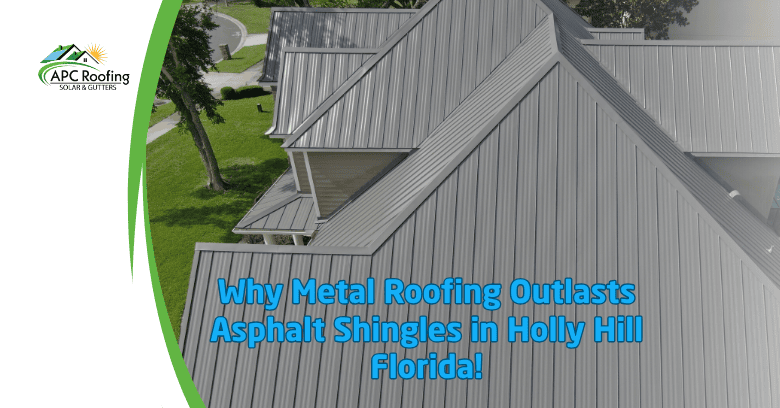
A long pan is locked down at a single band, and sliding clips everywhere else let the metal move with temperature. Trim at an end that travels is bent with clearance underneath, and rigid fastening over a big pan shears or wrinkles the metal.
A pan is positioned and clips are screwed to the deck beside a long edge, so each new pan conceals all hardware below.
Seam Styles – Wind and Water
One kind of rib clicks shut under a firm push, and mechanical versions are turned over with a powered seamer. A double-lock grips harder against wind-driven rain, and a gentler pitch is allowed.
Profiles come in different widths and heights, and a choice depends on the home and a preferred style. Closures, clips and flashings match one panel only, so any repair hinges on knowing exactly which panel is installed.
Heavier and Lighter Stock: Reading a Label
Steel thickness is given as a gauge, and a lower figure means more metal per sheet. Outbuildings commonly get twenty-nine, while twenty-six and twenty-four are typical choices for houses.
Aluminum is specified in thousandths of an inch instead, and with either metal, a stouter panel holds shape. A view from below reveals nothing about grade, so a label on a bundle shows what was delivered.
Surface Protection – Aging in Sunlight
Raw steel is galvanized, or given an aluminum-zinc treatment, before shipping, and a primer and a colored enamel are baked over the metal. A scratch that stays within paint does no harm, whereas a gouge through to bare metal soon shows red.
High-end fluoropolymer finishes keep a bright look for years, while polyester grades dull faster in strong sun. Uncured concrete and mortar harm an aluminum-zinc coating, and a barrier belongs wherever panels meet new stonework.
Choosing the Metal: Matching a Location
Aluminum has less mass than steel and cannot turn red with rust, but a dropped tool or a falling branch dents a soft sheet sooner. At the coastal end of our territory, salt spray breaks down galvanized coatings faster, and manufacturers set limits on how near a shoreline a product may go.
Copper appears mainly as small roofs on bays and cupolas, and the metal weathers to a natural patina with no paint.
Mixing Metals – Matching or Separating
Runoff from copper eats through coated steel downhill, and discoloration arrives well before a panel gives way. Pressure-treated framing corrodes aluminum laid directly on top, and fasteners of an unsuited metal leave a ring of damage.
Flashing added later should match whatever metal is already installed, or an isolating layer separates unlike metals.
A Frequent Complaint: Choices That Help
Oil canning means a slight bow in a wide stretch between seams, and a midday sun hides what a low evening sun reveals. A panel that looks uneven sheds rain as well as a perfect sheet, and the roof lasts no less.
Stiffening ribs, a stouter grade and a smaller pan width lessen waves, and an even deck beneath helps as well. Images of real houses show oil canning from obvious to barely there, and you decide what to order.
Inside the House – Day and Night
An outbuilding with bare framing under the metal makes a loud din in rain, because nothing there soaks up impact. On a house, a solid deck, underlayment and ceiling insulation sit below the panels, and in a living room few can pick out any change from shingles.
A light-colored panel sheds much of the sun's warmth, so the space under the roof runs cooler. A charcoal or black panel gets hot, and ventilation and insulation underneath matter as much as finish. Thin steel cools off right after dusk, so evenings indoors feel better sooner.
Retention Hardware: Above Entries and Paths
Where winters bring real snow in our territory, slick panels shed a snowpack quickly, and a slab arriving all at once can injure someone or rip a gutter off. Rows of cleats hold a load back until melting clears the roof, and positions are chosen where anything below could be hit.
For standing seam, bolted clamps grip each upright joint, while ribbed or corrugated sheet takes mounts driven into structure with sealing washers, and at the warm end of our range snow gear is unnecessary.
What Ice Does: Documented Plainly
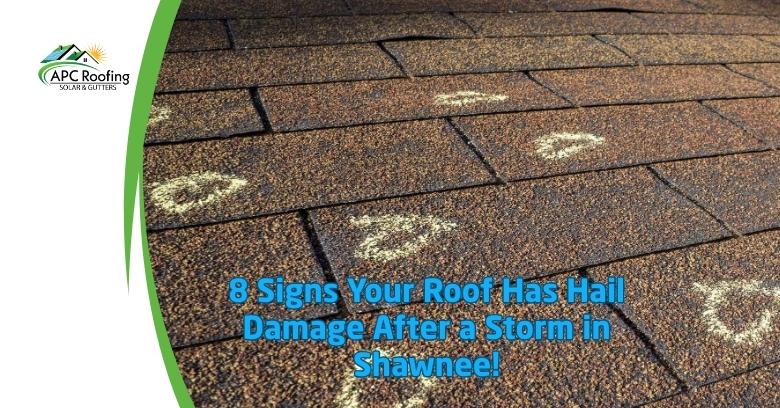
At the colder end of our territory, hail is a regular event, and heavier grades with stiffening ribs shrug off more stones. Paint knocked off at a crease leaves base metal exposed to corrosion, and a bent seam or a dislodged trim piece can let water in.
Following a storm, our roofer takes pictures and measurements, so the extent of damage is clear.
Staying Put in a Blow: Trim Held Tight
Gusts tug harder at corners and along a perimeter, and an unfastened edge lets pressure build beneath. Finishing trim is hemmed and caught on a cleat for a whole run, and nothing is left free to flap.
Fasteners go in closer together near corners and a roof's rim, following a maker's layout for a site's exposure. Where hurricanes reach, at the coastal end of our territory, the number of fasteners goes up again, and products are chosen with a wind rating to match.
Vents and Stacks: Keeping Water Out
Each pipe takes a boot made for panel roofs, with a base pressed to follow corrugations, and a flat location lets a flange bed down evenly. A chimney or skylight is built up on a curb with a cricket above, and water cannot pool at an upper edge.
Sealant backs up flashing and never stands in for folded metal, because a compound shrinks and pulls away with time.
Meeting Planes: Made to Shed
Each valley gets a separate pan in advance of the panels, and sheets are cut on a diagonal to suit. Each raw end is hemmed back and hooked onto a cleat, so no hole sits where runoff gathers.
On a run too long for one sheet, an endlap joins pieces with sealant between, and fasteners pass through both thicknesses, with uphill metal on top.
Near-Flat Areas – Measured, Not Guessed
Most ribbed sheet is specified for about three in twelve or steeper, and at anything less, rain creeps sideways across laps toward screws. Mechanically seamed panels are approved much lower, and a few products go almost to flat.
A barely tilted roof over a porch or addition is common on houses, and a measured angle decides what goes on, and where metal does not belong, a membrane does.
Substrate: Rot and Spacing
A house takes panels on a solid, continuous deck, and a synthetic sheet rated for heat is sandwiched between, since ordinary felt dries out under sun-heated steel. On a barn or shop, panels often span open purlins, and distance between supports sets a minimum gauge.
Once the deck is exposed, any board that gives underfoot comes out, as fasteners driven into mush pull straight out.
Going Over the Existing Roof – Grounds for Refusal
Where code allows, metal can be installed over one layer of shingles, so waste is kept out of a landfill. Steel panels weigh well under two pounds per square foot, so most framing takes extra weight without reinforcement. Battens on top of a synthetic membrane are laid across existing shingles, and screws reach through into solid wood.
A second layer already in place, soft decking or stains from past leaks mean a full tear-off, because a problem covered with steel keeps growing out of sight.
Finishing Pieces – Tight Against Weather
Closure strips shaped to a panel profile plug hollows under every rib where a run starts and stops, and wind-driven rain, wasps and birds stay out. A ridge cap may be vented or sealed, depending on how an attic is ventilated.
Drip edge, rake trim and a gutter apron finish every outer line, and water falls clear of fascia instead of running behind.
Care With the Metal: Where to Step
Standing seam panels are formed at full slope length, and one pan spans eave to ridge with no joint across. Big panels need a team so nothing buckles in transit, and a crimped or creased pan is no longer usable.
On panels, a step belongs in a flat above a purlin or deck, because a raised joint dents and deforms under load. Morning dew alone can make metal treacherous, so owners do better keeping off the roof.
Clues to Watch – A Look From Below
- Rust circles where screws go in, partway down a pitch.
- Screws no longer tight against metal, mid-panel.
- Trim bent up at a corner, over a front door.
- A collar gapping around a stack, by a bathroom fan.
- Rust creeping from a trimmed end, next to a skylight.
- Blotchy color, where afternoon light hits.
- A drip that follows a row of screws, in a garage.
- A lap that has separated, above a gutter.
How APC Roofing Goes About Steel Roofing in Republic Missouri: Our Routine
The first thing we do is identify which panel system is on the house and what holds the panels down, and next come screw locations, perimeter trim, pipes, valleys and overlaps. We note thickness, coating and hardware along the way, while the underside of the deck is inspected from the attic.
Every finding goes into a report with images, and a reason sits beside every recommendation. A sound covering is called sound, and a roof at the end of service life is named as such.
Steel Roofing Across Republic Missouri – Straight Answers
Reach us at 913-398-5020 and we will book a day that suits you.
Keeping the Roof: Weighing Choices
A panel torn by a falling limb can be changed individually, although new paint never quite matches older metal. Resealing a lap or replacing a boot stops a local leak, and a full set of screws fixes tired rubber.
When corrosion has gone through across a whole field, a tear-off is due, and metal torn loose over entire slopes is no better off. Redoing one face of the house is a middle path, when harm is local.
Longevity – Upkeep Matters
Properly installed panels regularly reach forty years, and every estimate is approximate. Standing seam, with no holes through a pan, gets by on less maintenance, while ribbed sheet gets new fasteners once washers tire.
Galvanic contact, unfinished cuts and caulk in place of flashing hasten replacement, and a check every few years catches small faults early. Pine needles packed into a valley trap water against coated steel, and brushing debris off protects paint.
When you are weighing Steel Roofing in Republic Missouri, get hold of APC Roofing at 913-398-5020. Someone will go over every panel, fastener and piece of trim, and a written report puts options in front of you.
Verified

Verified
Verified
Verified