Thinking About Steel Roofing Throughout Palm Coast Florida?
APC Roofing installs panel coverings and mends worn sheet, from a pole barn to a family home.
Phone 386-356-2111 and a roofer will come out and describe what the metal shows.
Which System Is Up There: Hints in Plain Sight
Ribbed and corrugated panels take screws through a flat or a crest, whereas standing seam relies on clips that sit under locked joints. Steel with a protective coating covers most houses that have metal, though aluminum and copper have a place too.
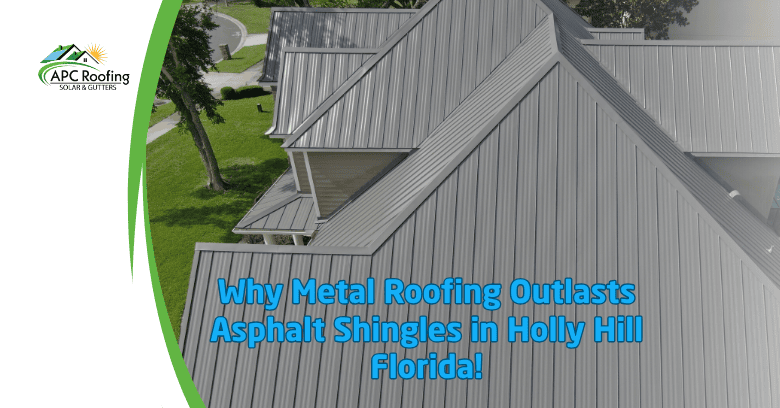
From a driveway, lines of screw heads across the panels mark a through-fastened roof, and smooth pans between tall ribs with nothing poking through are standing seam. Corrugated sheet is a regular choice on barns, shops and porches, and dwellings use both.
Profile Options: Which Suits a Building
Corrugated sheet rises and falls in rounded, evenly spaced waves, and a ribbed panel has trapezoid ribs separated by broad pans. Each sheet laps over a neighbor along a long edge, and every screw lands where a maker's layout calls for.
A squared profile resists bending and reaches further between purlins, while corrugated fits a period barn or a farmhouse style. High ribs carry a heavy downpour across an extended slope, and a shallow pattern is plenty for a small porch or shed.
Fastener Hardware: Small Parts, Big Job
A screw pulls the metal tight against a purlin or the deck, and a washer under each head stops water getting in. Sun and temperature swings dry out neoprene over time, and the panels usually last a great deal longer.
An overdriven screw squashes a washer flat, and a slack or crooked fastener leaks on one side.
Hardware Swaps: Part of Upkeep
Every washer across a ribbed or corrugated field weathers at the same rate, and a full re-screw is an ordinary step somewhere along the way. Old fasteners are backed out one at a time, and a slightly fatter screw goes into each hole so a thread bites fresh wood or steel.
Re-fastening stops water at every head and holds down sheets that lift, but red rust, gaping laps and cracked flashing need other remedies. Screw length and thread are chosen for what sits below, wood or a steel purlin, and tops painted in a panel color keep new work from standing out.
Expansion and Contraction: Room to Travel
Steel swells with heat and draws back as temperatures fall, and a longer run shifts farther still, while aluminum goes about double. A panel pinned at both ends slowly slots every screw opening, and water gets past a washer.
Snapping sounds at sunrise come from panels shifting against clips, and a properly detailed roof suffers no harm.
Attachment Beneath Folded Seams: Hidden Hardware
Each long pan is fixed solid in one short zone, while floating clips elsewhere allow the pan to slide. A finishing piece at an opposite end has room built in underneath, while a pan fastened hard along every foot pulls loose or ripples.
A pan is positioned and clips are screwed to the deck beside a long edge, so nothing that holds the roof down is left exposed.
Closing a Seam: A Choice With Consequences
A snap-together rib engages when an installer presses down, while machine-rolled designs get folded over by a motorized seamer. A double-locked joint stands up to gales and to water sitting against the metal, and approvals extend to flatter roofs.
Every product line has distinct spacing and rib size, so the house and a preferred look guide a decision. Closures, clips and flashings match one panel only, so a repair calls for knowing exactly which panel is up there.
Heavier and Lighter Stock: Dents and Ripples
Steel is described by gauge rather than inches, and higher numbers mean thinner sheet. Outbuildings commonly get twenty-nine, and residential work leans on twenty-six and twenty-four.
Aluminum sheet is measured in decimal inches, and in either metal thicker stock dents less and lies flatter. A light grade and a heavy grade are indistinguishable from a driveway, so a label or order sheet is what gets checked.
Surface Protection: When Damage Matters
Steel for roofing is hot-dipped in zinc or an aluminum-zinc blend, and a baked primer goes on before a color coat. Scrapes confined to paint are harmless, but a cut that reaches base steel is where corrosion takes hold.
PVDF systems keep color and gloss for decades, while polyester versions chalk and fade sooner. Wet mortar and fresh concrete attack an aluminum-zinc coating, and a barrier belongs wherever panels meet new stonework.
Which Metal Suits: Salt Air
Aluminum is lighter than steel and never forms red rust, but a dropped tool or a falling branch dents a soft sheet sooner. Beside salt water at the coastal end of our range, protective layers wear away faster, and makers restrict certain products near surf.
Copper appears mainly as small roofs on bays and cupolas, and years outdoors take bare metal to brown and then green.
Incompatible Neighbors – Isolation and Compatibility
A copper pipe or flashing above steel sends corrosive drainage down over the panels, and a stain shows up before a leak does. Aluminum laid against treated lumber corrodes at every contact point, and an ordinary screw of an unsuited alloy fails as well.
A new piece of flashing belongs in a metal that matches existing work, or a plastic barrier divides unmatched metals.
Looks, Not Leaks: What Can Be Done
Oil canning names shallow dips and bulges across a flat pan, and raking light early or late in the day brings out each rise and fall. A panel that looks uneven sheds rain as well as a perfect sheet, and the roof ages no faster.
Striations, heavier stock and narrower pans keep rippling in check, and an even deck beneath helps as well. Pictures of completed homes give a sense of how visible oil canning gets, and you make the call on profile.
Indoor Comfort – Day and Night
Metal spanning open rafters, with air beneath, is what clatters, as no material absorbs vibration. Metal on a home rests on a deck and underlayment, over an insulated ceiling, and in a living room few can pick out any change from shingles.
Cool-pigment coatings return the bulk of the sunshine, so the space under the roof runs cooler. A deep hue absorbs heat like any dark surface, and venting and insulation under the deck do as much for comfort as color. Panels cool fast at nightfall, and the attic eases off soon afterward.
Guards and Placement: Chosen With Care
Across the colder end of our territory, snow does not cling to painted steel, and a single release can take out a gutter or strike someone nearby. Retention bars keep a load up top to melt off gradually, and typical spots are above doors, walks, decks and gas meters.
Brackets on standing seam bite an upright fold, not a flat, whereas on corrugated sheet, mounts go into solid wood with gasketed fasteners, and in milder markets roofs do without.
Storm Marks – Photographs and Measurements
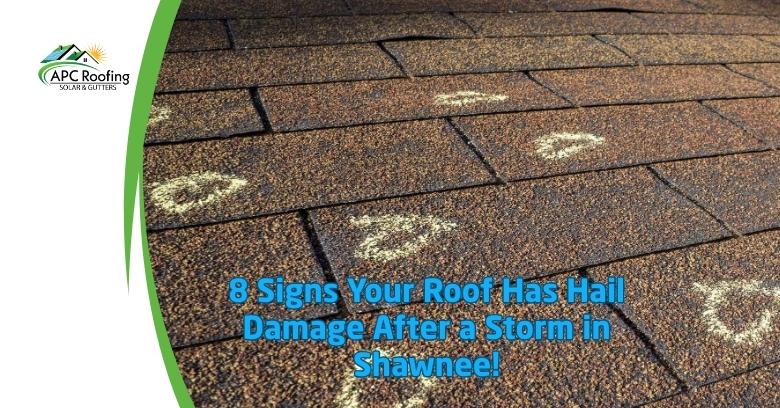
Hail visits the colder end of our range with some regularity, and stouter panels with striations hold shape better. A strike sharp enough to break a finish lets rust start, while a seam or trim edge pushed out of line may open.
After any storm, each affected area is photographed and measured, so the extent of damage is clear.
Resisting Uplift – Rated Assemblies
Perimeter bands of a roof take a heavier pull than a central field, and once air slips under an unsecured edge, pressure can roll the metal up. Trim along every outer line is hemmed and hooked onto a continuous cleat, and nothing is left free to flap.
An attachment pattern grows denser toward every corner, as manufacturer tables call for at each site. Where hurricanes reach, at the coastal end of our territory, the number of fasteners goes up again, and a whole assembly has to carry a matching rating.
Penetrations – Flashing Done Right
A flexible boot is formed around every rib and banded tight to a pipe, and a flat location lets a flange bed down evenly. Larger units get a raised curb plus a cricket on an uphill side, so runoff is steered aside.
Caulk is a secondary barrier behind formed metal, because sunlight dries and cracks sealing compounds within a few years.
Meeting Planes: Built to Drain
A broad flashing lines each valley in advance, and each sheet is cut to a matching angle. Raw ends are folded under and locked to a cleat, so no hole sits where runoff gathers.
On a run too long for one sheet, an endlap joins pieces with sealant between, and uphill metal always goes on top, screwed through.
Near-Flat Areas: Where Membrane Takes Over
Corrugated and ribbed sheet usually needs around three inches of rise in every foot, and on flatter roofs, water works under side laps. Mechanically seamed panels are approved much lower, with certain lines suited to decks that are nearly flat.
A barely tilted roof over a porch or addition is common on houses, and a measurement comes before any panel is named, and below every panel limit, a membrane goes on.
A Base Layer: Rot and Spacing
On a house, the panels go over solid sheathing, and a synthetic sheet rated for heat is sandwiched between, because traditional felt degrades quickly up there. Pole buildings commonly have metal spanning between purlins with air below, so wider gaps call for thicker steel.
On a tear-off, soft or rotted boards are cut out and replaced, as fasteners driven into mush pull straight out.
When the Old Roof Stays: What Has to Be True
Many building codes allow metal over a single layer of asphalt shingles, and the mess and hauling of removal are avoided. New steel adds well under two pounds per square foot, and typical framing carries a little extra easily. Furring strips and a new underlayment go down over existing shingles, and fasteners are long enough to bite solid boards below.
A roof that was recovered once before, or a deck with decay underneath, comes off entirely, since trapped dampness under metal has no way to dry.
Finishing Off – Tight Against Weather
Closure strips shaped to a panel profile plug hollows under every rib where a run starts and stops, so blown rain and critters are shut out. A ridge cap can be vented to let warm air escape or left solid, as existing ventilation requires.
Trim at every rake plus a drip edge over a gutter finish a roof's border, and fascia boards stay dry.
Care on Site: Where to Step
Standing seam is produced to fit each run from bottom to top, so a single piece covers eave to ridge without an endlap. A long panel needs several people to steady the metal on the way up, and a crimped or creased pan is no longer usable.
Each step should land in a flat with support right underneath, since pressure on a rib bends the metal out of shape. Wet or dewy panels offer almost no grip, so owners do better keeping off the roof.
What to Watch For: Easy to Notice
- Orange halos at fasteners, low on a slope.
- Hardware sticking up, at an eave.
- A peeled drip edge, after a windstorm.
- A collar gapping around a stack, on a back slope.
- A cut end turning red, along a rake.
- Faded paint, on a south exposure.
- Spots on a ceiling in a row, under a porch roof.
- An endlap gaping, where slopes meet.
APC Roofing and Steel Roofing in Palm Coast Florida: Order of Work
We begin by figuring out which system is up there and how the panels are anchored, and after that every fastener, trim piece, penetration, valley and lap gets a close look. Notes cover gauge, finish and every kind of hardware, and the attic is searched for water marks.
A report with photos sets out what is up there, and each recommendation carries reasons. When a small fix works, nobody pushes a bigger job, and a finished roof is described without softening.
Steel Roofing in Palm Coast Florida: A Careful Look
Reach us at 386-356-2111 and we will pick a time together for a visit.
Repair or Replacement: Guided by Evidence
One badly damaged sheet can be swapped alone, but brand-new paint stands out against faded neighbors. New sealant at a lap ends trouble at an overlap, while re-fastening cures aged washers.
Rust through sheet after sheet calls for a new covering, and a covering failing at nearly every joint is in the same position. Redoing one face of the house is a middle path, when damage stays in one place.
The Long View: Upkeep Over Time
Coated steel put on properly often gives forty years or better, though any figure is an estimate, not a promise. A seamed pan roof has fewer parts that age, whereas exposed-fastener sheet needs a re-screw partway through.
Mixed metals, raw cut edges and caulk doing the job of flashing all shorten a roof's service, and a visit now and then spots trouble early. Piles of leaves behind a chimney keep a patch of metal damp for days, so removal pays off in longer-lasting paint.
If Steel Roofing in Palm Coast Florida is on the table, call APC Roofing at 386-356-2111. Someone will climb up and read how the panels are attached, along with every edge and opening, and findings come to you written up, with any choice left to you.
Verified

Verified
Verified
Verified