In Need of Metal Roof Installation Here in Ozarks Region Missouri?
APC Roofing installs panel coverings and mends worn sheet, for houses as well as workshops and barns.
Call 913-398-5020 and someone who knows the trade will come out to take a look.
Naming a System: Hints in Plain Sight
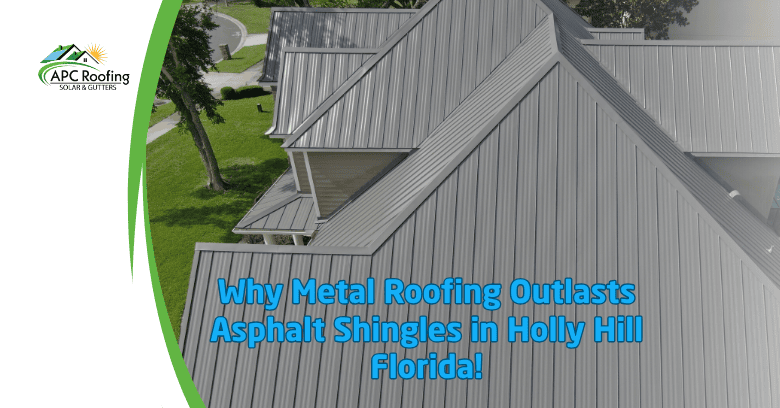
A corrugated or ribbed covering is secured with screws set through the metal, while standing seam is clipped down beneath upright folds. On homes the metal is usually coated steel, while aluminum and copper account for a minority.
Screw heads marching in rows, easy to spot from below, point to exposed fasteners, and smooth pans between tall ribs with nothing poking through are standing seam. Corrugated sheet is a regular choice on barns, shops and porches, though a house can suit either.
Rolled Shapes – Reach Between Supports
Corrugated goods swell and dip in gentle, repeating arcs, whereas ribbed kinds stand up in squared ribs with flat stretches between. One length rides over a neighbor at a side lap, and a maker's pattern says where screws go.
Ribbed stock is stiffer and spans further between supports, and corrugated suits older buildings and a farmhouse look. Taller ribs give runoff more room on a long slope, and a lean-to or porch manages fine with a gentle pattern.
Hardware in the Weather: Aging in Sunlight
Each screw draws a panel snug against a rafter or purlin, and a washer under each head stops water getting in. Years of sun and heat stiffen synthetic rubber until cracks form, long before the painted metal gives out.
A screw set too tight crushes a washer out sideways, and a fastener stopped short or angled leaves a gap for rain.
Swapping Out Hardware: Worth Doing, With Limits
Washers on corrugated or ribbed panels give out as a group, so eventually a full new set of seals is needed. Worn hardware is taken out in turn, and a bigger diameter is driven in to grip where an old thread stripped.
Re-fastening stops water at every head and holds down sheets that lift, but rust damage, open laps and failed flashing are untouched. Screw length and thread are chosen for what sits below, wood or a steel purlin, and a factory color on every top suits most finishes.
A Covering in Motion: Why Slack Matters
A steel sheet grows in afternoon heat and shrinks back by dawn, and forty feet of panel shifts roughly a quarter inch or more, and aluminum changes nearly twice as much. Metal held too rigidly wears fastener holes into slots, and washers begin to leak.
A tick from warming metal after sunrise is normal, and a careful installation suffers no damage.
Under Upright Joints – Laid in Sequence
A long pan gets one fixed point, often near a ridge or an eave, and sliding clips everywhere else let the metal move with temperature. Trim at an end that travels is bent with clearance underneath, whereas a pan with no play lets go or distorts.
As a pan is laid, clips are driven into the deck along one leg, so each new pan conceals all hardware below.
Quick-Fit or Heavy-Duty: Choosing Between Options
Snap-together panels latch by hand, and heavier-duty versions are folded over by a motorized tool. A double-lock seam holds far better against strong gusts and standing water, and a gentler pitch is allowed.
Every product line has distinct spacing and rib size, and architecture and a buyer's eye decide. Clips, trim and closures are bought to suit one particular panel, so any repair hinges on knowing exactly which panel is installed.
Stock Weight: Reading a Label
Steel thickness is given as a gauge, and a lower figure means more metal per sheet. A shop or barn frequently has twenty-nine, while a dwelling generally takes twenty-six or twenty-four.
For aluminum, sheet is sized in thousandths, and more material means fewer marks and less waviness. Standing in a yard, nobody can judge weight by eye, so a label or order sheet is what gets checked.
Factory Protection – Aging in Sunlight
Steel for roofing is hot-dipped in zinc or an aluminum-zinc blend, and a baked primer goes on before a color coat. Damage no deeper than paint is cosmetic, whereas a gouge through to bare metal soon shows red.
PVDF systems keep color and gloss for decades, and polyester families fade and chalk more quickly. Uncured concrete and mortar harm an aluminum-zinc coating, so a gap or barrier separates panels from new block or stone.
Which Metal Suits: Salt Air
Aluminum is light and free of red rust, but a soft sheet dents from smaller blows. At the coastal end of our territory, salt spray breaks down galvanized coatings faster, so a marine-grade finish is often chosen for homes near a beach.
Copper turns up chiefly on bay windows, dormers and entry roofs, and left unpainted, the metal darkens with age.
Galvanic Trouble: A Slow Chemical Fight
Runoff from copper eats through coated steel downhill, and a stain shows up before a leak does. Treated wood touching aluminum pits the metal at each contact, and an ordinary screw of an unsuited alloy fails as well.
New flashing or trim has to match the metals already in place, or a plastic barrier divides unmatched metals.
What Buyers Notice: Setting Expectations
Oil canning means a slight bow in a wide stretch between seams, and faint hollows show at sunrise and fade by noon. An irregular-looking finish keeps weather out just as well, and the roof ages no faster.
Striations, heavier stock and narrower pans keep rippling in check, and a smooth, straight base under the panels counts. Photos of finished roofs give a fair idea of how much oil canning shows, and you make the call on profile.
For People Inside: What Reaches Living Space
Panels laid straight over bare purlins ring out in a downpour, as no material absorbs vibration. A home has sheathing, a membrane and an insulated ceiling under steel panels, and occupants notice only a slight change from shingles.
A white, tan or light gray panel turns back much glare, so upstairs spaces bake less. Deep shades absorb as much as dark asphalt, and airflow and insulation lower down count just as much. Metal loses daytime warmth shortly after the sun sets, so upstairs rooms settle sooner at night.
Retention Hardware – Only Where Needed
At the colder end of our range, snow lets go of a metal surface easily, and a heavy sheet coming off in one piece can hurt a person or tear away a gutter. Stops attached to the metal let a load leave slowly, with placement over doorways, decks and equipment.
For standing seam, bolted clamps grip each upright joint, while screw-down sheet takes mounts fastened into framing with sealed screws, and where snowfall is rare, nothing is added.
Pounding From the Sky: What a Hit Can Open
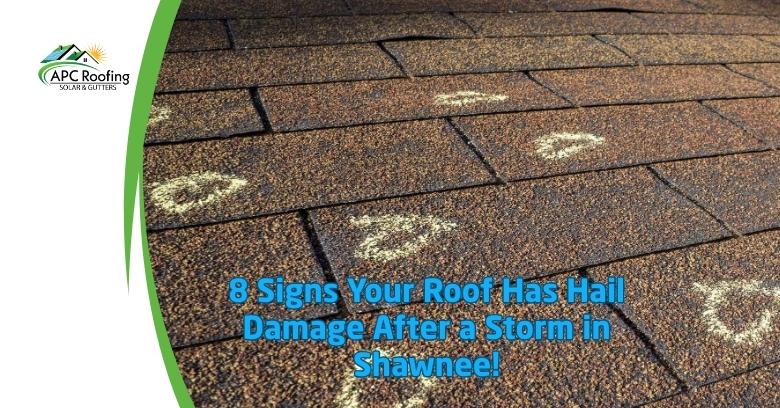
Hail visits the colder end of our range with some regularity, and stouter panels with striations hold shape better. Paint knocked off at a crease leaves base metal exposed to corrosion, while a seam or trim edge pushed out of line may open.
After a storm, we photograph and measure what we find, with every dent pinned to a location on the roof.
Staying Put in a Blow: Layout Matters
Gusts tug harder at corners and along a perimeter, and once air slips under an unsecured edge, pressure can roll the metal up. Finish trim is hemmed and caught on a cleat, and no gap is left to work into.
Fasteners go in closer together near corners and a roof's rim, according to a published schedule for how sheltered a site is. At the coastal end of our territory, hurricane country asks for more holding power still, and panel and hardware are rated as one assembly.
Openings in a Covering – Careful Detailing
A pliable-based collar is shaped to fit a panel and clamped onto a pipe, and a flat location lets a flange bed down evenly. Larger units get a raised curb plus a cricket on an uphill side, so runoff is steered aside.
Sealant backs up flashing and never stands in for folded metal, as ultraviolet light turns soft compounds brittle in a few seasons.
Where Slopes Meet: Hooked and Clear
A broad flashing lines each valley in advance, and every sheet is trimmed on the skew. Each raw end is hemmed back and hooked onto a cleat, and fasteners stay clear of wherever rain concentrates.
Long runs made of more than one piece get an endlap with sealant sandwiched inside, and fasteners through both thicknesses keep water from backing up.
How Low Metal Can Go: Where Locked Seams Help
Most ribbed sheet is specified for about three in twelve or steeper, and at anything less, rain creeps sideways across laps toward screws. Mechanically seamed panels are approved much lower, with some lines cleared almost down to flat.
A barely tilted roof over a porch or addition is common on houses, and pitch is measured rather than judged by eye, and below every panel limit, a membrane goes on.
Under Everything – Out of Sight Once Done
A house takes panels on a solid, continuous deck, and a synthetic barrier made for high heat sits on top, since felt paper cooks under summer metal. Pole buildings commonly have metal spanning between purlins with air below, and support distance dictates grade.
With an old roof gone, damaged sheathing is cut away and rebuilt, because crumbling plywood cannot anchor a clip.
Leaving the Old Roof in Place – Grounds for Refusal
Where code allows, metal can be installed over one layer of shingles, and the mess and hauling of removal are avoided. At well under two pounds per square foot, steel is a light load, so reinforcement is rarely needed. A synthetic underlayment and rows of battens come next, and fasteners are long enough to bite solid boards below.
Where a roof was already recovered once, or the decking is soft, everything comes off, because moisture trapped under new metal keeps doing damage.
Finishing Off: Vented or Solid
Shaped closures fill spaces under every rib at an upper line and a lower line, so wind-blown rain and nesting animals stay out. A ridge cover can include a vent or be solid, and attic airflow needs are what decide.
Trim at every rake plus a drip edge over a gutter finish a roof's border, and fascia boards stay dry.
Day of Installation: Where to Step
Standing seam panels are usually roll-formed to the full length of each slope, and no cross joint interrupts runoff. An extended panel needs enough hands under the metal to stay straight, and a pan that gets bent should not go on the roof.
Weight should go only into pans over framing, as a seam under a boot can bend open. Morning dew alone can make metal treacherous, so owners do better keeping off the roof.
What Homeowners Can Spot – No Ladder Needed
- Red staining around each screw, near the top of a run.
- Screws no longer tight against metal, on long panels.
- A rake edge torn free, facing prevailing wind.
- A boot pulled away from a pipe, over a kitchen.
- A cut end turning red, in a valley.
- Uneven fading, where afternoon light hits.
- A drip that follows a row of screws, in an upstairs bedroom.
- An endlap gaping, near a valley.
How APC Roofing Takes On Metal Roof Installation in Ozarks Region Missouri: Order of Work
Our starting point is pinning down which system is up there and how the panels are secured, and next come screw locations, perimeter trim, pipes, valleys and overlaps. Thickness, coating and hardware style go into notes, and the attic is searched for water marks.
What we find goes into a report with photographs, and each recommendation carries reasons. A sound covering is called sound, while a worn-out roof is named as such.
Metal Roof Installation for Ozarks Region Missouri Homes – Careful Assessments
Call us at 913-398-5020 and we will pick a time together for a visit.
Fix or Redo: Guided by Evidence
A panel torn by a falling limb can be changed individually, though new metal looks brighter than weathered neighbors. Replacing a cracked boot deals with water at a pipe, and new screws restore a roof full of aged seals.
Rust through sheet after sheet calls for a new covering, and a covering with every joint and collar given out is no different. Redoing one face of the house is a middle path, when damage stays in one place.
Aging Gracefully – Upkeep Matters
Coated steel put on properly often gives forty years or better, and an estimate varies from house to house. A seamed pan roof has fewer parts that age, whereas screw-down sheet has washers changed out at some point.
Mixed metals, raw cut edges and caulk doing the job of flashing all shorten a roof's service, and a periodic look finds problems while minor. Leaves and twigs that collect against a curb or in a valley hold moisture against coated steel, so getting debris off the panels is worth the effort.
Before deciding on Metal Roof Installation in Ozarks Region Missouri, dial APC Roofing at 913-398-5020. We will inspect all hardware, every edge and each penetration, and you get photographs, notes and a recommendation to consider.