There’s water collecting on the flat roof over your back porch, or a seam on your shop’s white roof has started to lift at the corner. Maybe the last hailstorm left marks you can only see when you’re standing up there. If you have TPO roofing in Overland Park, or you’re deciding whether to put it on, you want to know what this membrane does well, where it fails and whether yours needs work.
Flat roofs don’t get much attention until something drips. Then everyone has an opinion, and it’s hard to tell a real fix from a quick patch.
APC Roofing installs and repairs TPO on homes and commercial buildings across the Kansas City metro. We’re GAF Certified, licensed and insured, roofing since 2017, and your inspection is free. Call 913-398-5020 and tell us what you’re seeing.
What TPO roofing is
TPO stands for thermoplastic polyolefin. It’s a single-ply membrane that comes in wide rolls, most often white. The seams between sheets are welded with hot air, so the overlapping edges melt together into one piece rather than relying on glue or tape. That welded seam is TPO’s biggest strength.
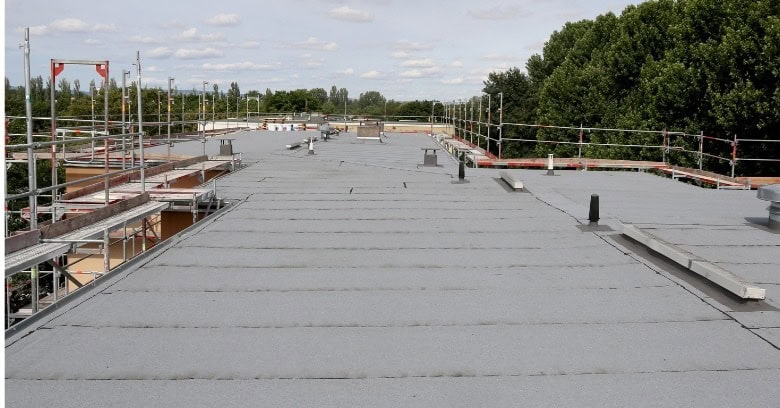
It’s laid over rigid insulation and fastened down mechanically or fully adhered, depending on the building and the deck underneath.
Where TPO roofing in Overland Park shows up
On homes, TPO usually covers the low-slope parts that shingles can’t handle: a porch roof, a sunroom, a garage, a dormer or an addition with a shallow pitch. Shingles need enough slope to shed water. Below that, water backs up under them, and a membrane like TPO is the right tool.
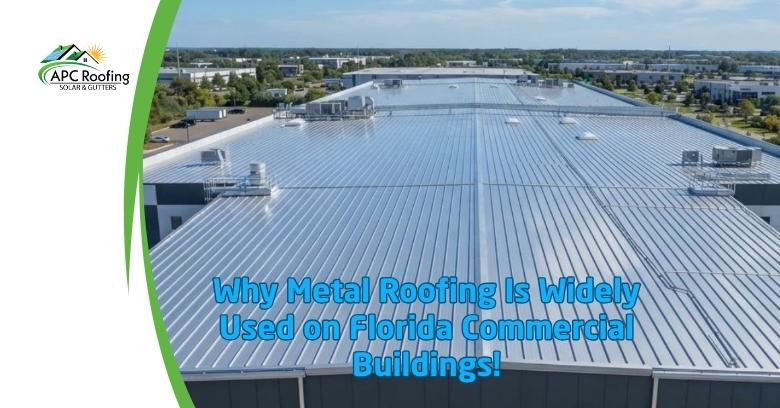
On commercial buildings, TPO is one of the most common choices for offices, retail and warehouses because of its reflective surface and welded seams. See our page on commercial roofing in Overland Park for the bigger picture.
How TPO handles Kansas weather
Summer heat. A white TPO roof reflects much of the sun’s heat instead of soaking it up. The roof surface stays cooler, the membrane ages more slowly and the rooms below can be easier to cool.
Hail. This is where Kansas gets hard on TPO. A new, flexible membrane over a firm cover board takes hail fairly well. An older membrane that’s gotten stiff with age can crack or puncture where a stone hits, especially over soft insulation. Hail marks on a flat roof are hard to see from below, so an inspection after a big storm is worth it.
Cold. TPO stiffens in cold weather. That doesn’t hurt it on the roof, but it does affect when and how repairs and installs can be done. Welding and adhesives have temperature limits.
Ponding. Water that stands for days after a rain stresses seams and collects dirt that dulls the white surface. In winter it freezes and adds weight. Good drainage matters as much as the membrane itself.
Thickness and attachment
TPO comes in several thicknesses, commonly measured in mils. Thicker membranes give more material to wear before the reinforcing scrim is exposed and stand up better to foot traffic and hail. On a home’s porch roof that rarely gets walked on, a standard thickness can be plenty. On a commercial roof with heavy service traffic, a thicker sheet and walkway pads make sense. You’ll hear which fits your roof and why.
Where TPO roofs leak
Most TPO leaks come from a few places:
- Seams that weren’t welded fully, which can open as the roof moves through hot and cold seasons
- Flashing at walls, curbs and pipes, where the membrane turns up or wraps around a penetration
- Punctures from dropped tools, foot traffic or hail
- Edges where the membrane meets a shingle roof, a gutter or edge metal
On homes, the spot where a TPO porch roof ties into the shingles of the main roof is a common trouble area. The order of layers there decides whether water sheds over the joint or runs under it.
Repair or a new TPO roof?
A clean puncture or a short seam failure on an otherwise healthy roof can usually be repaired with a heat-welded TPO patch. Our flat roof repair in Overland Park page covers those fixes.
Replacement is the better call when the membrane has gone brittle, seams are failing in several places or the insulation underneath is wet. Wet insulation doesn’t dry out under a sealed membrane, so it has to be found and removed.
TPO vs. EPDM
Both are proven flat-roof membranes. TPO is usually white and reflective with welded seams. EPDM is a rubber membrane, usually black, with taped or glued seams, and it stays flexible in the cold. The right choice depends on your roof, its drainage and how it’s used. You can compare on our EPDM roofing in Overland Park page.
How it works
- Book your free inspection. Call 913-398-5020 or request a free online estimate.
- Get a clear, honest assessment and estimate. You’ll hear the condition of the membrane, seams, flashing and drainage, and whether a repair or a new roof makes sense. Financing is available through Aqua Finance, Fortifi, Hearth and Home Run Finance.
- The work gets done and the site gets cleaned up. The crew finishes the job and cleans up before leaving.
A small seam opening lets water reach the insulation a little at a time. Fixing it while it’s small costs far less than replacing a soaked roof.
TPO roofing questions
Can a TPO roof be repaired?
Yes. TPO patches are heat-welded to the existing membrane, which makes a strong repair as long as the old membrane is still in reasonable shape.
Is TPO a good choice for a porch roof?
Often, yes. It’s a common fix for low-slope porch and addition roofs where shingles keep leaking.
Can TPO go over my existing flat roof?
Sometimes, if the existing roof is dry and codes allow another layer. If there’s wet insulation, it has to come off.
How do I know if hail damaged my TPO roof?
Hail marks on TPO can be small cracks, punctures or dents in the insulation below. An up-close inspection is the only reliable way to tell. If you file a claim, you pay your deductible, and we document the damage and work with your adjuster.
Book your free TPO roof inspection
Call 913-398-5020 or start your estimate online. You’ll know where your flat roof stands, and you’ll get a dry porch, shop or office out of it with no surprise on the bill.