You’ve picked metal for your next roof, and now you’re comparing installation quotes that list the same panel but don’t explain much else. It’s hard to tell from a one-page estimate whether you’re getting a roof that will stay quiet and dry for decades or one that starts leaking around the screws in a few years.
That gap is real, and it’s mostly about installation. The metal itself rarely fails first. The details around it do. Before you sign anything, you deserve to know what a careful metal roof installation includes and what to ask for in writing.
APC Roofing is GAF Certified, licensed and insured, and we’ve been installing roofs since 2017 across Central Florida, the Daytona Beach area, the Kansas City metro and Springfield, Missouri. Your inspection and estimate are free. Call 866-995-0704 to get started.
Why metal roof installation is different
Metal moves. A long steel panel can grow and shrink by close to a third of an inch between a cool morning and a hot afternoon. If both ends are pinned tight, that movement has nowhere to go, and over thousands of daily cycles it works fasteners loose or ripples the panel.
A good install plans for that. On a standing seam roof, clips let each panel slide. On an exposed-fastener roof, screws have to be set at the right depth and land in solid wood. Most of the difference between a metal roof that lasts and one that keeps needing repairs comes from decisions like these, made on installation day.
It starts with the deck
Long, flat metal panels show every dip and bump under them, especially when the sun hits at a low angle. Before panels go on, soft or damaged sheathing should be replaced and high spots corrected. Once the roof is on, any waviness from a bad deck is there to stay.
If you’re putting metal over an existing roof where that’s allowed, it’s still worth opening a few areas to see what’s under there. A soft spot found later costs far more to fix than a sheet of plywood costs now.
Underlayment made for metal
Metal panels get hot. Basic felt paper isn’t the right product under them. A synthetic or self-adhering underlayment rated for high temperatures is.
In the Kansas City metro and Springfield, where ice can form along the eaves in winter, a self-adhering ice barrier belongs along the lower edge of the roof, extending past the line of the exterior wall. On a low-pitched roof or one with deep overhangs, that can take more than one row of membrane, which is exactly why it gets short-changed on low bids.
In Florida, the bigger concern is wind-driven rain during hurricane season. Underlayment is your backup when wind pushes water sideways past the panels, so the quality and attachment of that layer matter here too.
How the panels are attached
Ask your installer which system you’re getting and how it’s fastened.
Concealed-fastener panels like standing seam metal roofing ride on clips hidden under the seams. The clip type and where each panel is pinned are engineering choices, not defaults.
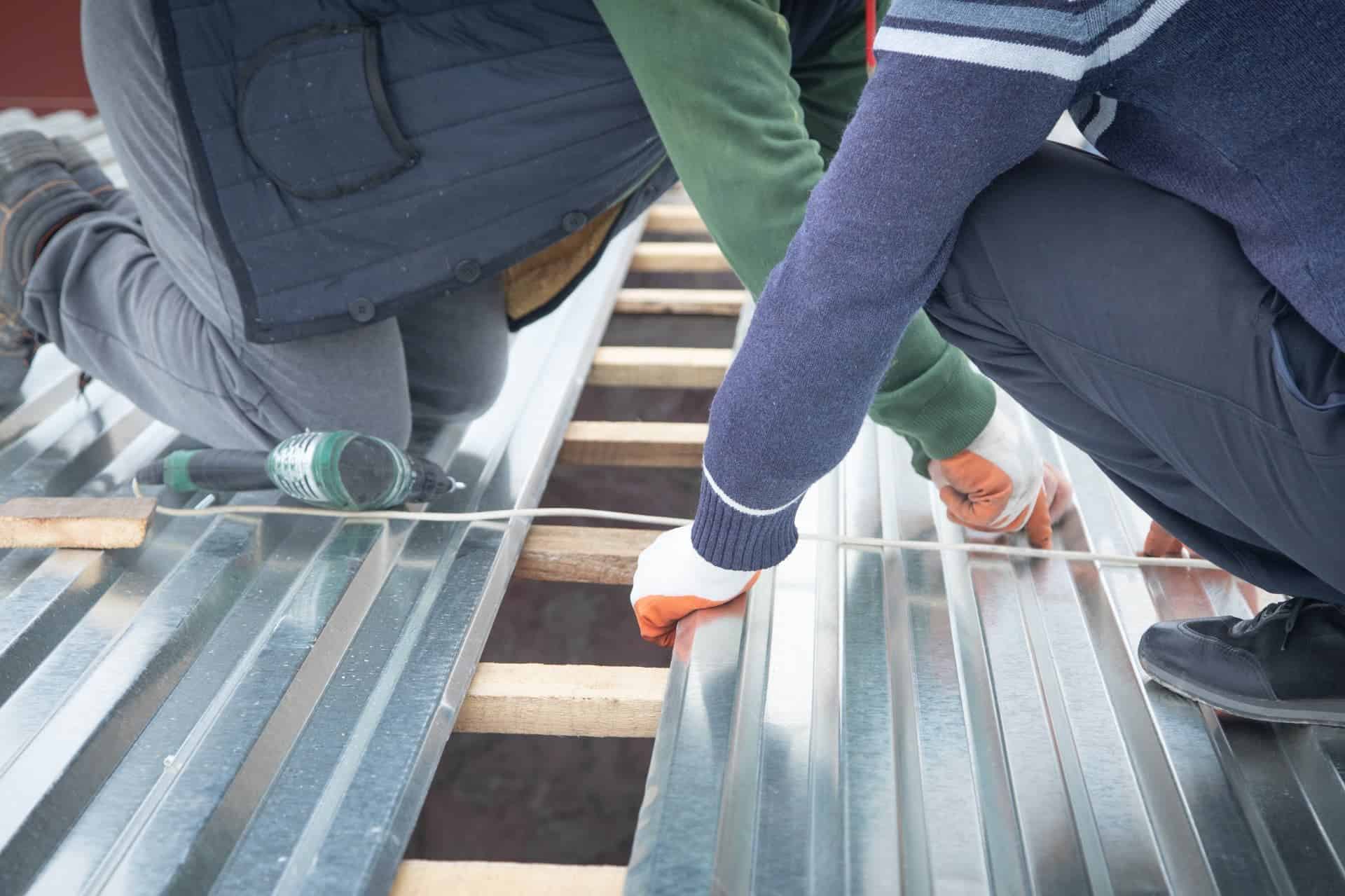
Exposed-fastener panels like corrugated metal roofing are screwed through the face. A screw driven too tight crushes its rubber washer. One driven too loose never seals. One driven at an angle does both. The right drill settings and a careful crew make the difference.
Wind pulls hardest at the edges and corners of a roof, so fastening along the perimeter deserves extra attention. That’s where wind failures usually start.
Cutting, metals and the small things that cause rust
Metal panels should be cut with shears or a nibbler, not an abrasive saw blade. Hot filings from a saw land on the painted surface and rust into permanent orange specks.
Different metals also need to stay apart. Copper, some treated lumber and bare steel fasteners can corrode a coated steel or aluminum panel where they touch it. Near the coast around Daytona Beach, salt air speeds that up, so matched fasteners and trim matter even more there.
Flashing is where metal roofs leak
Every eave, ridge, hip, valley and wall, plus every pipe that comes through the roof, needs formed metal flashing and the right closures. Sealant can support a detail. It can’t replace one.
Closures at the ridge and eaves look like a minor part, but a missing one lets wind-driven rain travel uphill under the panel and show up inside on a day that didn’t seem stormy. Valleys need to be wide enough to carry water from two slopes at once.
What to get in writing before installation
Ask your installer to spell out:
- Panel type, profile and gauge
- The paint finish and the metallic coating under it
- Underlayment type, and where ice barrier goes if you’re in Missouri or Kansas
- Which flashings are new and how valleys and walls are detailed
- How the deck will be checked, and how replacement decking is handled if it’s needed
A specification like this is how you compare two metal roof installation bids fairly. It’s also what you’ll lean on if a question comes up years later.
How it works with APC Roofing
- Book your free inspection. Call 866-995-0704 or request a free online estimate.
- Get a clear, honest assessment and estimate. We look at your deck, roof shape and current roof, show you photos and give you a written estimate with the details above.
- Get your roof installed and the site cleaned up. The crew installs your metal roof and leaves your property clean.
Financing is available through Aqua Finance, Fortifi, Hearth and Home Run Finance. If you’re still deciding between metal types, start with our metal roofing overview.
Metal roof installation questions
How long does a metal roof installation take?
Metal usually takes longer than a shingle roof, because the panels, trim and flashing are measured, cut and fitted piece by piece. Roof size, shape and weather all play in. Your estimate will include a realistic timeline for your house.
Can a metal roof go over my old shingles?
No. APC Roofing always tears the old roof off first. That gives us the chance to check and fix the deck before the metal goes on.
Do I need a permit for a metal roof?
Most re-roofs require a permit, and the work gets inspected. Your roofing contractor should pull it.
Will a metal roof affect my homeowners insurance?
It can. Some insurers give credit for impact-rated or wind-rated roofs. Call your carrier before you choose a product and ask what they recognize.
Start with a roof that’s built to last
Most installation mistakes don’t show up for a few years, and by then they’re expensive to undo. Getting the details right the first time is the cheapest way to own a metal roof.
Call 866-995-0704 to book your free inspection, or start your estimate online. You’ll know exactly what’s going on your house, and you can stop worrying about the next storm.