Trying to Find Storm Damage Roofing on a Property in Lee's Summit Missouri?
APC Roofing walks a slope after a hard night outdoors, reading the flashings and the vents along the way.
Reach us at 913-398-5020 and describe what you are seeing from indoors.
A Roof Shaped by Moving Air: a Pattern in the Corners
Along the eaves, the rakes and the ridge the force runs highest, and a wide open middle takes far less punishment. Air that gets under a raised lip pries at the shingle set above the lip, so a lone nail beneath a shingle bears a following blast unaided.
A house corner throws wind into small eddies, so a tighter attachment pattern goes into that area during installation. A row of shingles at that outside edge carries more push than a row set farther out, and a crew's added fastening there answers exactly that need.
A Roof's Quiet Final Step – Easy to Miss
Every shingle carries a strip of sealant that fastens down to the course beneath, and a firm hold forms there, doing much of the work, not nails alone. A sharp gust can tear a bond apart across a length of roof, yet a parted shingle looks the same for now.
A broken seal stays hidden until the wind picks up again, and rain then reaches nail heads left bare for the first time. A single shingle off a bond hurts nothing taken alone, but a long band of parted shingles turns into a way in.
The Rating on a Bundle: Worth a Second Look
Technicians secure factory-fresh material to a sample and close every seal, after which a fan runs air over the surface at a set rate. A roof that has carried several seasons of weather no longer acts like unweathered shingles straight off a supplier's truck, which is why that rating fits day one and nothing after.
A fastener placed high of the nailing band grips a smaller area than a maker intended, and a section can then give way at a wind speed below the figure on the wrapper. An aged mat loses flexibility a new mat still carries, so a laboratory finding means less with every passing season.
Hail and What a Strike Leaves: More Than a Dimple
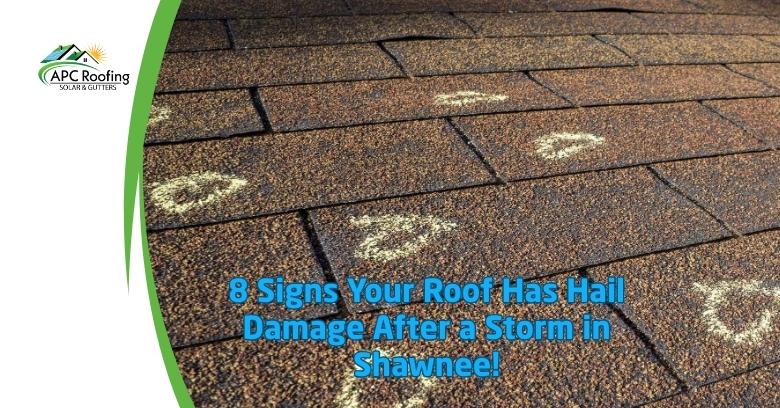
Storms crossing the colder end of our territory carry the largest stones, and a few minutes of that can change a covering for good. A hit presses the mineral coat into the mat sitting beneath, and a dimple stays on a shingle after a storm passes.
A shingle blocks water through an inner core, not the shingle's own face, so damage that deep counts as structural, not cosmetic. A struck shingle weathers faster than a sound shingle nearby, so a covering with widespread hail damage develops trouble in scattered places.
What Else Takes a Beating – a Second Place to Look
A hit the asphalt handles fine dents soft metal beside a struck slope, because bent material never straightens back out without help. A collar broken by a strike quits sealing where a pipe passes through a roof, and the water that follows shows up in a room below. Dents along a gutter's face seldom stop a gutter from doing a full job, but a flattened downspout holds a run's water behind a flattened point.
A roofer counts hollows in the flashing the same way a roofer counts marks on a slope, and every mark gets photographed along with the shingle damage. Dented metal parts rarely turn up where the asphalt above escaped unharmed, and the state of that hardware often hints at how hard the shingles were struck.
What Ends Up in a Downspout – a Sign With a Source
Small stones pressed into a shingle's face shield the material beneath the surface, and exposure without that finish shortens a shingle's working life. A storm's runoff moves dislodged grains into the trough at the eave, and a heap of sand there says a great deal about the slope above.
An uncovered patch of shingle weathers far faster than a covered one, which is why small failures on a slope tend to add up. A drift of grit at a downspout fell from the roof plane overhead, and the quantity found says something about how hard a storm hit.
Driven Rain on a Slope: Why a Sound Roof Still Drips
A shingle's lap directs a vertical descent down across the surface, which is why angled weather overwhelms defenses built only for a plumb, downward arrival. Off-ridge vents let spray past open baffles once wind picks up, which reads indoors like a fault in the shingles that is not really there.
A Heavy Bough on a Roof: Worth Opening Up
Sudden momentum drives an entire mass through one narrow point of contact, so structural members absorb the shock directly. Sheathing under a strike can split while the shingle above shows only a graze, and a roofer finds the break by tapping the deck and by checking from the attic.
A branch dragged across a roof by wind scours curved tracks through the granules, and the outline stands out clearly once the pattern is known. Fixing a split board means taking the covering off above the split, and the finished patch ends up wider than the mark visible above.
Reading the Underside of a Deck: Seen From Below
Open sky glimpsed from within means a piece of the covering is gone, and the location is clear well before anyone climbs onto the roof. Water leaves brown tide lines across the underside of a panel, and following that mark upward usually leads to where water first got in.
A sunken patch in loose fill points to a regular drip somewhere overhead, and material packed down that way stops insulating long before the fibers look worn. A gable vent can let driven rain reach framing well away from any break in the covering, and the answer in that case is a baffle behind the slats, not a repair to the surface.
Evidence Inside the House: Signs Worth Tracing
Discoloration overhead turns up well beyond the leak, not right next to the start, because the flow often runs along a rafter for some distance before falling. Bubbling up above means the finish has separated from the board beneath, which is why nobody should judge a covering by what shows up below.
Water reaching a ceiling fan is reason enough to cut power to that circuit, so nothing indoors gets touched until the switch is confirmed off. Wetness along a wall below a chimney tends to follow the masonry closely, so counterflashing set into the mortar gets a close look in a case like that.
The Metal Details on a Roof: What Wind Tests First
The wall component depends on staying lapped correctly as well as anchored firmly, and a failure at either point alone can let rain through. A blast under the drip edge at a gable can fold the flange upward, which turns a small opening into a bare run of exposed flashing.
Caps at the summit of a roof are unshielded on either side of the peak, and the seam stays unsealed the entire distance the instant that connection fails. A vent lifted at one end leaves a slot running the length of the piece, which wets structure over a much longer run than the opening suggests.
Openings for Daylight – Where Leaks Start
Every skylight frame stands taller than the surrounding shingles, and shingles lap onto the sides of that structure in order. A direct knock can craze the outer pane of the unit while the inner pane stays sound, so lifting the adjacent courses becomes part of that job.
A hard hit on a dome can leave a crack right at the point of impact, and a small fracture can widen with every hot afternoon that follows. Cloudiness inside the glass is a broken seal, not everyday dirt, so the affected section is exchanged for a sound one.
Swamped Within Seconds – Watching the Overflow Point
A cloudburst can push more water at a trough than that trough can hold, which sends standing water toward the wall rather than clear of the house. Leaves and grit washed off a roof can choke the drain opening at the point of collection, so weight from that backup can pull at the brackets holding a length in place.
Not the Final Answer: Made to Stay Put
A sheet fastened over an opening can keep rooms dry while a proper fix waits, so nobody should mistake that covering for a completed repair. A covering anchored on both faces of a slope moves water the way overlapping courses would, and screws for that step land in framing, not merely in the covering.
Bricks or blocks stacked on a loose sheet rarely survive a second storm, and debris from that failure can end up scattered across the yard. Nailing a cover to a clean slope adds unnecessary work down the line, and fastening for a cover stays confined to the area already broken.
Putting Findings on Paper – a Straightforward Description
Every affected area gets photographed before anything is disturbed, and every face of the house gets included in that record. Dimensions get written down beside each damaged spot on a visit, and a ruler answers what the eye alone cannot.
Weather keeps working on an open roof within days of a storm passing, so waiting even a little loses detail nobody can get back afterward. A request for documentation gets the same file kept on hand, so both sides end up looking at the identical account.
New Faces After the Damage: Worth a Second Thought
Vehicles with out-of-area plates can work a neighborhood for days after a big storm, but not every outfit working the area is a problem. A document filled out on a porch becomes a binding paper on the spot, so a careful reader takes that stack of pages inside before making any commitment.
A contractor whose office sits nearby stays reachable long after the work is done, and a fresh look stays possible if new facts turn up. An offer that expires while a truck sits in the driveway is not a real offer, and a reliable roofer has no trouble giving a homeowner time to decide.
A Repeat Performance: How the Setbacks Multiply
A slope carrying broken seals meets the next gust already at a disadvantage, and a lighter storm can then do what a harder one did before. A shingle bent back far enough to crease keeps a permanent line across the whole width, and water can find that same flaw on a future occasion.
A second wave of runoff can travel past a roof deck and straight indoors, and the list of materials still needing work can lengthen quickly. Cycles of swelling and drying can open the layers inside a panel, and covering over material in that condition wastes the new stock used.
Things Worth Checking After a Storm – a List for a Homeowner
- Tabs missing, creased or turned up along a rake, easy to spot from a sidewalk.
- A dimpled fascia cover or downspout, still evident long after weather has passed.
- Granules washing out where a gutter empties, gathering again within a few weeks.
- Sky seen through the boards overhead, best looked for at midday.
- Discoloration that widens with every downpour, in any room below the roofline.
- Staining on both sides of a chimney chase, strongest on the side wind blew from.
- Water standing on the inside of a skylight frame, on any unit facing the weather directly.
- A gutter hanging away from a fascia board, anywhere along that run.
How APC Roofing Goes About Storm Damage Roofing in Lee's Summit Missouri – A Closer Look
The first steps happen at ground level, watching the yard for debris before a ladder comes out, and dented gutters or downspouts get photographed up close from below. Every roof plane gets covered wherever the pitch allows safe footing, while the underside of the deck gets a separate look from below.
Everything found gets photographed, measured and put into a written report, and each page gets built so a reader can trace every point on the house. The advice gets explained, not simply stated as a conclusion, and the choice of what to do next belongs entirely to the homeowner.
Storm Damage Roofing for a House in Lee's Summit Missouri: Getting a House Sound Again
Call 913-398-5020 to arrange a visit.
A Slope Massed With Snow – A Roof Under Extra Demand
At the colder end of our territory, a big accumulation rests on the structure for days, and rain soaking into the pile adds weight that dry powder never carried. Frozen runoff at the roof's edge can pond meltwater on the slope, and a ceiling near the outside wall can stain as a result.
Wind at the colder end of our territory packs snow into valleys and around chimneys, and one section can carry many times what the rest of the roof holds. Material breaking free can damage anything sitting beneath the eave, so keeping the ground clear beneath that overhang is worth doing.
A Harder Environment Near the Shoreline: Fatigue Builds in Hardware
A house at the coastal end of our territory can face a gale from breakfast to dark, and exposed metal there can rust sooner than metal set inland. A load held that steadily can work fasteners loose in a way a brief burst never would, and fastening along the edges carries much of that extended strain.
Water thrown at a house again and again can test every joint in the building envelope, and interior cavities can stain as readily as ceilings do when that happens. Construction near the coast uses stronger edge details as standard practice, and repair work there follows that same stricter approach.
A Patch on an Established Surface: Close, Not Exact
Fresh bundles come out brighter than a covering long weathered outdoors, and the difference shows plainly in low, slanting light. A patch on a slope facing the street can read as a paler rectangle, which some homeowners accept and others would rather avoid.
When a specific line has been dropped, a similar design takes over that spot, and a substitute like that will never be truly identical. Where one face of a house carries too many separate repairs, a patchwork look sets in, and an even surface is often the whole point of a full redo.
The Completed Slope: Nothing Left Loose
New shingles settle smoothly into place once installation finishes, and the reveal of each course matches the courses nearby. New flashing gets woven into the shingles rather than smeared over the surface, which is what lets the whole assembly shed rain properly.
Nail heads stay out of sight beneath the next course laid over that spot, and the count per shingle matches the maker's specification. A dated photograph of a finished repair is worth a homeowner keeping on file, as that record gives anyone looking later something firm to compare against.
If a search for Storm Damage Roofing brought you here after a storm in Lee's Summit Missouri, contact APC Roofing at 913-398-5020 to have the shingles looked over in person. What is up there gets inspected, measured and photographed in full, and what happens next gets explained in plain language.
Verified

Verified