Trying to Find Roofing Companies in Lee's Summit Missouri?
APC Roofing takes on jobs ranging from a basic checkup to a full replacement, across asphalt, metal and tile alike.
Reach us at 913-398-5020, and a roofer sets a time to come look at the house.
What a Roof Is Made Of: a Plain Guide
The topmost material is nothing more than the outer layer, and underlayment, decking and structural framing sit out of view. Bent metal covers the gap at a chimney, a pipe or a valley, and trouble nearby seldom means a failure in the surrounding shingles.
Ventilation in the attic ranks as one more working part of the roof, since trapped summer heat bakes the deck from underneath. A leak noticed inside can begin at any level of the roof, so attention paid only to the outside can miss where the water entered.
A Roof at Work: Behind the Shingles
A sloped covering sheds every storm's water downhill, while nails and seal strips resist the pull of gusts. Beams and boards carry the mass overhead, snow included at the colder end of our territory, and openings low and high let moisture escape the attic.
Water is a job for the covering, and wind is a task for the fastening, and holding the whole thing up falls to what is underneath. A weak link puts strain on the parts around the weak spot, so repairs target the root, not the visible mark.
The Smaller Details Up Top: The First to Weaken
Most of the slope is designed to hold up for decades, but a rubber collar at a vent pipe gives out far sooner. Runoff slips through and travels toward the room, and a stain appears on the ceiling below.
A line of caulk at a chimney shrinks with every hot season, and steel flashing corrodes from trimmed edges inward. Ridge caps split across the crease, since the crest takes more weather than the planes below.
What Appears Early: Before Anyone Climbs
From across the street, the profile of the roof exposes dips, sags and wavy planes, and the fascia and gutter runs are visible at the same time. Good binoculars show up torn collars, lifted tabs and bare patches, but a weak spot underfoot tells what optics cannot.
Crouched at each pipe, a roofer feels for gaps and traces the flashing along every wall, and the surface is checked for cracking, granule shedding and curled edges. A steep or wet roof is not walked, and a ladder at the edge serves as the lookout instead.
Behind the Ceiling: Signs Worth Finding
Discolored wood around a fastener points to water that beat the covering, and moisture felt by hand shows the water is still coming through. A pinpoint of sky through the boards marks a gap, and the position gets noted by measurement before anyone climbs.
Rust on the nail shanks comes from moisture in the house, not rain, and a matted, gray patch backs up the same story. Insulation stuffed into the eaves, or a bath fan ducted into the attic instead of outside, gets found only from inside, so a check from the ground alone leaves that kind of fault hidden.
The Follow-Up Paperwork: Kept for Reference
Findings arrive as photographs tied to specific places on the roof, and a caption states what each picture reveals. Good sections get the same plain treatment as sections that do not, and faults are ranked by how soon repair is needed.
A record saved from an earlier check sets a baseline for the next inspection, and how the covering is aging shows up better than a single day's reading. A roof tracked across each year brings few surprises, and a serious repair shows warning signs long before the work turns urgent.
Seasonal Shingle Maintenance: Practical Habits
Worn boots around the stacks get exchanged for new ones, and brittle beads at the walls get cut out and run again. Debris gets swept from the valleys and from the crickets, and the gutters get kept running and secured.
A lifted tab sealed down early stays a small job, but delay through the wet months lets water get in from below. Lichen keeps the surface damp and works in under the shingles, and a gentle wash clears the growth, since a pressure washer strips granules.
A Regular Routine: the Basics
A roofer should walk the roof once a year, timed for the point when local weather turns roughest. The purpose is catching wear before a leak develops, and repair work gets planned rather than rushed.
In the months between visits, a look from the driveway after high wind helps, and top-floor rooms are worth checking for fresh stains. Climbing to the attic hatch with a flashlight twice a year is a smart move: discolored boards, light through the deck and damp insulation turn up long before anything reaches the space below.
How Age Shows on a Roof: From New to Worn
A shingle surface in the first seasons looks crisp and even, and later in life the sun-exposed plane fades before the shaded side does. Close to the finish, corners lift and bald patches spread, and each fix soon fails again.
A reading from the ground supplies a fair estimate, but only a hands-on check settles the matter. Once shingles are spent, patching stops making sense, and an honest contractor states that plainly, rather than pitching another repair.
A Channel That Has Given Up: What Homeowners Should Know
The covering's job on water stops at the drip edge, and the gutter picks up the flow at the edge. A hanger that has given way tips the run toward the wall, and the framing at that spot decays.
A weak patch there usually traces to a stopped-up drain, not the shingles, and a fresh covering does nothing for a fault at the edge. The slope of every gutter and where each downspout empties get checked, and the drip-edge metal and the overlap at each joint get looked over as well.
Keeping Things Working Underneath: An Overview
Fresh air is meant to come in at the soffits and exit along the ridge, and that path carries heat and moisture out of the attic. With the opening closed, the attic turns hot in summer and clammy in humid months, and the deck and shingles suffer early.
Exhaust hardware installed with no matching intake draws conditioned air up from the rooms below, and a mismatched pairing at the ridge and gables can cut the draft short. A new covering placed over a poorly vented attic inherits the same fault, so a proper replacement addresses the same issue at the same time.
Roofing That Fits Where You Live: Set by What's Nearby
Where winters bite hardest at the colder end of our territory, ice at the edge shapes the details, and a waterproof membrane covers the bottom few feet of deck. On the coastal side of our area, storm winds set the nail pattern, and storm-rated trim metal and taped seams get called for.
In the hail-prone part of our range, at the colder end, a tougher product deserves a look, while sun and heat age coverings everywhere we work. Specifications follow the weather at the house, not routine, and not whatever a past project called for.
Homes and Shops: Split by Structure Type
Angle and overlap work together to move water off a pitched covering, and the material is commonly shingle, tile or metal panels. A store or warehouse shelters under a nearly flat, sealed membrane, and drains, scuppers and rooftop units sit built into that surface.
Plenty of residences include a shallow section over an addition, and shingles there tend to leak because water lingers before running off. A spot built that way needs a sealed membrane tucked under the pitched roof above, and another layer of shingles there brings back the same problem.
Covering an Open Roof: Done the Right Way
A barrier keeps rain off a hole before repairs begin, but a quick layer does not mend anything below. A properly installed cover wraps the ridge and gets pinned under wood strips, and the cover gets tensioned before the flapping starts.
A tarp needs to extend well beyond the break, because rain travels sideways toward a gap that stops short. Film left in place for months holds heat and humidity against the deck, and the shingles beneath start to deteriorate.
Vertical Joints on a Roof: an Explanation
Step flashing gets woven in with each course along a wall, and trim set higher up sheds water past that metal. A brick chimney gets an apron downhill and metal set in up each edge, and a broad stack gets a diverter built into the roof behind.
A smear of mastic over a bad patch opens up within a few seasons, and a proper tie-in, rebuilt from scratch, is what holds. Soft mortar lets water into the brick above the flashing, and part of that repair belongs to a mason, not a roofer.
Putting Requirements on Paper: Items to Expect
A signed agreement should identify the shingle, the underlayment and the metal by name, and the document states plainly whether the work is a tear-off or a layover. A solid outline sets a rule for any soft sheathing found mid-job, and the flashing, the exhaust work and the final cleanup all get covered.
Thorough scopes from rival bidders can be checked point by point, and the gaps between the two sets of paperwork come into view. A crew that asks for trust instead of anything in hand has left out the part that matters, and memory is a poor record of what got agreed.
What a Re-Roof Involves: What Changes at the House
Landscaping and paving get shielded before any tearing begins, and the worn material gets pulled loose and hauled away. With the old material gone, the plywood gets examined board by board, and any spongy spot gets swapped for new stock.
A protective membrane, new flashing and full underlayment get installed, and the surface material, the ridge caps and the vents close out the job. A magnet gets run over the lawn and the driveway when the work is done, and a last look confirms the gutters are clear.
Maintenance Beyond Asphalt: Details by Material Type
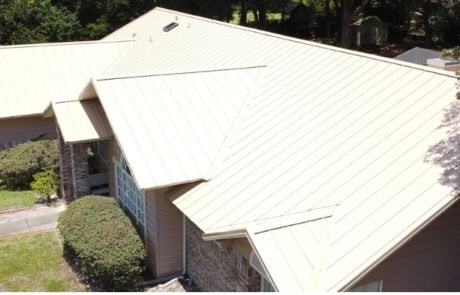
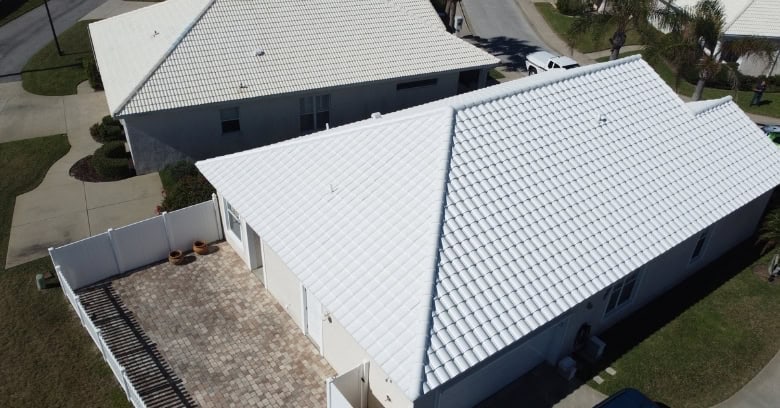
Screw-down metal panels depend on a gasket beneath each fastener, and a leaking screw gets paired with a fresh washer. Concrete and clay tile get installed by mortar, by foam or by mechanical attachment, and the underlayment handles the water, not the surface material.
A heavy step on an unsupported piece causes a crack, and a damaged unit gets lifted out and replaced with one of the same profile. A modified-bitumen or single-ply section needs the seams and any puddling checked, and clogged drains get cleaned out on a visit.
Things an Owner Can Spot: a Checklist
- Coarse grains washing out after every rain, long after the covering was installed.
- Shingle edges cupping upward, spread across more than one row.
- A split rubber collar around a plumbing vent, easy to miss without a zoom lens.
- A brown patch on upstairs drywall, close to an outside wall or a chimney.
- Light glowing between the planks, spotted during a flashlight check.
- Green growth along the north-facing side, holding moisture against the surface.
- A dip between rafters, new since the previous year.
- Gaps opening where flashing meets siding, easy to spot from the yard.
Roofing Companies Around Lee's Summit Missouri: APC Roofing, Step by Step
Before any advice gets given, a roofer goes over the whole covering and the attic, and the evidence comes back as photographs and the verdict in writing. What is holding up gets stated as clearly as what is not, and the homeowner decides what happens from there.
Roofing Companies Across Lee's Summit Missouri: Straight Answers About the Roof
Reach us at 913-398-5020 and set a time for a visit.
A Roof Timeline: Useful at Resale
Saving the install date and the product names on the invoice pays off later, and adding every inspection report to that folder grows the file. Logging each repair by spot and by task builds a fuller picture, and over time the pattern shows which areas keep needing attention.
At sale time, questions about the roof's age and history always come up, and a documented account settles the matter later. A copy kept at a second location protects the earlier notes, since a spill or a move should not be able to wipe out everything.
Signs of a Job Done Right: Points to Look For
Rows sit true across each plane, with tidy trimming at the gable edges, and no nail head shows on the finished surface. The wall joints carry new flashing, tucked to match the way water runs, and any sealant used is a neat bead, never a smear.
Intake and exhaust vents stay open and unblocked, and every gutter ends up hanging correctly. The property gets checked with a magnet for stray fasteners, and a light scatter of sawdust near any cut line rinses off a walkway in seconds.
Anyone who arrived looking into Roofing Companies in Lee's Summit Missouri is one step away from a straight answer. A call to APC Roofing at 913-398-5020 gets a date on the calendar. Every stop covers the full roof, top to bottom, with nothing left to chance.
Verified

Verified