Looking for Asphalt Shingle Roofing Around Kansas City Missouri?
APC Roofing puts down granule-surfaced coverings from the deck up, on a bungalow, a split-level or a colonial.
Reach us at 913-398-5020 and you will hear in plain terms what is needed.
Behind the Colored Finish – a Closer View
Each shingle is built on a fiberglass mat for strength, and asphalt spread over the sheet stops water, and a dense layer of crushed rock granules takes the glare.
Bundles that seem identical on the shelf can differ widely inside, and a heavier build generally adds years on a house. Hue is all a sample chip can show, while the maker's data sheet lists wind and impact ratings.
Comparing the Styles: Appearance and Build
A three-tab shingle is one thin layer with two slots cut into its lower half, and a slope covered this way shows even, repeating rows. An architectural shingle glues a shaped overlay onto a full-width base, and the offset design reads as depth from the street.
Laminated products carry more asphalt and weigh more per square, and listed wind classes are generally higher. Nails on a dimensional shingle go through the zone where the plies meet, and the manufacturer's markings set the target.
The Case for Strip Shingles: Sensible Settings
Three-tab regularly serves a workshop, a garage or a porch, and an addition can blend with an older covering of that type. Selection has shrunk, since many brands have trimmed that style, so an exact replacement can be hard to find.
Uneven plywood is less noticeable under a dimensional product, while a thin strip follows every undulation. Either style goes over the same underlayment and flashings, while everything that differs is on top.
Mineral Grit and Aging – Early and Late Stages
Excess grains from the factory rinse off in the opening rains, and that is no cause for concern. When an older covering sends piles of grit down the spouts, its mineral shield is wearing thin, and exposed asphalt turns brittle and splits.
Southern and western slopes absorb the hottest light, and bald spots usually show up there ahead of the rest.
Self-Sealing Designs: Early Weeks
A narrow glue stripe runs across every shingle, and bright sunshine activates it so the row above clings. Adhered courses keep their bottom edges down in a gust, while nails hold every shingle for its whole life on the house.
At the colder end of our territory, shingles laid in late fall may not seal for weeks, and strong wind may raise tabs in the meantime. Makers' directions cover this with cement placed by the installer, and each package shows how much to use and where.
Securing Each Course – Why Accuracy Counts
Nails land in a slim target stripe laid out by the manufacturer, where each shank pins the row below as well. Most shingles take four fasteners apiece, and six are required on steep slopes or in high-wind areas.
A nail driven high pins one layer instead of two, an overdriven head slices the fiberglass, and a crooked shank makes a bump that wears through the shingle above it. Every wind rating on a wrapper presumes the pattern was met, and a pneumatic tool set wrong makes the same mistake again and again.
What Supports the Covering – Before New Courses Go On
Shingles are fastened to a deck of plywood or OSB, and every fastener needs solid material there to hold. Older houses sometimes keep the gapped boards once used under shakes, and full sheathing is added on top before any shingles.
During a tear-off, weak or water-damaged pieces are swapped for sound ones, since decayed material lets go of whatever is driven into it. Panels go down with a narrow space along each joint, because swelling in damp seasons buckles anything laid too tight.
A Backup Barrier – What It Does
Shingles never go straight onto bare decking, since a water-resistant membrane comes between, and it goes down in horizontal runs that lap downhill. Synthetic material has taken over from traditional felt on most jobs, because the newer product weighs less, tears less easily and lies flatter.
Water blown under a lifted tab runs down the membrane to the gutter, though sunlight breaks it down if it stays exposed too long.
Self-Adhered Eave Membrane: Width That Counts
At the colder end of our territory, heat leaking from the house thaws the snow on the upper slope, and a frozen band builds along the chilly lower edge. Standing water behind the buildup finds its way beneath the shingles, and standard felt or synthetic sheet does not close around the nails.
Colder-market codes call for a peel-and-stick membrane along the lower edge, and it is carried upslope far enough to clear the heated part of the house. Across every part of our service area, valleys and skylight curbs frequently get it too, because those junctions carry heavy flow.
Where the Deck Ends – A Code Item
A metal drip edge wraps the eaves and the rakes, and the lip carries water clear of the fascia. Down low, the flashing is installed before the underlayment, while on the gable ends the sequence is flipped.
A modern code commonly calls for edge metal along every border, because runoff can cling and curl back toward the wood.
The Launch Point of Each Plane – Rakes Too
A purpose-made starter strip lines the bottom of every slope, so the sealant is positioned right at the lip. A reversed field piece puts its sticky band too far up, and nails alone then keep the lowest tabs from lifting.
Many manufacturers call for starter along the rakes as well, because wind catches the outer margins along with the eaves.
Drainage Between Planes: Debris and Flow
An open valley shows a strip of metal running down the crease, and the closed-cut approach laps one side across and trims the other straight. A woven junction interlaces rows from both planes, which works with three-tab, but most laminated shingles are too stiff for that.
Nailing close to the fold is avoided, while a self-sealing sheet runs beneath from top to bottom. Debris packed into a valley stays damp long after rain ends, and diverted water can work under the neighboring courses.
Tie-Ins to the Structure: Steering Water Past
Along a sidewall, a bent L-shaped step flashing is woven in with each course, and the exterior finish hangs down across the standing half. At the low corner by the house, a kickout piece bends outward, and skipping it sends water into the studs.
Around a chimney, step pieces line the sides, an apron covers the front and counterflashing is set into the masonry, while a wide one gets a small peaked cricket behind it.
Where Drain Lines Exit – Sequence and Laps
Standard boots join a flat metal or plastic plate to a rubber sleeve, and the sealing ring stiffens and cracks as it weathers. The top portion of the flange goes under the uphill shingles, and the exposed foot lets water pass over rather than behind.
Collars often crack while the surrounding field still has years of wear left, and new boots are standard whenever the shingles are replaced.
Along the Peak – Vents Beneath
Cap shingles straddle the ridge and run down every hip, and makers of two-ply lines sell a purpose-built companion. Tabs sliced out of flat strips are far thinner, and in winter at the colder end of our territory the fold is prone to cracking.
A continuous ridge vent frequently lies under the cap row, so the nails must be long enough to pass through it and bite the sheathing.
Attic Airflow: Common Problems
Soffit vents are where outdoor air is supposed to enter, and the ridge releases it. Loose-fill insulation piled into the corners can smother the flow, and rafter baffles preserve a clear route.
A stuffy attic adds heat beneath the deck, while it also collects damp air from cooking, bathing and breathing. Across the colder end of our territory, a crust of frost builds on the nail points, and the water runs down as the day goes on. Combining different exhaust types can make one vent pull air in through another, and the soffits stop doing their job.
Local Extremes: Wind, Sun and Winter
Our service area stretches from high plains to subtropical towns, and the strain on asphalt shifts with the setting. At the coastal end of our territory, big storms off the ocean send steady wind across a house, and makers publish a tougher fastening pattern for that exposure. Strong sun, season after season, makes the coating brittle, while muggy weather encourages dark streaks.
At the colder end of our territory, each overnight freeze works on any opening, and packed snow sits on the slopes for days.
Pelting From Above – Marks on the Surface
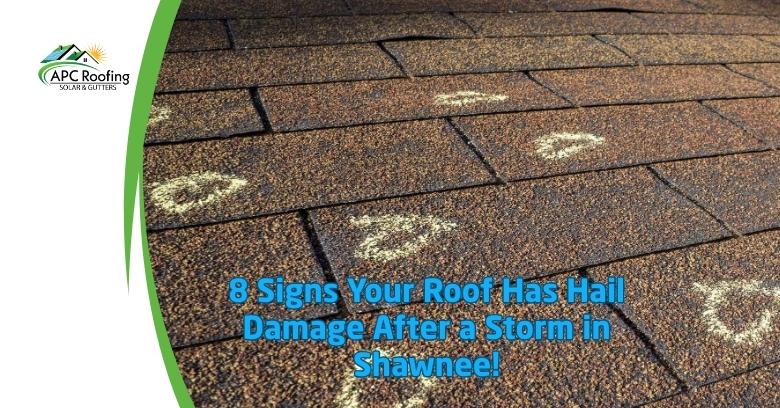
At the colder end of our territory, hail comes through often enough to plan around, and several makers build shingles meant to take the hits. A strike strips the coating from a spot about the size of the stone, and a heavy blow may fracture the fiberglass below.
Manufacturers earn an impact rating by dropping steel balls onto test panels, and the better lines survive rough treatment more often. Modified asphalt with added rubber is used by several makers, so the surface gives a little under a strike.
Blowing Weather – The Damage Done
Uplift concentrates at the outer margins and the corners, and a shingle no longer stuck down lifts again and again. Bent up past a certain point, a tab takes a crease across it, and the damaged spot stays weak for good. A shingle hurt like that is replaced with a new one, while a loose but unharmed one takes a few dabs of cement.
Gaps where tabs tore away expose the membrane to sunlight, and ultraviolet light breaks that layer down quickly.
Living Things Up Top – Cleaning Without Harm
Blackish trails are colonies of algae, and the microbes draw on limestone in the coating. At the humid end of our territory, the shady side of a building is where it spreads, and the stain itself is mostly a cosmetic problem.
Moss behaves differently, soaking up rain like a sponge, and it works under the edges and raises them. Power washing tears granules loose as it goes, so a light misting of a purpose-made solution is used instead. Some lines carry copper in the top layer to resist algae, and a zinc strip near the peak slows regrowth on an older covering.
Shade and Color: Looks and Lots
A black or charcoal covering absorbs more of the sun's energy, and lighter shingles reflect more of the light. Certain companies make granules designed to scatter infrared rays, and a tested reflectance figure goes with them.
A pallet from one batch can look a touch off from another, and the recommended practice is to shuffle packs during installation. Variegated patterns make those changes hard to see, while a uniform finish lets them stand out.
Climbing Onto the Courses – Frost and Footing
A sun-baked covering loses its firmness, so a shoe sole scrapes away grit. At the colder end of our territory, frozen tabs split beneath a person's weight, while frost at dawn makes the footing treacherous.
Owners do best to stay off the ladder altogether, and a look from across the street tells a great deal.
Laying Over the Old Covering: What Gets Missed
A re-roof over a prior roof is legal in many towns, as long as there are not already two and the base is sound. The current shingles stay on top of the decking throughout the job, and damaged sheets end up sealed beneath the added material.
An uneven base gives the new shingles a wavy face, and weathered flashings are often reused rather than replaced. A second layer's load sits on framing chosen decades ago, and every nail must travel through the old material before it grips.
Signs on the House – When to Call
- Coarse granules wash onto the splash blocks, and the drifts get deeper each season.
- Pieces are missing and bare underlayment peeks through, which tells you the glue line failed.
- Courses have started to buckle and warp, which happens as the oils bake out.
- Tabs show fine breaks from edge to edge, and the mat underneath takes on water.
- Dark, smooth patches appear on the surface, where the stone coating has worn off.
- A rubber collar around a vent pipe has split, so moisture can track down inside.
- Flashing at a chimney has lifted off the brick, and wind-driven storms can get behind it.
- Paint bubbles on a top-floor ceiling, and the source can lie well uphill of it.
How APC Roofing Takes On Asphalt Shingle Roofing in Kansas City Missouri: Findings You Can Use
An inspection begins with a walk across each slope, and the details at every valley, vent, flashing and edge are read. From inside, the attic is searched for water stains and pinholes of light, because darkened wood marks where water got in.
Anything wrong is photographed, and its size is measured. The findings are written up in plain language, and each recommendation carries its reasons. A small fix is described as small, and a failing covering is not dressed up. Which way to go is up to the homeowner, be it a repair, a replacement or no work yet.
Asphalt Shingle Roofing Across Kansas City Missouri – Inspected, Photographed and Explained
Dial 913-398-5020 and describe what you are seeing.
Small Fixes and Full Jobs – Matching Old and New
A cracked boot, loose flashing or a handful of torn tabs is routine repair work, while the surrounding shingles are left alone. Even the same color from the same maker looks different once the old shingles have weathered, while the exact style may no longer be made.
Stiff, dried-out shingles split when raised for nailing, and one fix can turn into several. If hard, curled courses run from eave to ridge, a new covering is the sensible answer.
Useful Lifetime: Care Along the Way
Flat three-tab designs usually run fifteen to twenty years, while dimensional ones often manage a decade more. Ventilation, exposure and fastening decide where a given covering lands, and heavy weather can end the span ahead of schedule.
Checking the flashings and pipe seals now and then is sensible upkeep, since spotting a fault quickly keeps the damage small.
If you are thinking about Asphalt Shingle Roofing in Kansas City Missouri, phone APC Roofing at 913-398-5020. Every slope, edge and flashing gets a close look, and the findings reach you in writing so the decision stays yours.
Verified

Verified