
Your roof is getting old, or a spring hailstorm just left dents in the gutters and a pile of granules at the bottom of the downspout. Now you’re comparing shingles, and every salesperson says theirs is the one to buy. You want to know whether architectural shingle roofing in Kansas City is worth it for your house, and you’d like that answer from someone who isn’t rushing you.
Being careful here makes sense. A new roof is one of the bigger checks you’ll ever write for your home, and you’ll live under the decision for a long time.
APC Roofing is a GAF Certified roofing contractor, licensed and insured, and we’ve been in business since 2017. Your inspection and estimate are free. Call 913-398-5020 and we’ll come take a look.
What makes a shingle “architectural”
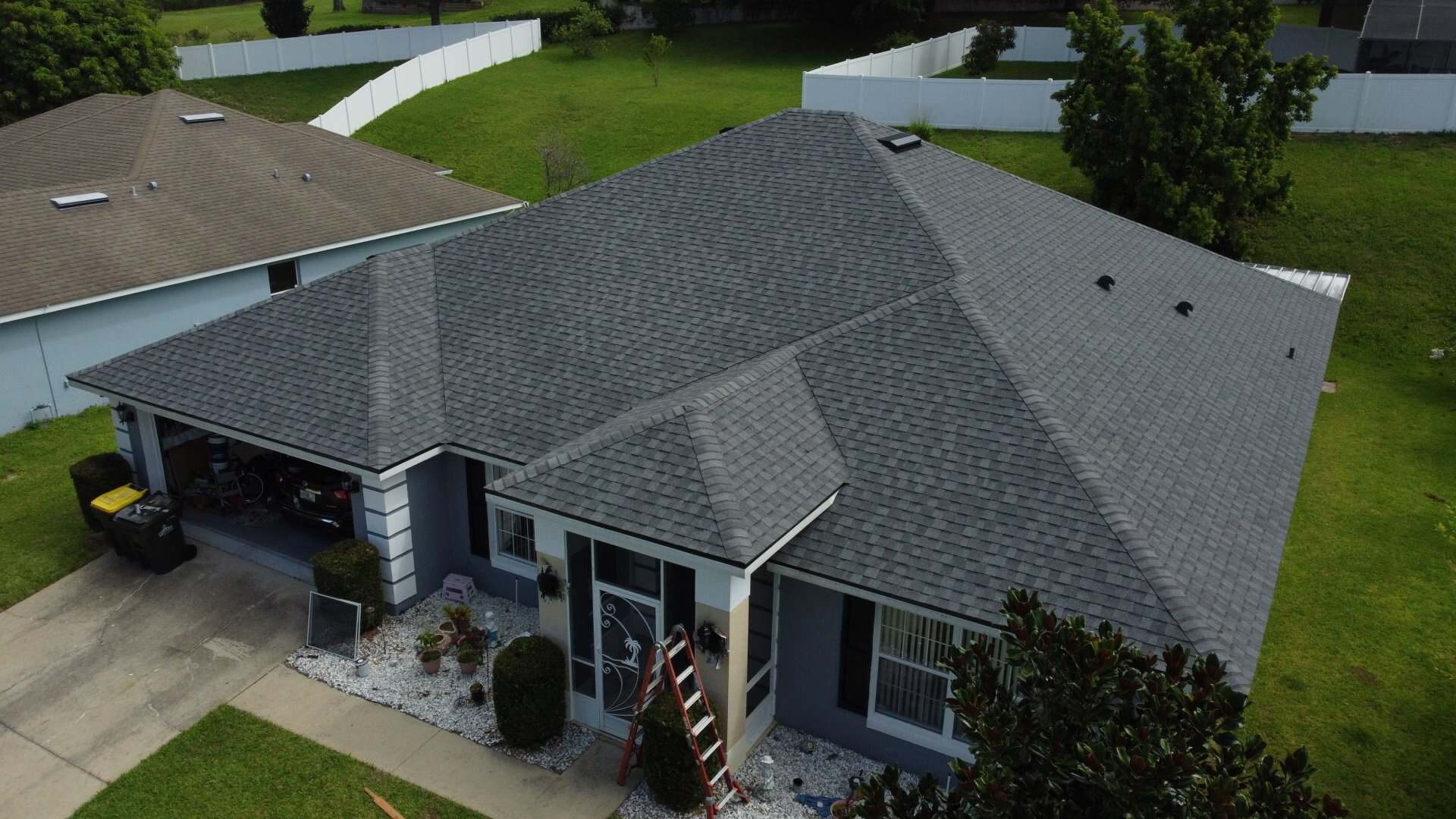
An architectural shingle (you’ll also hear “laminated” or “dimensional”) is two layers of asphalt shingle bonded together. The bottom layer is a full strip. The top layer is cut into uneven tabs, so the finished roof shows shadow lines and depth instead of the flat, even rows you see on an older 3-tab shingle roof.
That second layer does more than change the look. Architectural shingles are thicker and heavier than 3-tab, and most carry higher wind ratings from the manufacturer. The uneven pattern also hides small dips in an older roof deck that a flat shingle would show.
Architectural shingles are now the standard choice for most new shingle roofs. Many manufacturers have trimmed their 3-tab lines, so if you’re replacing a 3-tab roof, this is usually where you’ll land anyway. You can compare every shingle type we install on our Kansas City shingle roofing page.
How architectural shingle roofing in Kansas City handles the weather
Hail
Spring and early summer storms across the metro bring hail often enough that most homeowners have a story about it. When a stone hits a shingle, it knocks granules loose and can bruise or crack the mat underneath. A thicker shingle takes a hit better than a thin one, but no asphalt shingle is hail-proof.
If hail is your main worry, ask about impact-resistant architectural shingles. They’re tested by dropping steel balls onto them, and Class 4 is the top rating. They cost more than standard architectural shingles. Some insurance companies factor them into your premium, so a quick call to your agent before you choose is worth it.
Wind
Strong straight-line winds ride along with many of those same storms. Wind gets under shingle edges along the eaves, the rakes and the ridge and tries to pry them up. Architectural shingles are held down two ways: nails driven through the thick double layer, and a strip of sealant that bonds each row to the one below once the sun warms it. Both have to be done right for the shingle to reach its rated wind resistance.
Freeze and thaw
Kansas City winters swing above and below freezing again and again. Water that slips under a lifted shingle or into a crack freezes, expands and opens the gap a little wider each time. Snow melting over a warm attic can also refreeze at the cold eave and build an ice dam that backs water up under the shingles.
Summer sun
July heat bakes a roof, and the south and west slopes take the worst of it. Over time the sun dries out the asphalt and loosens granules. A heavier shingle has more of both to lose before it starts to fail.
What goes under the shingles matters as much as the shingles
A good architectural shingle on a sloppy installation won’t perform the way the wrapper says. On a full replacement, a proper job generally includes:
- Tearing the old roof off down to the deck, so soft or rotted boards can be found and replaced
- A self-sealing ice and water barrier along the eaves and in the valleys
- Underlayment over the rest of the deck
- Metal drip edge along the roof edges
- Starter strips at the eaves and rakes, so the first row seals down
- New flashing at walls, chimneys and pipe boots instead of reusing worn pieces
- Matching hip and ridge cap shingles
Nailing is where a lot of shingle roofs go wrong. Each manufacturer prints a nailing zone on the shingle, and a nail set too high or driven at an angle can let a shingle blow off years later. You can’t see that from the driveway, so it’s fair to ask any roofer how their crew handles it.
Architectural shingles or something else?
Compared with 3-tab, you’re paying for a thicker shingle, a richer look and usually a higher wind rating. Compared with metal roofing, architectural shingles cost less up front and are easier to repair one piece at a time, while metal sheds snow and handles hail differently and comes with its own trade-offs. We install both, so you’ll get a straight comparison for your house rather than a pitch for one product.
Repair or full replacement?
If your roof is already architectural and only a few shingles blew off or cracked, a shingle roof repair may be all you need. The catch is matching. Shingle colors and styles change over the years, and the roof you have has faded in the sun. You’ll see how close a match is possible before you decide anything.
If hail bruised shingles on every slope, or the roof is near the end of its life, replacing it usually makes more sense than patching it piece by piece.
How it works with APC Roofing
- Book your free inspection. Call 913-398-5020 or request a free online estimate.
- Get a clear, honest assessment and estimate. You’ll see photos of what we found, hear whether it’s a repair or a replacement, and get a written estimate with your shingle options laid out. Financing is available through Aqua Finance, Fortifi, Hearth and Home Run Finance.
- Your roof gets done and the site gets cleaned up. Many residential projects are finished in a single day, and the crew cleans up before leaving.
Architectural shingle questions from Kansas City homeowners
Are architectural shingles worth the extra cost over 3-tab?
For most Kansas City homes, yes. They’re thicker and usually carry a higher wind rating, and most people think they look better. With 3-tab choices shrinking, architectural is the normal option for a replacement now.
Do architectural shingles hold up to hail?
Better than thin shingles do, but large hail can still damage them. If hail is a big concern for you, ask about impact-resistant (Class 4) architectural shingles.
Can new shingles go over my old roof?
Some cities allow a second layer. A tear-off is usually the better choice in this climate, because it lets the deck be checked and the ice barrier and flashing be done properly.
How long does installation take?
Many residential projects are finished in a single day. Bigger or steeper roofs take longer, and weather can push the schedule, so you’ll get a realistic timeline with your estimate.
A roof you don’t have to think about
Putting off a roof with lifted or hail-bruised shingles rarely saves money. Water gets in slowly, soaks the deck and the insulation, and a simple repair turns into a bigger one.
What you want is a roof that keeps the house dry through the next storm season, with no surprise on the bill. Trust matters. Call 913-398-5020 to book your free inspection, or start your estimate online.


















