In Need of Wind Damage Roof Repair for a House in Kansas City Metro Area?
APC Roofing goes over the shingles once the sky has cleared, measuring every mark before anything is touched.
Reach us at 913-398-5020 and set a time for a roofer to stop by.
A Roof Shaped by Moving Air: Not Spread Out Evenly
Pressure concentrates at the eaves, the rakes and the ridge, while an open middle section stays comparatively calm. A draft finding a way beneath a raised flap levers the course set over the flap, so a nail under a shingle ends up doing the whole job alone.
A house corner throws wind into small eddies, so a tighter attachment pattern goes into that area during installation. A course beside a structure's outside edge bears a heavier load than a course out in the open, which is why a crew raises the fastener count there on purpose.
The Detail Heat Completes: No Machinery Involved
A band of adhesive along a shingle's underside catches the row sitting below, and a firm hold forms there, doing much of the work, not nails alone. Uplift can loosen a bond over a wide stretch, yet a parted shingle looks the same for now.
A broken seal stays quiet for the next windy spell, and moisture finds fasteners a tight course used to shelter. A single shingle adrift on a wide slope is a small matter alone, but a long band of parted shingles turns into a way in.
The Number on a Package: an Assumption Worth Checking
Technicians secure factory-fresh material to a sample and close every seal, and moving air is then driven across the surface at a measured speed. Material carrying years of weather no longer performs the way recently bundled material performs, so a rating drawn from the original goods does not describe an aged roof.
Placing a fastener above the strip reduces how much surface a nail can grip, which puts the actual limit under a label's stated figure. An aged mat loses flexibility a new mat still carries, which is why an early rating belongs to day one alone.
What a Hailstone Does to a Roof: Under the Surface
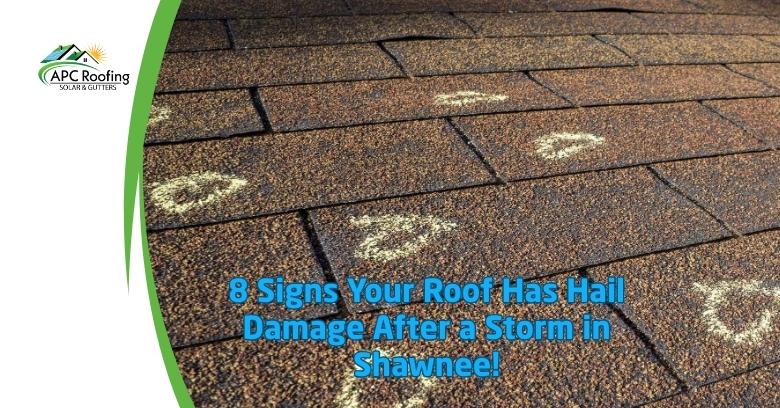
At the colder end of our territory, spring storms drop the heaviest stones, while milder weather reaches every other market too. A strike drives surface granules down into the asphalt underneath, and the struck spot goes soft under a thumb.
A saturated inner core actually keeps rain out of a roof, which is why a weak spot at that depth matters most. A hail-marked shingle gives up service life sooner than a sound shingle nearby, and a roof weakens in patches rather than all at once after a wide hailfall.
What Else Takes a Beating: Easy to Walk Past
Impact a shingle survives leaves a mark on a metal cap, so a mark from a storm remains long after the weather clears. Rubber torn at a pipe penetration sends rain straight past a boot's seal, and the water that follows shows up in a room below. A gutter knocked about at the front still moves water as designed, while a crushed downspout backs water up above a crushed section.
A roofer counts hollows in the flashing the same way a roofer counts marks on a slope, and pictures of trim sit beside pictures of the shingles in a report. A storm strong enough to scar the shingles usually leaves a matching toll on the metal, and the state of that hardware often hints at how hard the shingles were struck.
Loose Grit After a Storm – a Sign With a Source
Small stones pressed into a shingle's face shield the material beneath the surface, and exposure without that finish shortens a shingle's working life. A downpour carries loosened grains along the slope into a gutter run, so a drift of sand at that point tells a roofer something worth knowing.
A section exposed like that shortens the years a covering has left, which is why small failures on a slope tend to add up. Sand in a gutter run is material the roof no longer carries, so the next question is simply which face shed the most.
Rain That Arrives Sideways – Joints That Rarely Get Tested
A shingle's lap directs a vertical descent down across the surface, and a strong gust uncovers a route that ordinary wet weather never finds. A turbine housing passes rain through once wind reaches a certain speed, and drops fall well away from any actual break in the covering.
A Falling Limb: More Than a Scrape
Considerable energy arrives through one narrow patch, so structural members absorb the shock directly. Boards can splinter under a blow the surface layer survives, and daylight or a flashlight from below often finds what the surface hides.
A branch dragged across a roof by wind scours curved tracks through the granules, and the mark is lighter than the surrounding material. Repairing a fractured deck means opening the slope above the fracture, and the finished patch ends up wider than the mark visible above.
Signs Inside the Attic – What Daylight Reveals
A gleam higher up signals a gap in the roof, and the location is clear well before anyone climbs onto the roof. A wet section of decking darkens and rust often follows at fastener tips, and the darkest mark generally sits closest to the actual opening.
A sunken patch in loose fill points to a regular drip somewhere overhead, and a room beneath that area can lose heat as a result. A driven shower through a vent can wet framing at the gable end, and the answer in that case is a baffle behind the slats, not a repair to the surface.
Ceilings and Walls – the End of a Long Path
Discolored edges spread outward from where rain finally let go, and the true entry point can lie well uphill of the visible blemish. Blistered coating shows paint pushed away from behind by trapped moisture, which is why nobody should judge a covering by what shows up below.
Water near any electrical fixture is reason enough to cut power at the breaker, because live wiring beside standing water is the greater danger. A dark line under a flue traces the outer face of the chase, and step flashing along that run gets looked at as well.
The Metal Details on a Roof – Small and Critical
Segments set against a sidewall rely on both a proper lap and a secure fastener, and a failure at either point alone can let rain through. Wind lifting a rake edge can peel that length of metal back off the trim underneath, and the row along that run then has nothing holding the end down.
Caps at the summit of a roof are unshielded on either side of the peak, so a flaw at the crown means the seam stays unsealed for the full distance. A vent lifted at one end leaves a slot running the length of the piece, so insulation across a wide stretch can end up wet, not just underneath.
Openings for Daylight: Worth a Separate Look
The frame under a skylight stands above deck level on purpose, and courses step around that rise in a set sequence. The outside glass of a unit can break while the inside layer holds, so the entire assembly gets replaced together.
Debris striking a plastic dome can leave a pattern that spreads with heat, and dampness can end up dripping into the shaft as seasons pass. Fogging inside a double-glazed skylight shows the seal around the glass has gone, which calls for new glazing, not a wipe-down.
More Than a System Can Take: Reading the Signs
A cloudburst can push more water at a trough than that trough can hold, and the surplus pours over the front lip instead of down a downspout. Twigs and needles collecting at one spot can seal off an entire stretch of drain line, which puts strain on brackets never designed to take that much moisture.
Not the Final Answer: Made to Outlast the Wind
Plastic pulled across a break can stop rain from reaching rooms below, so nobody should mistake that covering for a completed repair. A covering run over the ridge and down both slopes moves water downhill as designed, and each screw for that step reaches into the rafters underneath.
Loose weight on top rarely secures a sheet once the gusts pick up, and debris from that failure can end up scattered across the yard. Fasteners set into an undamaged course create holes that need sealing afterward, and fastening for a cover stays confined to the area already broken.
A Plain-Language Summary of the Damage – Length and Extent
Every affected area gets photographed before anything is disturbed, and the record shows the roof exactly as things stood after the storm. Comments in everyday language accompany a description of each spot, so the size of a mark gets set down, not guessed.
A broken covering rarely stays exactly as the first storm left the surface, so a fresh look afterward can turn up something different entirely. A request for documentation gets the same file kept on hand, and nothing in that record gets dressed up to suit the occasion.
A Sudden Rush of Visitors: Worth a Second Thought
Unfamiliar trucks can move street by street once skies have cleared, and only some of that traffic stays in the area for long. What gets signed at a doorstep is a binding agreement, not a formality, and there is always time to think before committing to anything.
A company with a local address can be found again months after a job ends, and follow-up down the road stays possible with that kind of outfit. An offer that expires while a truck sits in the driveway is not a real offer, and sleeping on a choice like that is simply good sense.
Another Blow Lands: Back Again
Material weakened by an earlier storm reacts sooner to the next one, so the threshold for further failure drops with every fresh episode. A shingle folded once in a strong wind carries a crease from that event onward, and granules often shed heavily from exactly that spot.
Runoff with an established route moves along that route with little resistance, and the list of materials still needing work can lengthen quickly. Plywood swollen and dried repeatedly holds a nail less firmly with each cycle, so that section has to come off along with the shingles above.
Things Worth Checking After a Storm: Notes Worth Keeping
- A course lifted clear of the row beneath, visible without climbing a ladder.
- A pitted cover on a stack or a vent, wherever thin sheet sits exposed.
- Grit banked up at a drain outlet, in amounts that keep returning.
- Sky seen through the boards overhead, anywhere along a ridge line.
- Discoloration that widens with every downpour, usually right under a roof plane.
- Wetness at the top of a wall beside a chimney, drying out between storms.
- A star-shaped crack in a plastic cover, on any unit facing the weather directly.
- A section of trough sitting out of line, after a heavy limb came down.
How APC Roofing Goes About Wind Damage Roof Repair in Kansas City Metro Area: What to Expect
Everything begins at ground level, logging anything that fell before going up, and whatever landed from above gets recorded on the spot. Up top, each accessible plane gets covered end to end, and the framing gets checked from inside once the surface pass is done.
Findings come back in writing, with photographs attached to every item, and nothing in that summary gets dressed up beyond what a roofer actually saw. What gets proposed comes with the reasoning spelled out, and nobody presses a homeowner toward one option over another.
Wind Damage Roof Repair for a House in Kansas City Metro Area: Getting a House Sound Again
Call 913-398-5020 to have a roofer come out.
Snow Banked on a Slope – Ready for Tougher Conditions
The colder end of our territory sees falls deep enough to press down on the framing, and wet, packed snowpack weighs far more than dry powder ever does. Ice built up along an eave can hold meltwater back behind that ridge of frost, and water held back that way can find a path up under the lowest courses.
Up at the colder end of our territory, a lower roof beside a taller section collects drifting snow, and a heavy accumulation can weigh far more than an even layer spread across the whole roof. A built-up mass sliding loose can crush a porch set beneath the eave, and anything positioned underneath can take a hard hit once the buildup gives way.
A Harder Environment Near the Shoreline: Hardware That Fails First
The coastal end of our territory sees systems that last from morning into evening, and gutters and flashing there can corrode faster given the salt in the air. Sustained force can tire sealant strips and nail holes alike, and fastening along the edges carries much of that extended strain.
Driven rain can reach seams that stay dry during the rest of the year, which is why the whole house gets checked after a storm like that, not just the roof. Codes at the coastal end of our territory call for more fasteners per shingle, and new work in that area follows the pattern already set locally.
A Fix That Blends In: Close, Not Exact
Fresh bundles come out brighter than a covering long weathered outdoors, which holds true across every manufacturer's lineup. A repair on the street-facing side can be noticeable from the sidewalk, and that contrast tends to soften somewhat as the new shingles settle in.
An older style no longer sold gets replaced with something comparable, and a close substitute still shows a little on close inspection. Where one face of a house carries too many separate repairs, a patchwork look sets in, and redoing the whole side is a suggestion worth considering, not a requirement.
What a Homeowner Should See Afterward: Nothing Left Loose
A mended section sits down without any visible ridges, and the courses carry straight across the seam between old and new. Each flashing piece laps the piece set lower on the slope, and the overlaps alone do the real work of keeping water out.
Nail heads stay out of sight beneath the next course laid over that spot, and every course sits flush rather than sinking in too deep. A photo of new work, dated, becomes useful the next time a question comes up, as that record gives anyone looking later something firm to compare against.
If you searched for Wind Damage Roof Repair after bad weather in Kansas City Metro Area, phone APC Roofing at 913-398-5020 to have a roofer come out to the house. The covering gets gone over, measured and pictured from every angle, and what happens next gets explained in plain language.