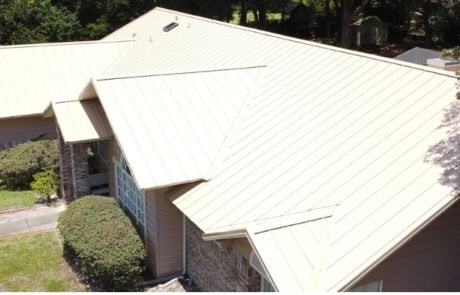
Trying to Find Wind Damage Roof Repair on a Family Home in Holly Hill Florida?
APC Roofing walks a slope after a hard night outdoors, checking every edge and photographing what is there.
Reach us at 386-356-2111 and set a time for a roofer to stop by.
How Air Travels Over Shingles – Reading the Uneven Pull
Pressure builds hardest along the eaves, the rakes and the ridge, and a broad open middle carries far less of that duty. Blowing air working under a raised flap lifts the shingle set above the flap, and one fastener beneath a course answers for the whole pull from there on.
Where two exterior faces meet, wind tumbles rather than running smooth, and hardware spacing shrinks at that point on a well-built roof. A course close to a projecting edge takes more punishment than a course near the ridge, and a crew's layout accounts for that extra pull in advance.
A Roof's Quiet Final Step – Made by Warm Weather
Every shingle carries a strip of sealant that fastens down to the course beneath, so every shingle is anchored top and bottom. Wind can undo a bond that summer heat put together, and the shingle shows no gap at all.
A broken seal stays hidden until the wind picks up again, and moisture finds fasteners a tight course used to shelter. Left alone, a single unsealed shingle is a minor thing, though several shingles parted together make a doorway rather than a blemish.
The Number on a Package – Often Misread
A test rig holds freshly made stock to a deck with every bond formed on purpose, and a known airspeed is pushed across the surface. A covering installed for years responds differently on a rough day than unweathered material would, and a bench rating stops matching a roof once real weather sets in for good.
Fastening outside the marked zone leaves a shingle with a weaker hold, and a section can then give way at a wind speed below the figure on the wrapper. Heat and cold cycles work a shingle's mat until stiffness sets in, which is why an early rating belongs to day one alone.
A Bruise in a Shingle's Mat: the Part That Matters
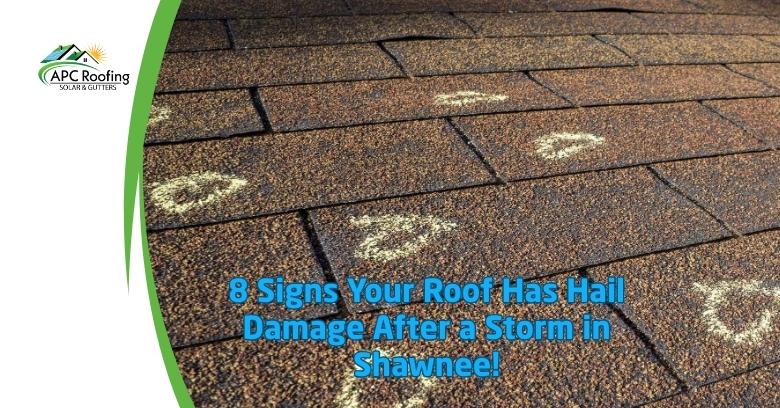
Storms crossing the colder end of our territory carry the largest stones, though a milder shower still reaches every market we serve. A hit presses the mineral coat into the mat sitting beneath, leaving a tender patch that feels different from the sound surface nearby.
What stops rain from reaching a deck lies under the topmost grit, and a dent at that depth reaches the material that matters most. A hit section of a shingle ages on a shorter timeline than a sound section nearby, and small failures appear here and there once hail has covered a broad stretch.
The Rest of a Roof's Hardware – a Second Place to Look
A jolt a covering absorbs still marks a gutter face nearby, and a mark like that does not heal the way flexible siding might. A collar broken by a strike quits sealing where a pipe passes through a roof, and a wet patch shows near an interior wall soon after. Dents along a gutter's face seldom stop a gutter from doing a full job, while a crimped downspout carries water over the leading lip without help.
A pitted vent cap sits alongside a dimpled fascia and a scuffed drip edge on one visit, and every mark gets photographed along with the shingle damage. Trouble in the metal fixtures seldom arrives without a shingle nearby in equally poor shape, and neither kind of damage shows up alone.
A Trickle of Sediment – Reading the Runoff
A mineral coat baked onto a shingle screens the asphalt from direct sun, and a sheet with nothing left on top goes brittle fast. A downpour carries loosened grains along the slope into a gutter run, and a heap of sand there says a great deal about the slope above.
Bare spots widen as the sheet beneath a bare patch dries out, so a minor patch grows into a larger fault over time. A drift of grit at a downspout fell from the roof plane overhead, and a roofer can trace the source back to the face above.
A Leak That Only Happens in a Blow: a Different Kind of Path
Every overlap in a shingle assembly assumes gravity alone does the moving, but pressure coming from the side changes the entire calculation. Gable louvers admit blown moisture through open slats in a hard blow, so the deck nearby can darken with no tear anywhere on the slope.
A Branch Across a Slope: Harder Than the Damage Looks
A concentrated load transmits pressure through only a few square inches of contact, and the framing bears force the finish alone never reveals. A plank can fracture with little sign of damage on the visible surface, and the underside tells a roofer what a glance from above cannot.
Limbs raking a roof leave sweeping lines of exposed asphalt along the way, and the mark is lighter than the surrounding material. Fixing a split board means taking the covering off above the split, and the work grows once the true extent becomes clear.
Signs Inside the Attic: Seen From Below
A gleam between the boards signals a gap somewhere in the covering, and the location is clear well before anyone climbs onto the roof. Wet plywood darkens, and the tips of nearby nails often show rust, and the darkest mark generally sits closest to the actual opening.
A hollow pressed into batting shows a place where drips keep falling, because crushed fibers hold far less warmth than fibers left airy. A gable vent can let driven rain reach framing well away from any break in the covering, and the fix there is a baffle rather than a shingle.
Down Where People Live – the End of a Long Path
A brown ring on the drywall lands downhill of where rain first entered, since water can travel the framing for feet before letting go there. Blistered coating shows paint pushed away from behind by trapped moisture, and a small mark can sit directly under a much larger fault.
A drip at a fan or a light is reason to cut the breaker without delay, because live wiring beside standing water is the greater danger. Dampness at the top of a wall adjacent to a chimney can run down inside the chase, which puts the search exactly where two different materials meet.
Where Surfaces Come Together: Quietly Doing Real Work
The wall component depends on staying lapped correctly as well as anchored firmly, and rain gets in the moment either point gives way. Wind lifting a rake edge can peel that length of metal back off the trim underneath, and the damage travels along that whole run once the break starts.
Ridge caps sit in the roughest airflow on a roof and can still come away as a unit, so a flaw at the crown means the seam stays unsealed for the full distance. Vent sections pulled free let weather straight into the space a vent once covered, which wets structure over a much longer run than the opening suggests.
Openings for Daylight: Worth a Separate Look
A raised curb holds a skylight's glazing clear of the shingles nearby, because water must never arrive at that base head-on. A heavy jolt can ruin the upper pane without touching the seal below, and the assembly comes out complete rather than in pieces.
Debris striking a plastic dome can leave a pattern that spreads with heat, and a small fracture can widen with every hot afternoon that follows. Cloudiness inside the glass is a broken seal, not everyday dirt, and no amount of daylight cures a fault hidden from view.
Swamped Within Seconds: Reading the Signs
A sudden downpour can pass along more volume at once than a trough can handle, which sends standing water toward the wall rather than clear of the house. Anything gathering on the roof can pile up at the single opening meant to move debris onward, so weight from that backup can pull at the brackets holding a length in place.
An Interim Measure: Made to Outlast the Wind
A sheet fastened over an opening can keep rooms dry while a proper fix waits, though nothing about that covering is built to last for long. A covering run over the ridge and down both slopes moves water downhill as designed, so a support strip backed by lumber spreads the load across a wider stretch.
Loose weight on top rarely secures a sheet once the gusts pick up, and a gap in the covering can scatter granules in the same blast. Putting fasteners through good material creates problems nobody had before, so a roofer plans exactly where every screw for that cover lands.
Putting Findings on Paper – a Straightforward Description
Every affected area gets photographed before anything is disturbed, and nothing gets tidied up or moved before that record is made. Dimensions get written down beside each damaged spot on a visit, and a note like that needs no further context to be useful.
Weather keeps working on an open roof within days of a storm passing, so waiting even a little loses detail nobody can get back afterward. What gets requested for review comes across precisely as the paperwork shows, and the record describes the roof, and nothing beyond the roof.
Strange Faces at the Curb – Why the Hurry
Canvassing teams can appear on a block within a week of a bad night, but not every outfit working the area is a problem. A deal reached at a front door carries the same weight as one signed indoors, which is reason enough to ask for a copy to review overnight.
A roofer with a nearby yard is easy to track down if a question comes up, and a fresh look stays possible if new facts turn up. A deal that cannot survive a single night of thought is not worth taking, and sleeping on a choice like that is simply good sense.
What a Repeat Visit Brings: Picking Up Where Things Left Off
A roof that lost some grip once needs less wind the next time to lose more, and less force is required with each fresh round of damage. Where a course folded over once, the mat carries a break along that fold, and warm weather afterward does nothing to erase that kind of damage.
A second wave of runoff can travel past a roof deck and straight indoors, so work that started on a roof can spread into the rooms below. Delamination can begin wherever dampness settles between the layers underneath, and that is exactly where leaving early damage unaddressed shows up later.
Things Worth Checking After a Storm: Notes Worth Keeping
- A course lifted clear of the row beneath, obvious from across a street.
- Bruises along an aluminum edge, wherever thin sheet sits exposed.
- Coarse sand lying in a trough, heaviest right after a hard rain.
- Daylight showing between roof boards overhead, anywhere along a ridge line.
- A wet patch upstairs that returns again and again, in a bedroom or a hallway.
- Wetness at the top of a wall beside a chimney, following the line of the masonry.
- Glass in a skylight chipped or broken, whether or not the covering nearby is torn.
- A downspout crushed or pulled loose from a bracket, anywhere along that run.
APC Roofing and Wind Damage Roof Repair in Holly Hill Florida – Our Method
An inspection begins outside, along the lawn and the drive, before anyone climbs, and stray pieces scattered nearby offer the first clue about what gave way overhead. Every roof plane gets covered wherever the pitch allows safe footing, while the underside of the deck gets a separate look from below.
Findings come back in writing, with photographs attached to every item, and each page gets built so a reader can trace every point on the house. What gets proposed comes with the reasoning spelled out, and what happens after that is entirely up to the homeowner.
Wind Damage Roof Repair in Holly Hill Florida – Inspected and Measured
Call us at 386-356-2111 to book a time for an inspection.
A Slope Massed With Snow: Standing Up to More
In the colder end of our territory, a deep white blanket bears down on the framing beneath, and freezing and thawing in cycles makes the load denser over time. Frozen runoff at the roof's edge can pond meltwater on the slope, and water held back that way can find a path up under the lowest courses.
At the colder end of our territory, drifts pile up in valleys and beside dormers, which is often where sagging first becomes visible. A sheet coming free from a metal surface can drop without warning, so keeping the ground clear beneath that overhang is worth doing.
A Harder Environment Near the Shoreline: Fatigue Builds in Hardware
At the coastal end of our territory, a tropical system can settle over a house for most of a day, and exposed metal there can rust sooner than metal set inland. A drawn-out shove can flex every shingle tab thousands of times over a day, and failures can multiply the more that sort of weather lingers.
Wet blown against an elevation can work into window heads and trim, which is why the whole house gets checked after a storm like that, not just the roof. Coastal practice generally asks more of every roof edge, so nothing gets put back with less holding power than the original had.
Old Section, New Section – Getting as Near as Possible
Fresh bundles come out brighter than a covering long weathered outdoors, and nothing leaves a factory looking weathered. Replacement shingles near a driveway can catch the eye of anyone passing, and time takes some of the edge off a mismatch like that.
An older style no longer sold gets replaced with something comparable, so a gap in tone or texture remains even with careful selection. Where one face of a house carries too many separate repairs, a patchwork look sets in, and doing one full side fresh looks far more deliberate than a piecemeal approach.
A Proper Result: Nothing Left Loose
A repaired area lies flat against the deck with no humps showing through, and the courses carry straight across the seam between old and new. Flashing goes under and over the layers as the design intends, which is what lets the whole assembly shed rain properly.
Every nail head on a mended spot sits beneath the next course up, which is what a wind rating assumes will happen. A photo of new work, dated, becomes useful the next time a question comes up, since later wear can be judged against a clear starting point.
If Wind Damage Roof Repair is on your mind after a hard blow in Holly Hill Florida, call APC Roofing at 386-356-2111 to have the shingles looked over in person. What is up there gets inspected, measured and photographed in full, and any question that comes up gets answered on the spot.
Verified

Verified
Verified
Verified