Looking for Storm Damage Near Holly Hill Florida?
APC Roofing walks a slope after a hard night outdoors, noting where the elements took the heaviest toll.
Phone 386-356-2111 and set a time for a roofer to stop by.
How Air Travels Over Shingles – an Uneven Push
Along the eaves, the rakes and the ridge the force runs highest, and a wide open middle takes far less punishment. Air that gets under a raised lip pries at the shingle set above the lip, so a nail under a shingle ends up doing the whole job alone.
A house corner throws wind into small eddies, and builders space the attachment points closer together at that spot. A course close to a projecting edge takes more punishment than a course near the ridge, and a crew's added fastening there answers exactly that need.
The Detail Heat Completes – Easy to Miss
A band of adhesive along a shingle's underside catches the row sitting below, so every shingle is anchored top and bottom. A sharp gust can tear a bond apart across a length of roof, while a section with a frayed seam still looks untouched from the ground.
Nothing announces a broken seal until the wind comes back, and a fastener gets wet as soon as that joint fails. A lone row loosened from a bond changes little alone, but a cluster of parted shingles makes a real opening.
The Number on a Package – What Gets Left Out
In a lab, unused shingles are pinned to a board and every seal is made deliberately, before a controlled gust is brought to bear on the assembly. A roof that has carried several seasons of weather no longer acts like unweathered shingles straight off a supplier's truck, so a rating drawn from the original goods does not describe an aged roof.
Placing a fastener above the strip reduces how much surface a nail can grip, and the wind needed to lift a shingle turns out lower than expected. Long exposure to sun leaves asphalt beneath the granules stiffer than new, which is why an early rating belongs to day one alone.
Ice From the Sky – a Mark With Depth
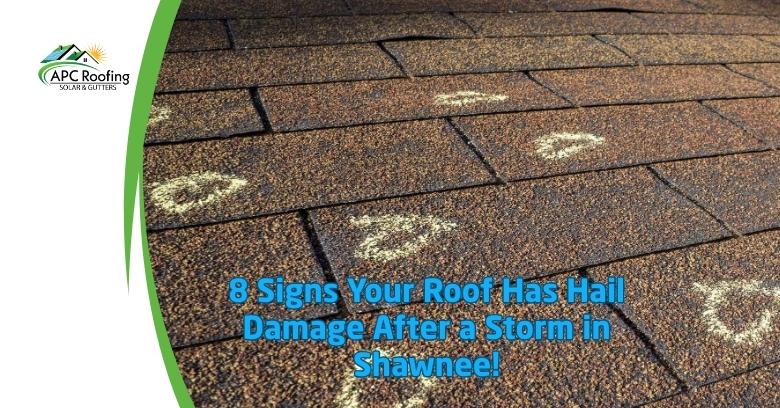
Storms crossing the colder end of our territory carry the largest stones, and even a brief burst can cause lasting dents. An impact packs the top dressing into the body of a shingle, and a dimple stays on a shingle after a storm passes.
A shingle blocks water through an inner core, not the shingle's own face, which is why a weak spot at that depth matters most. A hail-marked shingle gives up service life sooner than a sound shingle nearby, and a roof weakens in patches rather than all at once after a wide hailfall.
The Rest of a Roof's Hardware: Where a Blow Registers
A stone that asphalt shrugs off can still dent an aluminum vent hood, and a mark like that does not heal the way flexible siding might. A split boot at a plumbing stack lets water run down the outside of a pipe, and the water that follows shows up in a room below. Marks on a gutter's surface rarely stop a gutter from working, but a downspout pinched shut floods the run feeding a pinched downspout.
A marred cap, a marked fascia and a pockmarked drip edge all get read together, and pictures of trim sit beside pictures of the shingles in a report. A storm strong enough to scar the shingles usually leaves a matching toll on the metal, and the damage on that hardware is a reasonable clue to how the shingles have held up.
A Story in the Grit – Reading the Runoff
A mineral coat baked onto a shingle screens the asphalt from direct sun, and a sheet with nothing left on top goes brittle fast. A hard rain washes displaced grains all the way to a gutter, and a pile of grit at that spot shows how much broke loose.
Asphalt left bare stiffens and splits as the seasons pass, so a minor fault becomes a reason for replacement later on. Sand in a gutter run is material the roof no longer carries, so a look at that spot after a storm is worth the effort.
Wind-Blown Rain: Where Water Is Not Meant to Go
Every overlap in a shingle assembly assumes gravity alone does the moving, which is why angled weather overwhelms defenses built only for a plumb, downward arrival. Gable louvers admit blown moisture through open slats in a hard blow, which reads indoors like a fault in the shingles that is not really there.
Debris From a Tree: Worth Opening Up
A concentrated load transmits pressure through only a few square inches of contact, and the framing bears force the finish alone never reveals. A plank can fracture with little sign of damage on the visible surface, and the underside tells a roofer what a glance from above cannot.
Debris dragged by wind leaves a scraped trail across the roof, so the pattern left behind traces how far that motion carried. Getting to a split panel calls for removing the covering above the crack first, which is why a small hit can turn into a larger job.
The View From the Rafters: Seen From Below
A gleam higher up signals a gap in the roof, and the precise location can be pinpointed against a truss or the end wall. Damp sheathing stains in a pattern that follows the path water traveled, which lets a roofer trace the mark back to the break above.
A sunken patch in loose fill points to a regular drip somewhere overhead, and material packed down that way stops insulating long before the fibers look worn. A driven shower through a vent can wet framing at the gable end, which spares a sound roof plane from being opened for no reason.
What a Bubbling Ceiling Says – What the Damage Tells You
A brown ring on the drywall lands downhill of where rain first entered, since water can travel the framing for feet before letting go there. Bubbling up above means the finish has separated from the board beneath, and a small mark can sit directly under a much larger fault.
Water near any electrical fixture is reason enough to cut power at the breaker, and live wiring beside water is left to an electrician. Wetness along a wall below a chimney tends to follow the masonry closely, and the upper joint where flashing meets brick gets checked in the same pass.
Where Surfaces Come Together: What a Gale Finds
Every wall unit up there is fastened and lapped at the same time, so the entire system is only as strong as the weaker of the two parts. Uplift at a gable can twist a strip of edge metal out of line, so the section above starts to go the same way once that piece lets go.
Caps at the top of a roof face turbulence from both directions at once, and the seam stays unsealed the entire distance the instant that connection fails. A vent lifted at one end leaves a slot running the length of the piece, and the mess found below often spreads well past the point of entry.
A Glass Opening After a Storm – Points of Failure
Every skylight frame stands taller than the surrounding shingles, so runoff gets sent aside long before reaching the seam. A heavy jolt can ruin the upper pane without touching the seal below, so lifting the adjacent courses becomes part of that job.
A dome struck by hail can splinter into a web of fine lines, and warm weather can lengthen a split that started out tiny. Cloudiness inside the glass is a broken seal, not everyday dirt, and the surrounding curb is a separate matter from that fault.
Too Much, Too Fast – Watching for the Backup
A short, heavy burst can deliver more water than a gutter section was built to carry, which sends standing water toward the wall rather than clear of the house. Anything gathering on the roof can pile up at the single opening meant to move debris onward, which puts strain on brackets never designed to take that much moisture.
A Placeholder, Nothing More: What Stays On
A tarp over an opening can hold the line for a few days at most, though nothing about that covering is built to last for long. A covering run over the ridge and down both slopes moves water downhill as designed, and each screw for that step reaches into the rafters underneath.
A sheet weighted rather than tied down can lift the moment the wind returns, and a gap in the covering can scatter granules in the same blast. Driving nails through sound shingles just to hold a cover adds new leaks later, and fastening for a cover stays confined to the area already broken.
Keeping Everything in Order: Useful Later On
Every affected area gets photographed before anything is disturbed, so a complete set of images exists from the very outset. Dimensions get written down beside each damaged spot on a visit, and a ruler answers what the eye alone cannot.
Weather keeps working on an open roof within days of a storm passing, and marks seen now may look different again next week. Anyone reviewing the file sees the same pictures and notes a homeowner already has, and the record describes the roof, and nothing beyond the roof.
New Faces After the Damage: Take a Moment First
Canvassing teams can appear on a block within a week of a bad night, and a portion of that traffic disappears once the season ends. A form signed at a front door binds a homeowner like any other contract, and reading every line before agreeing is always worth the extra minute.
A business rooted in the area tends to stay put once a season passes, so a concern that comes up afterward has somewhere to go. Pressure to sign a contract before anyone has been on the roof is worth resisting, so there is no harm in declining to agree to anything on the spot.
A Repeat Performance: Back Again
A slope carrying broken seals meets the next gust already at a disadvantage, and less force is required with each fresh round of damage. A fold formed in one storm marks a weak line that never fully disappears, which no amount of resealing along the edge actually cures.
Runoff with an established route moves along that route with little resistance, and the list of materials still needing work can lengthen quickly. Delamination can begin wherever dampness settles between the layers underneath, and covering over material in that condition wastes the new stock used.
Signs Worth a Call to a Roofer – From the Yard to the Attic
- Bare patches where a shingle used to sit, visible without climbing a ladder.
- Soft metal marked where a stone or a branch made contact, unchanged by anything since the storm.
- Sandy drifts along a gutter run, more than a covering normally sheds.
- Light where there should be none up top, from a walkway up in the rafters.
- A brown ring on a ceiling that grows after rain, in a bedroom or a hallway.
- Peeling near the top of a wall, appearing only after heavy weather.
- Glass in a skylight chipped or broken, after a violent night of weather.
- A gutter hanging away from a fascia board, where a fall has gone visibly wrong.
How APC Roofing Takes On Storm Damage in Holly Hill Florida: What to Expect
An inspection begins outside, along the lawn and the drive, before anyone climbs, and scattered wreckage gets a record made before any cleanup starts. Every roof plane gets covered wherever the pitch allows safe footing, and the framing gets checked from inside once the surface pass is done.
Everything found gets photographed, measured and put into a written report, and anything uncertain gets marked as uncertain rather than guessed at. Each recommendation arrives together with reasons that hold up under questions, and a homeowner decides from there without pressure either way.
Storm Damage Throughout Holly Hill Florida: Straight Answers After Bad Weather
Call us at 386-356-2111 to arrange a visit.
A Slope Massed With Snow: Standing Up to More
At the colder end of our territory, a heavy fall can sit on the framing for days, and freezing and thawing in cycles makes the load denser over time. An ice dam can form where a warmer deck meets a cold overhang, so a leak from that kind of blockage can show up on an exterior wall.
Wind at the colder end of our territory packs snow into valleys and around chimneys, which is often where sagging first becomes visible. A slab breaking loose can take a gutter down in one motion, so keeping the ground clear beneath that overhang is worth doing.
A Harder Grind for Roofing Material by the Water – More Upkeep for Fixtures
The coastal end of our territory sees systems that last from morning into evening, and gutters and flashing there can corrode faster given the salt in the air. Sustained force can tire sealant strips and nail holes alike, and failures can multiply the more that sort of weather lingers.
Wet blown against an elevation can work into window heads and trim, and interior cavities can stain as readily as ceilings do when that happens. Construction near the coast uses stronger edge details as standard practice, so nothing gets put back with less holding power than the original had.
Bringing In a New Piece: What Homeowners Should Expect
Material from a current production run differs in tone from shingles baked by years of sun, and the surrounding roof ends up setting the visual standard. New shingles near the front of a house can stand out as a separate block, and time takes some of the edge off a mismatch like that.
A discontinued profile gets replaced with the closest style still in production, which is worth knowing before work begins. When much of a face has been patched, piecing the work together stops making visual sense, and redoing that whole slope from eave to ridge is sometimes the tidier outcome.
A Proper Result: What to Notice
Replacement shingles bed in as though installed on the original day, and the courses carry straight across the seam between old and new. Flashing goes under and over the layers as the design intends, which is what lets the whole assembly shed rain properly.
Nail heads stay out of sight beneath the next course laid over that spot, and every course sits flush rather than sinking in too deep. A photo of new work, dated, becomes useful the next time a question comes up, because that record marks where a fresh section of roof began.
If you searched for Storm Damage after bad weather in Holly Hill Florida, phone APC Roofing at 386-356-2111 to have the shingles looked over in person. What is up there gets inspected, measured and photographed in full, and any question that comes up gets answered on the spot.
Verified

Verified
Verified
Verified