Asking About Hail Damage Roof Repair Near Holly Hill Florida?
APC Roofing inspects the shingles once conditions have settled, recording what the recent weather left behind.
Reach us at 386-356-2111 and describe what you are seeing from indoors.
How Air Travels Over Shingles – Reading the Uneven Pull
Along the eaves, the rakes and the ridge the force runs highest, and a wide center area sees far lighter duty. Air that gets under a raised lip pries at the shingle set above the lip, and a single fastener ends up holding that shingle down alone.
A corner of a house sits where two paths of wind meet, which is why an installer sets more attachment points into that area. A row of shingles at that outside edge carries more push than a row set farther out, and a crew's layout accounts for that extra pull in advance.
What the Crew Leaves to the Sun: Not Done at the Factory
A strip of sealant under every shingle grips the course sitting beneath, so every shingle is anchored top and bottom. Wind can undo a bond that summer heat put together, while a section with a frayed seam still looks untouched from the ground.
A course carrying a broken seal only reveals trouble when the wind stirs again, and rain then reaches nail heads left bare for the first time. A single shingle off a bond hurts nothing taken alone, but a long band of parted shingles turns into a way in.
The Rating on a Bundle: Worth a Second Look
A test rig holds freshly made stock to a deck with every bond formed on purpose, after which a fan runs air over the surface at a set rate. A roof already carrying a season or two of harsh weather no longer behaves like unweathered asphalt, and a bench rating stops matching a roof once real weather sets in for good.
Fastening outside the marked zone leaves a shingle with a weaker hold, and a course can fail at a wind nobody would call extreme. An aged mat loses flexibility a new mat still carries, and a laboratory rating fits new construction, never an older roof.
Ice From the Sky – a Mark With Depth
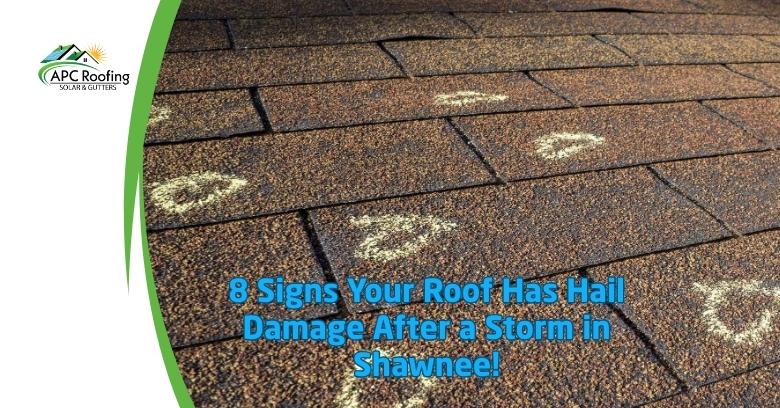
At the colder end of our territory, spring storms drop the heaviest stones, while milder weather reaches every other market too. An impact packs the top dressing into the body of a shingle, so a hollow forms where the surface gave way.
The core doing real waterproofing lies under a shingle's visible face, which is why a weak spot at that depth matters most. A hit section of a shingle ages on a shorter timeline than a sound section nearby, so a covering with widespread hail damage develops trouble in scattered places.
Hardware That Also Suffers – Damage With No Warning
A hit the asphalt handles fine dents soft metal beside a struck slope, and a mark left that way keeps the same shape for years. A split boot at a plumbing stack lets water run down the outside of a pipe, and a wet patch shows near an interior wall soon after. A gutter knocked about at the front still moves water as designed, while a crushed downspout backs water up above a crushed section.
A roofer counts hollows in the flashing the same way a roofer counts marks on a slope, so nothing made of trim is left out of a written record. Trouble in the metal fixtures seldom arrives without a shingle nearby in equally poor shape, and the damage on that hardware is a reasonable clue to how the shingles have held up.
What Washes Off a Slope – Reading the Runoff
A mineral coat baked onto a shingle screens the asphalt from direct sun, because an uncovered stretch dries out and cracks quickly. A downpour carries loosened grains along the slope into a gutter run, and a heap of sand there says a great deal about the slope above.
Bare spots widen as the sheet beneath a bare patch dries out, and small trouble in one place tends to spread outward from there. Whatever collects at an outlet used to be part of the covering, and a roofer can trace the source back to the face above.
Water Pushed Uphill by Wind: a Different Kind of Path
Every overlap in a shingle assembly assumes gravity alone does the moving, so an angled gust finds a route no course was designed for. Off-ridge vents let spray past open baffles once wind picks up, and drops fall well away from any actual break in the covering.
A Falling Limb – Weighing the Impact
Momentum arriving fast concentrates weight in one tight spot, and the framing bears force the finish alone never reveals. A plank can fracture with little sign of damage on the visible surface, and a roofer finds the break by tapping the deck and by checking from the attic.
A swaying bough polishes a bright curve into the granules a branch touches, and the mark is lighter than the surrounding material. Reaching a cracked board usually means lifting the shingles above the break, and the finished patch ends up wider than the mark visible above.
Reading the Underside of a Deck – What Daylight Reveals
A gleam between the boards signals a gap somewhere in the covering, and noting the location from within saves time once outdoors. A wet section of decking darkens and rust often follows at fastener tips, and every mark narrows on the way toward one likely spot.
A sunken patch in loose fill points to a regular drip somewhere overhead, and material packed down that way stops insulating long before the fibers look worn. A louver can admit rain into the far end of an attic during a hard blow, which spares a sound roof plane from being opened for no reason.
Ceilings and Walls – the End of a Long Path
A blotch overhead turns up where a trickle gave out, not where the leak began farther up, since water can travel the framing for feet before letting go there. Paint lifting into blisters shows a board stayed wet for a stretch of time, which is why nobody should judge a covering by what shows up below.
Water near any electrical fixture is reason enough to cut power at the breaker, since the shock risk outweighs anything a bucket below can fix. Dampness at the top of a wall adjacent to a chimney can run down inside the chase, and step flashing along that run gets looked at as well.
Thin, Exposed and Essential – Small and Critical
The assembly at a wall junction depends on staying tucked beneath the shingle layers while nailed in place at once, so pressure acting under a slack seam undoes both requirements at once. Wind lifting a rake edge can peel that length of metal back off the trim underneath, and the row along that run then has nothing holding the end down.
Caps at the summit of a roof are unshielded on either side of the peak, and the seam stays unsealed the entire distance the instant that connection fails. A vent lifted at one end leaves a slot running the length of the piece, so insulation across a wide stretch can end up wet, not just underneath.
What Lets Daylight In: Worth a Separate Look
The frame under a skylight stands above deck level on purpose, and every face of that structure gets a flashing cut just for that face. A hailstone can star the top layer of glass and leave the lower layer whole, and the assembly comes out complete rather than in pieces.
A hard hit on a dome can leave a crack right at the point of impact, and a small fracture can widen with every hot afternoon that follows. A misted panel between two layers of glass is beyond ordinary cleaning, which calls for new glazing, not a wipe-down.
Too Much, Too Fast: What Overflows and Why
A short, heavy burst can deliver more water than a gutter section was built to carry, which sends standing water toward the wall rather than clear of the house. Twigs and needles collecting at one spot can seal off an entire stretch of drain line, which puts strain on brackets never designed to take that much moisture.
Not the Final Answer: Made to Stay Put
Anything secured over a break can protect a house until the weather clears, and that covering is never the end of the job. A covering laid over the high side and anchored on both slopes stays effective, and screws for that step land in framing, not merely in the covering.
A sheet weighted rather than tied down can lift the moment the wind returns, so the damage from a failure can extend beyond the first weak point. Driving nails through sound shingles just to hold a cover adds new leaks later, and the solid part of a roof stays untouched by that kind of work.
A Plain-Language Summary of the Damage: Useful Later On
Photographs are taken of the whole house while conditions still match what a storm left behind, which matters more than most homeowners expect going in. Dimensions get written down beside each damaged spot on a visit, and a ruler answers what the eye alone cannot.
Conditions keep changing what a later look would actually find, and marks seen now may look different again next week. Any review of the property draws on findings written up in ordinary language, and nothing in that record gets dressed up to suit the occasion.
A Sudden Rush of Visitors: Worth a Second Thought
Vehicles with out-of-area plates can work a neighborhood for days after a big storm, though picking the sound ones out from the rest can be difficult. What gets signed at a doorstep is a binding agreement, not a formality, which is reason enough to ask for a copy to review overnight.
A contractor whose office sits nearby stays reachable long after the work is done, and a fresh look stays possible if new facts turn up. A deal that cannot survive a single night of thought is not worth taking, and asking a second opinion before committing is always reasonable.
Weakness That Compounds – Reading a Pattern
A roof that lost some grip once needs less wind the next time to lose more, so the threshold for further failure drops with every fresh episode. A fold formed in one storm marks a weak line that never fully disappears, and water can find that same flaw on a future occasion.
Runoff with an established route moves along that route with little resistance, so work that started on a roof can spread into the rooms below. Delamination can begin wherever dampness settles between the layers underneath, so that section has to come off along with the shingles above.
What a Storm Leaves Behind: Notes Worth Keeping
- Shingles out of line on a single plane, easy to spot from a sidewalk.
- Soft metal marked where a stone or a branch made contact, with a shape that holds for a long time afterward.
- Sandy drifts along a gutter run, more than a covering normally sheds.
- A visible gap in a deck seen from inside, from a walkway up in the rafters.
- A brown ring on a ceiling that grows after rain, often in a top-floor room.
- A soft spot in the wallboard near a corner, drying out between storms.
- A star-shaped crack in a plastic cover, on any unit facing the weather directly.
- A gutter hanging away from a fascia board, visible from the yard below.
The Way APC Roofing Works on Hail Damage Roof Repair in Holly Hill Florida: From the Call to the Finish
The first steps happen at ground level, watching the yard for debris before a ladder comes out, and stray pieces scattered nearby offer the first clue about what gave way overhead. A roofer moves across every plane that can be walked safely, while the underside of the deck gets a separate look from below.
Everything found gets photographed, measured and put into a written report, and every finding stays tied to a specific spot on the roof. Each recommendation arrives together with reasons that hold up under questions, and what happens after that is entirely up to the homeowner.
Hail Damage Roof Repair for Homes in Holly Hill Florida – Help From People Who Know Shingles
Reach us at 386-356-2111 and say what you noticed outside.
Snow Banked on a Slope: Standing Up to More
At the colder end of our territory, a heavy fall can sit on the framing for days, and wet, packed snowpack weighs far more than dry powder ever does. Ice built up along an eave can hold meltwater back behind that ridge of frost, and a ceiling near the outside wall can stain as a result.
Across the colder end of our territory, snow blown off one plane lands on the plane below, and one section can carry many times what the rest of the roof holds. Material breaking free can damage anything sitting beneath the eave, so keeping the ground clear beneath that overhang is worth doing.
A Harder Grind for Roofing Material by the Water: Fatigue Builds in Hardware
A house at the coastal end of our territory can face a gale from breakfast to dark, and gutters and flashing there can corrode faster given the salt in the air. Sustained force can tire sealant strips and nail holes alike, and fastening along the edges carries much of that extended strain.
Driven rain can reach seams that stay dry during the rest of the year, and interior cavities can stain as readily as ceilings do when that happens. Codes at the coastal end of our territory call for more fasteners per shingle, and repair work there follows that same stricter approach.
New Work Beside Old – How Close a Repair Can Get
Material from a current production run differs in tone from shingles baked by years of sun, so a perfect match is never really on offer. A mended area on a visible elevation can show up as a distinct patch, and time takes some of the edge off a mismatch like that.
Shingles no longer manufactured get swapped for the nearest equivalent, which is worth knowing before work begins. Where one face of a house carries too many separate repairs, a patchwork look sets in, and an even surface is often the whole point of a full redo.
Signs of Careful Work: Judging the Job
A mended section sits down without any visible ridges, and the exposure lines up with the older courses nearby. Each flashing piece laps the piece set lower on the slope, and caulk never ends up as the thing actually keeping water out.
No fastener shows on the visible face of a completed area, and every course sits flush rather than sinking in too deep. A picture of a fixed section during the first week is worth filing away, as that record gives anyone looking later something firm to compare against.
If a search for Hail Damage Roof Repair brought you here after a storm in Holly Hill Florida, reach APC Roofing at 386-356-2111 and a roofer will come out and look the covering over. What the weather left behind gets examined closely and photographed, and what happens next gets explained in plain language.
Verified

Verified
Verified
Verified