
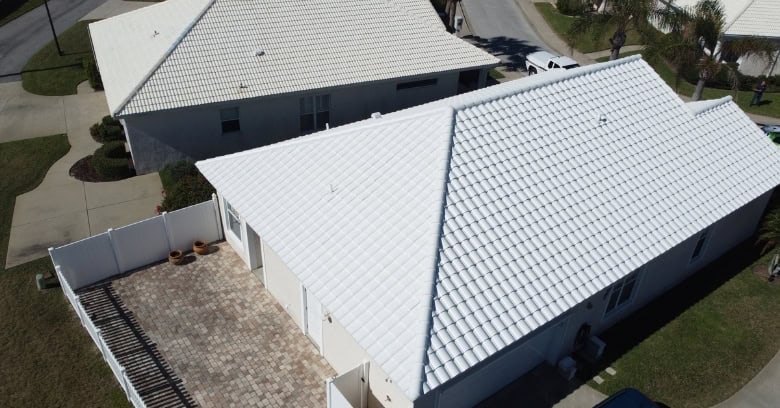
In Search of Roof Maintenance in Groveland Florida?
APC Roofing handles everything from a simple checkup to a full replacement, across shingle, metal and tile coverings.
Get in touch at 407-270-1129, and a roofer arranges a visit to the house.
What Keeps a Roof Working: the Working Structure
The topmost material is nothing more than the outer layer, and underlayment, decking and structural framing sit out of view. Flashing bridges the crossing wherever a wall, a pipe or a valley breaks the field, and dampness there seldom traces to shingles failing somewhere close by.
The air under the rafters counts as part of the roof, the same as any material, since trapped summer heat bakes the deck from underneath. A brown mark on a ceiling can originate at any level of the roof, so attention paid only to the outside can miss where the water entered.
A Roof at Work: an Owner's Overview
Gravity and overlap send each shower to the ground, and the nailing keeps gusts from lifting the courses. The framing bears the load above, snow included at the colder end of our territory, while vents give damp attic air a way out.
Water is a job for the covering, and wind is a task for the fastening, while what is underneath holds the whole thing steady, out of sight. A weak component shows up as a sign of trouble somewhere else on the roof, and a lasting fix reaches back to where the fault began.
Minor Roof Components: A Shorter Story
An asphalt surface is expected to serve for decades, but a rubber collar at a vent pipe gives out far sooner. Runoff slips through and travels toward the room, and a ring shows up on the drywall beneath.
Sealant around a skylight loses hold after enough summers, and steel flashing corrodes from trimmed edges inward. Ridge caps split across the crease, since the crest takes more weather than the planes below.
Steps Before Heading Up: Near and Far
Seen from the sidewalk, the shape of the roof shows dips, sags and wavy planes, and the gutters and trim can be checked in the same glance. A zoom lens singles out torn collars, lifted tabs and bare patches, but soft decking can only be felt from up close.
Moving across the planes, a roofer tests every connector and traces every flashing joint, and every course is checked for edges that have come loose. A steep or wet roof is not walked, and a ladder at the edge serves as the lookout instead.
The Underside of a Roof: Signs Worth Finding
Discolored wood around a fastener points to water that beat the covering, and dampness under the fingers shows the entry is still active. Daylight visible between the boards marks an opening, and the spot gets pinned down by distance from the ridge, ready for the outside check.
Nail points gone orange signal damp air, not a leak, and a matted, faded patch nearby confirms the same condition. A soffit choked with insulation, or a bath fan venting into the attic space, is spotted only from inside, so a look from the yard alone misses ventilation faults of that kind.
What Comes Home With You: An Overview
Findings arrive as photographs tied to specific places on the roof, and a line of text says what each image shows. What is holding up gets named as clearly as what is not, and faults are ranked by how soon repair is needed.
Keeping an older report gives the next check something to compare against, and how the covering is aging shows up better than a single day's reading. A covering looked at on a regular schedule rarely catches the owner off guard, and a big repair signals trouble long before the work is urgent.
Maintenance Tasks: Small Jobs, Done Often
Stiffened collars at the plumbing vents get changed early, and shrunken caulk along the flashing gets a fresh bead. Needles and leaves get cleared from valleys and from behind chimneys, and sagging gutter hangers get tightened.
A slipped shingle put back early is easy work, but waiting out a rainy stretch invites water in from beneath. Moss along a north-facing slope wedges under the laps, and a gentle wash clears the growth, since a pressure washer strips granules.
A Regular Routine: The Payoff
A roofer's walk-through belongs on the calendar every year, scheduled once the harshest stretch of local weather has passed. Catching things early is the whole point of a regular check, and nobody is left guessing about the roof's condition.
After rough weather, anyone can scan the roof from the yard, and top-floor rooms are worth checking for fresh stains. Climbing to the attic hatch with a flashlight twice a year is a smart move: discolored boards, light through the deck and damp insulation turn up long before anything reaches the space below.
A Roof's Age, Read From the Yard: From New to Worn
Brand-new shingles look dark and consistent across every slope, and by mid-life the sun-facing side fades ahead of the shaded side. Close to the finish, corners lift and bald patches spread, and new leaks appear in different spots.
A reading from the ground supplies a fair estimate, but only a hands-on check settles the matter. When shingles are exhausted, the candid conversation turns to replacement, and a reliable contractor says so outright, instead of offering another fix.
The Channel's Part in the System: What to Watch For
Shingles hand off rainfall at the drip edge and no farther, and the gutter line handles the flow after that. A run choked with leaves sends overflow behind the trim board, and the wood underneath begins to rot.
A give in that spot points more often to a backup than a shingle problem, and a fresh covering does nothing for a fault at the edge. The direction of fall along each gutter gets checked, together with the outlets, and the drip-edge metal gets looked over for reach past the fascia.
How the Roof Breathes: How the Design Works
A balanced system draws air in low and releases air up high, and that movement removes heat and moisture from under the deck. If the vents get blocked, the attic overheats each summer and stays sticky the rest of the year, and the whole build's service life shortens.
A powered fan with too little inlet area draws cooled air through the ceiling, and one high point pulling toward a nearby high point can choke flow at the soffits. Swapping the surface with the vents untouched repeats the same problem, so a proper replacement addresses the same issue at the same time.
Weather Decides Every Job: An Overview
Where winters bite hardest at the colder end of our territory, ice at the edge shapes the details, and a sticky underlayment protects the lowest courses. Nearest the coast, uplift resistance governs the fastening choices, and reinforced edge metal and sealed seams get specified.
Where big hail is common at the colder end of our region, a harder surface earns consideration, while heat takes a toll on roofs everywhere we work. Every build answers to conditions at that particular site, not custom or what happened to be on the truck.
Homes and Businesses: Different Structures Entirely
Angle and overlap work together to move water off a pitched covering, and the material is commonly shingle, tile or metal panels. A commercial building usually has a nearly flat, sealed membrane, and rooftop units and drains get set directly into the surface.
Plenty of residences include a shallow section over an addition, and shingles in that spot often leak because runoff moves too slowly. A spot built that way needs a sealed membrane tucked under the pitched roof above, and putting shingles back on that spot solves nothing.
Tarps and Emergency Covers: What Works and What Fails
A sheet shields a gap for a little while, but the trouble below stays untouched. A good cover goes up and over the peak and gets fastened with wood strips, and the cover gets tensioned before the flapping starts.
A tarp needs to extend well beyond the break, since water slips in under any edge that ends too soon. Material left on for a long stretch keeps the roof from drying out, and the material underneath weakens over time.
Vertical Joints on a Roof: Getting the Work Right
Where shingles climb beside a wall, L-shaped pieces alternate with the courses, and a cap of counterflashing laps down from above. Every chimney needs an apron at the front and metal carried up across each edge, and a broad stack gets a diverter built into the roof behind.
Caulk troweled onto a bad seam lets go once temperatures shift the metal, and a proper tie-in, rebuilt from scratch, is what holds. Eroded mortar joints let water into the brick above the flashing line, and part of that repair belongs to a mason, not a roofer.
Putting Requirements on Paper: a Careful Look Before the Ink Dries
A detailed listing names each material going on the roof, and the document says whether the existing roof gets stripped to the deck. A solid outline sets a rule for any soft sheathing found mid-job, and every vent, every flashing piece and the haul-away get called out individually.
Offers from different contractors can be weighed point for point, and the gaps between the two sets of paperwork come into view. A crew that asks for trust instead of anything in hand has left out the part that matters, since a spoken promise cannot be checked later.
How a Re-Roof Unfolds: the Basic Sequence
Plants take tarps and hard surfaces take padding before the crew begins, and the existing covering gets removed completely. With the old material gone, the plywood gets examined board by board, and rotten sections get rebuilt before anything gets put back down.
A protective membrane, new flashing and full underlayment get installed, and the main covering, the ridge line and the vents finish the work. The property gets swept with a magnet once the crew wraps up, and a last look confirms the gutters are clear.
Non-Shingle Roofing Care: Details by Material Type
Screw-down metal panels depend on a gasket beneath each fastener, and a leaking screw gets paired with a fresh washer. Tile in our markets gets set by several methods, including mortar, foam adhesive and mechanical clips, and the underlayment handles the water, not the surface material.
A foot planted wrong breaks off a piece, and a damaged unit gets pulled and replaced to match the surrounding pattern. On the shallow parts of a roof, lingering water and loose seams are worth watching, and leaves get removed from the outlets regularly.
Things an Owner Can Spot: Outside and In
- Coarse grains washing out after every rain, long after the covering was installed.
- Corners turned up across a slope, spread across more than one row.
- A split rubber collar around a plumbing vent, letting water run down into the attic.
- Discoloration on a bedroom ceiling, still visible once dry.
- Light leaking in near a valley or a pipe, on a sunny afternoon.
- Moss packed into the laps, pushing up the lower edges of the shingles.
- A hollow spot in an otherwise even stretch, often pointing to trouble in the deck beneath.
- Rust streaks below a metal joint, a sign that the tie-in needs attention.
Roof Maintenance for Groveland Florida Households: How APC Roofing Works
Before any advice gets given, a roofer goes over the whole covering and the attic, and the evidence comes back as photographs and the verdict in writing. Solid parts get described as directly as weak ones, and the homeowner sets the order of any work.
Roof Maintenance Around Groveland Florida: Straight Answers About the Roof
Dial 407-270-1129 to arrange a visit on site.
A Roof's Own History: Useful at Resale
Saving the install date and the product names on the invoice pays off later, and adding every inspection report to that folder grows the file. Marking down every repair, with the location and the work done, leaves useful detail, and after several years the weak spots become obvious.
Once a home hits the market, the roof's age and condition come up in conversation, and a documented account settles the matter later. A copy kept at a second location protects the earlier notes, in case the paper sheets go missing in a move.
Judging the Result: Points to Look For
The lines run true from eave to ridge, with rake cuts trimmed sharp, and the nailing stays out of sight across the roof. Metal against any wall or chimney rests flush and secure, and caulk, where used at all, forms a thin, careful line.
The soffit vents breathe freely and the ridge vent stays clear, and the gutters return to position, clean and fastened. The lawn and driveway get a magnetic pass at the end of the job, and sawdust near a cut line is the most common leftover once the work wraps up.
Anyone researching Roof Maintenance in Groveland Florida is one step away from a straight answer. Picking up the phone for APC Roofing at 407-270-1129 puts a roofer on the calendar. Every visit takes in the whole roof and the attic beneath, and no part of the roof goes unchecked.
Verified

Verified
Verified
Verified
Verified


















