
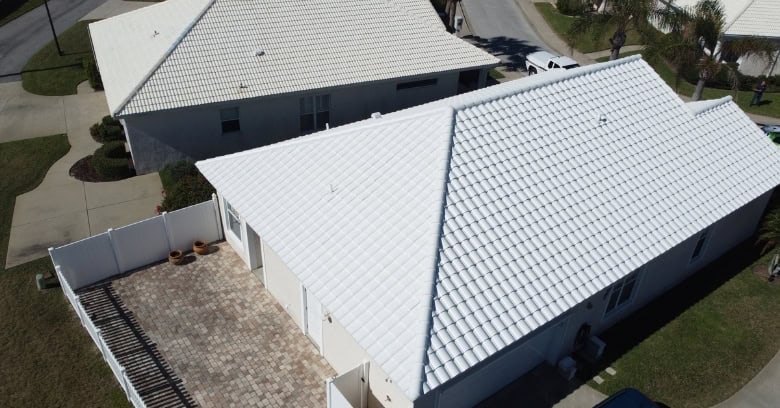
Trying to Find Roofing Companies in Groveland Florida?
APC Roofing takes on anything from a checkup to a full replacement, across shingle, metal and tile coverings.
Dial 407-270-1129, and a roofer arranges a visit to the house.
The Roof's Working Parts: the Basics
The visible covering on top is only the outer layer, and underlayment, decking and rafters sit beneath the surface. Bent metal covers the gap at a chimney, a pipe or a valley, and a drip there rarely points to worn shingles on the slope.
Ventilation in the attic ranks as one more working part of the roof, as heat trapped under the boards shortens the life of the shingles above. Water showing indoors may come from any level of the structure, and a fix aimed only at the outer surface can leave the real source untouched.
Everyday Work of a Roof: Behind the Shingles
Laps and pitch steer rainfall toward the gutters, and seal strips keep gusts from getting under the courses. Beams and boards carry the mass overhead, snow included at the colder end of our territory, and intake and exhaust let the attic breathe.
The covering handles water, and the fastening handles wind, while gravity's pull goes to what is underneath. Trouble in one element tends to show up far from the original problem, and the real remedy sits back where the fault started.
Small Parts of a Roof System: A Shorter Story
The shingled field is built to last for decades, but the rubber boot at a drain stack wears through much earlier. Runoff slips through and travels toward the room, and paint bubbles on the ceiling below.
Caulk along a wall joint hardens and pulls away in the heat, and galvanized flashing corrodes at folds and nail holes. Hip and ridge caps open at the center crease, since the crest takes more weather than the planes below.
Steps Before Heading Up: Before Anyone Climbs
From across the street, the profile of the roof exposes dips, sags and wavy planes, and the gutters, fascia and trim come into view at the same time. Good binoculars show up torn collars, lifted tabs and bare patches, but a weak spot underfoot tells what optics cannot.
On the slope, a roofer works over every pipe connector and traces each flashing run, and the surface is checked for cracking, granule shedding and curled edges. A rain-slicked or very steep covering stays off limits underfoot, and the eave, reached by ladder, provides the vantage point instead.
Above the Ceiling: Signs Worth Finding
A tide line on a rafter shows where rain has entered, and a clammy touch means the problem is ongoing. A glow through the planking in daytime marks a hole, and a tape measure fixes the distance from the peak and gable wall.
Rusted nail tips point to condensation, not a leak, and a matted, faded patch nearby confirms the same condition. Insulation crammed against the eave, or an exhaust fan dumping into the attic, comes to light only from inside, so a street-level glance never catches faults of that kind.
A Homeowner's Take-Away: What Gets Handed Over
Findings arrive as photographs tied to specific places on the roof, and a written line explains what each image shows. Solid sections are treated in the same plain language as sections that are not, and problem areas are ranked by urgency.
A record saved from an earlier check sets a baseline for the next inspection, and movement across seasons reads more directly than one day's condition. A roof tracked across each year brings few surprises, and the signs of a major repair appear well before the job becomes pressing.
Upkeep on a Shingle Roof: a Short Rundown
Stiffened collars at the plumbing vents get changed early, and dried sealant at walls and flues gets redone. Pine straw and twigs get picked out of the valleys, and sagging gutter hangers get tightened.
A lifted tab sealed down early stays a small job, but waiting out a rainy stretch invites water in from beneath. Moss on a shaded slope traps moisture under the courses, and the growth gets treated and brushed off, never pressure-washed.
Staying Ahead of Trouble: a Homeowner's Part
A roofer's walk-through belongs on the calendar every year, placed right after the toughest season for roofs in that market. The goal is seeing deterioration ahead of any drip, and the family hears plainly where the roof stands.
Following a storm, a walk around the house with eyes on the roof is a good habit, and bedroom ceilings upstairs can be watched for fresh spots. Looking around the attic with a flashlight now and then makes sense: dark spots, daylight and matted insulation turn up long before anything travels any further.
How Age Shows on a Roof: Clues at Each Stage
Brand-new shingles look dark and consistent across every slope, and by mid-life the sun-facing side fades ahead of the shaded side. Toward the end, granules collect in the gutters and the mat starts to show, and a repair rarely holds for long at that stage.
Judging from the street supplies a reasonable idea, but a ladder and a closer look tell the fuller story. Once shingles are spent, patching stops making sense, and a straightforward contractor says so directly, instead of selling one more fix.
The Trough Behind the Fascia: What Homeowners Should Know
A roof moves water only as far as the drip edge, and from there a gutter does the remaining work. A channel hung the wrong way holds a pool against the house, and the wood close by swells and softens.
A give in that spot points more often to a backup than a shingle problem, and a new covering will not fix what backed-up water caused. Gutter fall and downspout placement get checked together, and the drip-edge metal and the overlap at each joint get looked over as well.
How the Roof Breathes: What Homeowners Should Know
Intake at the overhang and exhaust at the top keep air moving through the attic, and the draft clears warmth and humidity from under the sheathing. With the opening closed, the attic turns hot in summer and clammy in humid months, and the tabs curl and the plywood softens ahead of schedule.
Adding roof openings without matching intake draws air from the rooms beneath, and a mismatched pairing at the ridge and gables can cut the draft short. A new covering placed over a poorly vented attic inherits the same fault, so the underlying cause gets addressed in the plan for the new roof.
What Gets Chosen and Why: What Shifts From Place to Place
At the colder end of our territory, ice at the eaves and the weight of snow shape the build, and a sticky underlayment protects the lowest courses. At the coast, uplift decides the fastening pattern, and impact-and-wind-rated shingles and sealed seams get chosen.
Where hail falls hard at the colder end of our territory, an impact-rated covering is worth considering, while heat takes a toll on roofs everywhere we work. What goes on a given roof depends on local conditions, not routine or whatever was used on the last job.
Homes and Businesses: Different Demands
A pitched covering sheds water through overlapping courses, and the surface is usually shingle, tile or metal. A business roof relies on one continuous sealed sheet, and rooftop units and drains get set directly into the surface.
Some houses have a gently sloped patch over a back room, and shingles there tend to leak because water lingers before running off. A spot built that way needs a sealed membrane tucked under the pitched roof above, and a second round of shingles there fails the same way.
Temporary Covers After Damage: What Lasts a Few Weeks
A barrier keeps rain off a hole before repairs begin, but the broken parts stay broken all the same. A sound cover sits over the ridge and gets held down by wood battens screwed through the material, and the cover gets tensioned before the flapping starts.
A sheet cut too small leaves the edges of the opening exposed, because rain travels sideways toward a gap that stops short. Plastic left in place for months traps heat and moisture against the deck, and the covering underneath ages faster than expected.
Doing the Vertical Joints Properly: No Room for Guesswork
Every course against a wall gets a dedicated step-flashing piece, and counterflashing tucked into the masonry covers that metal from above. Every chimney needs an apron at the front and metal carried up across each edge, and a wide stack gets a cricket that divides the flow around back.
Tar smeared over a gap gives way as the metal moves, so a fresh tie-in, installed correctly, is the dependable way to go. Eroded mortar joints let water into the brick above the flashing line, and a mason takes the stonework while a roofer takes the metal.
Getting the Scope in Writing: a Careful Look Before the Ink Dries
The plan for a job names every product by brand, and the document states plainly whether the work is a tear-off or a layover. A firm outline settles ahead of time how bad wood gets handled, and every vent, every flashing piece and the haul-away get called out individually.
Bids laid out in full are easy to check against each other, and the true difference between the two shows plainly. A crew that asks for trust instead of anything in hand has left out the part that matters, because nobody can confirm later what got said.
Replacing a Roof, Step by Step: the Basic Sequence
Shrubs, flower beds and the driveway get protected ahead of the work, and the existing layers get torn off into a dumpster. With the old material gone, the plywood gets examined board by board, and weak spots come out, and solid planking follows.
Underlayment, new metal and ice-and-water membrane go on across the open deck, and the new covering goes down, capped and vented at the top. A magnet gets run over the lawn and the driveway when the work is done, and no debris gets left in the gutters.
Care for Non-Shingle Roofs: Particular Needs
Metal sheets held by visible fasteners stay dry because of the gasket under each fastener, and a leaking screw gets paired with a fresh washer. Based on the house, tile may be mortar-set, foam-set or clipped directly, and the underlayment does the actual waterproofing.
A heavy step on an unsupported piece causes a crack, and a damaged unit gets swapped for another of matching shape. Where part of a roof runs nearly flat, ponding and split seams are the warning signs, and clogged drains get cleaned out on a visit.
Things an Owner Can Spot: From the Yard or the Attic
- Grit gathering at the downspout outlets, long after the covering was installed.
- Tab ends that curl instead of lying flat, noticeable from across the street.
- A vent seal that has pulled loose, easy to miss without a zoom lens.
- Paint blistering overhead after a storm, darker around the rim.
- A glimpse of sky from under the deck, on a sunny afternoon.
- A carpet of moss along the eaves, in spots that stay damp longest.
- A sag along the ridge line, visible against the sky.
- Rust streaks below a metal joint, often after a hot summer.
Roofing Companies Near Groveland Florida: How APC Roofing Works
Before anything gets suggested, a roofer takes in the whole covering and the attic together, and the report shows up as photographs and a clear written account. Solid parts get described as directly as weak ones, and the homeowner sets the order of any work.
Roofing Companies in Groveland Florida: a Roofer Who Reads the Whole Roof
Phone 407-270-1129 and set a time for a visit.
Documentation for the Roof: a Few Minutes a Year
Tracking when the covering went on and what was used is worth the effort, and each inspection report deserves a spot in the same folder. Logging each repair by spot and by task builds a fuller picture, and over time the pattern shows which areas keep needing attention.
When a house goes up for sale, a buyer's inspector asks about the roof, and paperwork with dates carries more weight than recollection. A scanned set of the same files, stored separately, guards against a misplaced original, since a spill or a move should not be able to wipe out everything.
Signs of a Job Done Right: a Homeowner's Guide
The field reads as straight bands, with crisp cuts where each slope ends, and no fastener gets left exposed. Flashing at walls is new and set in properly, and any sealant appears sparing and neat.
Air can move from the eaves to the peak without obstruction, and every gutter ends up hanging correctly. The lawn and driveway get a magnetic pass at the end of the job, and sawdust near a cut line is the most common leftover once the work wraps up.
Anyone comparing options for Roofing Companies in Groveland Florida does not have to keep guessing about next steps. Reaching out to APC Roofing at 407-270-1129 gets a date on the calendar. Every stop covers the full roof, top to bottom, with no loose ends left over.
Verified

Verified
Verified
Verified
Verified


















